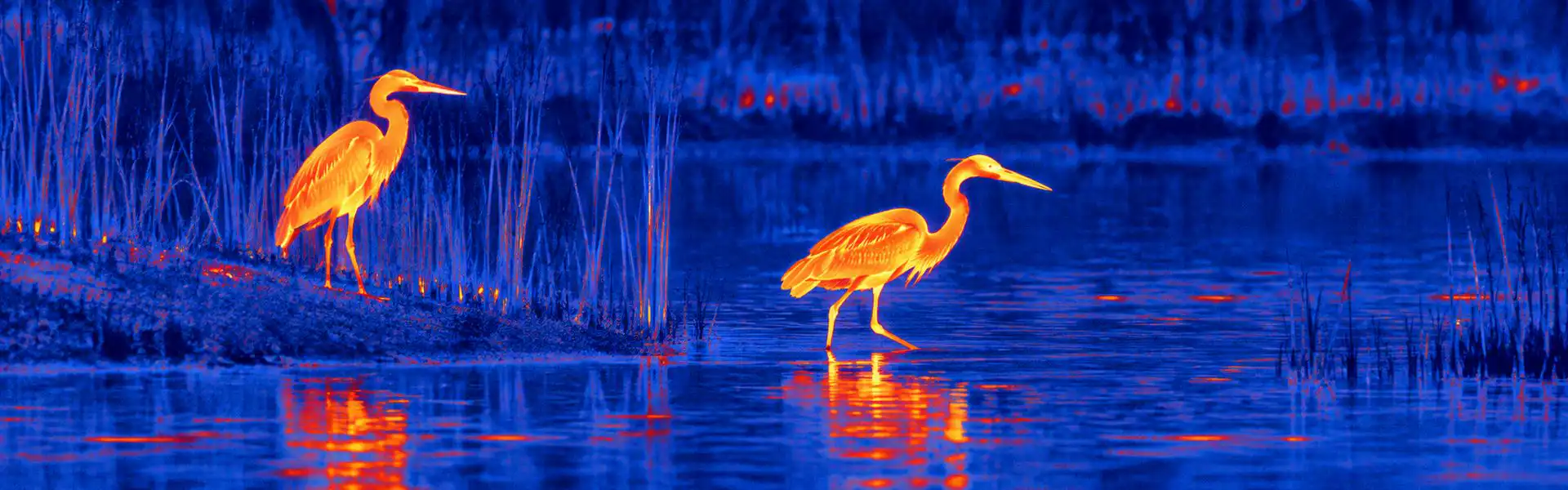
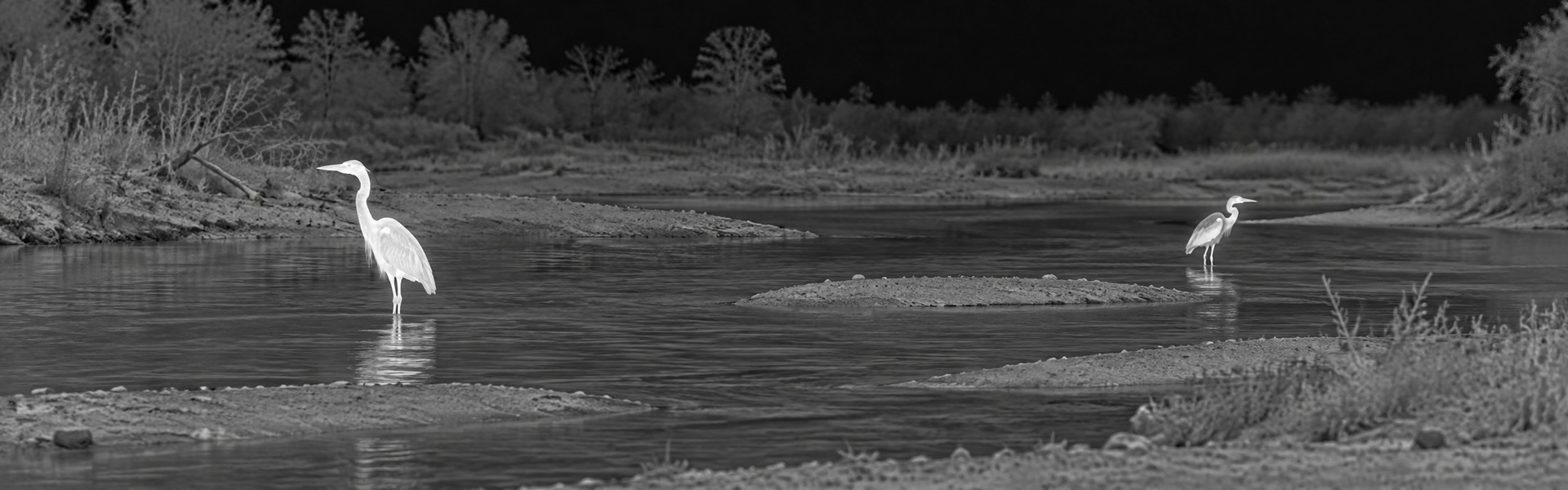
A thermal monocular for guided night-nature sessions should be easy to hold, explain and store between observations. Choose field coverage and close focus for the actual location, and test controls with the intended strap and gloves. Keep thermal discovery separate from optical identification, especially when several animals overlap or remain partly hidden.
Thermal Monocular Handling Starts Before the Group Arrives
An astronomy organizer adding wildlife observation to an evening session needs a simple sequence rather than an extensive feature tour. Choose a fixed observation area and clear landmarks, then check which controls visitors will need. first-time monocular viewing priorities should cover focus and a readable native image before magnification.
Try the case, strap and grip with the hand that will hold the viewer. Some strap attachments support repositioning and others do not. portable wildlife monocular selection should not assume that a symmetrical-looking body suits every user. Practice receiving the device back safely when the next observer takes a turn.
Coverage Helps the Audience Find the Same Scene
A wide view can retain landmarks and make transfer between observers easier. A narrow long-lens view may show more target scale while increasing the search effort. focal length and field-of-view principles provides context for that choice. Use the actual field width at your normal distance rather than maximum zoom as the starting point.
Compare monocular features for farm-edge viewing where fences and trees form reference points. detector and lens tradeoffs in handheld viewers also matters for small birds or distant animals. Coverage does not remove concealment: a canopy can contain a strong patch while leaves hide the shape needed for identification.
A Steady, Accessible Grip Is a Real Feature
Focus, palette and recording controls should remain reachable without loosening the grip. A larger approved battery can change balance as well as endurance. Try it in the normal position rather than weighing the empty housing. A carrying strap can reduce accidental loss, but it does not guarantee a steady frame.
Include budget monocular handling checks in a practical demonstration. affordable viewer usability expectations should be evaluated without assuming every unit accepts the same tripod adapter. Use only a supported thread or accessory if the session needs a fixed view. A clamp that physically fits can still load the optics or cover controls.
| Question |
What to examine |
Decision |
| Before sharing |
Strap, grip and simple controls |
Keep transfer safe and repeatable |
| While searching |
Coverage and familiar landmarks |
Avoid excessive base enlargement |
| While explaining |
Exposed outline and optical confirmation |
Record uncertain identity honestly |
| After a wet session |
Exterior, covers and separate fabric drying |
Do not store damp equipment enclosed |
Explain Heat Discovery Without Turning It Into Certainty
Thermal viewing displays detected infrared differences, with infrared radiation background as a useful reference. Exposed animals can contrast with the surroundings, but a group of overlapping bodies is not a dependable count from one image. Cold conditions can improve contrast while leaving hidden locations completely unseen.
Use wildlife identification limits for thermal viewers to explain what the group found. visible optics alongside thermal discovery can provide markings and other detail when conditions allow. If a shape remains unidentified, say so. Thermal observation is not a guarantee of locating a pet, identifying a bird or seeing an animal beneath water.
Keep the Device and Case Dry Between Sessions
A wet evening requires more than closing the case. Inspect covers and dry the exterior with the supported method, then let damp fabric dry separately. Do not place a wet strap against the viewer for storage. An environmental rating applies under its stated conditions, not to every arrangement with a connector open.
Use thermal optics maintenance and ownership checks to confirm appropriate cleaning and battery handling. outdoor thermal viewing routines should include time for normal file stopping and safe storage. Avoid improvised heaters, unsupported cleaning liquids or opening a wet compartment to investigate a fault during the session.
Choose Equipment Around the Shared Session
A two-eye viewer might suit a long stationary watch but can require repeated eyepiece adjustment for each visitor. A supported external feed may help, though channel and delay need verification. Decide whether shared comfort or fast handheld transfer is more important. Keep the main instructional sequence short and repeatable.
Compare binocular observation for longer sessions without treating more equipment as automatically better. Review the thermal optics collection with a list of essential handling outcomes. Confirm return terms before an outdoor demonstration, and keep original recordings separate from any claims about the exact species or number of animals observed.
Choose the viewer that supports an understandable, steady and responsible shared session. Practical handling and storage can matter more than another menu feature. Keep the original evidence and show visitors why thermal discovery and confident identification are different outcomes.