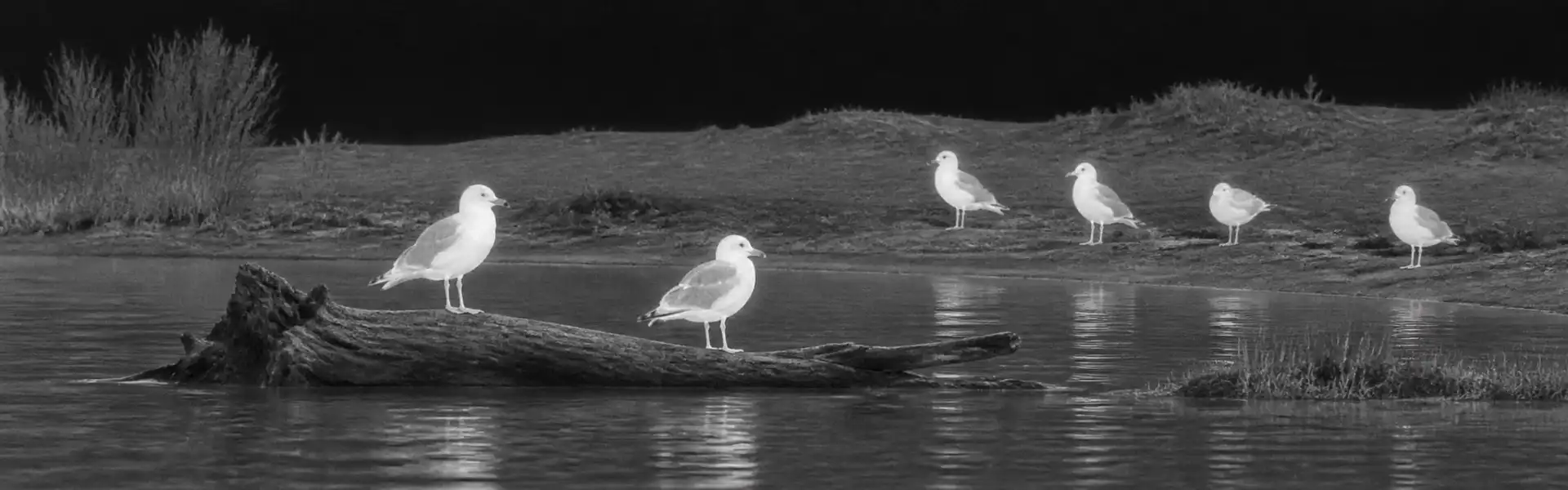
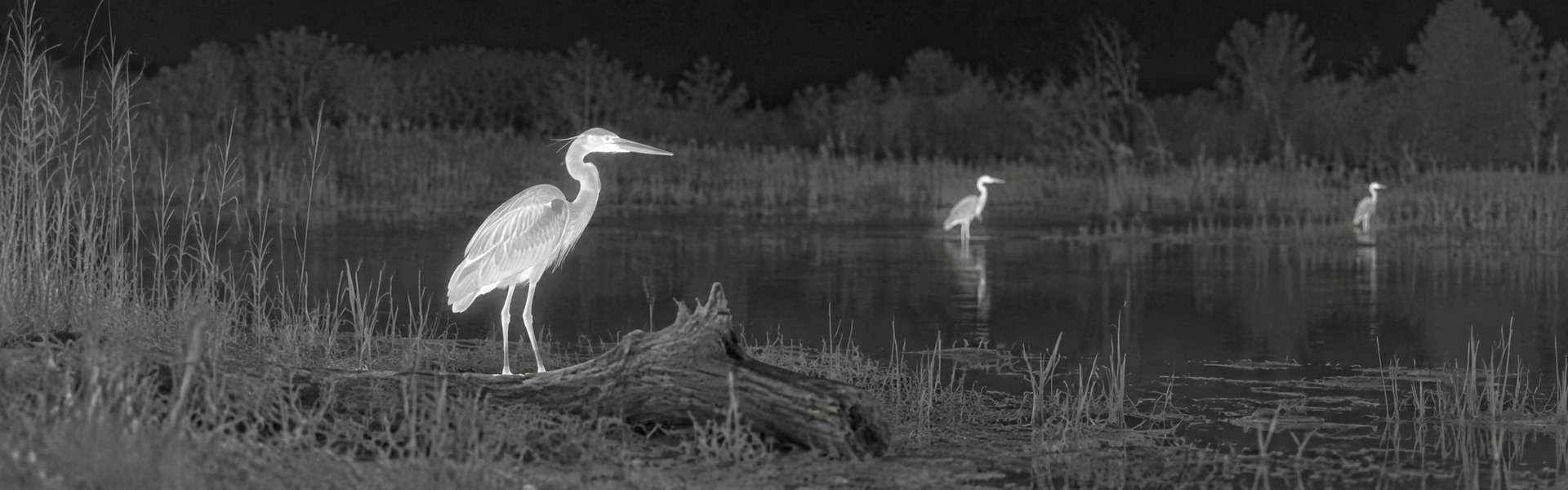
The best budget thermal monocular for a campsite should provide an interpretable view and a dependable way to retain it. Prioritize native detail at your ordinary distance, easy recording controls and documented file export before optional wireless functions. Budget value depends on the complete kit; this guide does not claim a current price winner.
Best Budget Thermal Monocular Value Begins With the Record You Need
A wildlife tour guide may need to show clients a brief exposed animal without disturbing it. Decide whether a location note is enough or whether an original clip must be retained. practical budget monocular priorities are stronger than a comparison based on the biggest advertised zoom setting.
Use matching a thermal viewer to its real task to define the near and far observations. Ask for native thermal resolution separately from display and export dimensions. A larger saved file does not establish more genuine detector detail. The valuable low-cost option is one that answers the intended task reliably, not one promoted as universally best without original evidence or complete kit information.
Try Note-Taking and Recording Together
A guide often needs one hand for a notebook, a phone or another ordinary tool. Test whether focus and record controls remain reachable in the intended grip. first-time monocular operation checks should include starting, stopping and confirming a saved clip without repeatedly looking through menus.
Review field handling needs for outdoor observation with the real strap and battery fitted. A supported steady position can improve repeatability but does not add native samples. Keep the observer stationary when attention is on the display. An equipment routine should make the record easier to keep, not encourage movement through a campsite using only thermal imagery.
Judge Export Before Paying for Wireless Extras
Ask to copy an actual thermal file through the documented local route, then inspect it on the equipment you will use afterward. affordable thermal recording expectations should distinguish original files from compressed previews and phone screenshots.
Use thermal versus visible recording evidence if another channel supplies confirmation. The different signals behind infrared images explain why the two views cannot share a detector specification. Wireless connectivity does not prove app compatibility, offline operation or simultaneous recording and streaming. A simple direct export may be preferable if it keeps the original usable without relying on an undocumented service or subscription.
| Question | What to examine | Decision |
|---|
| Record needed | Field note or original thermal clip | Buy the required workflow |
| Local export | Real file copied through documented route | Do not rely only on a stream preview |
| Field coverage | Closest opening and far target | Avoid maximum-zoom selection |
| Complete budget | Exact variant, accessories and current terms | Confirm the orderable kit |
Keep the Campsite Background in View
A narrow lens may show a distant animal larger but make a nearby campsite opening difficult to scan. lens focal length and field coverage explains this tradeoff without determining a universal recognition distance. Compare the ordinary observation width before adding digital enlargement.
Review thermal outdoor background conditions and thermal discovery with visible confirmation when an animal is partly hidden. Mesh, vegetation and solid structures can restrict the sightline. A cat-sized body near a warm background may be hard to separate; thermal observation is one aid, not a guarantee of finding an animal. Maintain respectful, authorized observation rather than pursuing a clearer image.
Buy Supported Care and Power, Not a Rugged Slogan
Confirm whether covers must be closed for the protection claim and which cleaning and power accessories are approved. An impact can affect optics even when the housing looks intact. monocular construction and ownership tradeoffs should include support for persistent image changes, not improvised repair steps.
Compare correction and image-processing fundamentals when a device promises fewer interruptions. Shutterless processing does not mean no compensation or no possible drift. Request representative moving footage and the documented correction routine. A rangefinder measures a distance independently of thermal image detail; its presence cannot replace evidence that the recording resolves the animal feature you need.
Compare the Basket With the Exact Unit Demonstrated
A reviewed package and an orderable variant may have different lenses, batteries, recording functions or supplied parts. Obtain an exact written configuration before payment. Current prices and kit terms need checking at the time of purchase rather than being inferred from an old review.
Use supplier questions for thermal equipment and the thermal optics product collection to assemble a practical shortlist. Leave undocumented sensor, firmware and certification information unconfirmed. Budget guidance is most useful when it exposes necessary costs and missing evidence. Choose the documented observation workflow you can support, not a collection of uncertain features that prevents you from retaining a useful original clip.
Choose the complete, documented kit that lets you keep the observation you actually need. Test recording and export before optional connectivity, and verify current order terms separately. Affordable equipment is useful when its limits and supported workflow are clear.