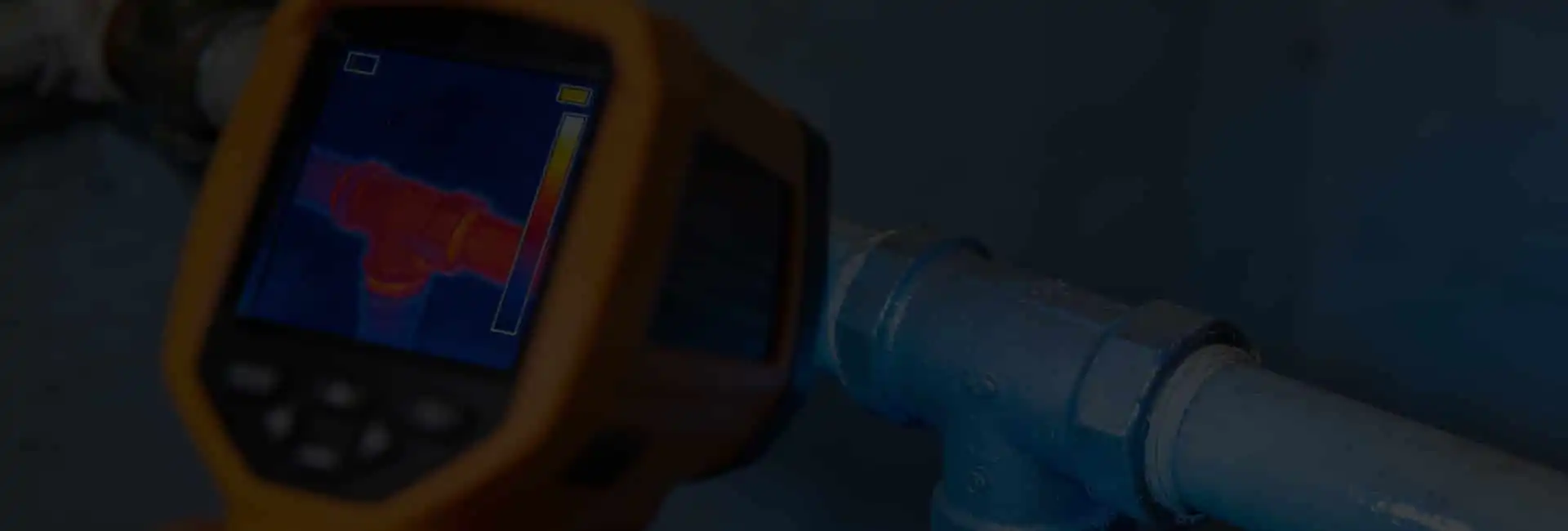
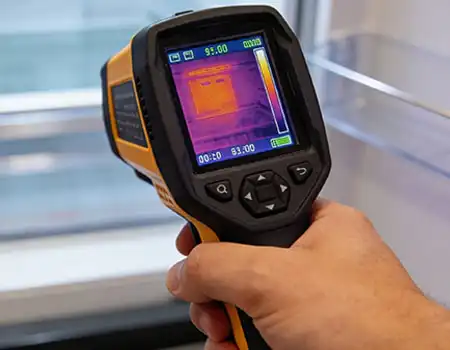
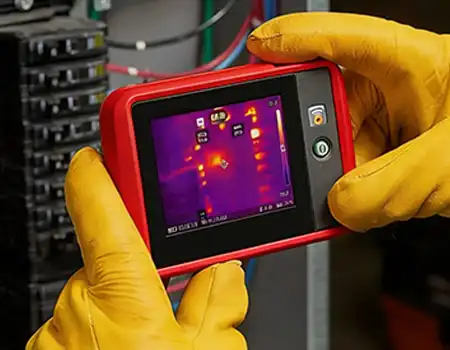
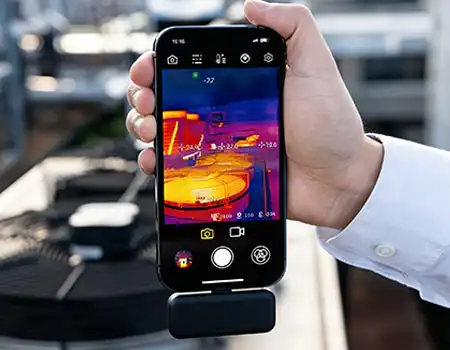
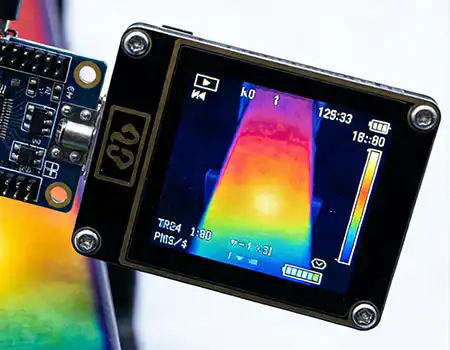
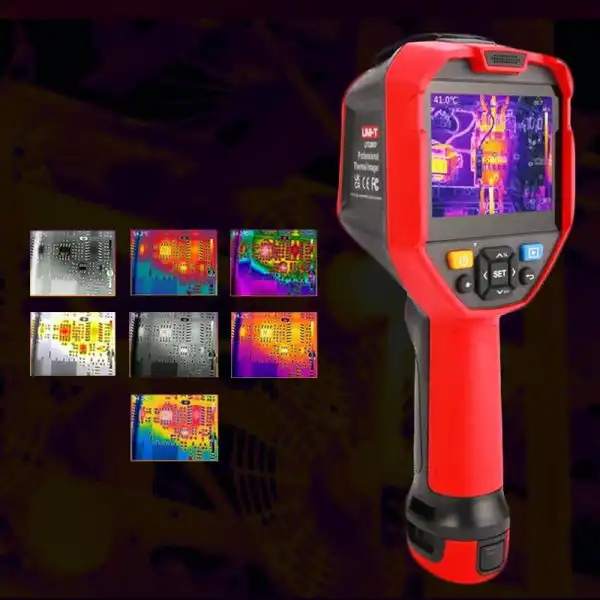
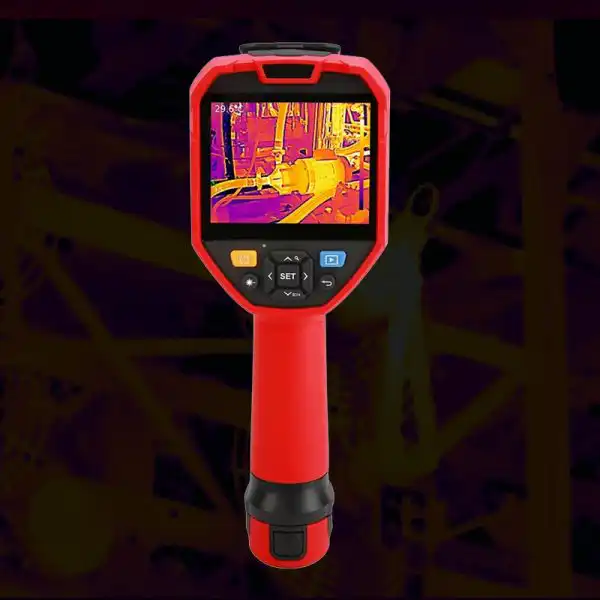
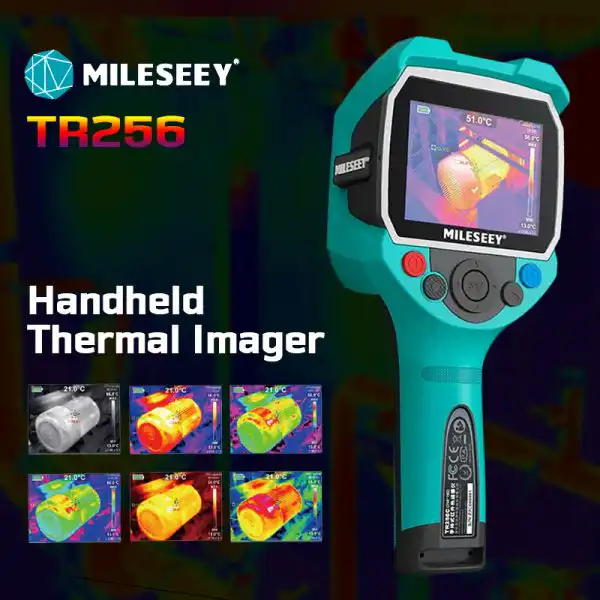
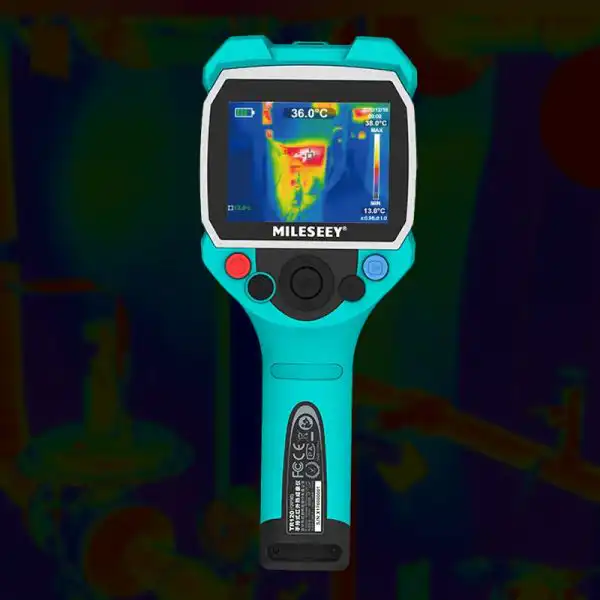
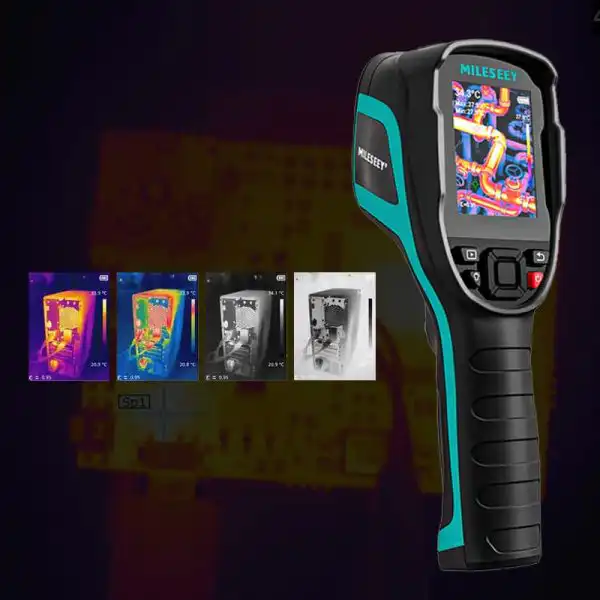
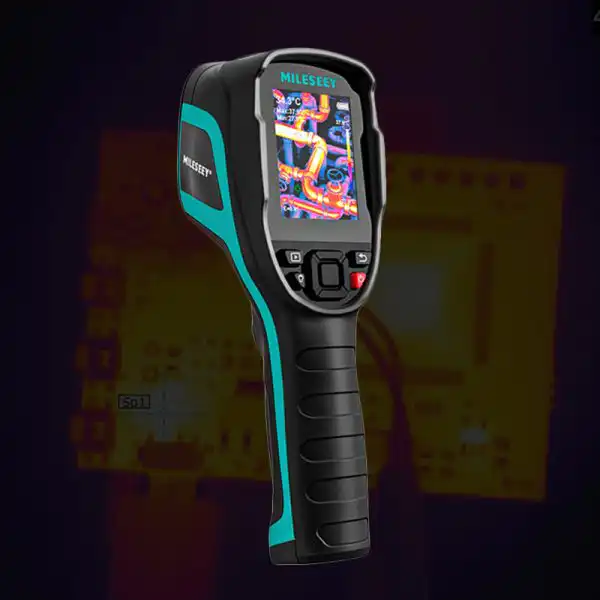
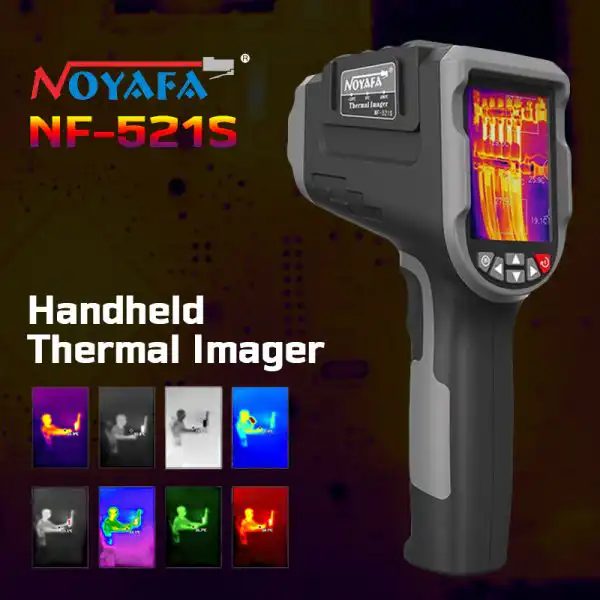
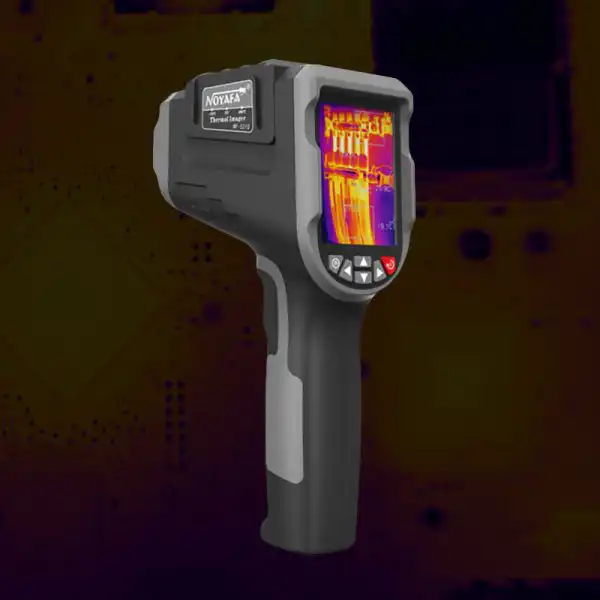
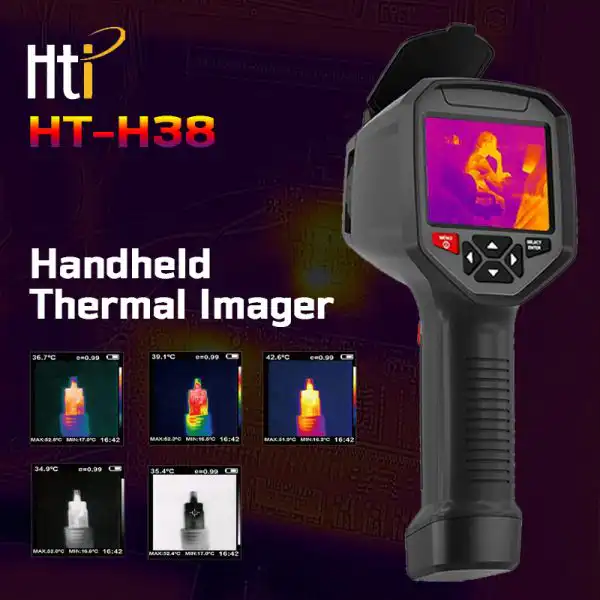
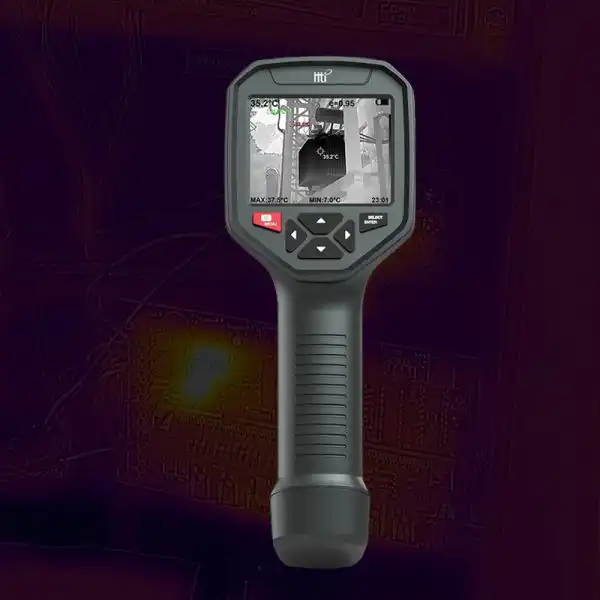
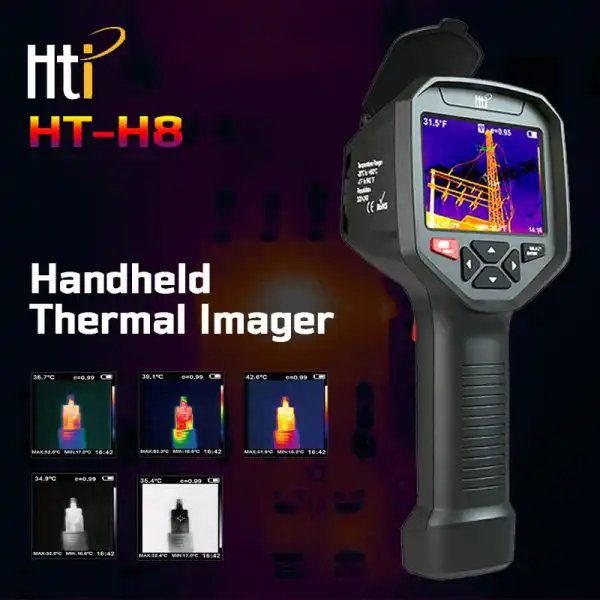
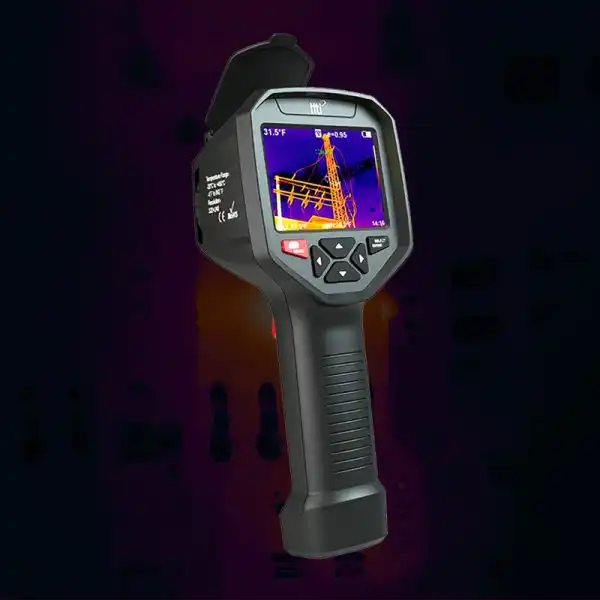
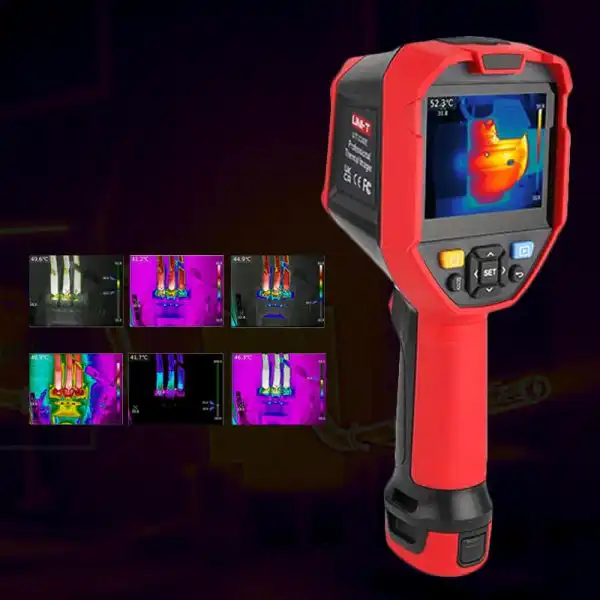
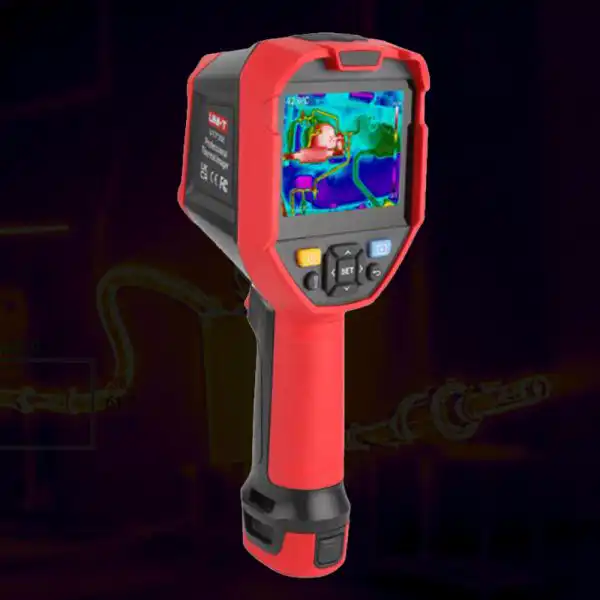
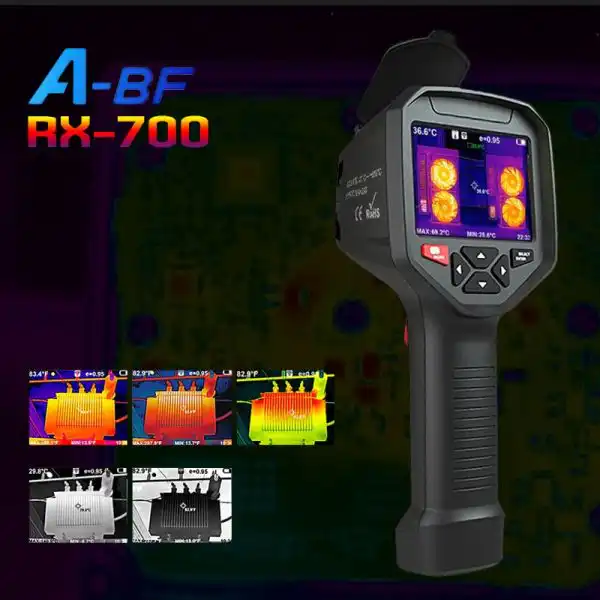
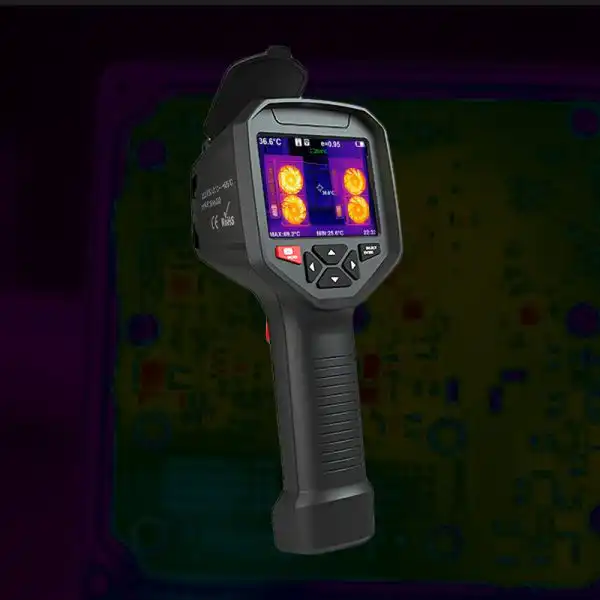
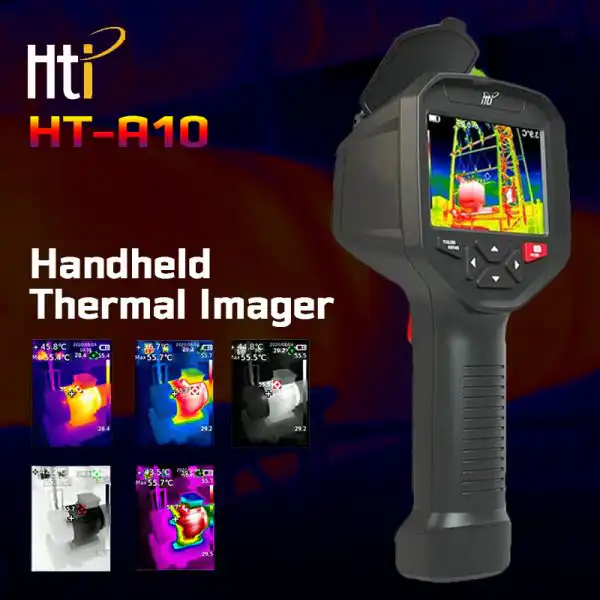
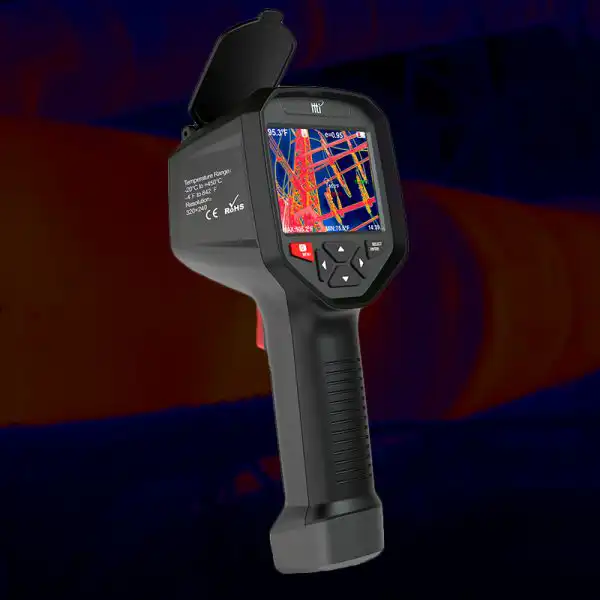
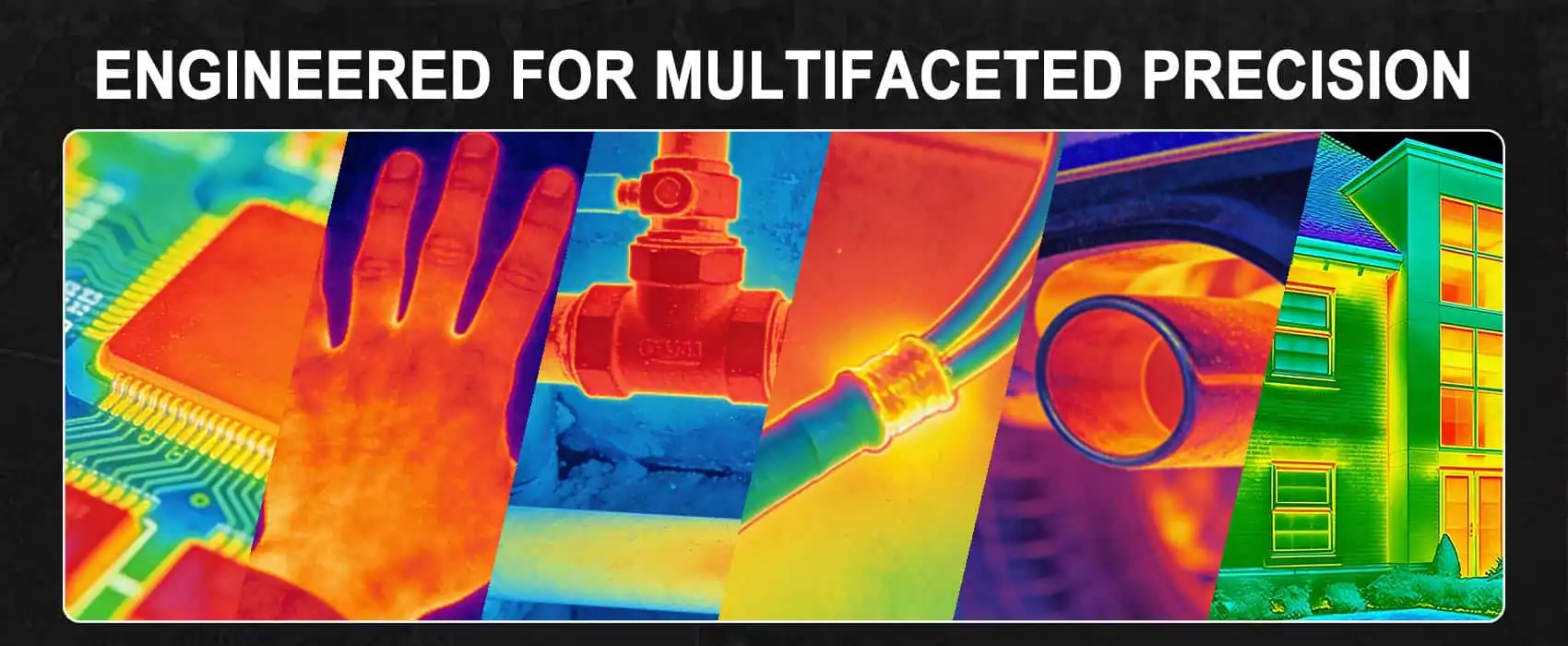
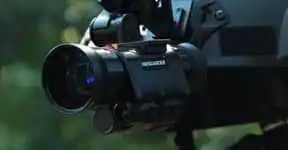
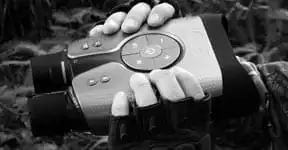
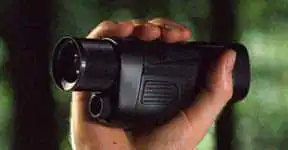
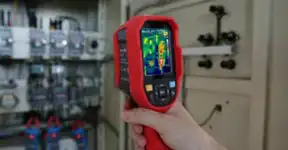
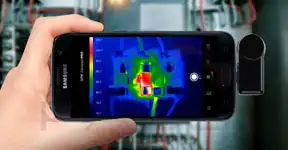
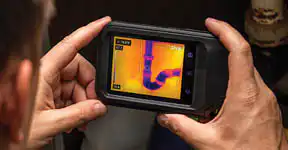
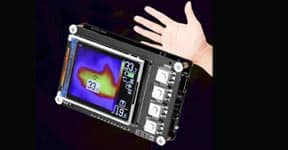
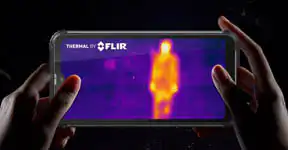
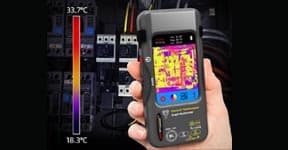
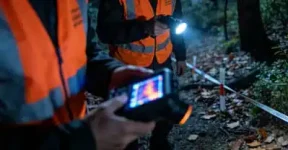
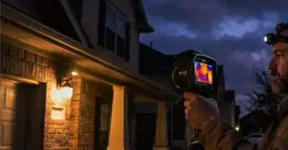
Handheld Thermal Imagers: Handheld thermal imagers are standalone inspection cameras with a built-in display and power supply. They help you compare surface heat patterns during building, HVAC and equipment checks without connecting a phone. Choose the sensor, lens and measurement functions for the target you need to inspect.

Choose a handheld thermal imager for repeat inspection rounds and direct access to camera controls. Start with target size and working distance, then compare thermal resolution, focus, temperature range and reporting. Grip, screen visibility and battery replacement also matter during longer sessions.

  • Define the task: consider target size, working distance and the detail you need.
  • Compare like for like: check native thermal resolution, focus and stated accuracy separately.
  • Check your workflow: confirm compatibility, power, storage and reporting before ordering.

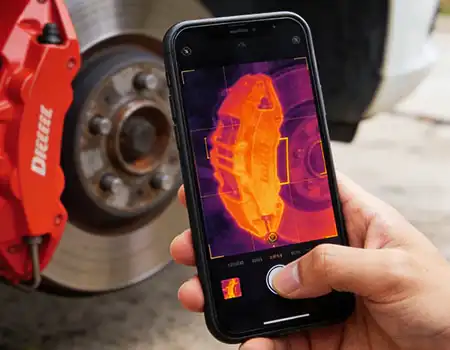
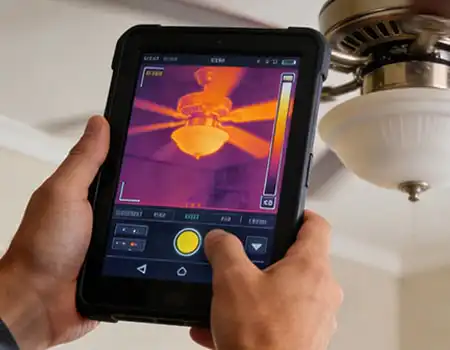
Looking for a different setup? Compare smartphone thermal cameras, thermal imager multimeters, thermal imaging rugged tablets.

Shop Handheld Thermal Imagers

Match the sensor, lens and measurement range to your inspection

Compare Standalone Inspection Cameras

Check handling, battery options and report formats

Handheld Thermal Imagers: Features That Matter

Choose a handheld thermal imager for repeat inspection rounds and direct access to camera controls. Start with target size and working distance, then compare thermal resolution, focus, temperature range and reporting. Grip, screen visibility and battery replacement also matter during longer sessions.

  • Detector Resolution: Compare native thermal pixels with target size and working distance. Display resolution and digital zoom do not add detector detail.
  • Thermal Sensitivity: Check NETD under comparable conditions. Lower values indicate sensitivity to smaller differences, not automatically better absolute temperature accuracy.
  • Range & Accuracy: Check both measurement range and accuracy specifications. Review ambient conditions and settings required for meaningful readings.
  • Focus Control: Compare fixed, manual or automatic focus for your tasks. Check minimum focus distance when inspecting small or nearby parts.

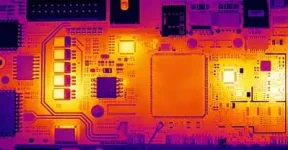
Thermal cameras show surface heat patterns, not a view through walls. Temperature readings depend on focus, surface emissivity, reflected radiation and the stated measurement conditions. Confirm a suspected fault with suitable follow-up inspection. For technical background, read FLIR’s explanation of emissivity and reflected temperature.

Buying Handheld Thermal Imagers with Confidence

Choose handheld thermal imagers by checking the exact model and package, not only a headline specification. Product listings show the available versions, current prices and stated features.

Ask us to confirm compatibility and package contents before ordering. Include your intended task, target size and required software so the questions can be checked against the selected model.

Review our shipping information, warranty policy and return terms. Coverage and exclusions depend on the applicable policy and product.

Customer Experiences

Consider customer experiences alongside exact model specifications

Practical Benefits of Handheld Thermal Imagers

Compare the specifications and requirements of your intended task

Handheld Thermal Imagers can support a clearer inspection record when the equipment and procedure match the task.

  • Building inspection: Look for surface patterns associated with insulation or air leakage, then verify the cause using appropriate follow-up checks.
  • HVAC maintenance: Compare accessible heating and cooling components under known operating conditions to guide further investigation.
  • Equipment monitoring: Save repeat observations of motors or bearings to support condition tracking, not an automatic fault diagnosis.
  • Electrical inspection: Qualified personnel can use thermal observations within an approved inspection procedure; thermal images do not establish electrical safety.

For another workflow, compare smartphone thermal cameras. Electrical inspection and powered equipment testing require qualified personnel and appropriate safety procedures. Thermal imaging does not establish absence of voltage or replace correctly rated test equipment.

How to Choose Handheld Thermal Imagers

Compare the specifications and requirements of your intended task

Where to Use Handheld Thermal Imagers

  1. Building inspection: Look for surface patterns associated with insulation or air leakage, then verify the cause using appropriate follow-up checks.
  2. HVAC maintenance: Compare accessible heating and cooling components under known operating conditions to guide further investigation.
  3. Equipment monitoring: Save repeat observations of motors or bearings to support condition tracking, not an automatic fault diagnosis.
  4. Electrical inspection: Qualified personnel can use thermal observations within an approved inspection procedure; thermal images do not establish electrical safety.

Thermal cameras show surface heat patterns, not a view through walls. Temperature readings depend on focus, surface emissivity, reflected radiation and the stated measurement conditions. Confirm a suspected fault with suitable follow-up inspection.

Need Help?

Our dedicated team is ready to assist you with any issues before,during,or after your purchase,If you have any questions,please feel free to reath out:

Handheld Thermal Imagers: Buying Questions

Compare the specifications and requirements of your intended task
What are handheld thermal imagers?


Handheld thermal imagers are standalone inspection cameras with a built-in display and power supply. They help you compare surface heat patterns during building, HVAC and equipment checks without connecting a phone. Choose the sensor, lens and measurement functions for the target you need to inspect.

Should I choose handheld or phone-connected imaging?


Choose a standalone camera for independent controls and a dedicated display. A compatible phone attachment can suit a smaller kit. Compare equivalent sensor and measurement specifications.

How much thermal resolution do I need?


Consider the smallest target and working distance. More pixels can help, but focus, lens choice and measurement spot size also determine usable detail.

Does lower NETD mean more accurate temperature readings?


Not necessarily. NETD describes sensitivity to small temperature differences. Absolute accuracy is a separate specification with its own test conditions.

Can it find moisture inside a wall?


A camera shows surface temperature patterns, not moisture directly or a view through the wall. Confirm suspected moisture with an appropriate meter and inspection.

Do I need manual focus?


Focus requirements depend on target size and distance. Check the minimum focus distance and whether fixed, manual or automatic focus suits your inspection.

Can I transfer images for a report?


Review USB, wireless and software support for the exact model. Confirm radiometric export if you need to adjust measurement points after capture.

Is every handheld model suitable for firefighting?


No. General inspection cameras are not substitutes for purpose-built, appropriately certified firefighting equipment. Choose equipment approved for the intended task.


What affects temperature measurement accuracy?


Focus, target size, surface emissivity, reflected radiation and environmental conditions matter. Follow the stated accuracy conditions and use suitable measurement methods for difficult surfaces.

Can thermal imaging see through walls or ordinary glass?


No. It shows accessible surface heat patterns. Patterns may suggest a problem, but they do not reveal objects behind walls or establish the cause without further inspection.

What should I confirm before placing an order?


Confirm the exact version, required accessories, measurement specifications and software support. Choose a handheld thermal imager for repeat inspection rounds and direct access to camera controls. Start with target size and working distance, then compare thermal resolution, focus, temperature range and reporting. Grip, screen visibility and battery replacement also matter during longer sessions.

What warranty and return terms apply?


Check the selected product and our linked warranty and return policies. Ask about any unclear coverage, exclusions or package details before checkout.

Why Buy From Us?

At THERMAL-IMAGERS.COM, we are dedicated to helping customers find dependable thermal imaging and night vision solutions.

Our platform brings together a wide range of carefully selected devices designed for outdoor exploration, wildlife observation, security monitoring, and professional inspection.

Behind the store is a team of experts and technology enthusiasts who are passionate about thermal imaging and night observation equipment. We carefully select products that deliver reliable performance in real-world environments.

We focus on three simple principles:

Quality Products – We choose devices that offer reliable performance, durability, and practical usability.

Real Expertise in Thermal Imaging
Our team is passionate about thermal imaging and night observation technology. We understand how these devices are used in real environments — from wildlife observation to outdoor exploration and professional inspections.

Customer Satisfaction First – Your satisfaction is our top priority. We aim to provide responsive support and a smooth shopping experience from purchase to delivery.

Our mission is to make advanced imaging technology easier to get and accessible to everyone who needs it.