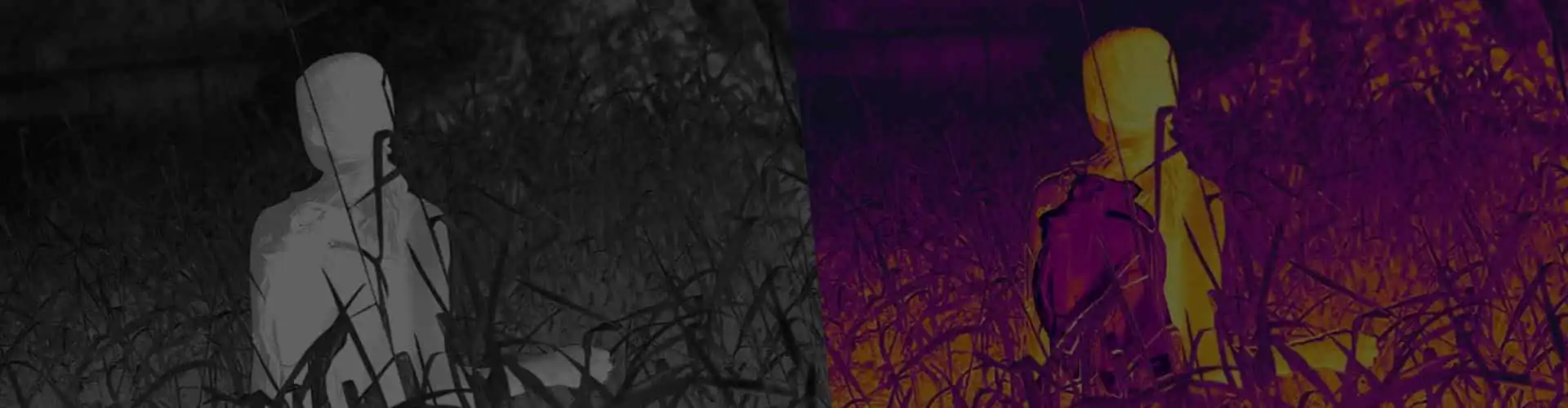
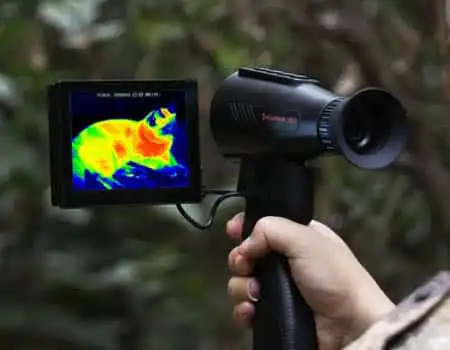
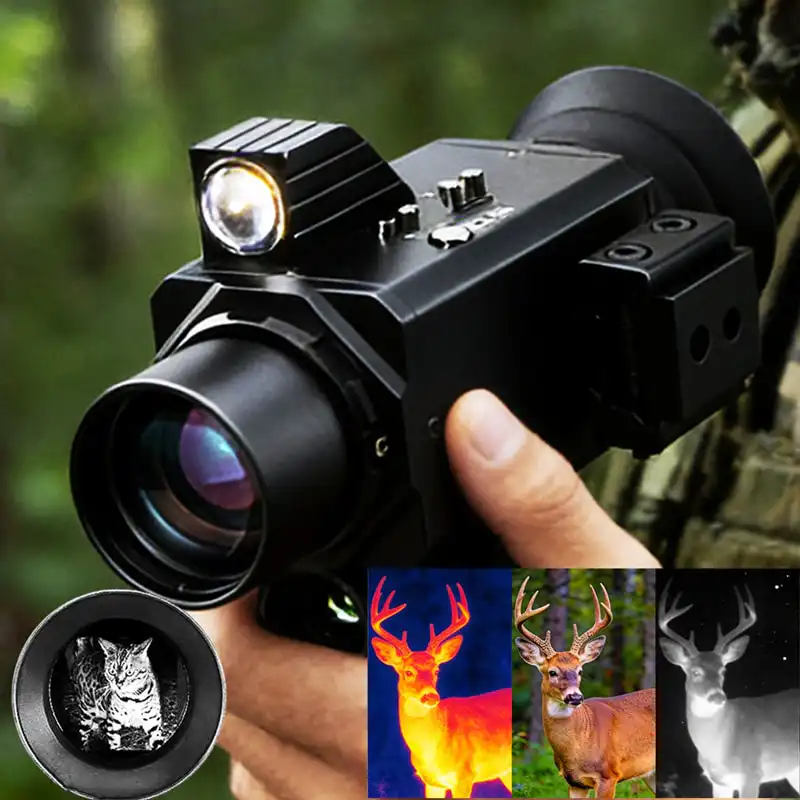
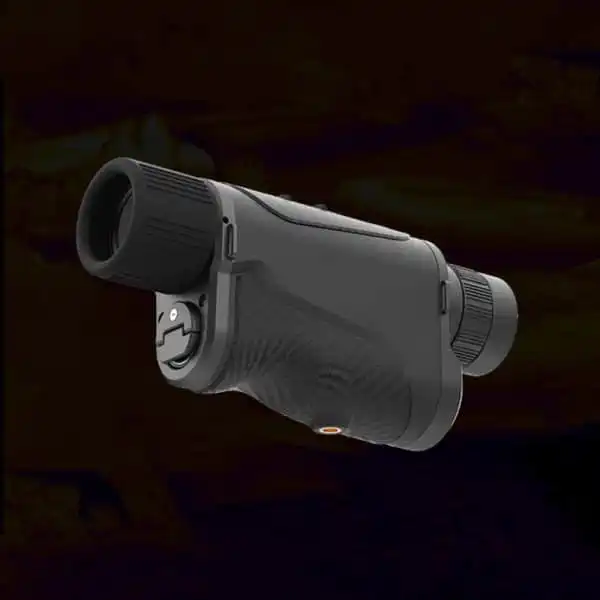
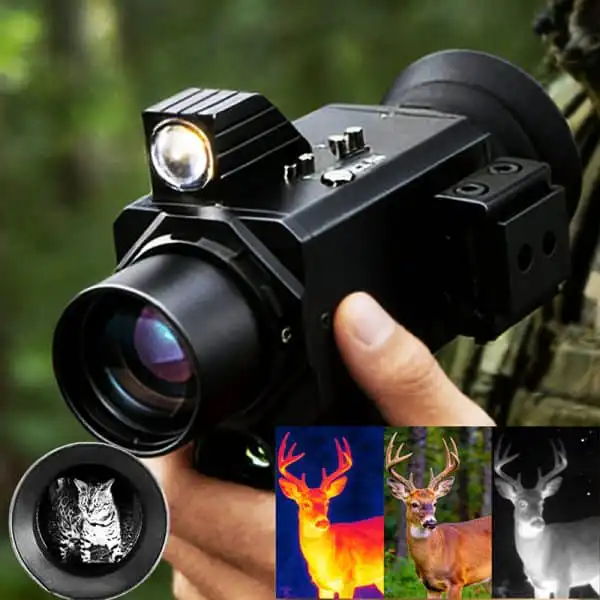
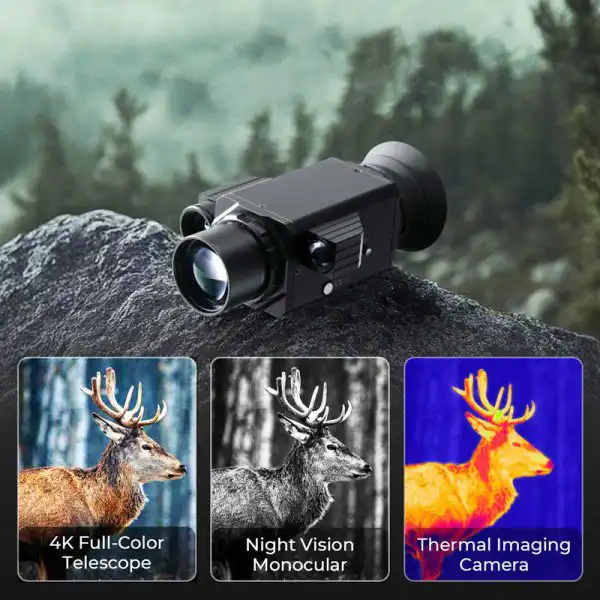
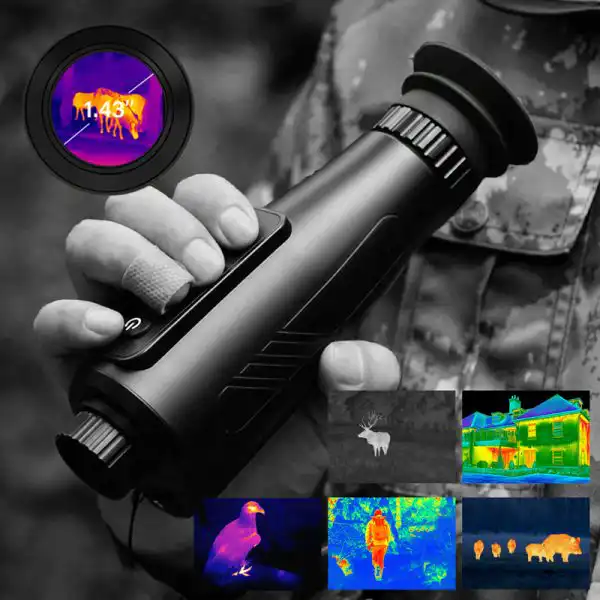
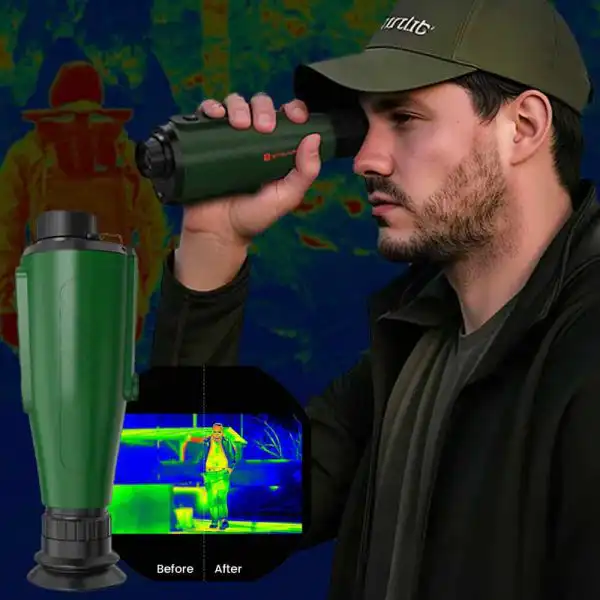
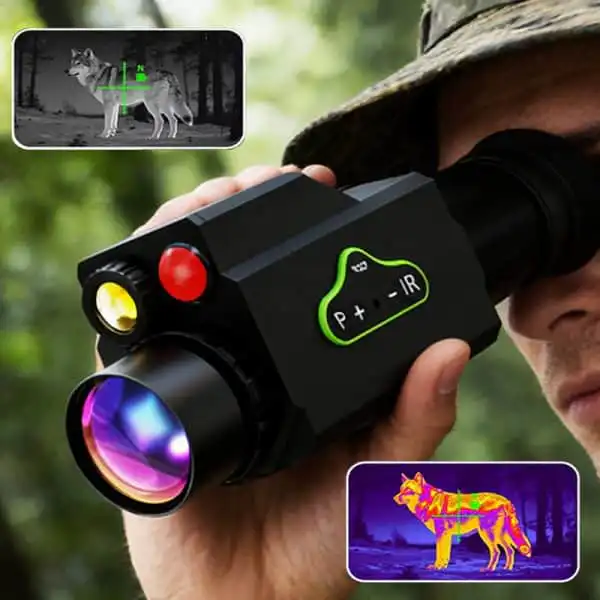
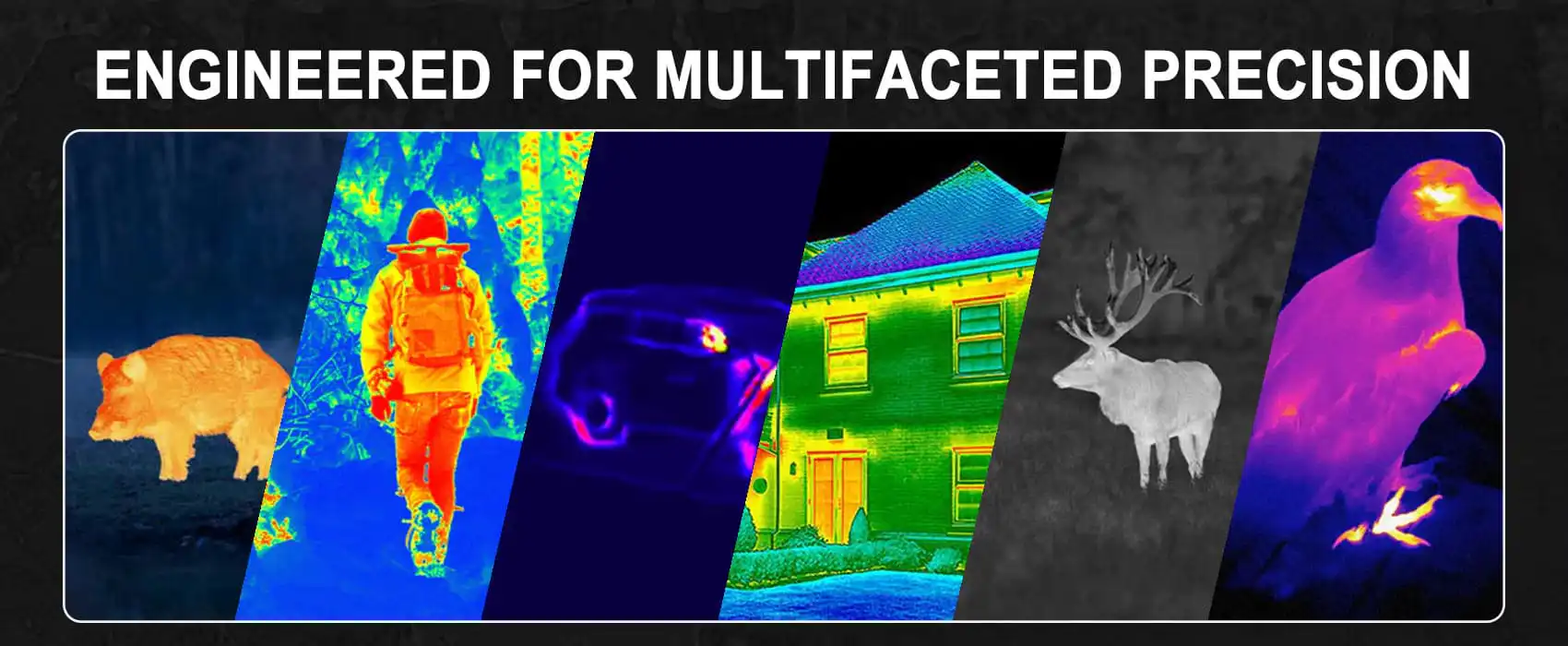
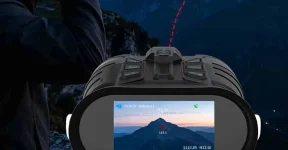
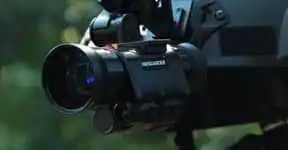
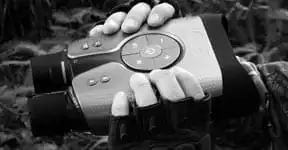
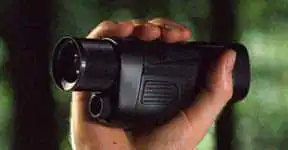
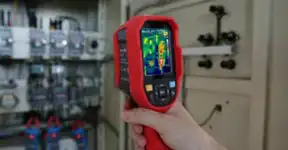
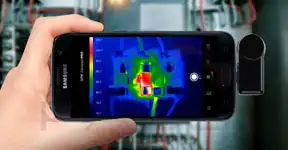
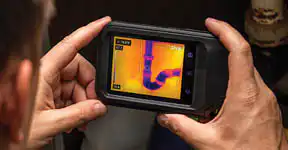
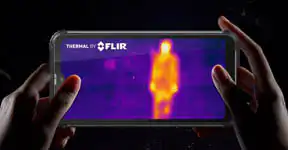
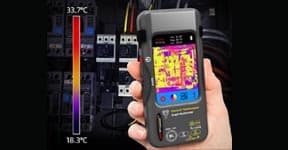
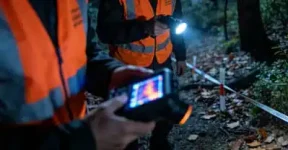
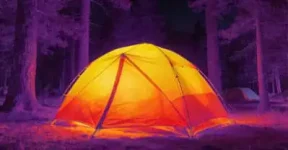
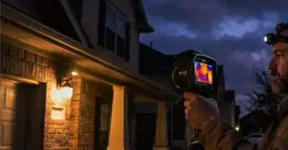
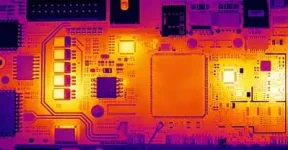
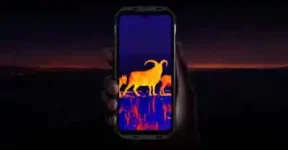
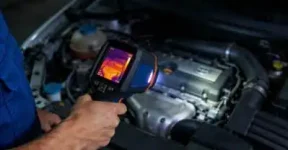
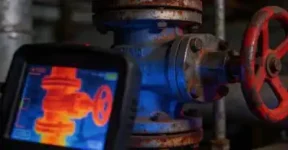
Thermal Night Vision: Thermal night vision detects heat patterns rather than reflected light. Use this collection to compare thermal observation devices and understand how they differ from infrared-assisted digital night vision. Start with the scene you need to observe, then compare sensor detail, field of view and usable detection distance.

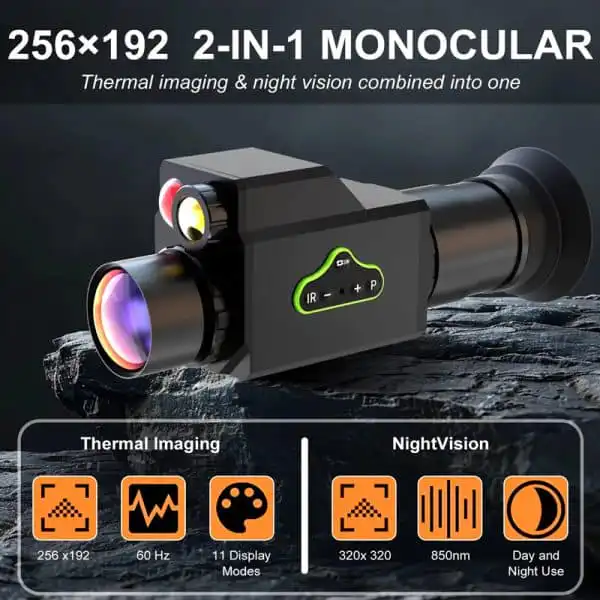
Choose thermal imaging when locating exposed heat sources is your priority. Choose conventional night vision when visible scene detail is more important and suitable light or IR illumination is available. Neither is a universal replacement for the other. A device that combines imaging modes should list the specifications of each mode separately.

  • Match your conditions: consider typical distance, weather and the detail you need to see.
  • Compare the right specifications: distinguish sensor resolution, display resolution and recording size.
  • Check the complete setup: review batteries, memory cards, mounts and charging accessories.
  • Know the limits: Thermal imaging needs no visible light, but it still needs a view of the surface. Walls and ordinary glass block the view of objects behind them. Rain, fog, distance and weak temperature contrast can reduce useful detail.

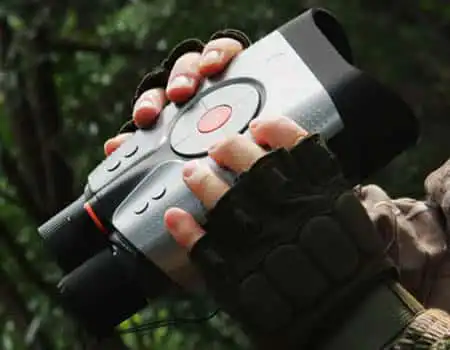
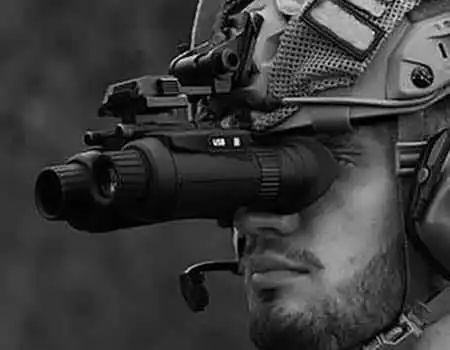
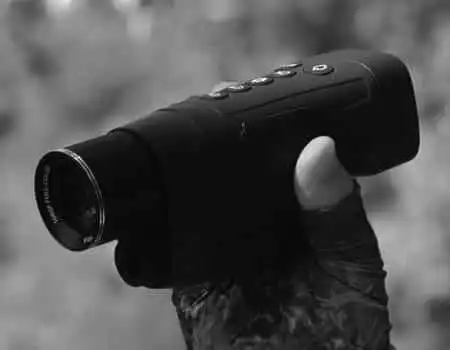
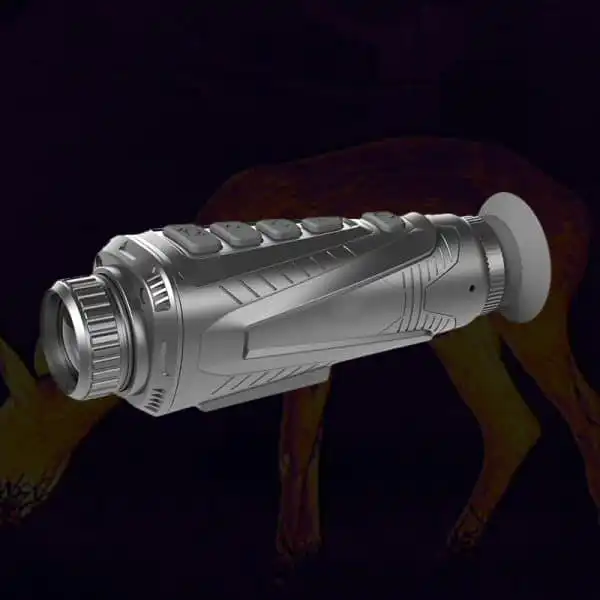
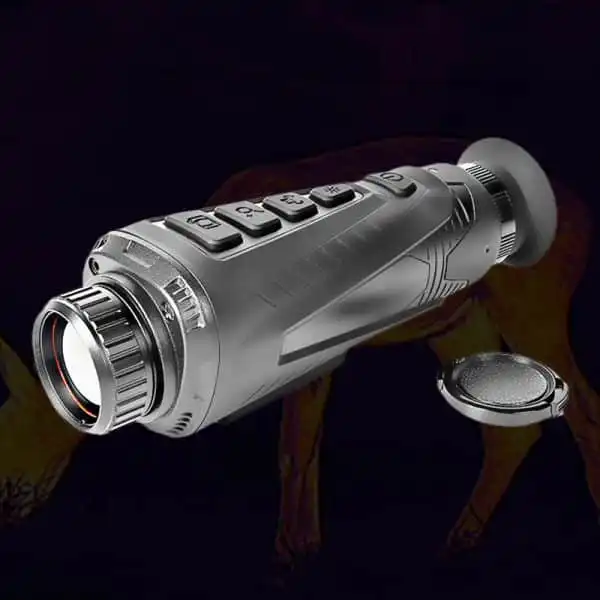
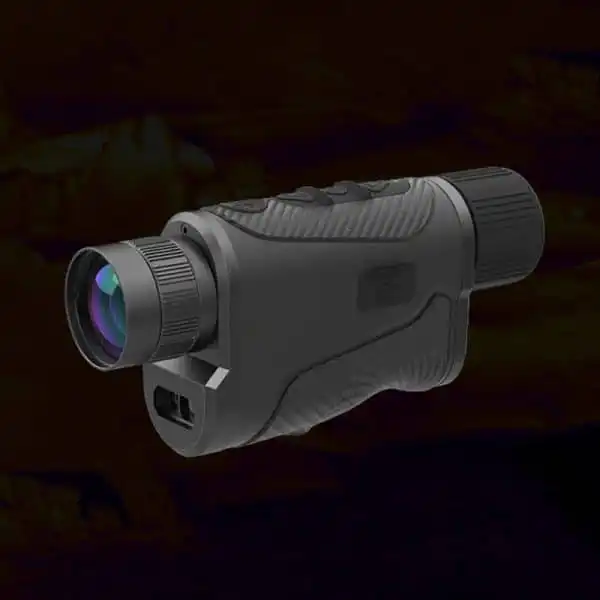
Compare thermal imaging monoculars, night vision binoculars, night vision monoculars to find the right viewing format.

Before ordering, ask about your model and accessories. For background, read FLIR’s guide to thermal imaging limitations.

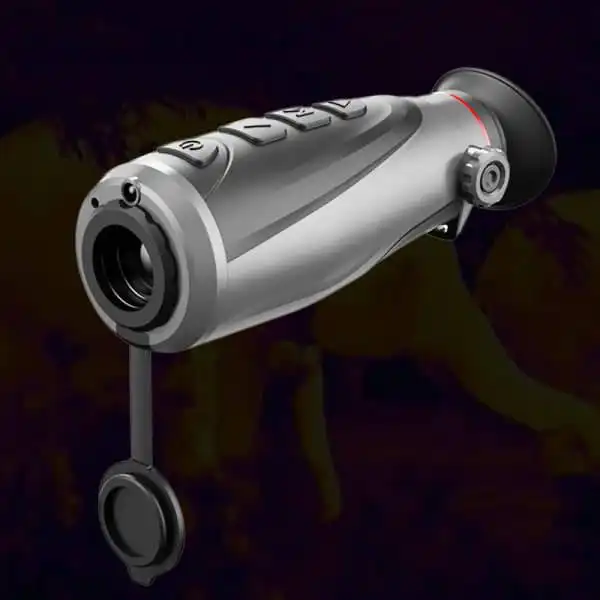
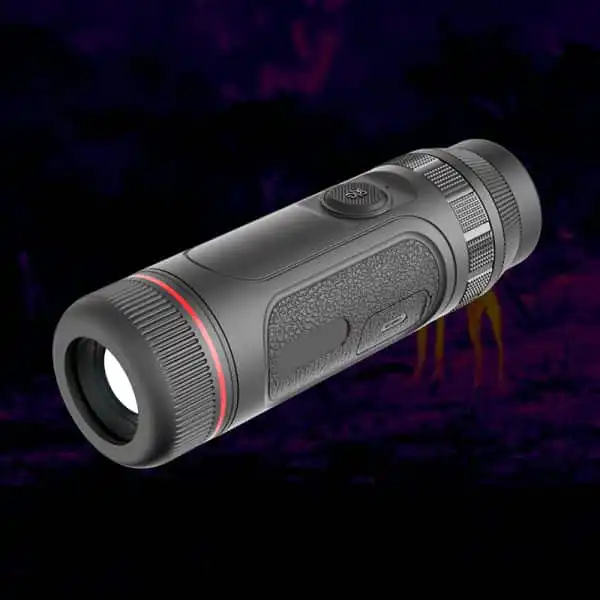
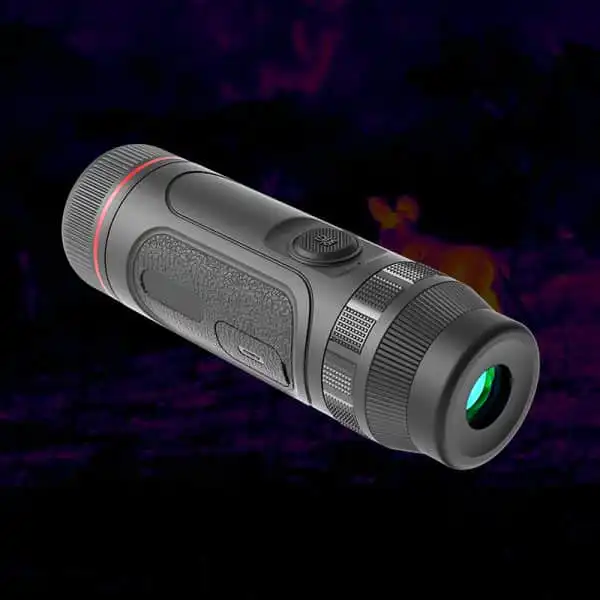
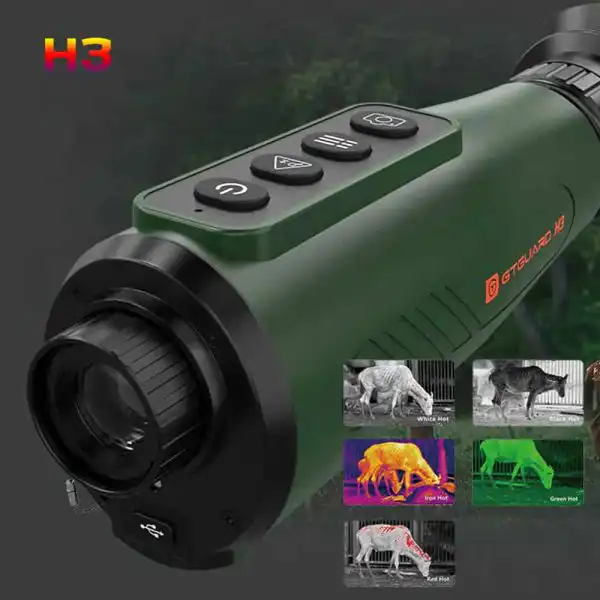
WILDGUARDER 4K Thermal Imaging Monocular 500M Range 60 HZ 296x192px Resolution 9 Color Palettes 7x Zoom 850nm
Latest Release

Featured Thermal Imaging Monocular

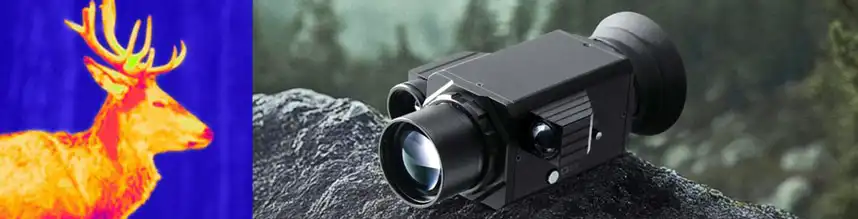
Explore this featured thermal observation device and compare its specifications with your intended use. Check the thermal sensor separately from any visible-light camera or video mode.

Open the product page for the selected version, current price and package contents. Confirm accessories and performance test conditions before ordering.

Thermal detail Compare native sensor resolution, not the 4K recording label.
Viewing range Check target size and conditions; detection differs from identification.
Zoom Compare native magnification and digital enlargement separately.
Modes Confirm which imaging modes and palettes the selected version includes.

Compare Thermal Night Vision

Compare the specifications and accessories for your observation needs
SEE OUR COLLECTION

RECOMMENDED FOR YOU

Compare practical viewing options for your next outdoor session.
Compare Featured Models

Compare Long-Range Thermal Monoculars

Compare native thermal detail and the conditions behind detection-range claims.
Handheld Thermal Vision

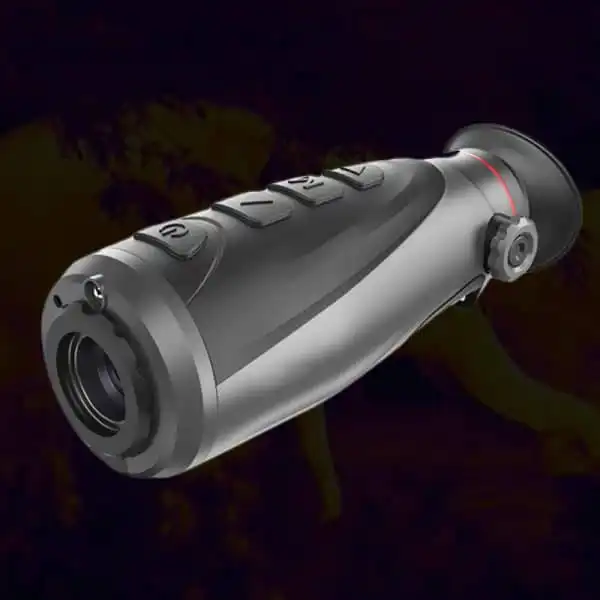
Handheld Thermal Monocular

Experience the heat of the moment with handheld thermal vision

THERMAL-IMAGERS.COM's Thermal Optics: Technologies and Features

Choose thermal imaging when locating exposed heat sources is your priority. Choose conventional night vision when visible scene detail is more important and suitable light or IR illumination is available. Neither is a universal replacement for the other. A device that combines imaging modes should list the specifications of each mode separately.

  • Imaging system: check native thermal resolution, sensitivity and refresh rate.
  • Practical viewing: compare field of view, focus and eyepiece adjustment.
  • Outdoor setup: check weight, weather rating and battery options.
  • Saved observations: verify recording formats, app support and storage where listed.

Thermal imaging needs no visible light, but it still needs a view of the surface. Walls and ordinary glass block the view of objects behind them. Rain, fog, distance and weak temperature contrast can reduce useful detail.

Why Choose Our Thermal Optics?

Choose thermal night vision with a clear understanding of the model and the complete package. Product pages show current prices, available options and listed specifications.

Confirm compatibility and included accessories before checkout. Review shipping information, the warranty policy and return terms for applicable coverage and exclusions.

Not sure about the viewing format? Compare thermal imaging monoculars before deciding.

Customer Experiences

Read experiences alongside the specifications of the exact model you are considering

Benefits of Thermal Optics

Compare practical specifications for your viewing needs
  • Purposeful observation: locate visible heat patterns without relying on visible illumination.
  • Flexible choices: compare viewing comfort, size and controls for your typical session.
  • Useful records: save observations on models with recording support.
  • Informed expectations: choose for your usual conditions, not only the largest advertised number.

Thermal imaging needs no visible light, but it still needs a view of the surface. Walls and ordinary glass block the view of objects behind them. Rain, fog, distance and weak temperature contrast can reduce useful detail.

How To Choose The Best Thermal Optics?

Compare practical specifications for your viewing needs

Practical Uses for Thermal Night Vision

Responsible outdoor observation
  1. Wildlife observation: observe from a safe distance and avoid disturbing animals.
  2. Campsite checks: view exposed surroundings from a stationary position; keep ordinary lighting available for movement.
  3. Property observation: check visible areas of your own property while respecting privacy.
  4. Outdoor records: save observations on models that support recording.

Thermal Night Vision should be used within their stated purpose. Consumer viewers are not substitutes for certified aviation, driving or rescue equipment.

Need Help?

Our dedicated team is ready to assist you with any issues before,during,or after your purchase,If you have any questions,please feel free to reath out:

Thermal Night Vision: Buying Questions

FREQUENTLY ASKED QUESTIONS
What is thermal night vision?

Thermal night vision detects heat patterns rather than reflected light. Use this collection to compare thermal observation devices and understand how they differ from infrared-assisted digital night vision. Start with the scene you need to observe, then compare sensor detail, field of view and usable detection distance.

Does thermal imaging need visible light?

No. The thermal sensor detects emitted infrared radiation, so visible illumination is not required. Useful detail still depends on temperature contrast, distance and the scene.

How is detection different from identification?

Detection means noticing a heat source. Identification requires enough detail to determine what it is. Do not treat a maximum detection claim as a guaranteed identification distance.

Can thermal imaging see through walls or glass?

No. Walls and ordinary glass prevent a view of objects behind them. Reflections and surface heat can influence the image, so interpret it carefully.

What does a 4K label mean on a thermal device?

Check which component the label describes. It may refer to recording or a separate visible-light mode, not native thermal sensor resolution. Compare each specification separately.

Does fog or rain affect the image?

Yes. Atmospheric conditions and weak temperature contrast can reduce detail and useful distance. Thermal performance is not identical in every weather condition.

Can I use a thermal viewer during the day?

Thermal imaging does not depend on visible light. Follow the manual’s operating limits and lens-protection guidance; do not point the optics at the sun.

Which features matter most for portable use?

Compare native thermal resolution, field of view, focus, weight and battery options. Match the choice to your typical distance and how long you observe.

Can I record or connect a phone?

Recording, storage and app support vary by model. Check supported formats, memory limits and phone compatibility on the selected product page.

Does a thermal viewer measure accurate temperatures?

Not every observation device supports calibrated temperature measurement. If measurement is required, choose equipment with a stated accuracy and appropriate measurement functions.

What accessories should I check before ordering?

Confirm batteries, chargers, cables, carrying cases and mounting parts for the selected version. Ask about any accessory that is not clearly listed.

What warranty and return terms apply?

Review the product listing, warranty policy and return policy for coverage, exclusions and the claim process. Contact us before ordering if a term is unclear.

Why Buy From Us?

At THERMAL-IMAGERS.COM, we are dedicated to helping customers find dependable thermal imaging and night vision solutions.

Our platform brings together a wide range of carefully selected devices designed for outdoor exploration, wildlife observation, security monitoring, and professional inspection.

Behind the store is a team of experts and technology enthusiasts who are passionate about thermal imaging and night observation equipment. We carefully select products that deliver reliable performance in real-world environments.

We focus on three simple principles:

Quality Products – We choose devices that offer reliable performance, durability, and practical usability.

Real Expertise in Thermal Imaging
Our team is passionate about thermal imaging and night observation technology. We understand how these devices are used in real environments — from wildlife observation to outdoor exploration and professional inspections.

Customer Satisfaction First – Your satisfaction is our top priority. We aim to provide responsive support and a smooth shopping experience from purchase to delivery.

Our mission is to make advanced imaging technology easier to get and accessible to everyone who needs it.