A Thermal Monocular for Hunting Still Needs a Defined Viewing Task
An outdoor guide may see a small animal cross an opening for only a moment. Decide whether the intended record is an activity event, a direction of travel or a recognizable body feature. Those tasks demand different evidence. matching a monocular to a wildlife task prevents a long-range label from becoming an unsupported identification claim.
Brief bat activity is especially challenging: a small body, rapid movement and a dark background can leave little usable detail. wildlife discovery with a handheld thermal viewer may locate an exposed movement without establishing species. Do not call every fleeting warm shape a bat, and do not promise that a general outdoor monocular is a specialist biological recording instrument.
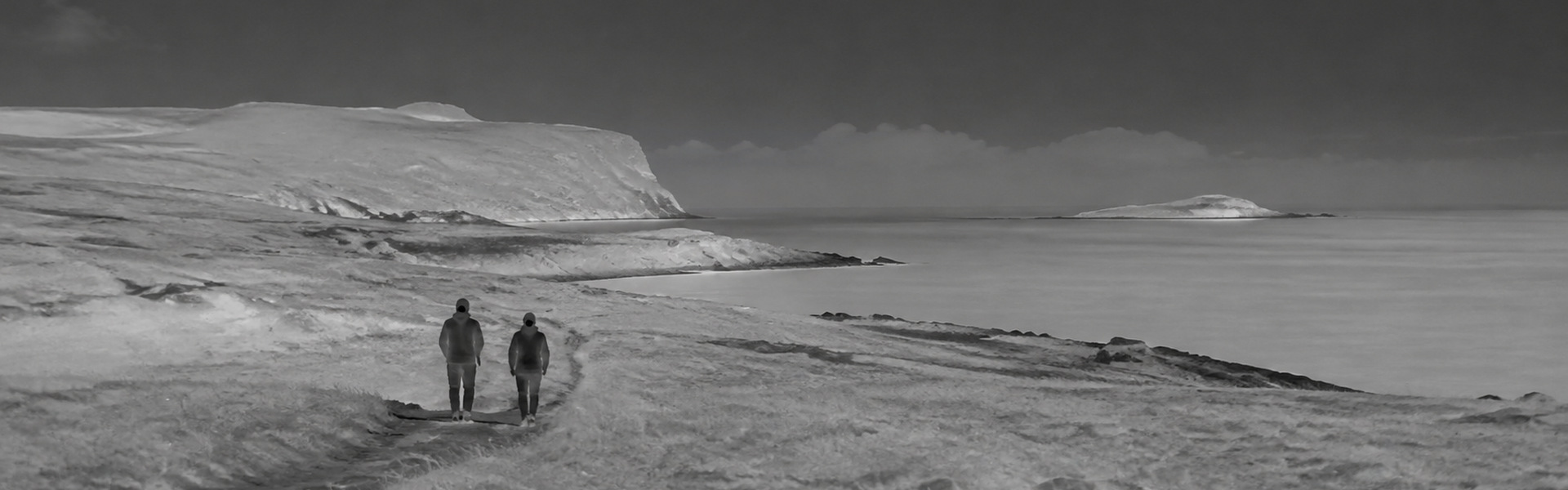
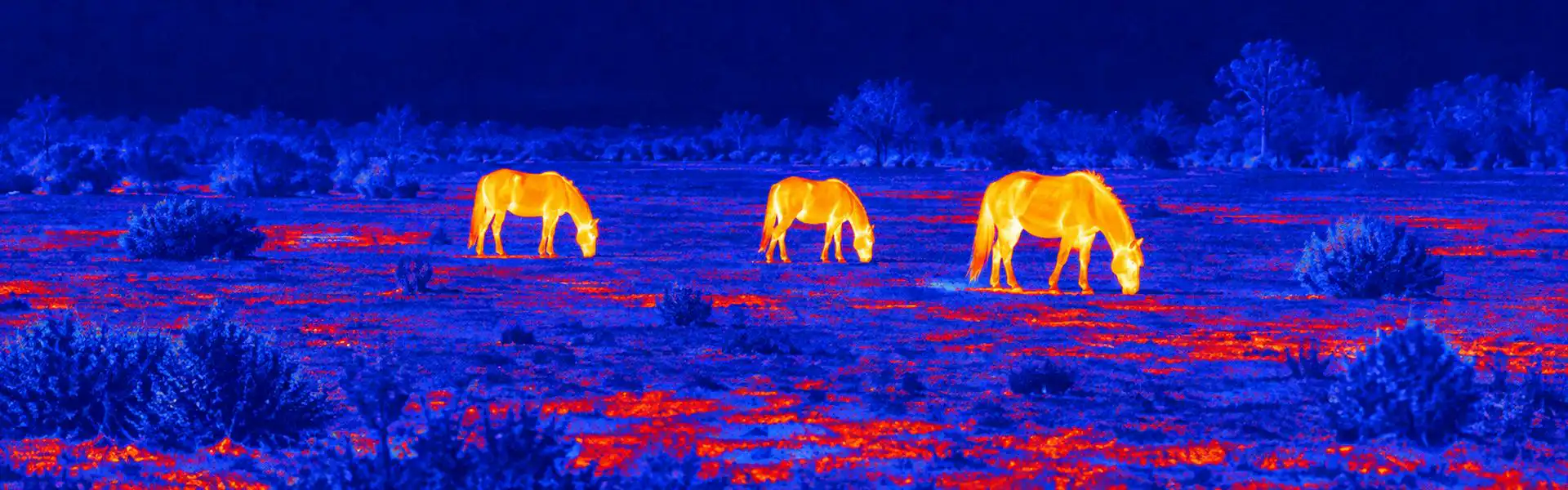
A thermal monocular for hunting can be assessed as a handheld wildlife observation tool: it should reveal useful exposed outlines, remain controllable outdoors and record what the observer can verify. For brief dusk activity, including bats, detection is not identification. This guide covers nature viewing and documentation only, not weapon use.
Ruggedness Includes the Parts You Touch Every Evening
A protective housing is only one part of outdoor reliability. Examine the battery cover, strap attachment, lens cap and controls with the gloves normally worn by the guide. rural field handling priorities include how easy it is to adjust focus without changing grip or accidentally stopping a clip.
The exact ingress-protection statement must come with its conditions. thermal monocular construction tradeoffs should not imply universal drop resistance or waterproof accessories. Inspect whether covers remain closed in the approved configuration. A complete device with cables attached can have different exposure limitations from the closed unit illustrated in a listing.
Use Motion Footage Instead of a Polished Still
A still picture does not show how a small target behaves during a fast crossing. Request an original sequence with ordinary panning and a clear description of the scene. thermal refresh and motion considerations are relevant to handheld observation as well as other thermal form factors.
Refresh rate, processing delay and saved-video frame rate are different specifications. Compare native thermal sampling and display behavior rather than assuming one high number fixes all three. The thermal infrared imaging principle explains heat-contrast viewing, not its success for every moving subject. Keep the claimed outcome limited to what the clip actually resolves.
| Question |
What to examine |
Decision |
| Brief dusk crossing |
Original moving thermal sequence |
Record activity without assuming species |
| Outdoor handling |
Covers, cap, strap and glove controls |
Read exact protection conditions |
| Observation opening |
Lens width and quick refocus |
Balance coverage against target detail |
| Clip retention |
Original export and field notes |
Do not infer detector detail from file size |
Position the Lens for the Opening, Not the Maximum Range
A narrow view can lose a small animal as it passes from one gap to another. Use focal length and field coverage to understand why tighter framing and broad scanning are competing priorities. The useful demonstration should include your usual gap width and a moving subject, not only an isolated distant silhouette.
Review open-field and boundary observation conditions before comparing numbers. Nearby branches can obscure the animal, and digital zoom only enlarges existing samples. first-time focus and reframing checks should establish how quickly you can recover the wider scene. Avoid changing position or disturbing wildlife simply to achieve a more impressive recording.
Preserve the Recording Without Adding Unsupported Detail
Record time, viewpoint and visible activity in a short note. Retain the original file before trimming or brightening a copy. entry-level monocular recording expectations can help distinguish a useful activity clip from footage that never contained enough detail for identification.
If a separate channel provides recognizable features, keep that evidence alongside the thermal sequence. combining thermal and visible information does not mean every device electronically fuses them. Screen size, export dimensions and enhanced output should not be converted into native detector claims. Unknown audio, app or file-format support remains something to confirm before buying.
Use the Guide’s Full Carrying Routine as the Buying Test
Try packing, carrying, unpacking, focusing and saving a clip with the complete kit. A device that is reliable in this sequence may be more useful than one with an extra advertised mode. Plan power using the real recording duration and weather, not capacity alone.
Compare budget-sensitive outdoor equipment checks before spending on accessories you do not need. The thermal optics product family should be assessed against documented protection, service and recording behavior. Ask what is included and what remains unverified. This is a practical observation purchase, not a promise of species identification, specialist surveying accuracy or performance in every outdoor condition.
Select the viewer through a realistic outdoor sequence and original moving footage. Rugged construction, useful coverage and straightforward recording can support a guide; none removes the uncertainty of a small, brief or partly obscured sighting.