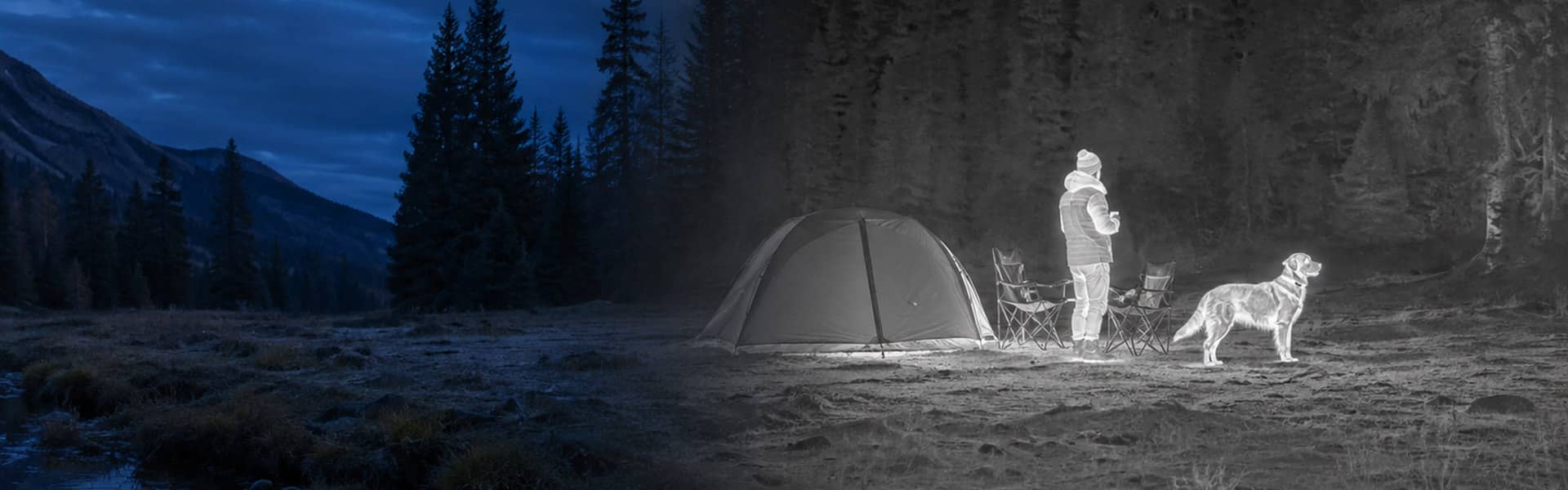
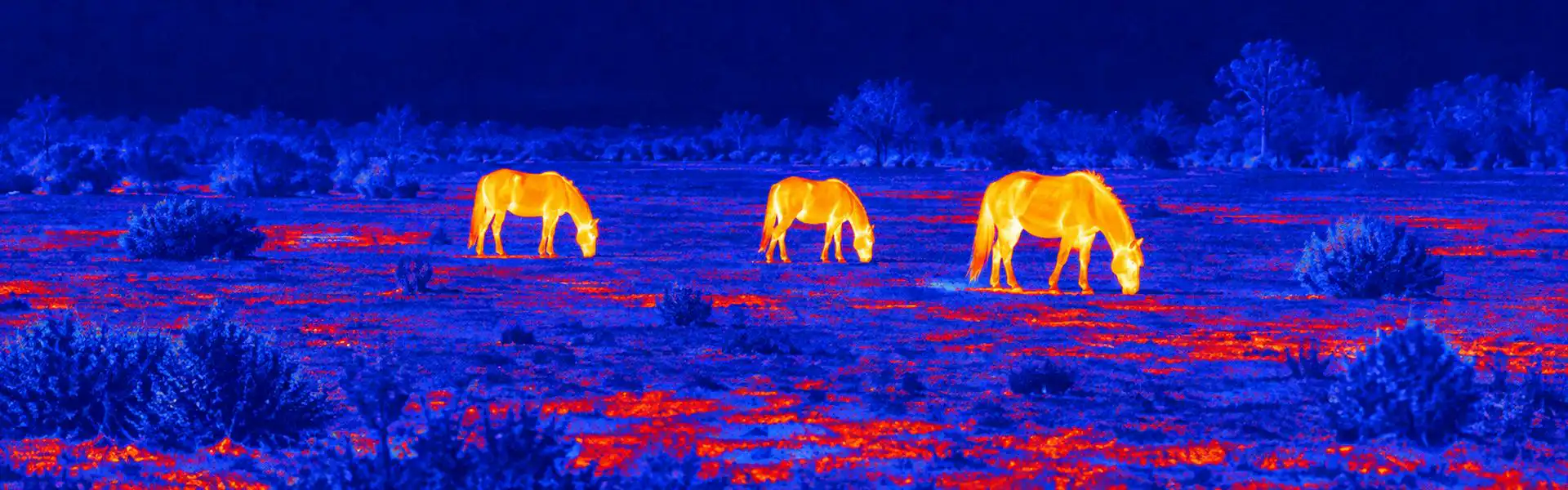
Night vision goggles with thermal imaging can supplement observation of exposed areas on a property, but they cannot show through walls or guarantee complete coverage. Evaluate a supported stationary setup, clear channel specifications and ordinary outdoor handling. A caretaker should preserve uncertain sightings as uncertain rather than infer identity or intent from a heat outline.
Night Vision Goggles with Thermal Imaging Need a Modest Property Task
Begin with one authorized viewpoint overlooking an exposed yard or field boundary. A caretaker may want to notice animal movement or record a visible event; that is different from claiming continuous surveillance or identifying an unknown person. thermal observation across exposed ground works within line-of-sight and contrast limits.
Use thermal optics buyer fundamentals to write the task plainly. List what is visible, what remains behind buildings or vegetation and what ordinary equipment is still needed. The physics of thermal infrared imaging does not imply penetration through solid walls. A quiet display is not confirmation that every part of a property is clear or that a hidden space contains no activity.
Confirm Whether the Images Are Separate or Electronically Combined
A dual-device arrangement, a picture-in-picture recording and an electronically fused image are not equivalent. thermal and night-viewing system differences should be resolved before selecting the support. The actual channel function matters more than a photograph showing several optical devices together.
Ask for separate thermal and digital specifications, including native arrays, lens coverage and original recording examples. Large digital video dimensions must not be assigned to the thermal detector. Shifting an image position cannot remove every difference in optical scale or parallax. If one channel at a time is more useful and comfortable, there is no need to force simultaneous viewing merely because the package permits it.
Read Protection Claims for the Configuration You Will Use
A housing rating applies under stated conditions. Covers, attached cables and accessories can change what is permitted. compact thermal outdoor handling checks should include cap retention, storage and how connections are protected during a stationary session.
Compare complete-system durability and value without adding an undocumented drop test or certification. A well-fitting case and dry harness can matter as much as a rugged-looking shell. Care instructions for the eyepiece and thermal objective may differ. Do not use an improvised protective window or cleaning chemical because it seems suitable for ordinary visible-light optics.
| Question |
What to examine |
Decision |
| Exposed area |
Actual sightline and background |
Do not infer hidden-space coverage |
| Combined view |
Separate, inset or fused channel behavior |
Request original examples |
| Outdoor setup |
Closed covers and approved accessories |
Read configuration-specific limits |
| Observation record |
Visible detail and uncertainty |
Do not infer identity or intent |
Try Fit and Motion Before Accepting a No-Lag Claim
A gentle stationary pan can reveal delay, clipping or uncomfortable image scale that a still picture hides. goggle motion and display considerations keep refresh rate separate from total response and saved-video behavior. Ask the seller to show the actual configuration, not an unrelated promotional recording.
Use practical pre-purchase viewing checks with the eyewear and clothing normally worn. focal length and field coverage help explain why the view is narrower than normal peripheral vision. The support must allow the required positioning without unsupported modifications. A clear image can still be a poor fit, and persistent strain is a reason to stop and reassess the arrangement.
Keep Observation Evidence Separate From Conclusions
Note the location, time, viewpoint and what was actually visible. A thermal body outline may show movement without resolving identity, species or behavior reliably. thermal discovery and later confirmation is a useful sequence when a visible channel or ordinary optics can add detail.
Consider stationary binocular alternatives if prolonged watching rather than worn viewing is the real need. Save original files before preparing a shared copy. Unknown wireless, audio and export support should be clarified rather than assumed. Thermal contrast is a cue to inspect an exposed scene, not evidence of intent and not a guarantee that an interpretation is complete.
Order a Ready-to-Use Package With Written Boundaries
Request the exact viewer, supported mounting parts, approved power, cables, recording options and included accessories. Device-only weight is not total carried weight. Establish who supports the complete arrangement if a problem occurs only when the equipment is worn.
Review budget checks for a complete thermal kit against the thermal optics category and your written property task. Verify service terms for the actual version before purchase. A documented, comfortable arrangement with known limits is more useful than an elaborate kit assembled from compatibility assumptions. The equipment should remain a supplementary observation tool alongside ordinary visibility and responsible property procedures.
Define a limited, exposed observation task and buy a supported setup for it. Confirm fit, protection conditions and original recording behavior. Thermal contrast can assist discovery, while hidden areas and unverified interpretations remain outside the device’s evidence.