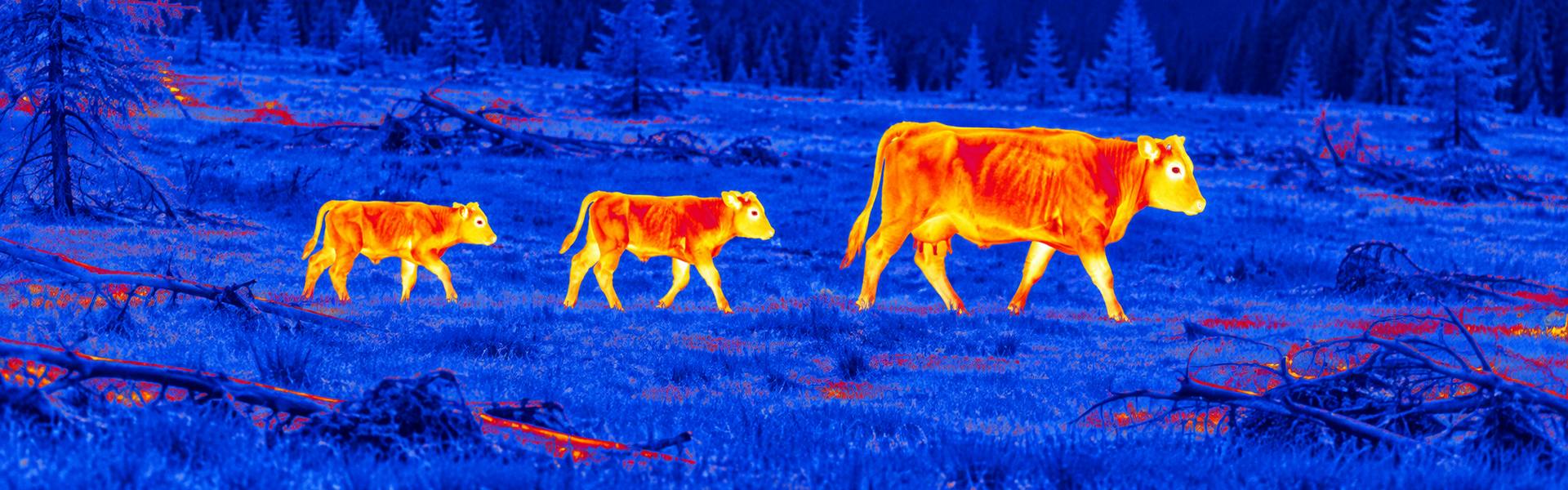
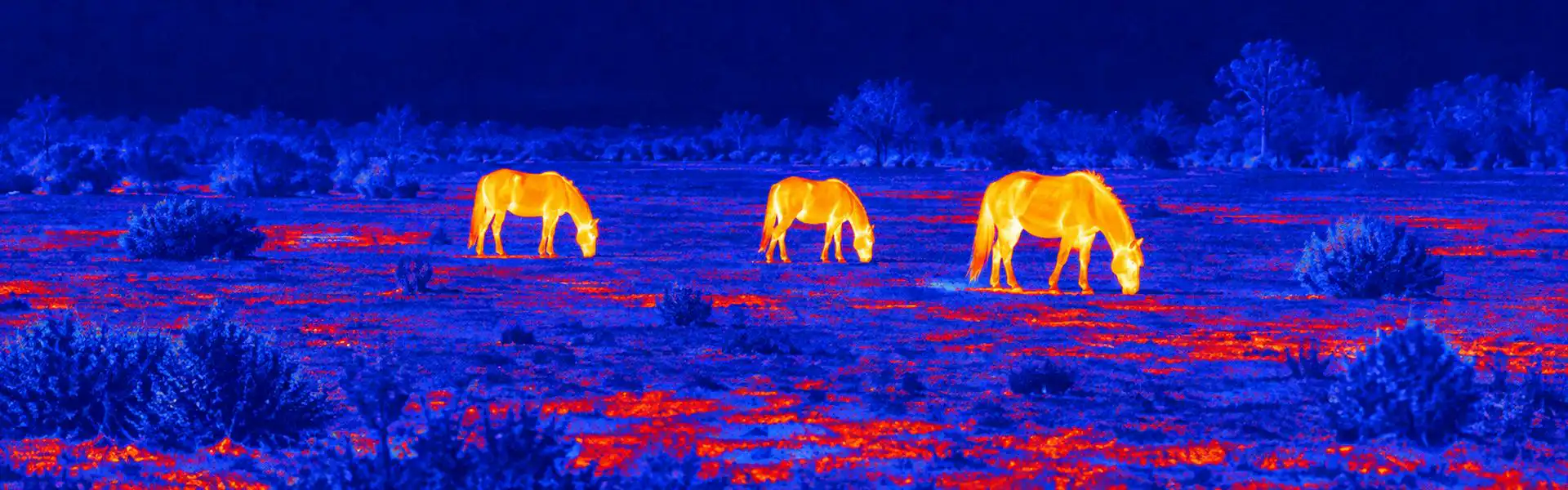
Night Vision Thermal Goggles Should Be Tried at a Fixed Farm Viewpoint
A farm team may want to check activity near a yard, open paddock or livestock enclosure after dark. Begin from an authorized, stationary position with ordinary visibility available. thermal viewing priorities for farm owners place animal size, sightline and duration ahead of impressive distance labels.
Compare rural observation handling needs with the actual routine: settling the equipment, finding the boundary, noting a movement and stopping the view. The goggles are an observation aid, not a guarantee of property security or a substitute for normal vision. Do not decide that a concealed area is empty simply because the display shows no distinct warm outline.
Night vision thermal goggles can assist a stationary farm check when exposed animals contrast with the background. For beginners, comfortable fit and predictable motion response matter as much as detector detail. Refresh rate does not describe every source of image delay. Keep thermal observations supplementary and verify ambiguous animals through another suitable view.
Distinguish Smooth Updates From Short Delay
A fast-updating image can still trail movement because acquisition, processing and display all take time. Saved video and an external stream can introduce further differences. refresh rate and thermal motion behavior should therefore be tested with a gentle pan as well as a moving subject.
The basis of thermal infrared viewing explains why animals can contrast with dark surroundings, not whether a particular system feels responsive. Request a practical thermal goggle demonstration without aggressive settings chosen only for a polished screenshot. If a correction cycle briefly interrupts the view, establish its documented behavior. A prolonged freeze or repeated abnormal artifact needs support rather than an automatic assumption of normal correction.
Try the Image at Your Actual Eye Position
A clipped view may be caused by eye placement instead of a faulty detector. Adjust only within the support’s documented range and confirm the whole image is available. compact thermal viewer positioning should include ordinary glasses, eye relief and whether controls remain reachable.
Review whole-system comfort tradeoffs while wearing the complete carrying arrangement. A new housing shape can be less suitable for one person even if its display is improved. Weight, balance and alignment are different variables. Stop when viewing becomes uncomfortable rather than assuming a beginner must tolerate the problem. A clear image in the seller’s hands is not proof of a good fit on the buyer.
Keep a Wide View for Gates and Livestock Movement
Nearby animals can cross the frame quickly. A narrow field may make head scanning feel confined and make it harder to retain the position of a gate or fence. field coverage and focal-length tradeoffs help explain why tighter framing is not automatically a better farm choice.
Start with open-field thermal coverage and inspect a representative nearer enclosure too. questions about usable animal detail should distinguish finding a body from identifying it. A large warm livestock outline can dominate the image while a smaller animal is partly hidden. Thermal cannot resolve through solid pen walls; gaps in mesh and vegetation still determine what is visible.
| Question |
What to examine |
Decision |
| Short pan |
Live image response and correction pauses |
Do not equate refresh with total delay |
| Near enclosure |
Frame width and visible gaps |
Keep livestock context |
| New observer |
Eye position, brightness and controls |
Restore an individual comfortable setup |
| Team record |
Original clip and field note |
Retain uncertainty about hidden activity |
Consider One Channel Before a Complicated Pair
Two displays or two thermal viewers can add adjustment, weight and independent correction pauses without doubling useful information. thermal and night-viewing comparisons should address what the second channel contributes to the farm task. A visible image may supply external features that a thermal silhouette lacks.
Use separate thermal and digital evidence when recording an uncertain observation. Simultaneous viewing does not guarantee natural visual fusion. The goal is a useful animal record, not the largest number of devices on one support. If a supported handheld or binocular arrangement is simpler and comfortable, it remains a legitimate alternative for repeated stationary checks.
Build a Repeatable Team Handover
Different users need different eyepiece positions, brightness and sometimes diopters. Demonstrate how to restore a familiar baseline without forcing the same settings on everybody. Keep short notes about the viewed area and uncertainty, rather than turning an unclear spot into an incident conclusion.
Review first-time thermal equipment checks and the thermal optics category before ordering. Confirm approved mounting, cable clearance, power, service and the actual recording workflow. The best team setup is the one that supports consistent observations with manageable adjustments. It should not rely on unverified app compatibility, a no-lag promise or the assumption that all users will find the same arrangement comfortable.
Choose a supported arrangement that is easy to position and repeat. Test live motion, near-field coverage and individual comfort separately. Keep ordinary observation and clear field notes alongside any thermal record.