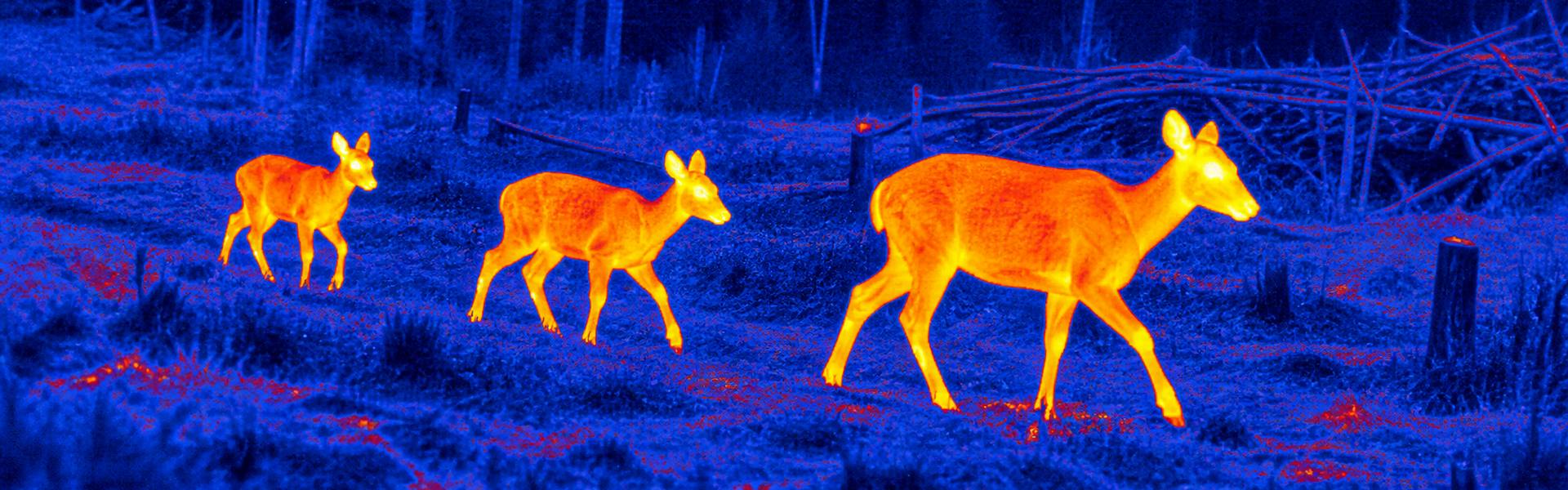
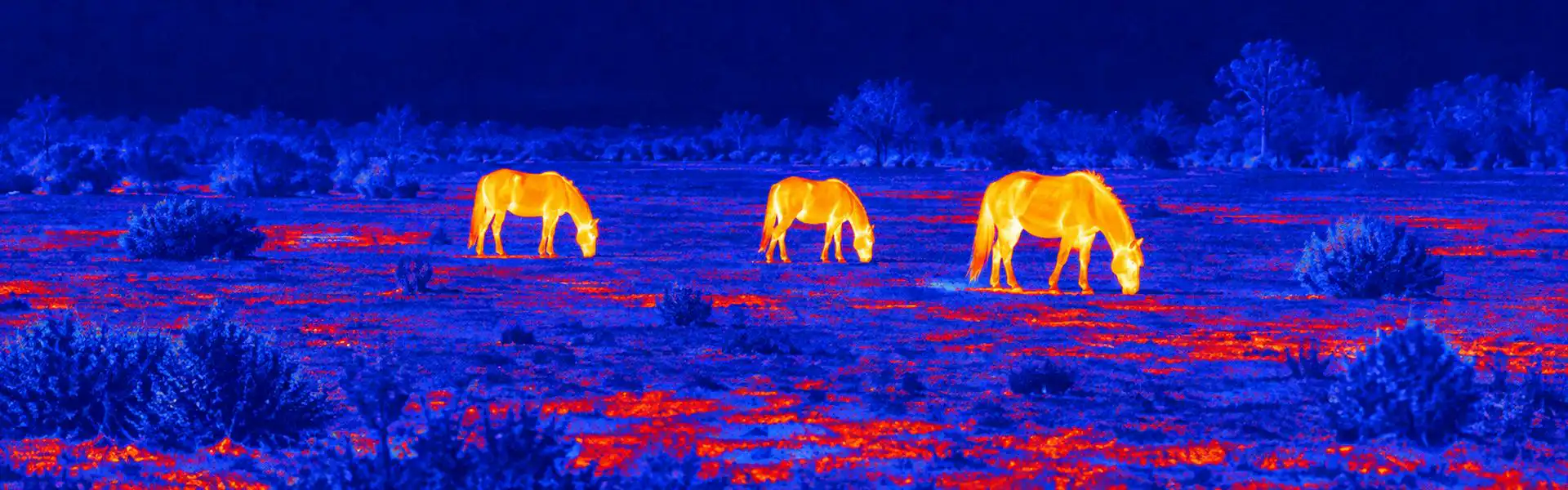
Thermal night vision goggles should be compared using their native detector resolution, lens coverage and real viewing behavior. Screen pixels and enlarged video files are not substitutes for thermal samples. Begin with stationary wildlife observation and assess the complete fit before paying for additional resolution or a more complicated arrangement.
Thermal Night Vision Goggles Need More Than a Sharp Display
A nature observer can easily mistake a crisp menu or large screen for a detailed view of an animal. Native thermal resolution belongs to the detector. Screen resolution describes the display, and saved dimensions describe a file. thermal optics specification fundamentals keep these numbers separate instead of adding them into a single performance claim.
Ask which channel produced the sample footage and whether it was enlarged. separating thermal and digital resolution claims is useful for any mixed-channel system. An enhanced image may appear smoother, but processing cannot guarantee new genuine animal features. Compare an original thermal scene at ordinary viewing distance, then judge what the outline actually allows you to recognize.
Connect Detector Detail to the Scene Width
More detector samples can be useful, but the lens still determines how much of the scene is covered. A small animal crossing a broad opening may remain difficult if it occupies very few samples. focal length and field of view explain the coverage tradeoff without establishing a universal useful distance.
Review thermal viewing across open ground before comparing a close woodland gap with a far field edge. compact thermal viewing choices may prioritize coverage and handling over maximum enlargement. Digital zoom can make an existing outline larger on the display, but it also removes surrounding context. Start at the useful base view and test how easily the subject can be reacquired.
Ask for a Moving Demonstration With Ordinary Settings
A representative demonstration should include a steady view, a slow pan and an exposed moving target. Frame rate, processing latency and correction pauses affect that experience differently. thermal refresh and movement checks should not collapse them into one no-lag claim.
The principle of heat-contrast imaging is independent of a seller’s processing promises. Ask to see real observation checks before choosing goggles with normal brightness and sharpening. A beautiful still can hide motion artifacts or an uncomfortable field of view. If two technologies are shown together, compare their individual images before deciding whether the combined presentation gives useful additional information.
| Question |
What to examine |
Decision |
| Native samples |
Detector array, not screen or file size |
Compare real target features |
| Coverage |
Lens and base field at your distance |
Avoid losing the surrounding scene |
| Motion |
Pan, moving target and correction behavior |
Separate latency from refresh rate |
| Fit |
Supported mount, eye position and power |
Test the complete arrangement |
Make Alignment a Separate Decision From Resolution
A correctly focused thermal scene can look poor if the eyepiece is off-center. Try the vertical, lateral and eye-distance adjustments allowed by the support system. mixed thermal and night-viewing arrangements need individual evaluation because two clear images do not necessarily feel natural when used together.
Use complete-system comfort and value checks rather than treating device weight as the final answer. An external battery may reduce mass on the viewer while increasing the total carried kit. Unsupported adapters and extensions should not be assumed compatible. Stop using a setup that causes persistent discomfort; a higher-resolution detector does not fix an unsuitable eye position or poor balance.
Define Which Details Would Justify an Upgrade
Write down the feature you currently cannot see: separation between two animals, a body outline at the field edge or the direction of travel. Then ask for evidence at that task. task-led thermal viewer selection makes the comparison more meaningful than buying a larger detector number without a purpose.
For some observers, comfortable two-eye thermal viewing or a handheld viewer may be the better form factor. The benefit of goggles must be established through actual use, not assumed from a mounting option. Keep discovery, recognition and identification separate. No upgrade creates visibility through solid obstacles, and a sharper outline may still lack the visible details needed for species confirmation.
Specify the Whole Kit Before Ordering
Ask for the exact viewer version, native thermal array, lens, supported power and supplied accessories. Establish whether recording and local file export are available and how they work. An undocumented app requirement can make an otherwise convenient viewing system difficult to maintain.
Use budget priorities for thermal viewing equipment to compare the total useful setup. The thermal optics product collection should be shortlisted against these written needs, not a universal best-device label. Keep missing certifications, detector suppliers and calibration status explicitly unconfirmed. For wildlife observation, useful detail, reliable controls and a comfortable complete system are the evidence that matters.
Order only after you can relate the native specification to a visible improvement in your task. Evaluate motion and alignment separately, and choose the simplest supported setup that remains comfortable during realistic stationary observation.