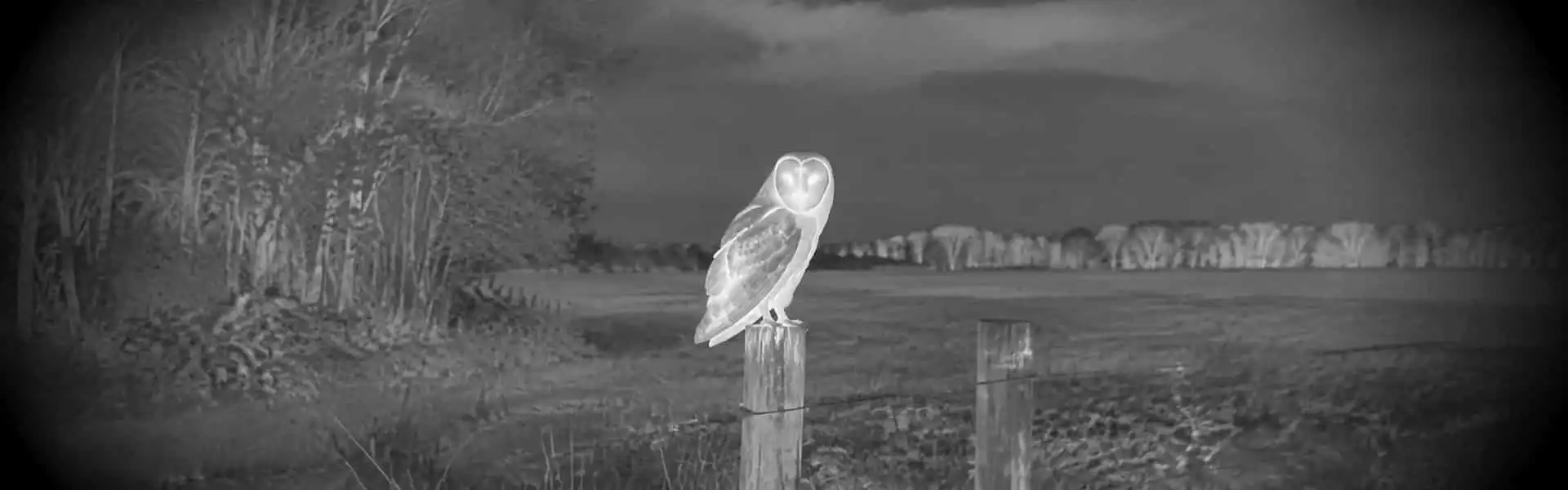
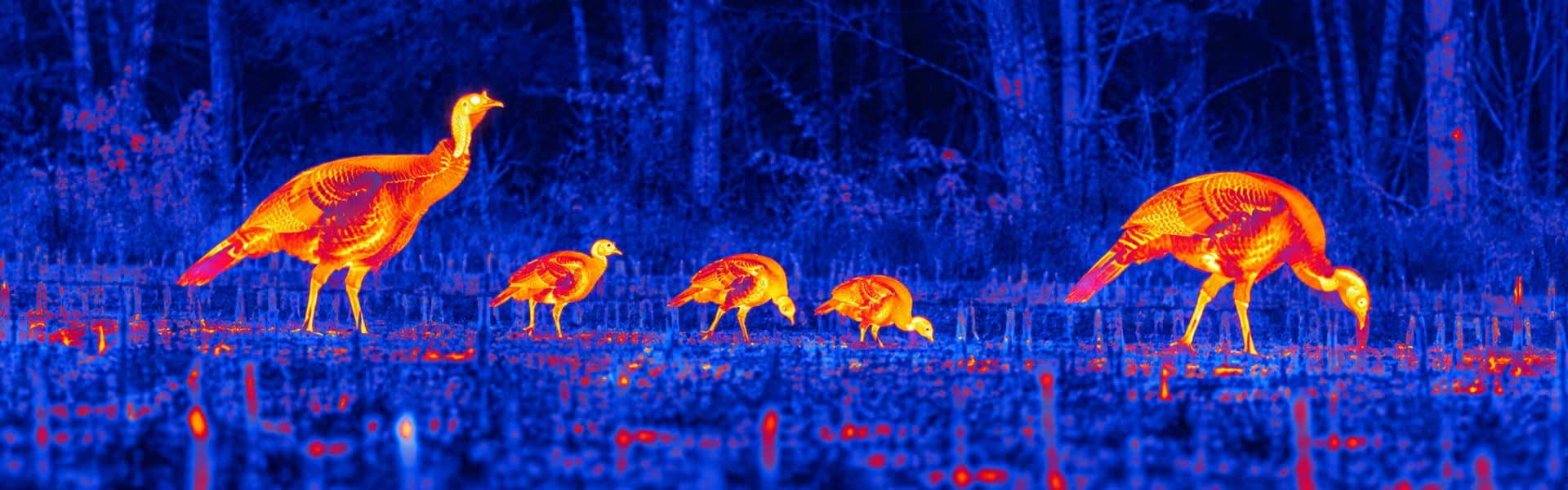
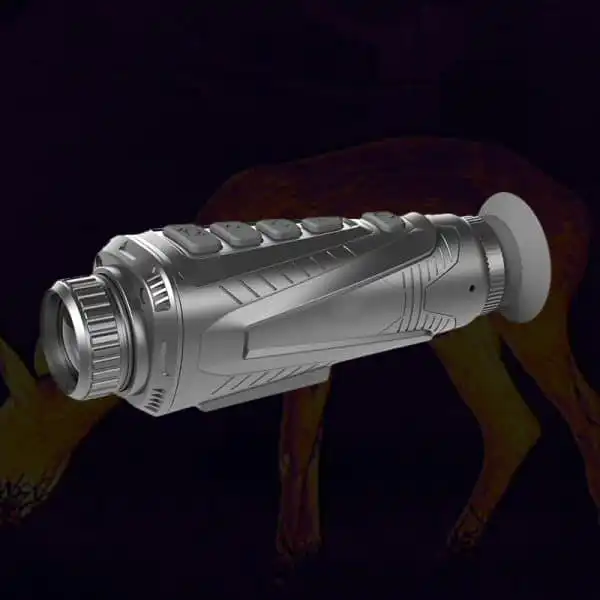
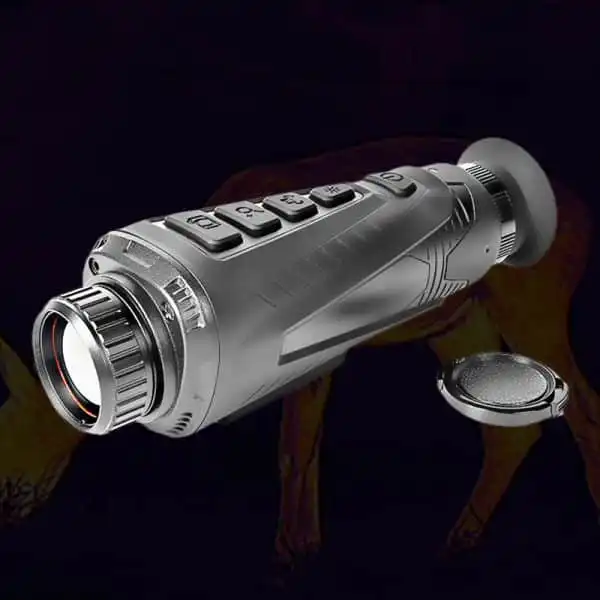
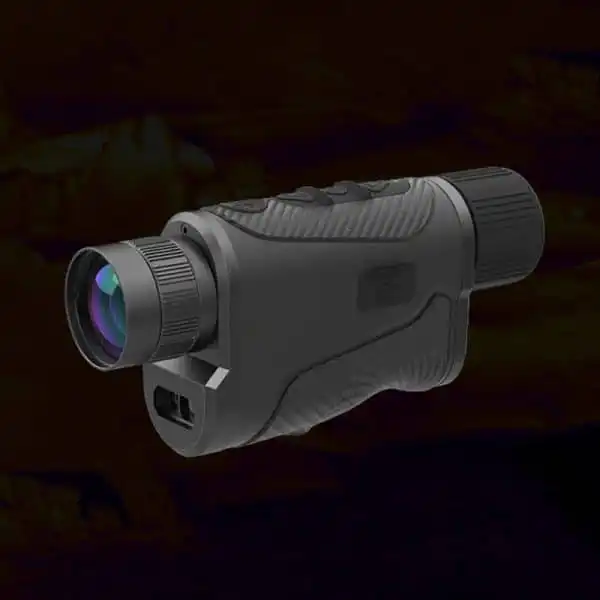
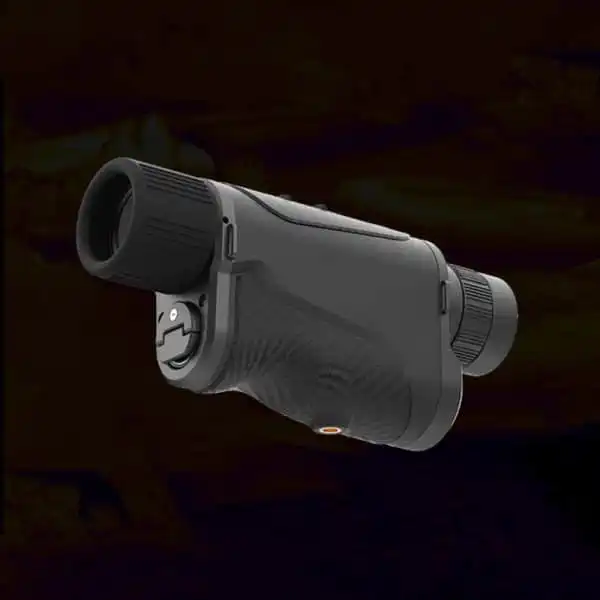
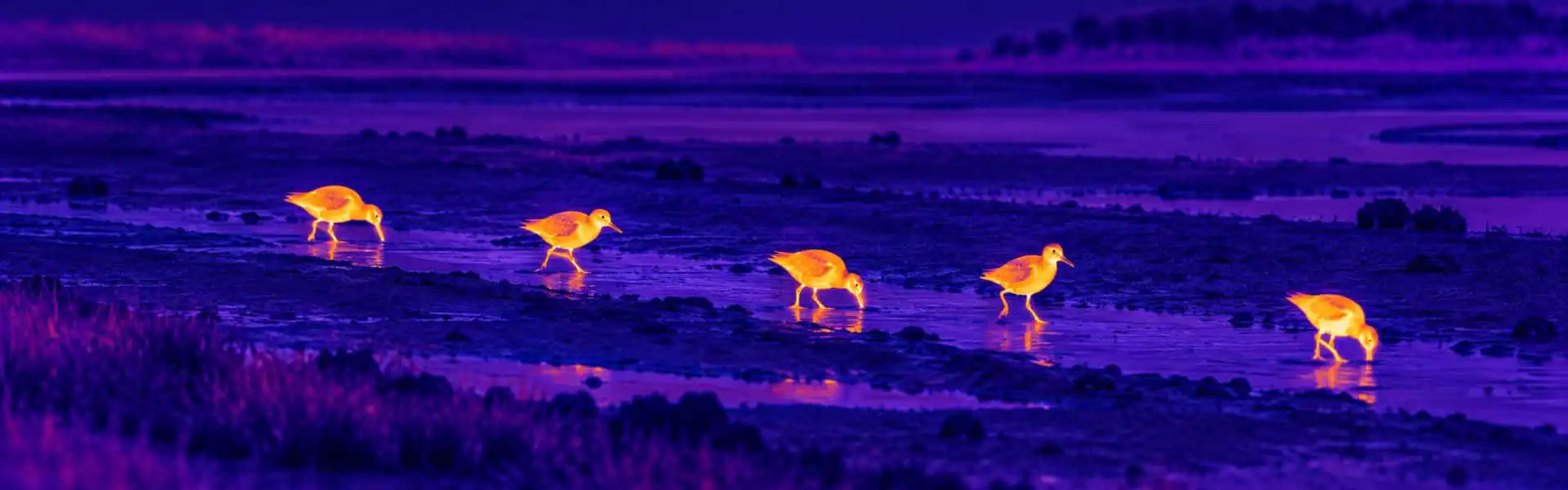
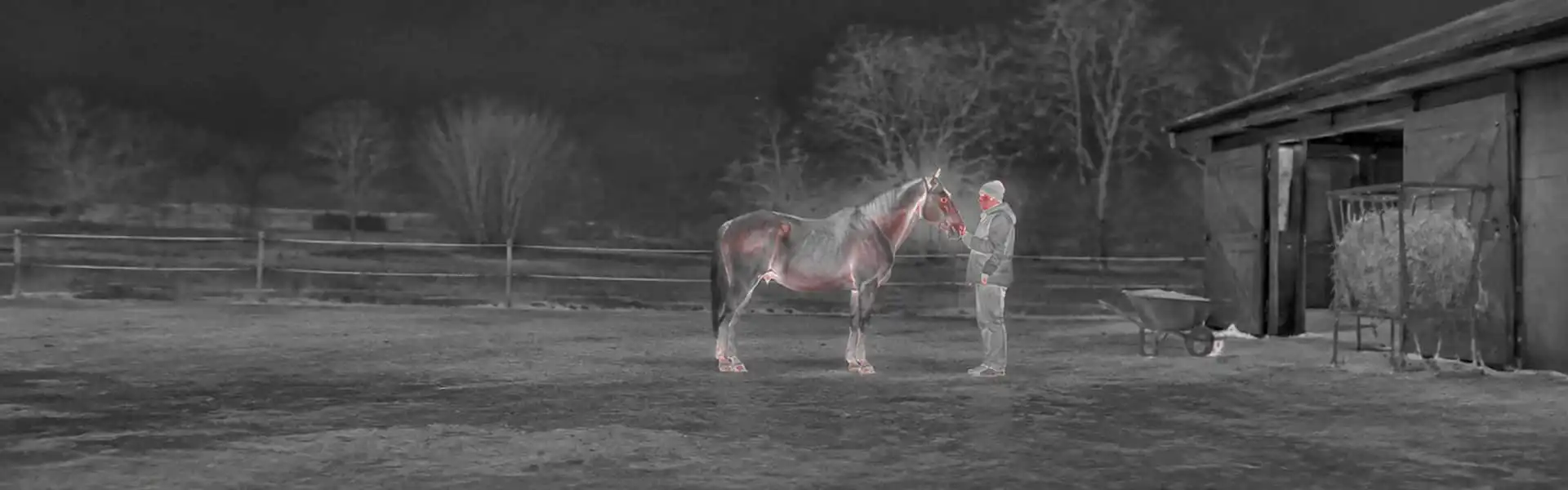
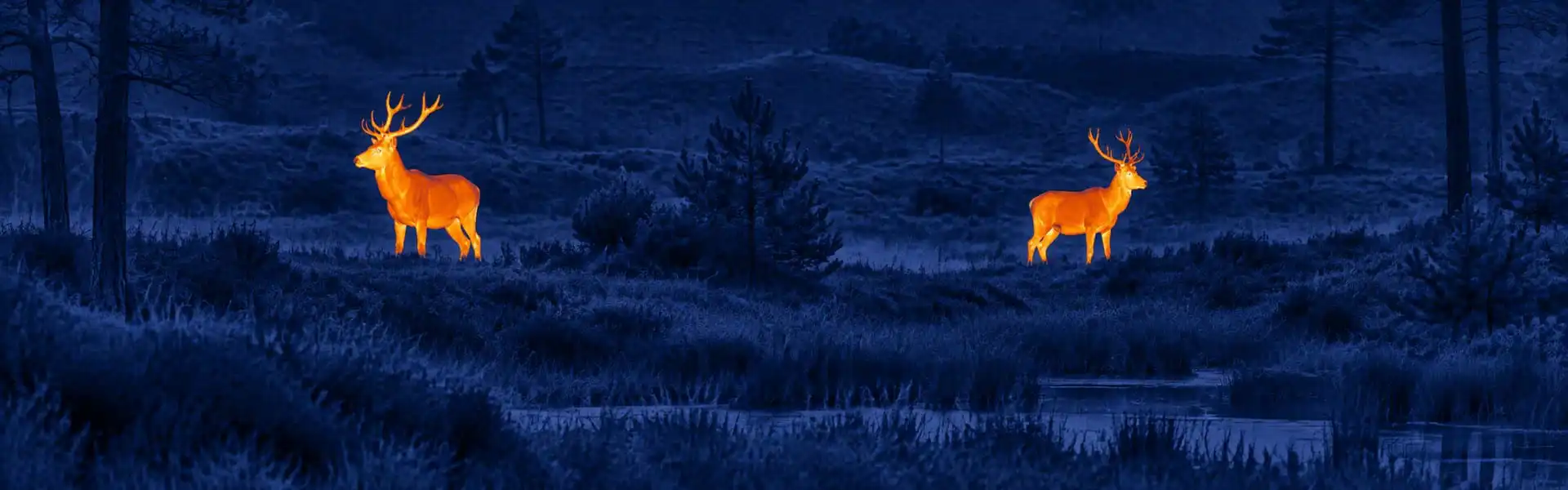
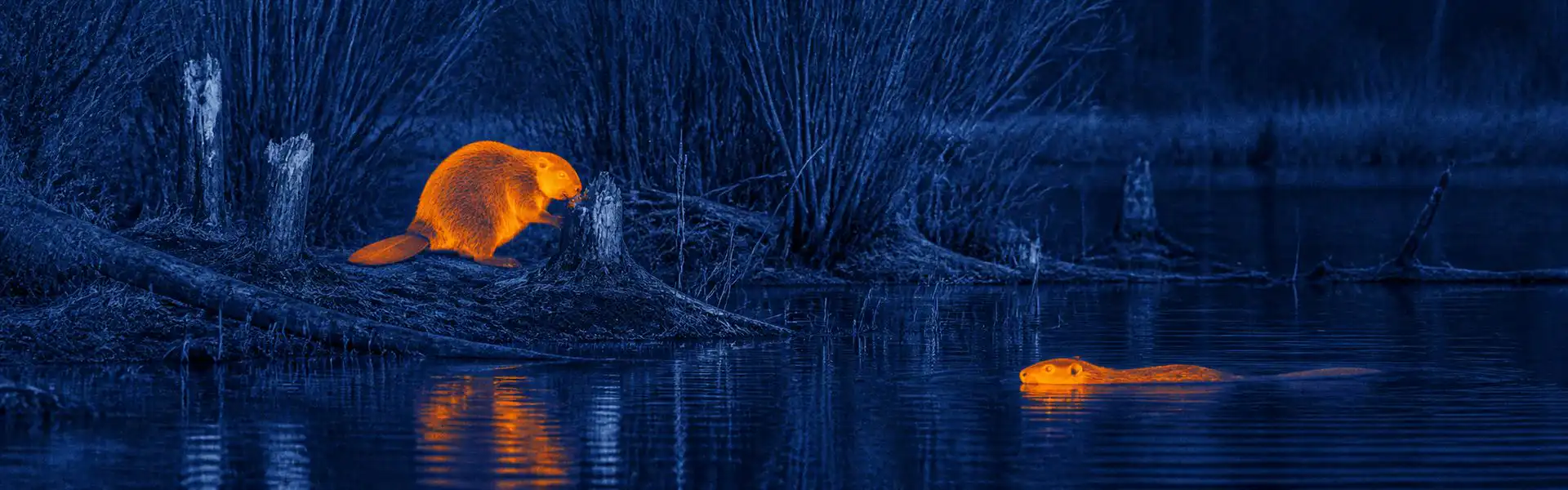
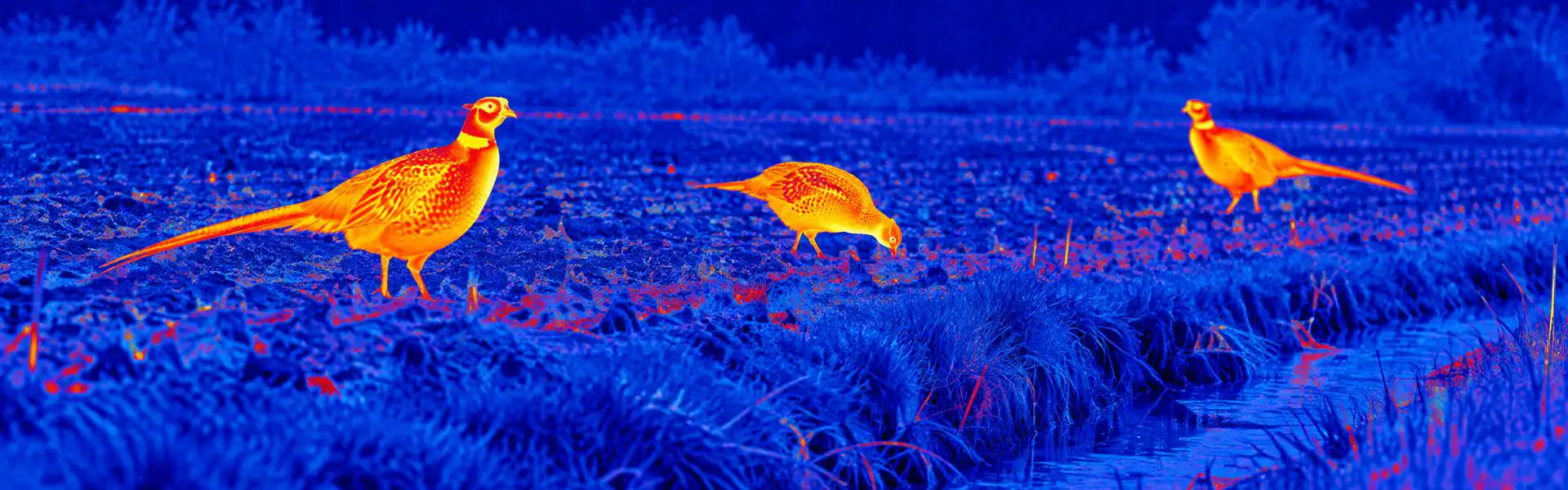
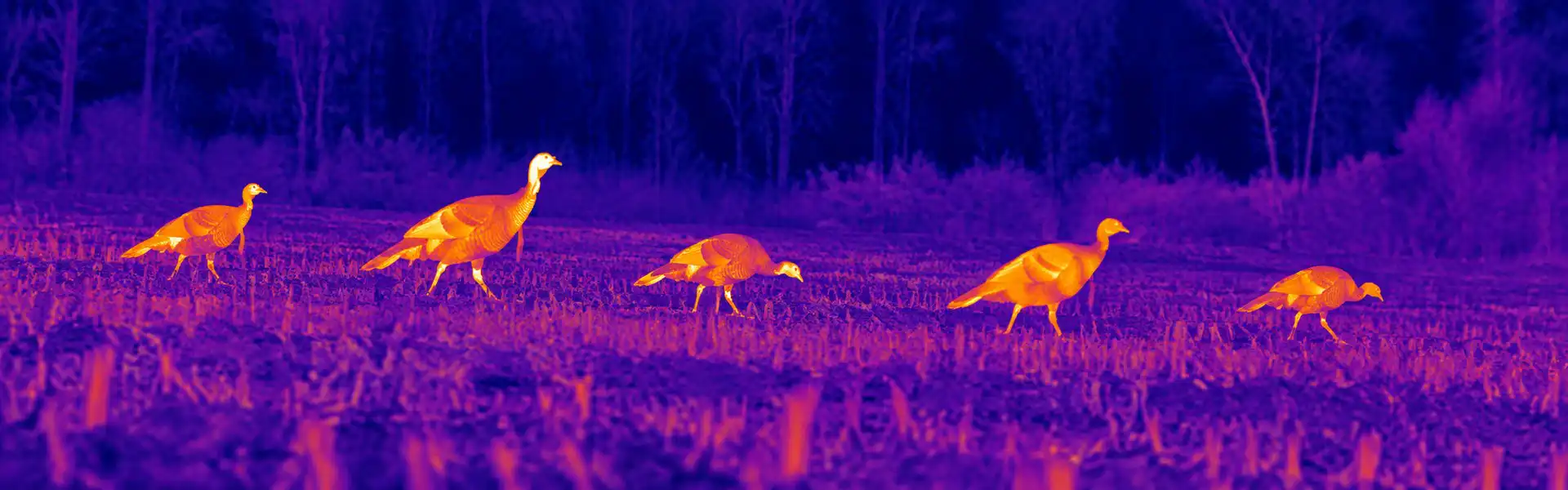
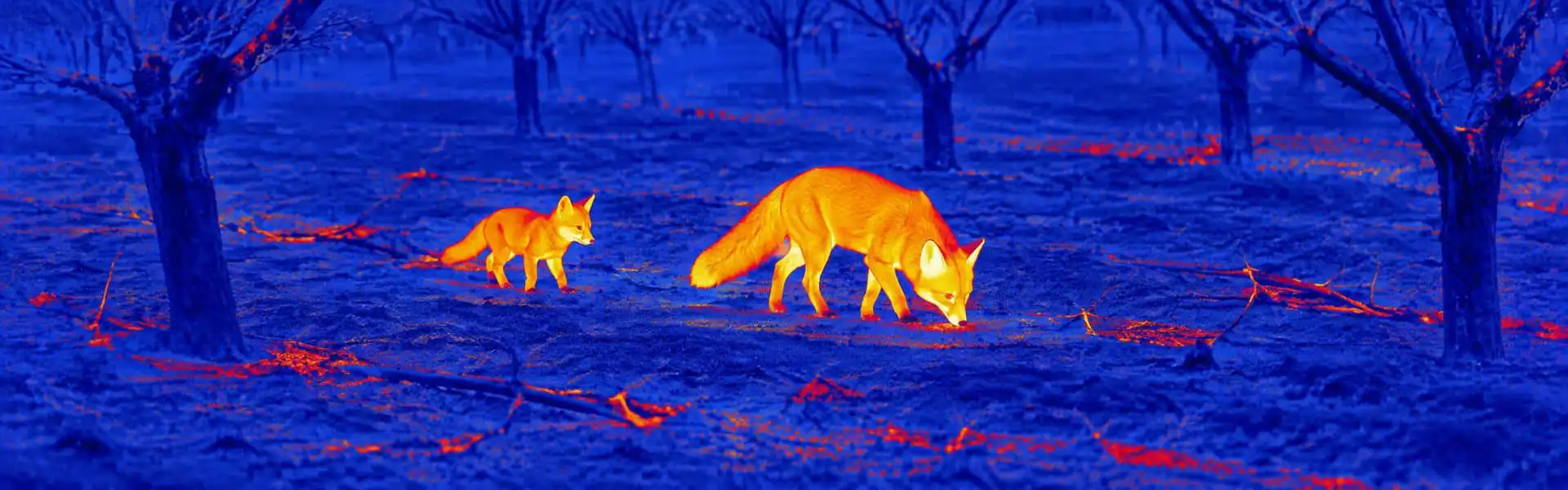
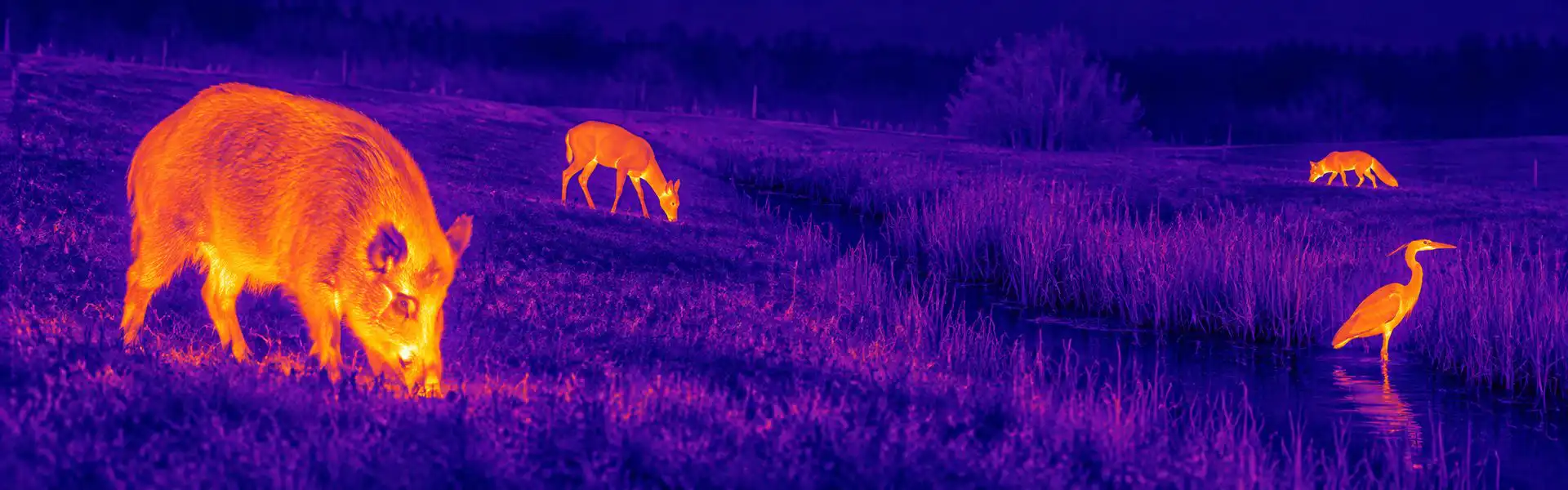
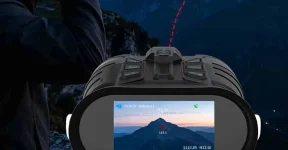
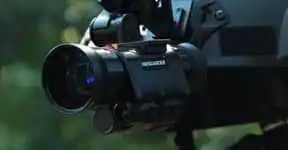
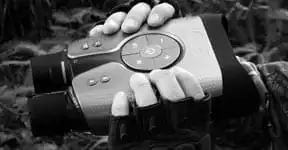
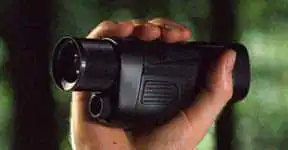
Best thermal binoculars guide with an illustrative thermal view of wading birds feeding in wetland grass
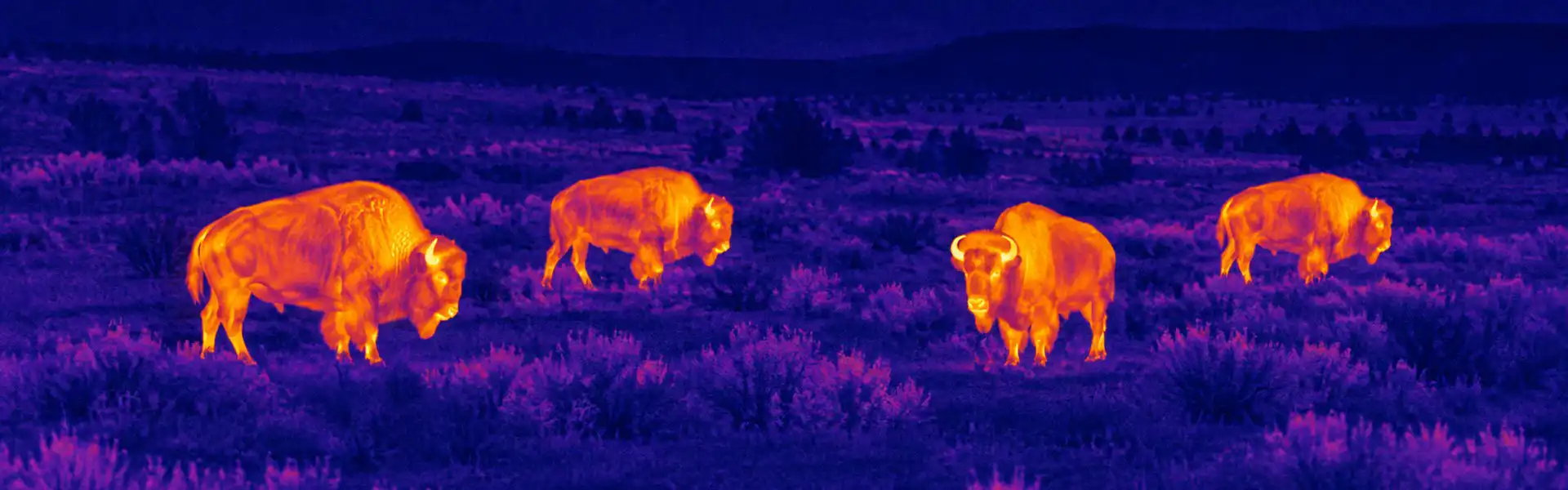
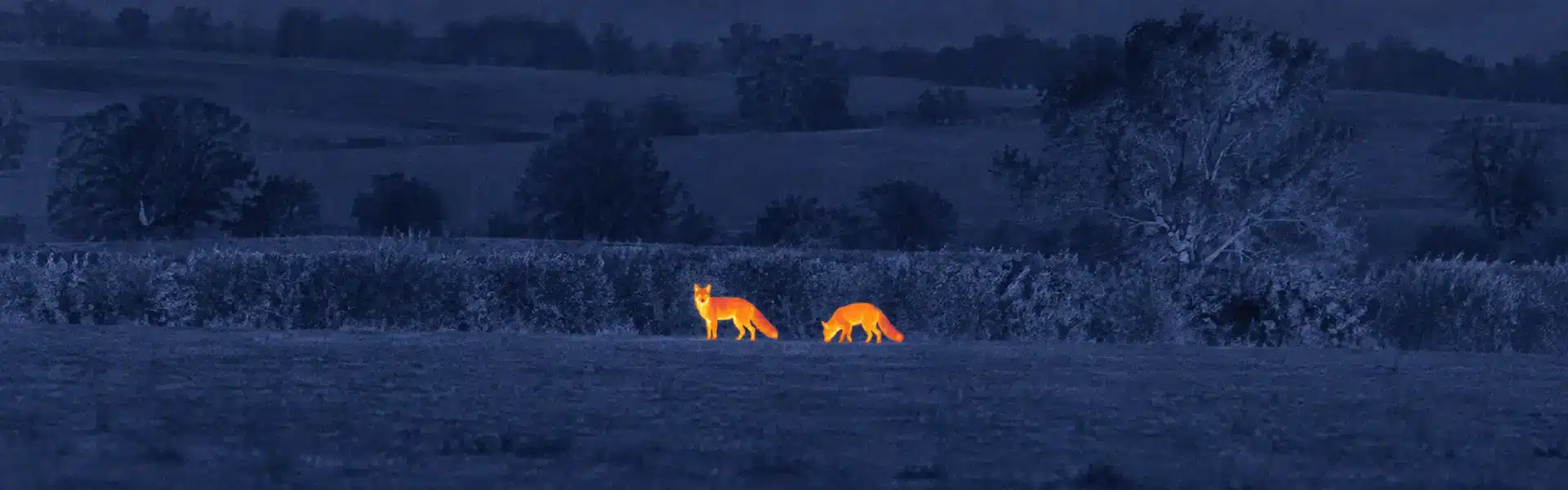
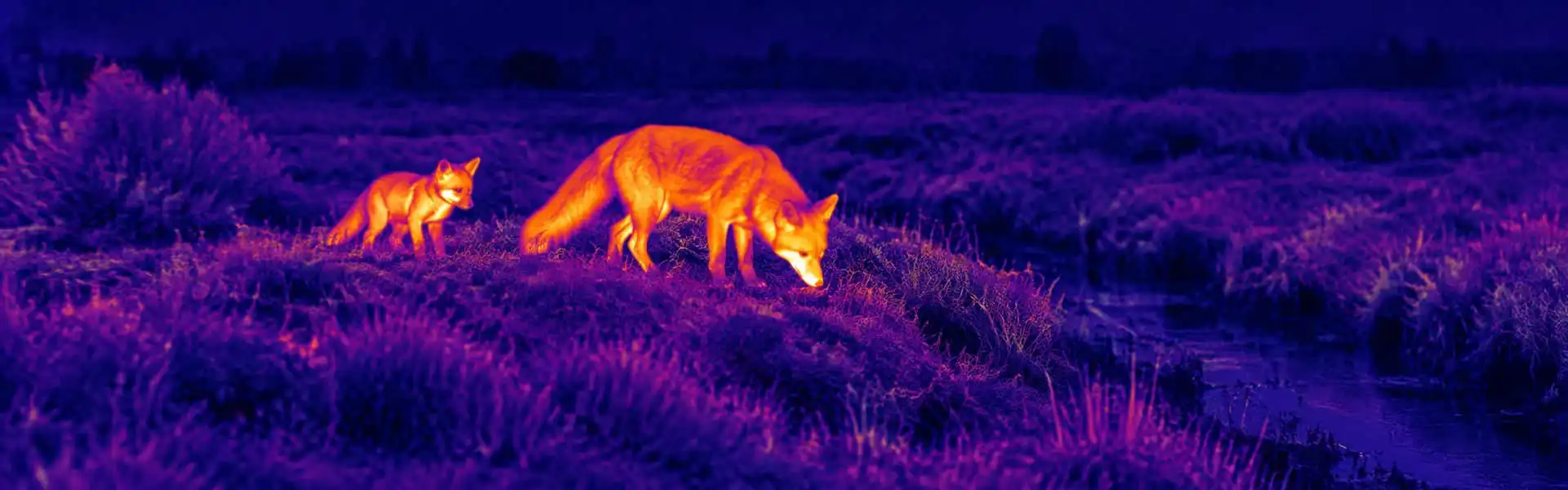
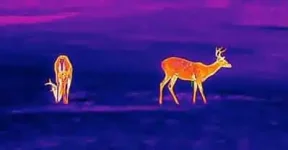
Illustrative thermal-style view of wading birds feeding in wetland grass. This image is not a performance test or measured temperature record.

Use palette choice, recording evidence and two-eye comfort to define premium value. Compare the complete workflow for visible-field animal checks before farm work, verify image palettes under stated conditions, and keep detection, recognition, identification and recording evidence separate.

Start with the real job in Visible-Field Animal Checks Before Farm Work

Use palette choice, recording evidence and two-eye comfort to define premium value. For woodland wildlife watchers, the decision begins with recording outdoor observations in dark conditions, not with the longest specification list. Write down the route, observation point, likely subject size, normal distance and whether the purpose is discovery, broad recognition or a record for later review. The image palettes buyer checks and thermal binoculars comparison help turn that routine into comparable requirements.

Use visible landmarks and an unobstructed line of sight. Thermal contrast can reveal exposed warm regions, but it does not see through buildings, dense vegetation or ordinary glass. The NASA infrared overview explains why infrared information differs from visible appearance. That distinction keeps an observation guide useful without turning a heat signature into an unsupported identification claim.

Keep Every Resolution and Output Claim in Its Own Lane

Record native detector resolution, enhanced or interpolated output, internal display pixels, saved photo dimensions and saved video dimensions as separate rows. If a product is not a radiometric measuring instrument, do not invent a measurement range, accuracy, NETD value or calibration status. The native thermal image quality and field of view guidance provide a cleaner basis for comparison than a single oversized pixel number.

The same discipline applies to combined thermal and digital systems: each channel can have a different sensor, lens, field of view, focus behavior and file output. The field-of-view reference shows why lens selection changes coverage. A high-resolution visible channel does not raise the native thermal resolution, and a colorful palette does not by itself add measured temperature data.

Run a Short Field Trial That Can Be Repeated

Choose two known landmarks and one ordinary moving subject where observation is lawful and non-disruptive. Begin at base magnification, focus carefully, record a wide view, then change one setting at a time. Note how quickly the subject can be reacquired after it leaves the center. The outdoor thermal observation methods and recording and export workflow help preserve enough context for another reviewer to understand the result.

Export the original clip and replay it at normal speed. A phone preview may be delayed or compressed, so it should not substitute for the native file. Repeat the test on a second evening if background temperature or weather changes substantially. The goal is not to stage a dramatic frame; it is to learn whether the device supports the same practical routine consistently.

Decision point Evidence to request Practical boundary
Viewing task Known scene at base magnification Detection is not identification
Image Palettes Original file and documented conditions Model-specific performance only
Image specification Native, enhanced, display and saved output listed separately No invented measurement claims
Field support Manual, warranty route and included accessories Use approved interfaces and power

Buyer Fit for Woodland Wildlife Watchers

The strongest fit is an operator who has a defined viewing area, a realistic carrying plan and time to learn focus and contrast controls. Buyers who need visible markings, guaranteed species identification or measurement-grade temperature data require separate evidence or a different instrument. Review the wildlife thermal viewing limits and thermal sensor resolution explained before deciding that higher zoom or a larger saved image automatically solves the task.

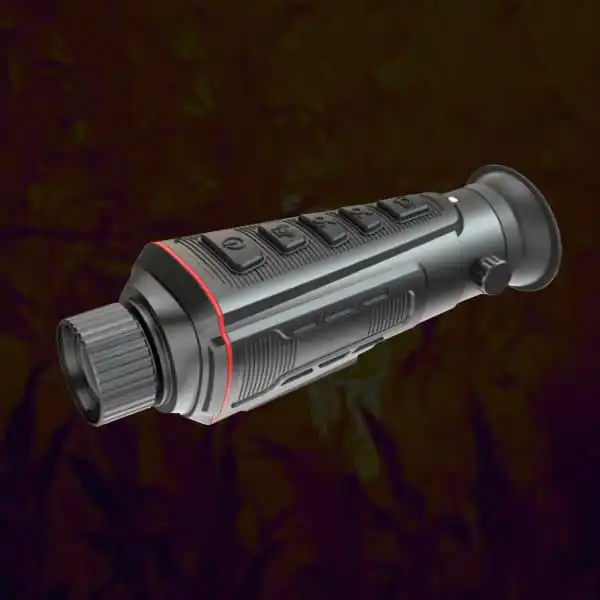
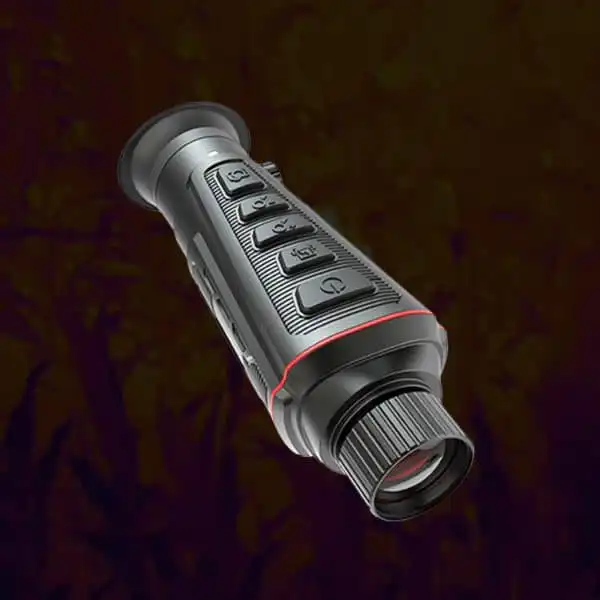
Consider weight with batteries, case and support; control access with normal clothing; eye comfort; start-up time; storage capacity; file transfer and the availability of documented service. A compact viewer may be more useful if it is carried regularly. A larger system may suit a fixed position. Neither format is best without the buyer scenario.

What Image Palettes Changes in Practice

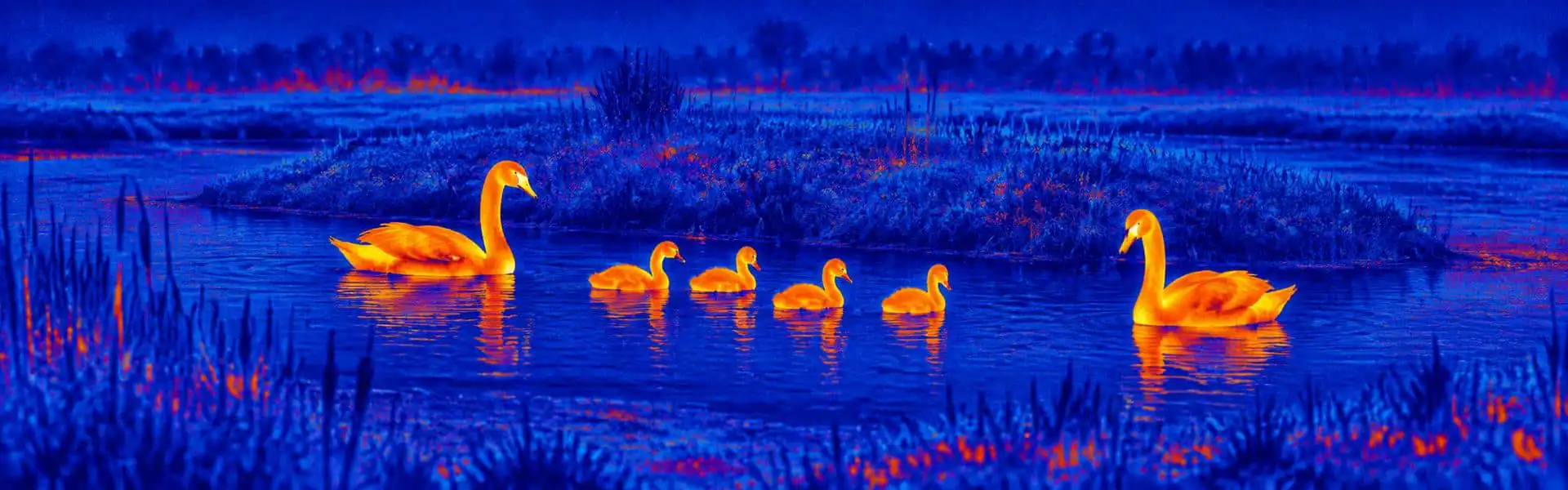
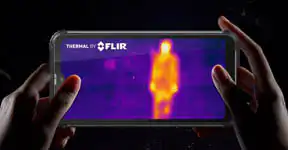
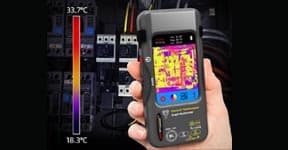
Palettes remap the same underlying thermal samples for presentation. White-hot or black-hot views can simplify shape and edge reading; color palettes may highlight relative contrast but do not report temperature unless the instrument is designed and specified for measurement. Choose the view that supports the task and retain the original file. Compare the specification with the normal task in visible-field animal checks before farm work; an improvement is valuable only when it changes what the operator can find, follow, interpret or record. Use the thermal optics selection guide and visible-field animal checks before farm work planning to prepare a repeatable demonstration instead of relying on edited promotional imagery.

Keep configuration details with the result: objective lens, base magnification, focus position, palette, recording state, wireless state and ambient conditions. A favorable single scene is not a universal rating. A buyer should be able to explain why this feature addresses the stated pain point and what practical limitation remains.

Build the Purchase Around Evidence and Support

Ask the seller to identify what is included, which specifications are native and which are enhanced, how warranty service is arranged and whether the manual is available before purchase. Keep screenshots only as secondary records; retain the product page, written answers and original demonstration files. The practical sourcing checklist and thermal optics product overview help compare the complete package rather than a headline claim.

Reject statements that promise vision through solid obstacles, guaranteed identification at an unspecified distance or performance without stated conditions. Match accessories to the exact interface, use approved power arrangements and confirm whether opening a port changes environmental protection. A sound purchase decision leaves a clear evidence trail and a realistic limitation boundary.

-31%
Select options This product has multiple variants. The options may be chosen on the product page
-29%
Select options This product has multiple variants. The options may be chosen on the product page
-22%
Select options This product has multiple variants. The options may be chosen on the product page

Frequently Asked Questions

Should I stop and reassess the setup if thermal binocular viewing consistently causes headaches?

Fit is a complete-system question involving eye position, adjustment range, balance, controls and the time the viewer will actually be worn. For this question, the written acceptance point is specific: should I stop and reassess the setup if thermal binocular viewing consistently causes headaches; do not replace it with a general feature claim. The FAQ source groups this under 瞳距、屈光度与双眼舒适 and points to 眼距、双眼观看、探测器、机体、LRF与电池; that is useful context, not proof that every model implements the function identically. Test the configured system for a realistic visible-field animal checks before farm work interval, stop if discomfort develops, and do not assume that an adapter alone proves comfortable or supported use.

Why might the digital image be overexposed when strong sunlight enters the lens?

Check optical focus, base field of view and digital enlargement separately because they solve different viewing problems. Ask the seller or manual to resolve this exact operating point: why might the digital image be overexposed when strong sunlight enters the lens. Record the conditions attached to the answer. The supporting material focuses on 双通道、IR、PIP、焦点、电池、录像、USB、校正、故障;未分析PDF. Apply that evidence only where the current product documentation confirms the same function and boundary. Compare a broad contextual view with a focused target view during visible-field animal checks before farm work; digital zoom can enlarge samples but cannot restore detail that was never captured.

Can different display shapes or aspect ratios crop part of the thermal sensor view?

First reproduce the behavior with a clean lens, correct focus and a stable base view, then change only one display or processing setting at a time. Ask the seller or manual to resolve this exact operating point: can different display shapes or aspect ratios crop part of the thermal sensor view. Record the conditions attached to the answer. This question is tagged for 双通道焦点、画面比例与稳定. Use 双筒眼距、测距、屏幕、校正、存储、电池;不收录弹道内容 as the evidence trail, while keeping model-specific settings and limits separate. Keep an original clip and a photograph of the settings from visible-field animal checks before farm work; that evidence helps distinguish presentation choices from a recurring image fault.

Can the binoculars retain their thermal image if the rangefinder itself has a fault?

Detection, recognition and confident identification are different thresholds, so a single maximum-range number cannot answer this by itself. The pre-purchase check should document this point directly: can the binoculars retain their thermal image if the rangefinder itself has a fault. Keep the relevant setting or accessory in the same record. The knowledge-base record links this issue to 热像/数字/补光/LRF、模式切换和不同通道规格. It should guide the check, but the exact product manual remains the controlling source. Use known landmarks and a stable viewpoint in visible-field animal checks before farm work, record the base magnification and conditions, and judge whether the result supports the actual observation task.

Can my binoculars record both thermal and digital views at the same time?

Treat live viewing, phone preview and the saved file as separate outputs; one does not prove the quality or behavior of the others. Ask the seller or manual to resolve this exact operating point: can my binoculars record both thermal and digital views at the same time. Record the conditions attached to the answer. The FAQ source groups this under 双通道录像、分享与存储 and points to 热像/数字/补光/LRF、模式切换和不同通道规格; that is useful context, not proof that every model implements the function identically. Make a short original recording during visible-field animal checks before farm work, export it without recompression, replay it at normal speed and note whether settings and timestamps remain intact.

Can I use thermal binoculars from a car only when there is an unobstructed thermal line of sight?

Verify the function on the exact product rather than inferring it from a category name, accessory photograph or similar-looking model. Make the field note explicit about whether can I use thermal binoculars from a car only when there is an unobstructed thermal line of sight; a category label alone is not sufficient evidence. The supporting material focuses on 自然观察、生态与热像发现/光学确认. Apply that evidence only where the current product documentation confirms the same function and boundary. For visible-field animal checks before farm work, ask for a demonstration of the complete task and keep the relevant manual page, original media and seller response with the purchase record.

How can I compare binocular value when one model includes a rangefinder and the other does not?

Detection, recognition and confident identification are different thresholds, so a single maximum-range number cannot answer this by itself. Ask the seller or manual to resolve this exact operating point: how can I compare binocular value when one model includes a rangefinder and the other does not. Record the conditions attached to the answer. This question is tagged for 价格、配置、版本与售后. Use 双筒舒适、镜头、任务、续航、预算 as the evidence trail, while keeping model-specific settings and limits separate. Use known landmarks and a stable viewpoint in visible-field animal checks before farm work, record the base magnification and conditions, and judge whether the result supports the actual observation task.

Can a drop damage alignment even when both thermal binocular displays still operate?

Fit is a complete-system question involving eye position, adjustment range, balance, controls and the time the viewer will actually be worn. The pre-purchase check should document this point directly: can a drop damage alignment even when both thermal binocular displays still operate. Keep the relevant setting or accessory in the same record. The knowledge-base record links this issue to 眼距、双眼观看、探测器、机体、LRF与电池. It should guide the check, but the exact product manual remains the controlling source. Test the configured system for a realistic visible-field animal checks before farm work interval, stop if discomfort develops, and do not assume that an adapter alone proves comfortable or supported use.

Do thermal binoculars need two separate thermal detectors?

Verify the function on the exact product rather than inferring it from a category name, accessory photograph or similar-looking model. Make the field note explicit about whether do thermal binoculars need two separate thermal detectors; a category label alone is not sufficient evidence. The FAQ source groups this under 双筒结构与单筒取舍 and points to 形态、双眼舒适、重量、用途与选购问答; that is useful context, not proof that every model implements the function identically. For visible-field animal checks before farm work, ask for a demonstration of the complete task and keep the relevant manual page, original media and seller response with the purchase record.

Do the digital and thermal channels have the same field of view?

Check optical focus, base field of view and digital enlargement separately because they solve different viewing problems. Ask the seller or manual to resolve this exact operating point: do the digital and thermal channels have the same field of view. Record the conditions attached to the answer. The supporting material focuses on 热像/数字/补光/LRF、模式切换和不同通道规格. Apply that evidence only where the current product documentation confirms the same function and boundary. Compare a broad contextual view with a focused target view during visible-field animal checks before farm work; digital zoom can enlarge samples but cannot restore detail that was never captured.

Make the Decision on the Evidence

For woodland wildlife watchers, the best option is the one that supports visible-field animal checks before farm work repeatedly, preserves useful evidence and states its limits clearly. Compare the normal routine, not a single dramatic frame, and keep the manual and seller answers with the purchase record.


Leave a Reply

Your email address will not be published. Required fields are marked *