See Wildlife Clearly, Even in Complete Darkness

Why Use Thermal Imaging & Night Vision for Hunting & Wildlife Observation?

Designed for Night Tracking, Long-Range Detection, and Field Wildlife Monitoring

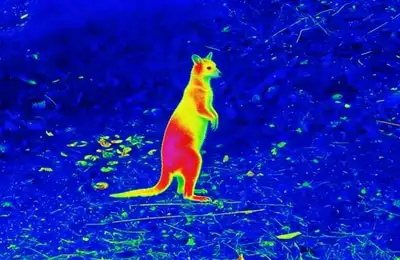
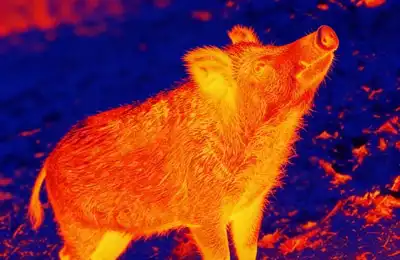
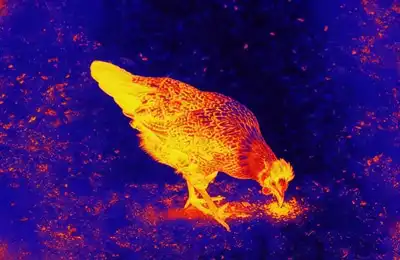
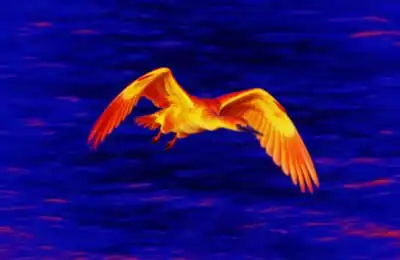
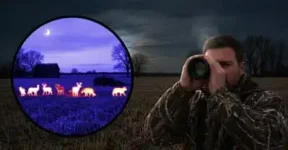
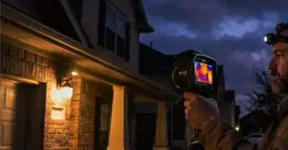
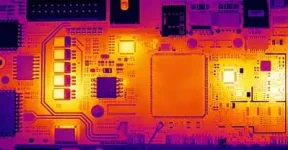
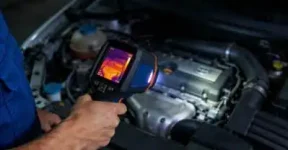
Thermal imaging for hunting and wildlife observation helps locate heat signatures when ordinary optics cannot provide a usable view. Thermal detects temperature contrast and does not require visible light; digital night vision shows more recognisable scene detail but normally relies on ambient light or an infrared illuminator. For responsible field use, treat detection and identification as separate steps.

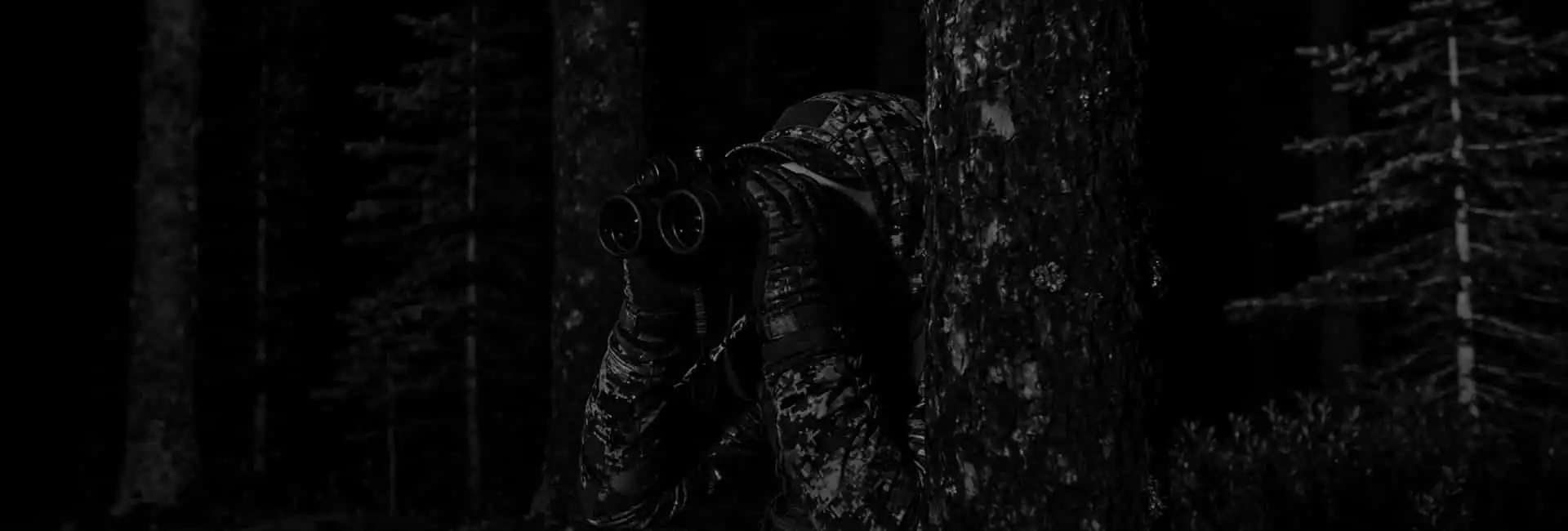
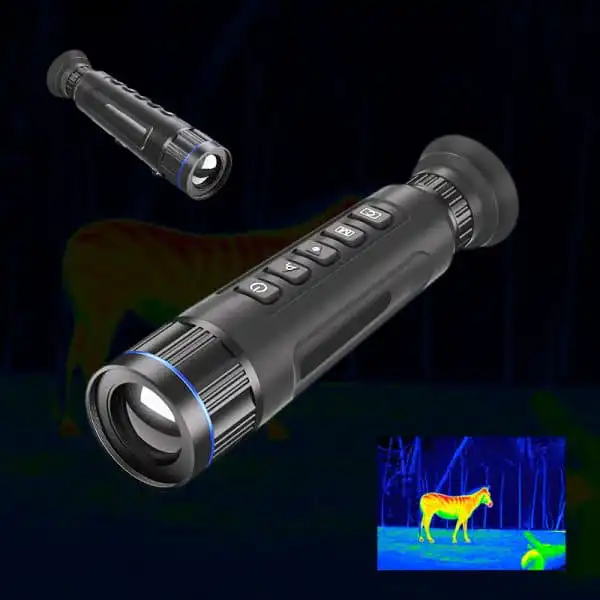
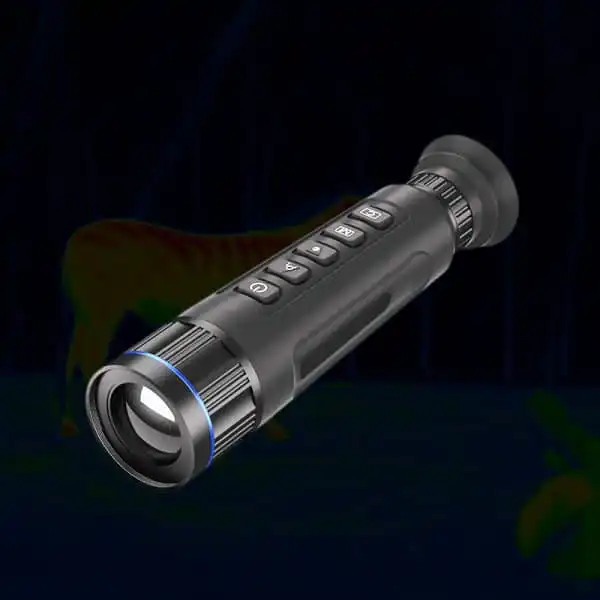
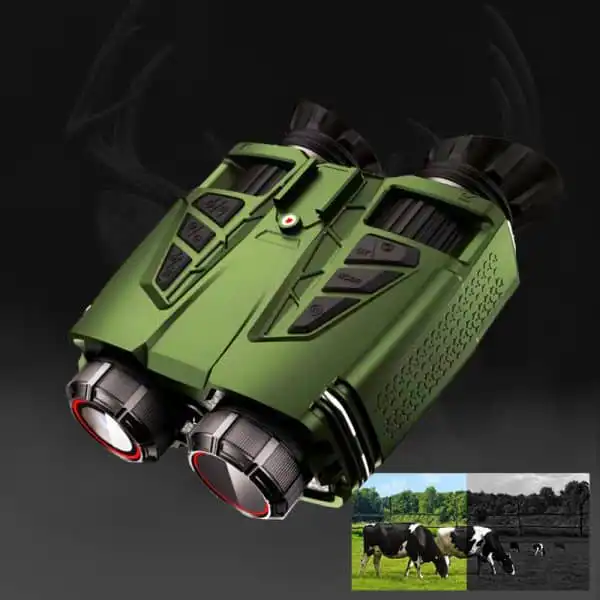
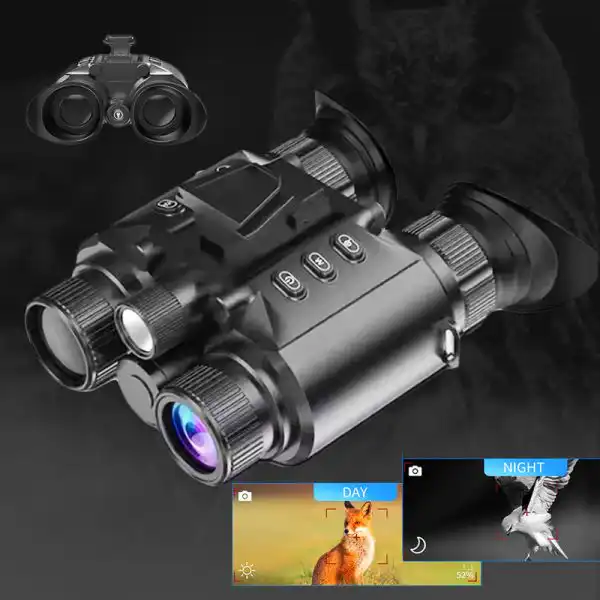
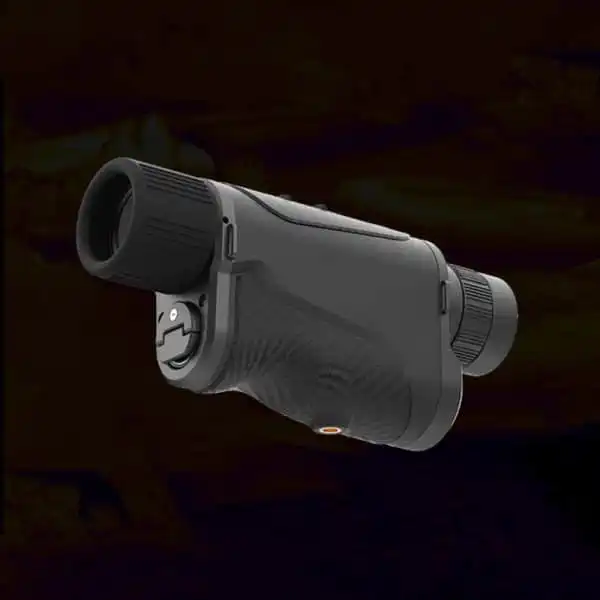
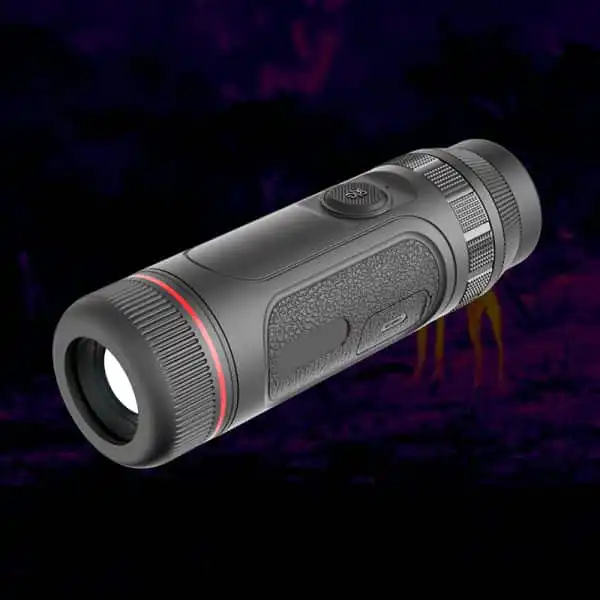
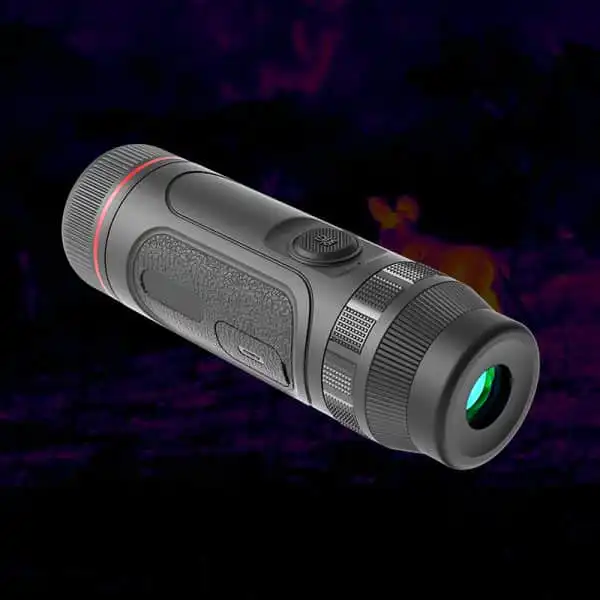
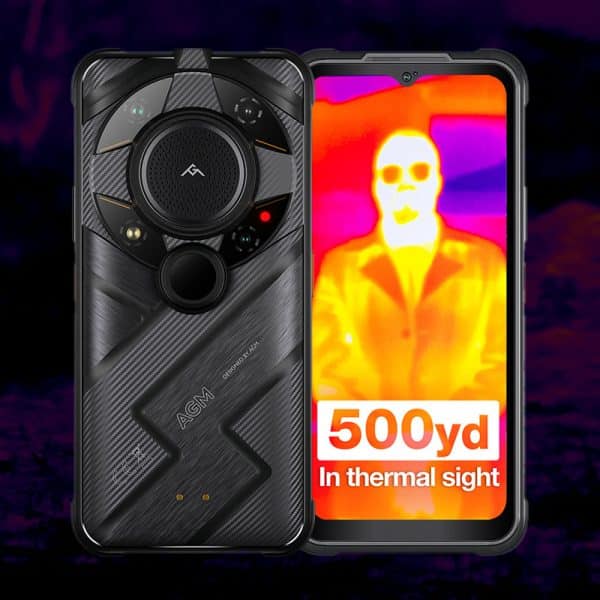
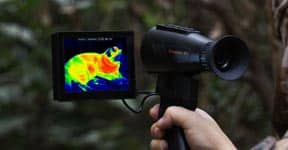
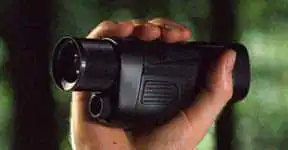
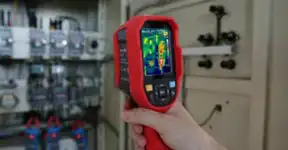
Choose the format around the task: thermal imaging monoculars for portable scanning, night vision binoculars for two-eye viewing and recording, night vision monoculars for compact observation, or thermal rugged phones for field documentation and communication. Hybrid users can also compare thermal and night vision systems.

Choose thermal when: rapid heat detection in darkness is the priority. Compare native thermal resolution, NETD sensitivity, lens focal length, refresh rate and detection range supplied for the target size.

Choose night vision when: terrain, markings and behaviour matter. Compare optical magnification, IR wavelength and power levels, screen resolution, recording quality and stated viewing distance.

Choose a hybrid workflow when: you need thermal for scanning and visible or night-vision detail for confirmation. Always verify local hunting, privacy and wildlife-disturbance rules before use.

Real Hunting, Real Results

Thermal & Night Vision Solutions for Hunters and Wildlife Enthusiasts

Designed for Night Tracking, Field Exploration, and Wildlife Surveillance

Long-Range Detection and Confirmation

Scan open fields, ridgelines and clearings for heat signatures, then confirm the subject with suitable visible or night-vision detail. Useful range depends on target size, lens, native sensor resolution, sensitivity, focus and weather—not one distance figure alone.

  • Locate: use slow, overlapping thermal sweeps.
  • Confirm: switch to detailed optics before identification.
  • Record: save time, position and viewing conditions.

Brush-Line and Trail Scanning

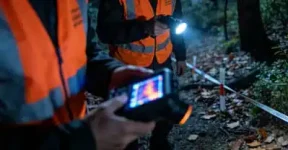
Check woodland edges, openings and trail corridors for exposed heat signatures. Thermal cameras do not see through solid trees or dense vegetation, so change the viewing angle and account for branches, terrain, moisture and warm backgrounds.

  • Scan: pause at gaps and likely crossing points.
  • Compare: revisit uncertain shapes from another angle.
  • Confirm: never identify a subject from heat alone.

Nocturnal Behaviour Observation

Observe movement, feeding areas and travel routes without relying on bright white light. Thermal helps locate a subject, while digital night vision can preserve more recognisable terrain, posture and behavioural context for documentation.

  • Observe: maintain an appropriate viewing distance.
  • Illuminate: use only the IR level the scene needs.
  • Document: compare recording, storage and tripod support.

Search and Recovery Support
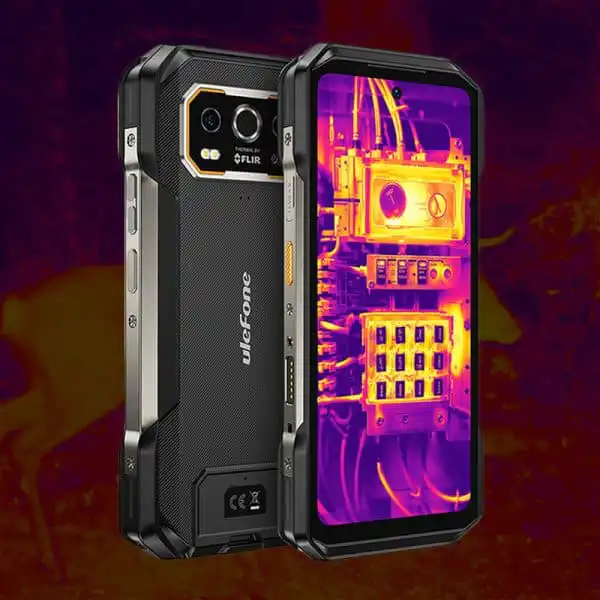
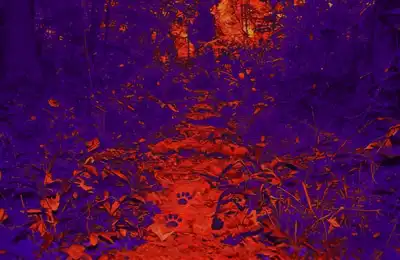
Use thermal contrast to scan for a living animal or recently warm subject in darkness and difficult terrain. Contrast can fade quickly, so the device should support a systematic search rather than be treated as a reliable footprint or residual “heat trail” tracker.

  • Prioritise: check openings, cover edges and likely routes.
  • Rescan: adjust focus, palette and viewing angle.
  • Verify: obtain visual confirmation before approaching.

Campsite and Perimeter Awareness

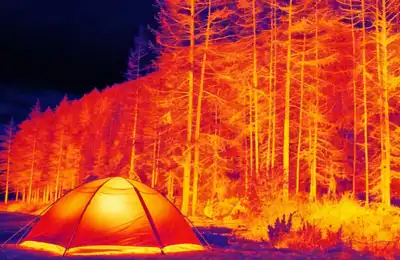
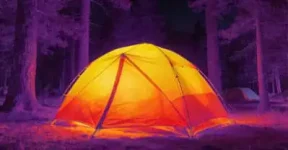
Perform a quiet scan around tents, vehicles, equipment and food-storage areas before moving outside at night. Thermal can reveal exposed animals, while night vision supplies terrain context for safer movement and perimeter checks.

  • Check: cover the full accessible perimeter methodically.
  • Recognise: warm equipment may resemble a heat signature.
  • Respond: keep distance and follow local wildlife guidance.

Wildlife Counts and Field Surveys

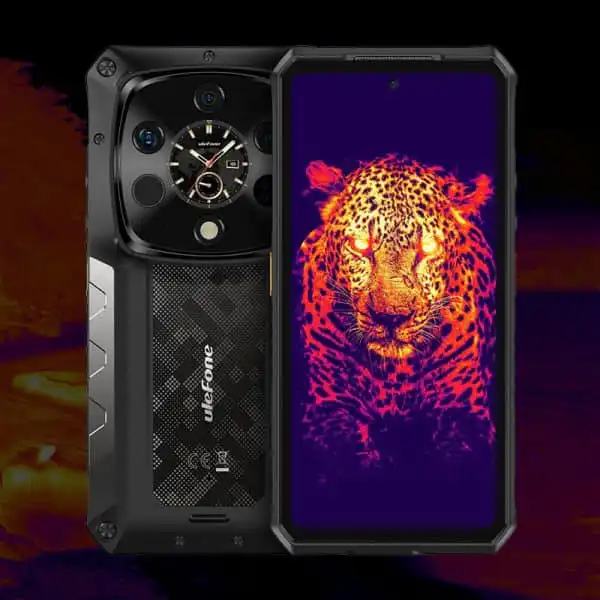
Support non-invasive field observation by locating heat signatures and recording time, place, weather and distance. Thermal can assist counts in open views, although overlapping animals, vegetation and background temperature can affect accuracy.
  • Standardise: repeat the same route and device settings.
  • Document: save images with field notes and conditions.
  • Validate: pair thermal counts with visual evidence.

Compare Night Vision Binoculars for Wildlife Observation

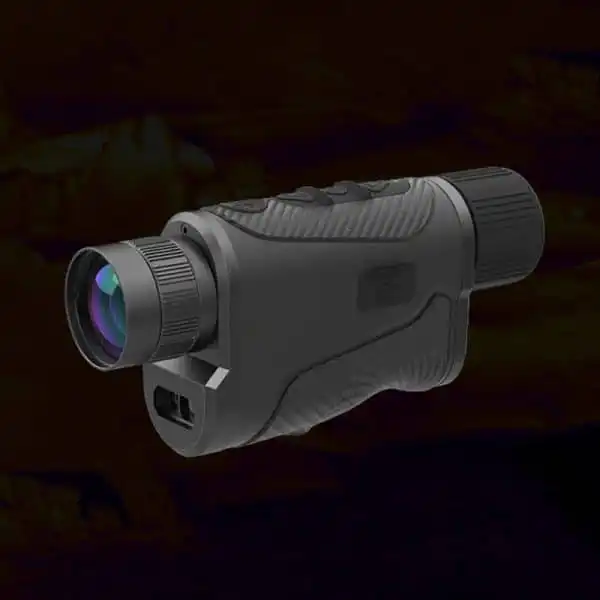
Night Vision for Wildlife Identification and Recording

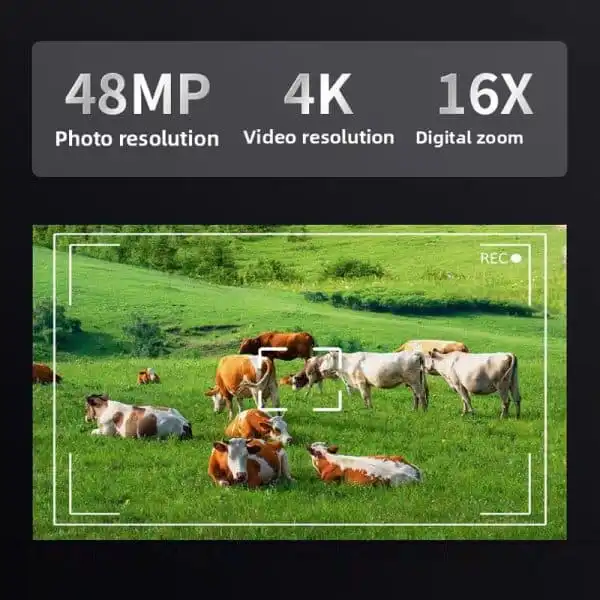
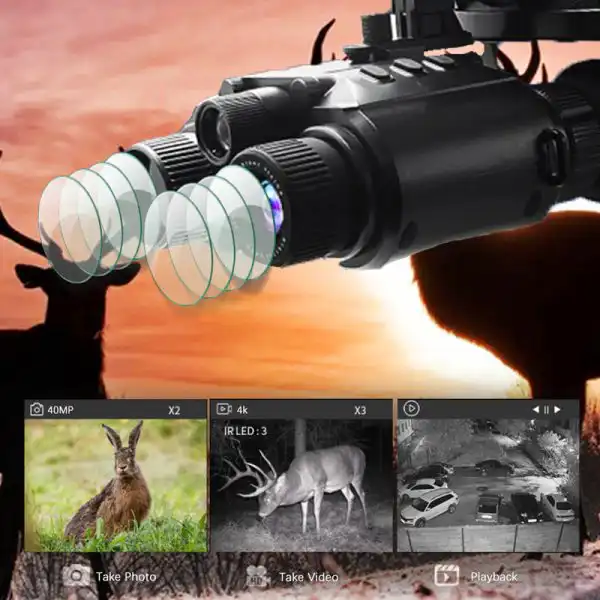
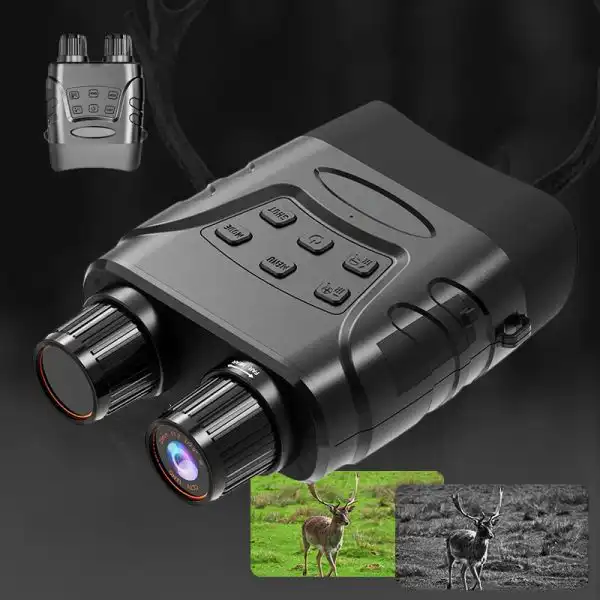
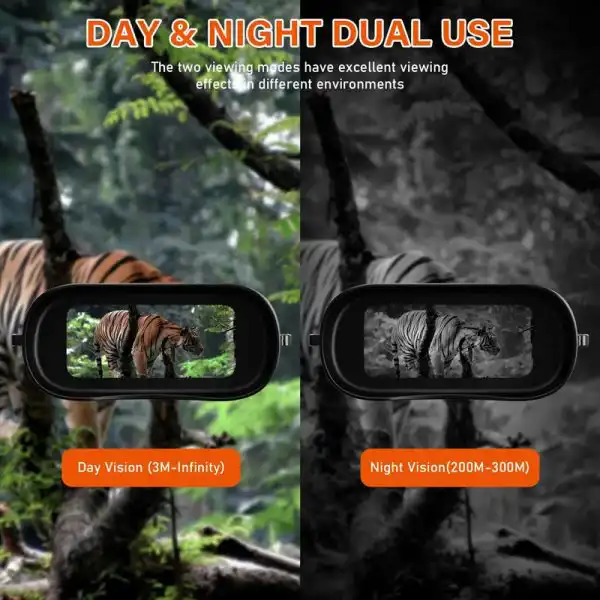
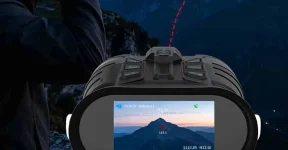
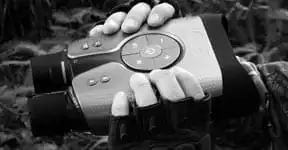
Compare optical magnification, infrared illumination, stated viewing distance, display comfort, recording resolution and battery runtime. Night vision is the better companion when recognisable terrain and animal detail matter after a thermal scan.

4K FHD Night Vision Binoculars | 16x Zoom, WiFi & 850nm IR

Original price was: $269.99.Current price is: $169.99.
Select options This product has multiple variants. The options may be chosen on the product page
Compare Thermal Imaging Monoculars for Hunting and Wildlife

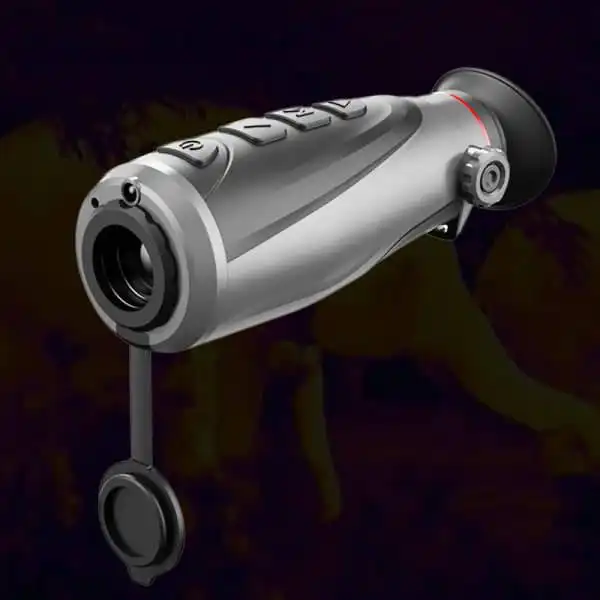
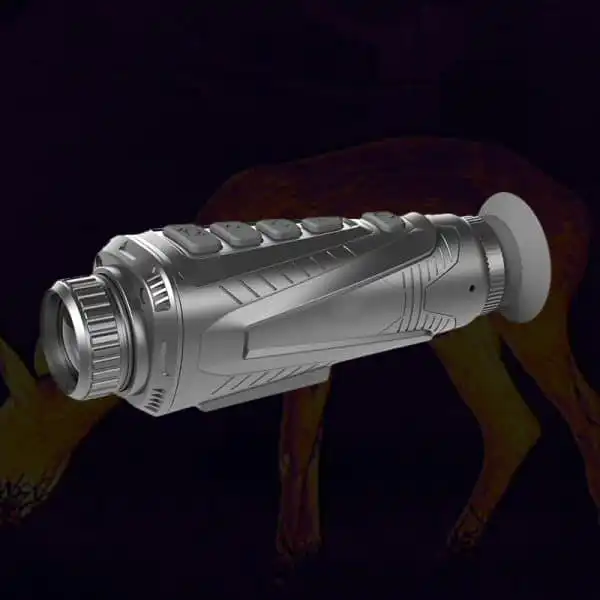
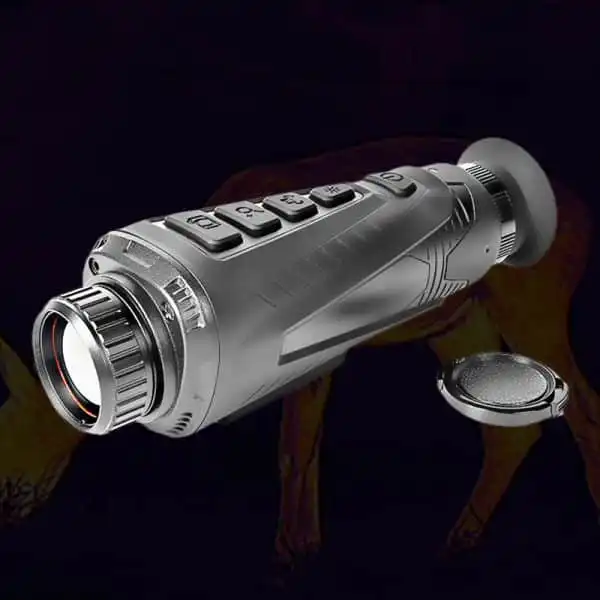
Thermal Monoculars for Detection and Field Scanning

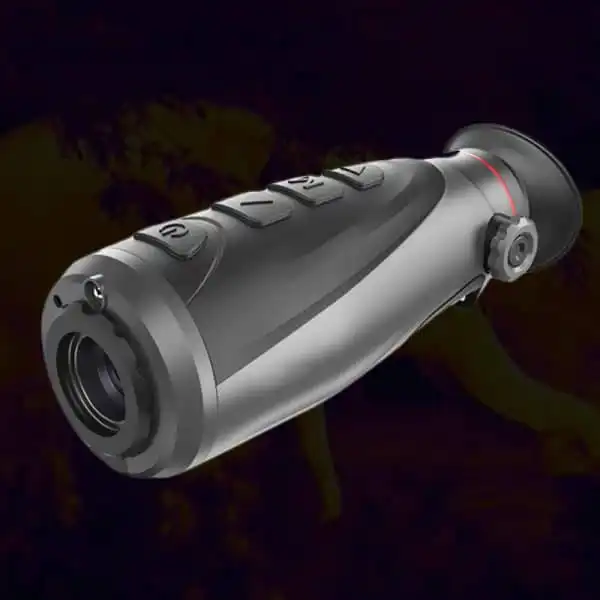
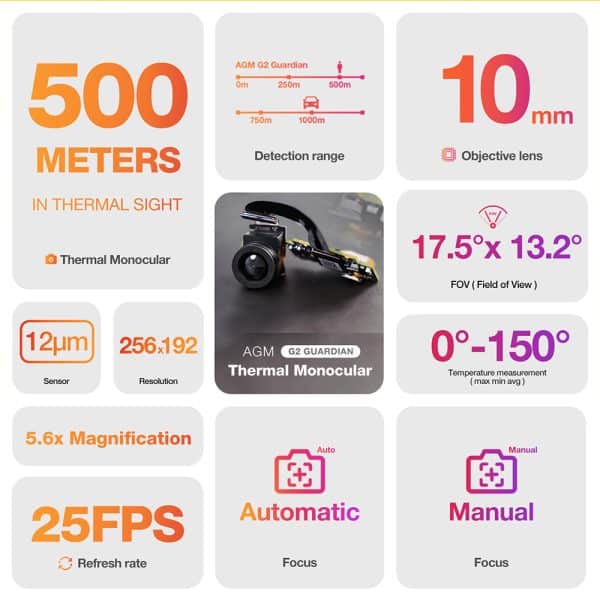
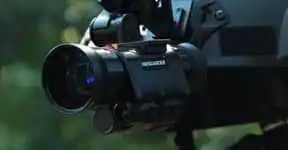
Compare native sensor resolution, NETD sensitivity, focal length, field of view, refresh rate, display, recording, battery and ingress protection. Thermal imaging supports rapid detection, but identification still requires sufficient detail and responsible visual confirmation.
Compare Thermal Phones and Compact Cameras

Portable Thermal Tools for Field Documentation

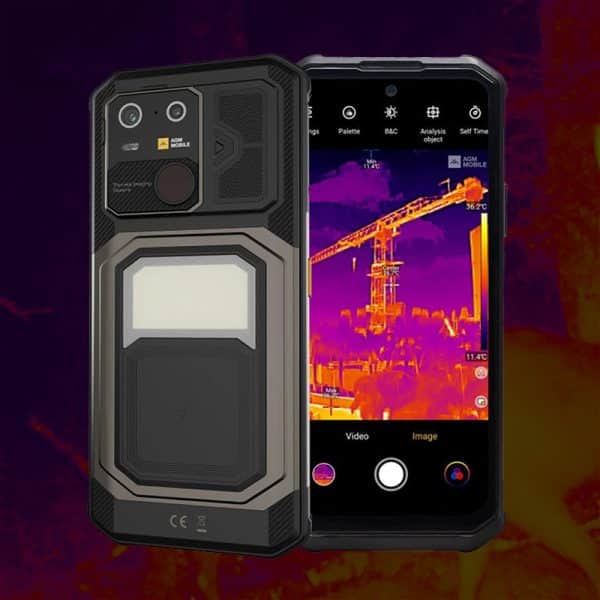
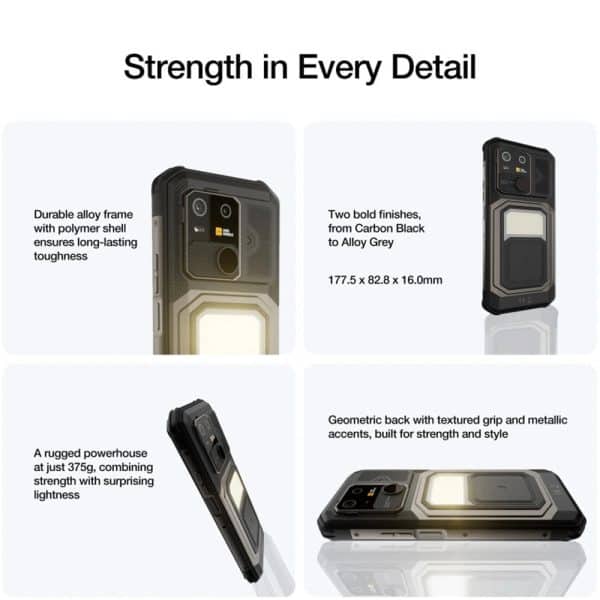
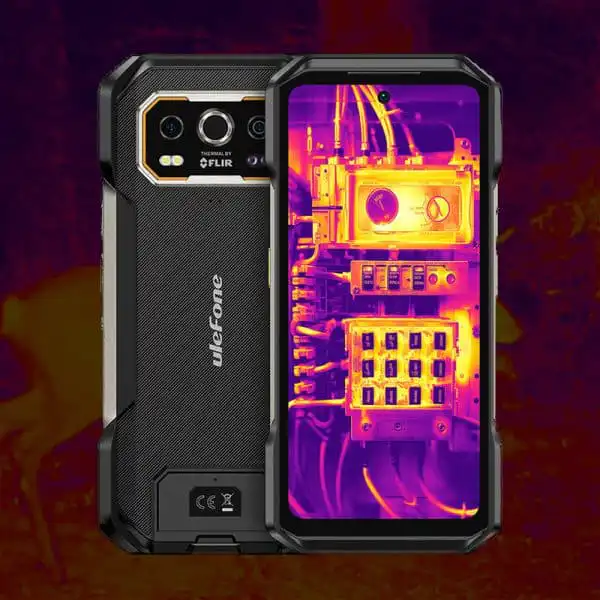
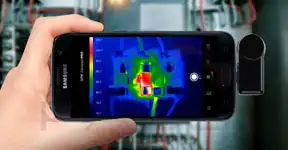
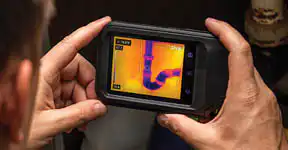
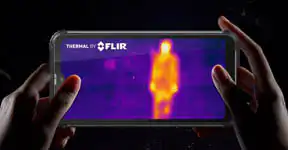
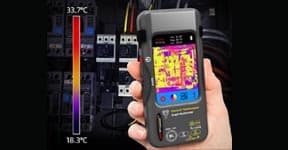
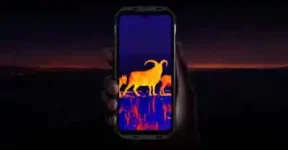
Compare pocket cameras, phone attachments and rugged phones when portability, geotagged notes and rapid documentation matter. Check device compatibility, native thermal resolution, battery impact, weather protection and whether the listed temperature range fits outdoor observation.
Practical Answers Before You Choose

Thermal Imaging for Hunting & Wildlife: Buyer FAQ

Is thermal imaging or night vision better for wildlife observation?

Thermal imaging is usually better for quickly locating heat signatures in darkness. Night vision is usually better for viewing terrain, shape and markings. Many observers scan with thermal and confirm with night vision or visible optics.

What thermal resolution should I compare?

Compare native detector resolution, not an enlarged display or interpolated image figure. Higher native resolution generally preserves more target detail, while lens focal length, NETD sensitivity, focus and viewing distance also affect the useful image.

Can a thermal imager see through bushes, fog or rain?

No thermal camera sees through solid objects or dense vegetation. It may reveal exposed parts of an animal through gaps. Fog, rain, humidity, warm backgrounds and distance can reduce temperature contrast and effective detection performance.

What features matter for night wildlife monitoring?

Prioritise optical magnification, IR wavelength and adjustable illumination, stated viewing distance, recording resolution, screen comfort, storage, battery runtime and tripod support. Avoid judging image quality from digital zoom alone.

Is thermal equipment legal for hunting?

Rules differ by country, state, species, season and activity. Some places permit observation but restrict use while taking game. Check the current rules from the relevant wildlife authority and respect privacy, land-access and animal-disturbance requirements.

Which product category should I start with?

Start with a thermal monocular for dedicated scanning, night vision binoculars for detailed two-eye observation, or a thermal rugged phone when communication and field records are equally important.

What Our Customers Saying

Designed For Nighttime Exploration, Industrial Patrol, and Infrastructure Inspection

Need Help?

Our dedicated team is ready to assist you with any issues before,during,or after your purchase,If you have any questions,please feel free to reath out:

Why Buy From Us?

At THERMAL-IMAGERS.COM, we are dedicated to helping customers find dependable thermal imaging and night vision solutions.

Our platform brings together a wide range of carefully selected devices designed for outdoor exploration, wildlife observation, security monitoring, and professional inspection.

Behind the store is a team of experts and technology enthusiasts who are passionate about thermal imaging and night observation equipment. We carefully select products that deliver reliable performance in real-world environments.

We focus on three simple principles:

Quality Products – We choose devices that offer reliable performance, durability, and practical usability.

Real Expertise in Thermal Imaging
Our team is passionate about thermal imaging and night observation technology. We understand how these devices are used in real environments — from wildlife observation to outdoor exploration and professional inspections.

Customer Satisfaction First – Your satisfaction is our top priority. We aim to provide responsive support and a smooth shopping experience from purchase to delivery.

Our mission is to make advanced imaging technology easier to get and accessible to everyone who needs it.