



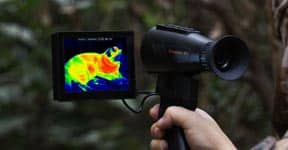
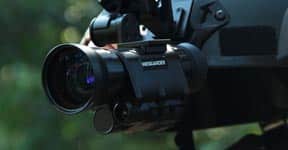
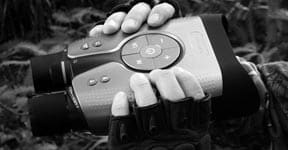
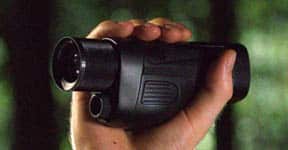
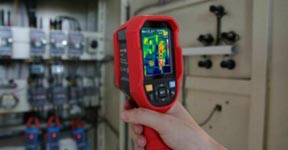
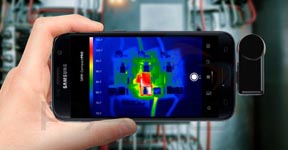
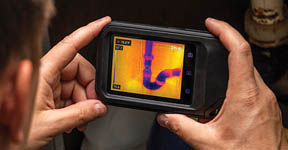
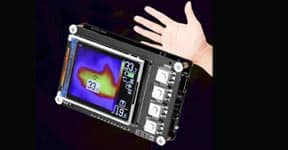


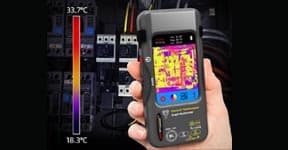


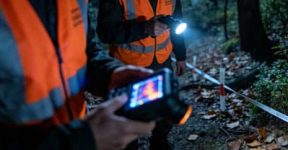


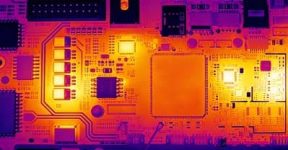
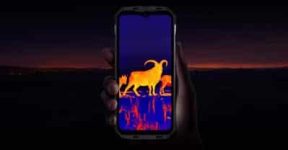
When you first hear about pocket thermal cameras, it’s easy to imagine a futuristic gadget that fits right into your palm — and that’s not far from the truth. These tiny tools have transformed how we see the world, revealing hidden heat patterns and temperature differences that the naked eye could never detect. From home maintenance and electrical inspection to outdoor exploration and DIY projects, pocket thermal cameras are quietly becoming everyday essentials.
But before you click “add to cart,” it’s worth understanding what really matters when choosing the right one. Let’s walk through everything you should know before buying a pocket thermal camera — so you can find one that fits your needs perfectly.
1. Compact Size, Big Capability
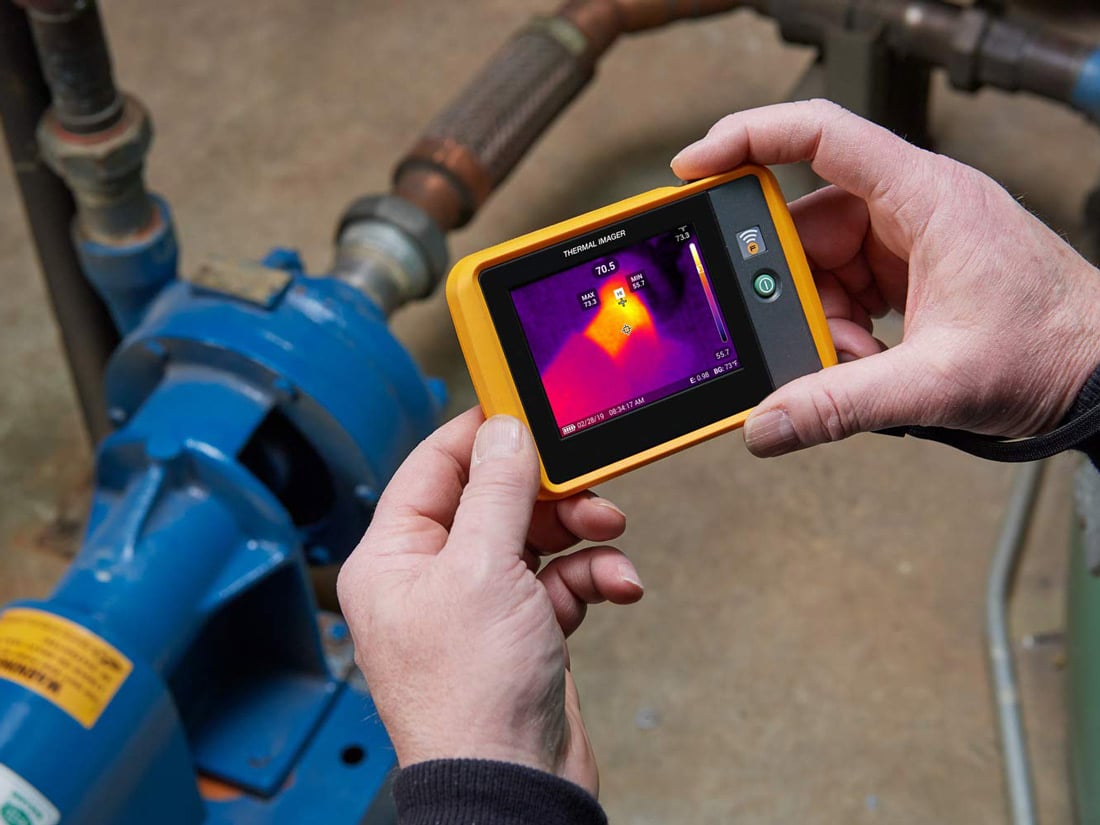
The biggest advantage of a pocket thermal camera is right in its name — pocket. Lightweight, portable, and often no larger than your smartphone, these cameras are designed for quick, on-the-go use. You can slip one into your pocket, backpack, or toolbox without adding any noticeable weight.
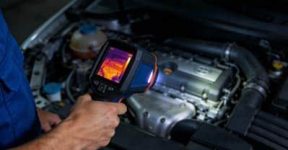
Despite their size, don’t underestimate what they can do. Modern pocket thermal cameras pack impressive sensors and image processors that let you detect temperature variations instantly. Whether you’re locating a heat leak behind a wall, checking your car engine, or spotting wildlife in low light, you’ll be surprised by how powerful such a small device can be.
2. Resolution — The Heart of Image Clarity
When comparing thermal cameras, resolution is a key number to check. It determines how detailed the thermal image will appear.
-
Low resolution (around 120×90 or 160×120) works fine for casual use — like checking heat loss at home or spotting temperature differences in simple tasks.
-
Mid to high resolution (256×192 or 320×240 and above) delivers sharper, smoother images — ideal for professional inspection or detailed diagnostics.
Remember: a higher resolution camera doesn’t just give prettier images; it gives more accurate readings and makes small temperature differences easier to see.
3. Temperature Range and Accuracy
Thermal cameras don’t all measure the same range of heat. Some are designed for daily use (detecting temperatures from -20°C to 300°C), while others can measure much higher.
Before buying, think about your purpose:
-
For home inspection, a standard range is plenty.
-
For industrial or electrical use, a wider range and higher accuracy are essential.
Accuracy is also worth checking — a good pocket thermal camera should keep errors within ±2°C or 2%. The more precise it is, the more trustworthy your results will be.
4. Refresh Rate and Responsiveness
If you plan to use your camera in dynamic situations — say, inspecting moving objects or walking through an area — the refresh rate (measured in Hz) makes a big difference.
A faster refresh rate (50Hz or 60Hz) ensures smoother, real-time imaging, while a lower rate might feel laggy or delayed. For most everyday tasks, 25Hz is acceptable, but if you’re after a more fluid and natural viewing experience, go higher when possible.
5. Ease of Connection and App Compatibility
Most pocket thermal cameras connect directly to your smartphone or tablet, turning it into a full-function thermal viewer. Compatibility matters here — check if it supports your device system (iOS or Android).
A well-designed app should allow you to:
-
Capture photos and videos easily
-
Switch between color palettes
-
View temperature readings in real time
-
Save and share reports conveniently
Good software integration makes your experience smoother and adds value to the device.
6. Battery Life and Power Options
Since pocket thermal cameras are built for portability, long-lasting power is key. Many models draw energy from your smartphone, while others have built-in rechargeable batteries.
If you plan long outdoor use or multiple inspections in a day, choose a camera that can last at least 2–4 hours continuously, or one that supports external power options. There’s nothing worse than running out of battery halfway through a job or hike.
7. Color Palettes and Display Clarity
Thermal images can look vastly different depending on the color palette used. Most devices offer multiple viewing modes like:
-
White hot — simple, clear contrast for general observation
-
Iron red — highlights heat sources vividly
-
Rainbow — ideal for detailed inspections and presentations
Try switching among them to see which best suits your purpose. A clear, bright display (especially OLED) also helps interpret results faster, even in sunlight or at night.
8. Build Quality and Environmental Resistance
Just because it’s small doesn’t mean it should be fragile. A solid housing design, with dust and splash resistance, can make a huge difference — especially if you plan to use it outdoors or on job sites.
If you’re often in unpredictable conditions, look for a pocket thermal camera with good impact protection or one that can handle light rain and temperature changes. Durability ensures longevity, and that’s where quality construction really pays off.
9. Real-World Applications — Where It Shines
Pocket thermal cameras may be small, but their uses are big. You can use them for:
-
Home maintenance — detecting insulation leaks or pipe issues
-
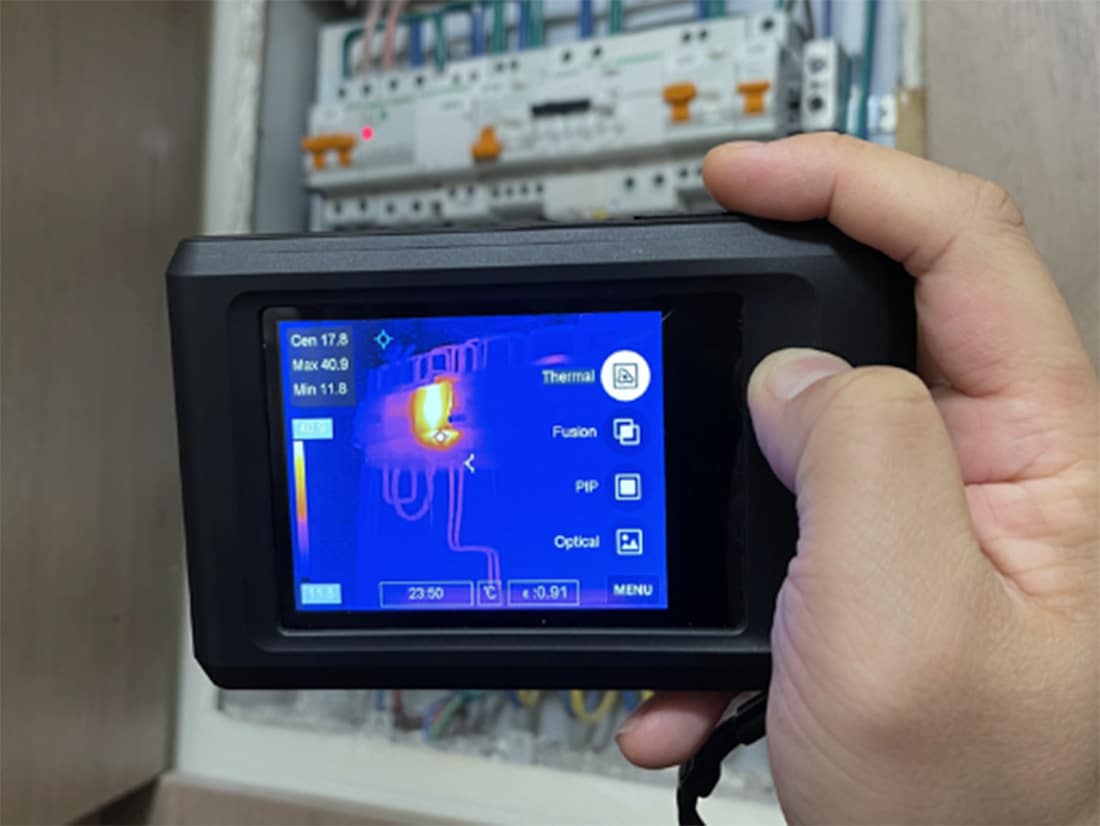
Electrical inspection — spotting overheating components safely
-
Outdoor adventures — finding warm-blooded animals or tracking trails
-
Automotive diagnosis — checking engines and brakes for heat imbalance
-
DIY and education — visualizing heat in creative science projects
Once you start using one, you’ll realize it’s not just a gadget — it’s a practical problem-solver.
10. Final Thoughts: Small Device, Big Difference
Choosing the right pocket thermal camera is all about balance — between portability, performance, and price. Don’t get distracted by fancy marketing; focus on specs that match how and where you’ll actually use it.
If you need something lightweight, quick, and smart, a compact thermal camera can easily fit your lifestyle — whether that’s fixing things around the house or exploring the outdoors at night.
In short, a good pocket thermal camera doesn’t just show you heat — it shows you what’s really happening, clearly and instantly. Small as it is, it opens up a whole new way of seeing the world