



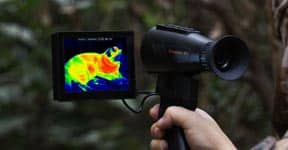

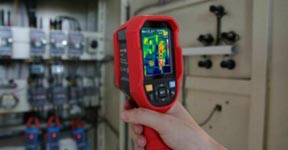
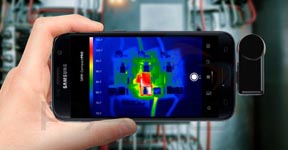
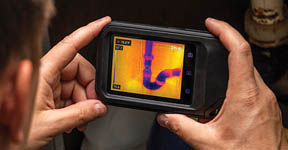
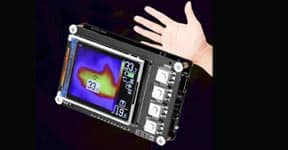


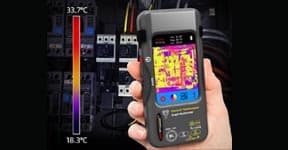





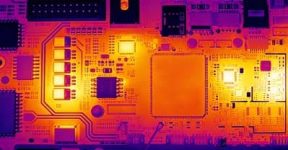

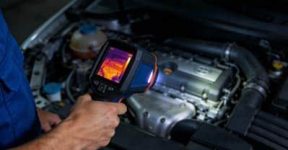

Modern electrical work isn’t just about measuring voltage or resistance anymore — it’s about seeing beyond what the naked eye can detect. That’s where Thermal Imager Multimeters step in, combining the accuracy of a professional multimeter with the power of thermal imaging technology. They not only measure but visualize — letting you spot temperature differences, hidden faults, and potential issues before they become real problems.
If you’re planning to buy one, here are some essential tips that can help you make the right choice — whether you’re a field technician, maintenance worker, or a DIY enthusiast who loves precision.
1. Understand What Makes It Different
A regular multimeter tells you what’s wrong through numbers. A thermal imager multimeter, on the other hand, shows you the problem visually. It overlays temperature data with electrical readings, giving you both the “where” and “why” of an issue.
Before buying, make sure you know what kind of tasks you’ll be using it for.
-
For electrical panel inspection, thermal imaging helps you detect overheating circuits.
-
For HVAC maintenance, it identifies temperature variations in compressors or ducts.
-
For industrial use, it spots motor imbalances and insulation breakdowns instantly.
Understanding your use case ensures you choose a tool that truly fits your work.

2. Check the Thermal Resolution and Sensitivity
Not all thermal imagers are built the same. Resolution defines how detailed the thermal image will be.
-
Low-resolution models (around 80×60 or 120×90) are good for quick spot checks.
-
Mid-range options (160×120 or 256×192) offer clear visuals for most maintenance tasks.
-
High-resolution models (320×240 or more) are ideal for professional diagnostics.
Alongside resolution, look for thermal sensitivity (NETD) — the lower the value (like <50mK), the better it can detect small temperature differences. If you’re tracing overheating components or loose connections, higher sensitivity helps catch issues early.
3. Accuracy Matters — Both Electrical and Thermal
A great multimeter isn’t just about visuals — accuracy is everything. Check these specs carefully:
-
Voltage accuracy: typically ±0.5% or better for reliable readings.
-
Temperature accuracy: within ±2°C or 2% is a good standard.
Both systems — thermal and electrical — should work seamlessly together. If the readings don’t align well, it could mislead your diagnosis, especially in precision work like board-level repairs or system calibration.
4. Display and Interface Design
Since thermal data can be complex, an easy-to-read display makes a huge difference. Look for:
-
A bright, color screen (preferably LCD or OLED)
-
Intuitive menus for switching between thermal and multimeter modes
-
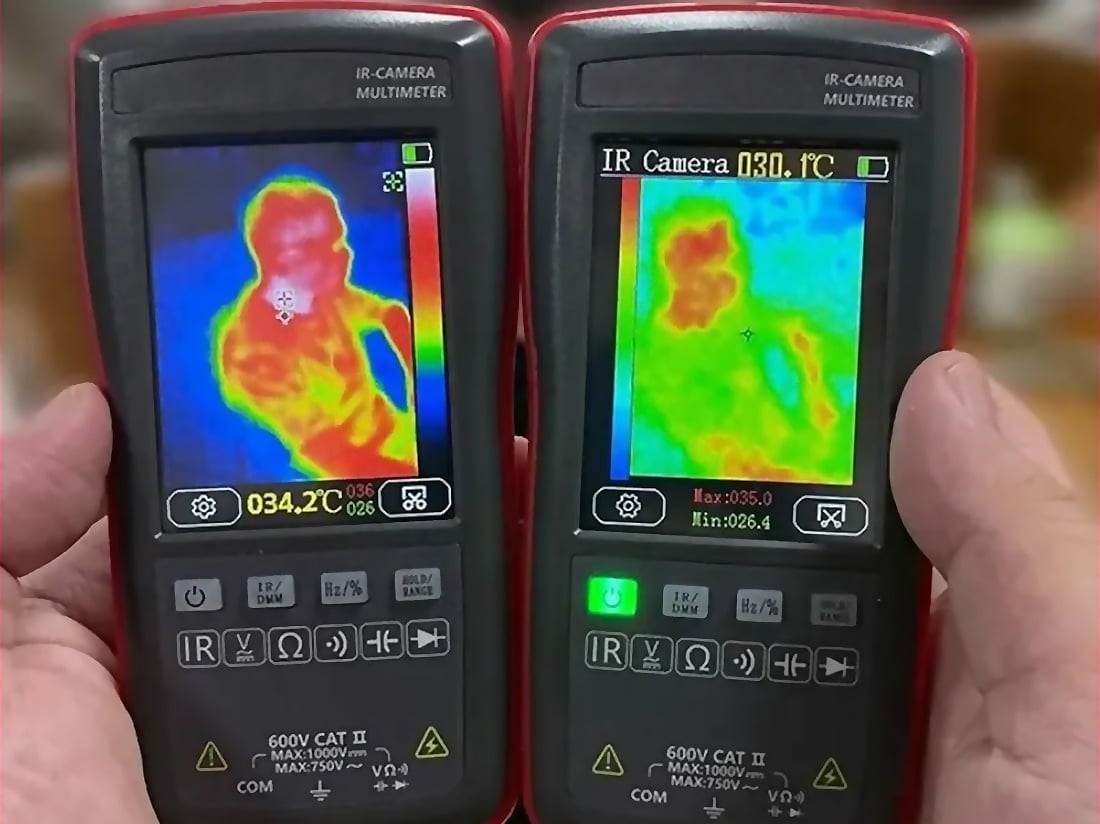
Real-time temperature overlays on visual images
Some models even allow you to compare hot and cold spots on-screen instantly, saving you time during inspections. A well-designed interface is not just convenience — it’s efficiency in action.
5. Consider Durability and Safety Ratings
Thermal Imager Multimeters are often used in demanding environments — from workshops to outdoor job sites. That means durability matters.
Choose models with:
-
Strong protective casing to resist drops and dust
-
Ingress protection (IP) rating for water and dust resistance
-
Safety certification (such as CAT III or CAT IV) to ensure safe operation with electrical systems
These details might seem small, but they protect both you and your investment in the long run.
6. Battery Life and Power Options
Combining a camera with a multimeter naturally consumes more power. Check for battery capacity and charging methods.
For field professionals, long battery life (6–8 hours or more) is essential, especially during long inspection days. Models with USB charging or removable batteries offer extra flexibility — no one wants to stop mid-inspection because the device ran out of juice.
7. Software Integration and Data Management
In modern workflows, thermal data isn’t just for the moment — it’s for analysis. A good thermal imager multimeter should allow you to:
-
Capture thermal images and readings simultaneously
-
Store and export data for reports
-
Connect via USB or wireless to analyze on your PC or mobile device
Some devices even include analysis tools to help generate inspection summaries automatically — a huge advantage for technicians who need to deliver client reports.
8. Think About Size and Portability
One underrated factor is portability. If you’re constantly on the move — climbing ladders, working in tight panels, or carrying multiple tools — every gram counts.
A compact and ergonomic design ensures comfort during long hours. Some thermal imager multimeters also include a wrist strap or magnetic hook, making hands-free operation easier during electrical testing.
9. Field Applications You Might Not Expect
A Thermal Imager Multimeter is more versatile than it looks. Apart from typical maintenance and inspection work, it can also be used for:
-
Detecting thermal inefficiencies in small devices or machinery
-
Identifying failing resistors or ICs on circuit boards
-
Locating hidden wiring faults or connection issues
-
Spotting energy loss in HVAC components
Once you’ve used one, you’ll quickly realize how much faster and safer it makes your diagnostics.
10. Balance Cost with Long-Term Value
Finally, price shouldn’t be the only deciding factor. While cheaper options might seem attractive, they often sacrifice image quality, durability, or software support.
Invest in one that offers reliable performance, serviceable calibration, and firmware updates — this ensures your tool stays useful for years, not months. The right thermal imager multimeter pays for itself quickly through faster problem detection and fewer equipment failures.
Final Thoughts
Buying a Thermal Imager Multimeter isn’t just about adding another tool to your kit — it’s about upgrading the way you see and work. It combines two essential diagnostic technologies into one compact, intelligent system that helps you make faster, smarter decisions.
So before you buy, take a little time to compare resolution, sensitivity, accuracy, and safety features. Once you find the right match, you’ll wonder how you ever worked without it.
Small device. Big insight. Real results.