



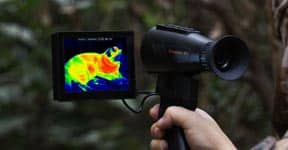
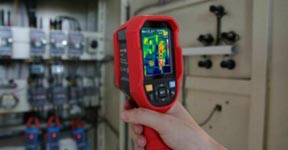
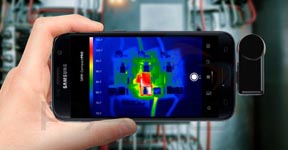
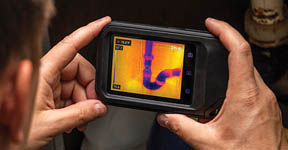
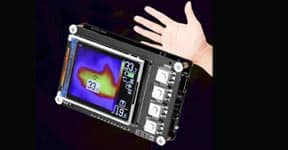


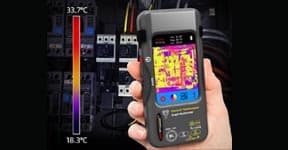


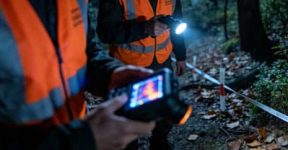


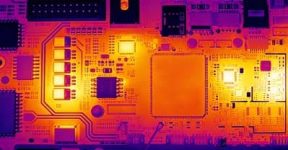
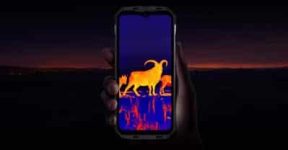
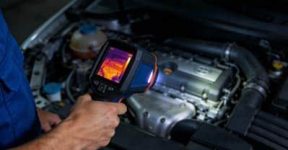
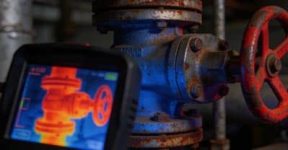
For years, thermal imaging was seen as something futuristic — a tool used only by professionals in construction, electrical maintenance, or industrial inspection. The devices were big, expensive, and definitely not something the average person would carry around. But that’s changing fast. Today, Smartphone Thermal Cameras have transformed the way we look at heat detection, bringing professional-level infrared imaging right to your pocket.
1. Understanding the Basics: What Is a Smartphone Thermal Camera?
A Smartphone Thermal Camera is a compact, plug-in infrared module that allows your mobile phone to detect and visualize temperature differences. It connects via USB-C or Lightning port and instantly turns your phone into a powerful thermal imager.
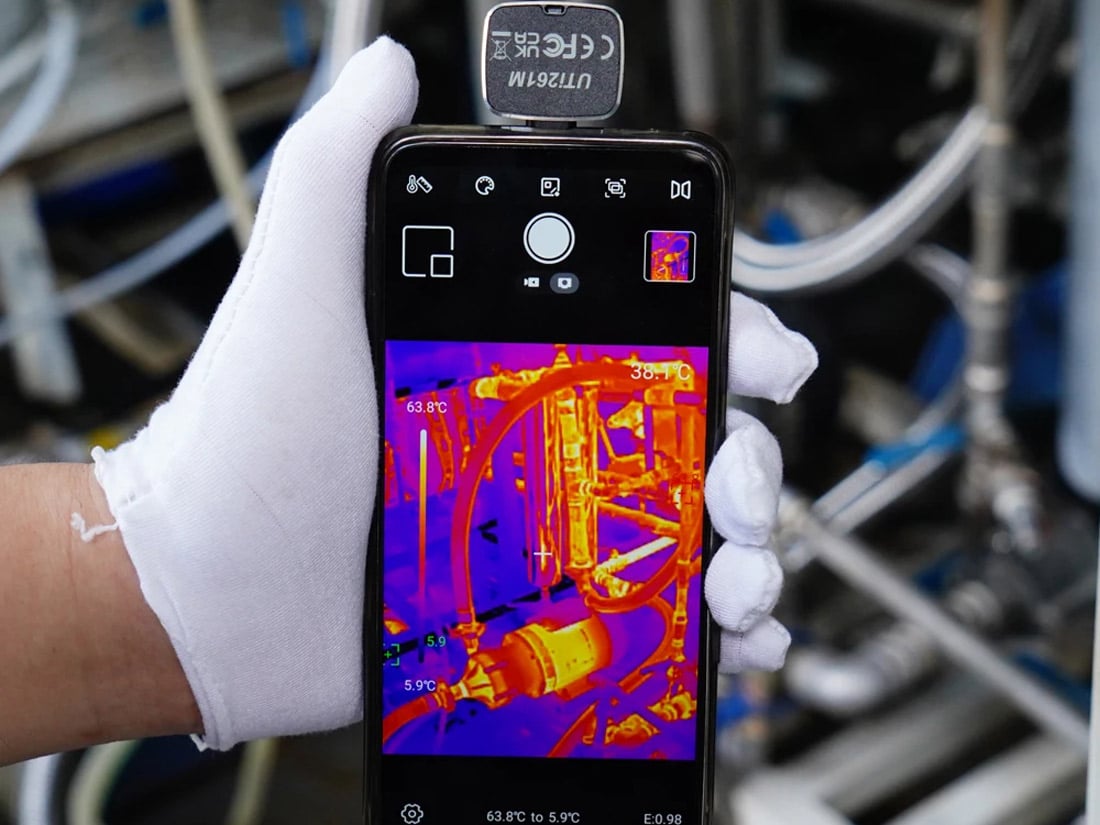
Here’s how it works: every object emits infrared radiation — invisible energy that correlates to its temperature. The thermal camera captures that radiation using a microbolometer sensor, converts it into data, and then displays a color-coded image on your phone’s screen. The hottest areas appear as red, orange, or yellow, while cooler areas show up as blue or purple.
In short, it lets you “see” heat — something the naked eye can never do.
2. How Does Thermal Imaging Work?
Thermal imaging doesn’t rely on visible light like traditional cameras. Instead, it reads infrared wavelengths that objects naturally emit. This is why thermal cameras can “see” perfectly in total darkness or through light fog and smoke.
The image you see on your screen is called a thermogram — a visual map of temperature variations. The built-in software in your phone processes this data, assigns colors to different temperature zones, and produces a live heat map you can interact with.
This technology is widely used for detecting electrical issues, mechanical faults, insulation leaks, and even for outdoor wildlife observation.
3. Why Smartphone Thermal Cameras Are Becoming So Popular
In the past, you’d need to spend thousands of dollars to get access to thermal imaging technology. Now, with these compact smartphone modules, thermal vision has become accessible to almost everyone.
Here’s why they’re winning so many fans:
a. Compact and Portable
You can carry one anywhere — they’re about the size of a USB flash drive. Slip it into your pocket or backpack, and you’ve got a thermal imager ready whenever you need it.
b. Affordable and Practical
These devices are much cheaper than traditional handheld models but still provide surprisingly good accuracy for daily use. Whether for work or curiosity, they’re a cost-effective entry into the world of infrared imaging.
c. Real-Time Visualization and Sharing
The companion apps that come with these cameras allow you to record videos, take thermal photos, adjust palettes, and share results directly from your phone — perfect for professionals who need quick reporting or hobbyists who love sharing discoveries.
d. Day or Night Performance
Because they rely on heat signatures rather than visible light, smartphone thermal cameras can work 24/7 — in total darkness, bright daylight, or through mild fog and smoke.
4. Key Things to Consider Before Buying One
If you’re planning to get a Smartphone Thermal Camera, a few specifications matter more than others:
-
Resolution: Determines how detailed the thermal image will be. Entry-level models might start at 120×90 pixels, while high-end ones can go up to 320×240 or more.
-
Frame Rate: A faster refresh rate (above 25Hz) ensures smoother video and accurate tracking of moving targets.
-
Temperature Range: Different models are built for different ranges. For home use, -20°C to 300°C might be enough, while industrial tasks may require up to 600°C.
-
Field of View (FOV): A wider field captures more area in a single frame — ideal for inspections.
-
App Compatibility: Make sure the device supports your operating system and comes with a user-friendly interface for analysis and data export.
5. Common Applications in Daily and Professional Life
The appeal of smartphone thermal imaging extends far beyond professionals. It’s become a multipurpose tool for people in countless fields:
-
Home Inspection: Identify insulation gaps, window leaks, or hidden moisture without tearing down walls.
-
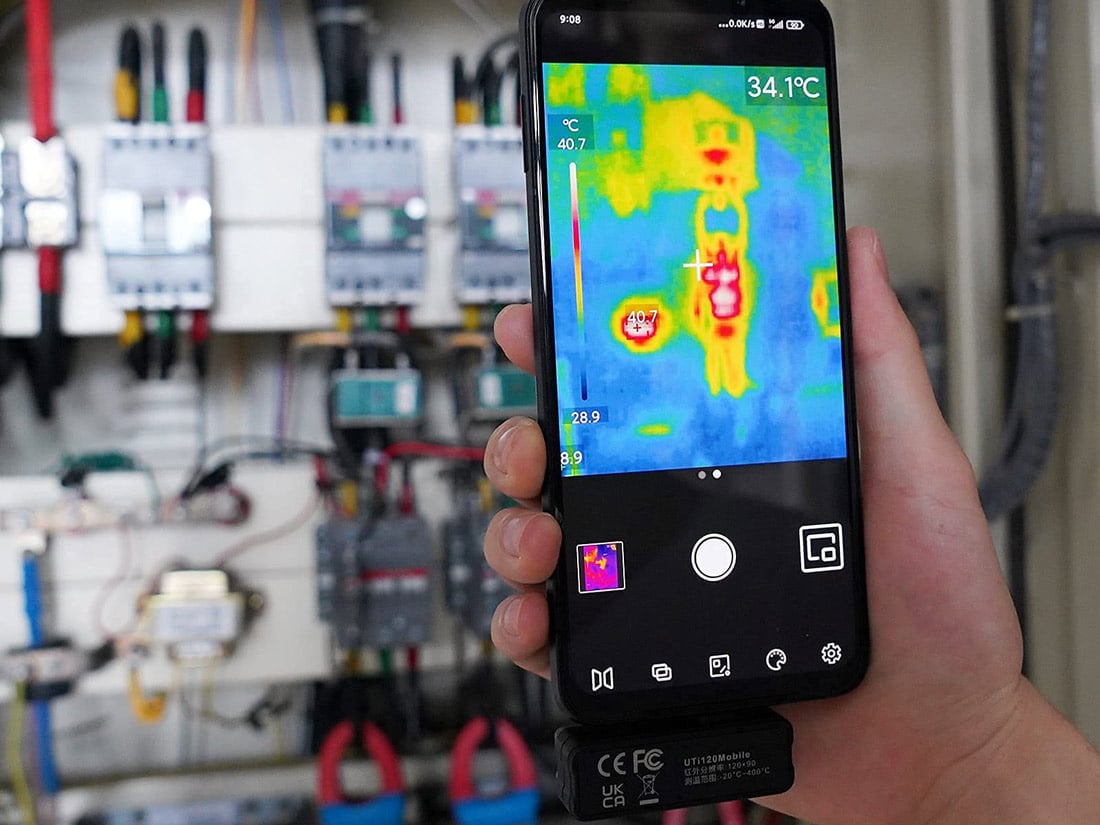
Electrical Maintenance: Spot overheating components or loose connections before they become serious problems.
-
HVAC Work: Detect air leaks or test heating systems with quick, non-contact scans.
-
Automotive Diagnostics: Find overheating parts or friction points in engines and brakes.
-
Outdoor Exploration: Locate animals at night or navigate dark trails with confidence.
-
Search and Rescue: Detect warm bodies in low-visibility areas during emergencies.
Even DIY enthusiasts use them to find energy loss around the home or locate missing pets in the dark.
6. Advantages Over Traditional Handheld Thermal Imagers
While professional handheld thermal imagers still have higher specs, smartphone-based models offer incredible convenience. They weigh less, cost less, and work seamlessly with your mobile device — making them ideal for quick inspections or fieldwork.
Plus, all your data stays digital: you can store images, record videos, and generate reports on the go without extra hardware. This kind of instant analysis and sharing is what makes smartphone thermal cameras so appealing in modern, mobile-first workplaces.
7. Maintenance and Best Practices
To ensure your Smartphone Thermal Camera stays accurate and reliable, remember:
-
Avoid exposing the lens to direct sunlight for long periods.
-
Keep the sensor clean with a soft microfiber cloth.
-
Store the device in a cool, dry place when not in use.
-
Update the companion app regularly to access the latest calibration and features.
With minimal care, your thermal camera can remain accurate for years.
8. The Future of Mobile Thermal Imaging
Smartphone thermal imaging is still evolving. As sensors become more advanced and mobile processors more powerful, expect even higher resolution, faster refresh rates, and smarter AI-based temperature analysis.
In the near future, we might see phones that integrate thermal sensors directly into their camera systems, blurring the line between consumer gadgets and professional inspection tools.
Conclusion: Turning Your Phone into a Thermal Powerhouse
So, can your phone really become a thermal imager? The answer is yes — and it’s more capable than you might imagine.
A Smartphone Thermal Camera transforms your everyday device into a tool for exploration, inspection, and discovery. It opens a new world of invisible insights, from detecting hidden heat leaks at home to uncovering wildlife at night. Compact, affordable, and incredibly versatile, it’s one of those rare gadgets that’s both practical and fascinating — a perfect blend of modern technology and human curiosity.
In short, your phone isn’t just smart anymore — with a thermal camera, it’s seeing the world in a completely new light.