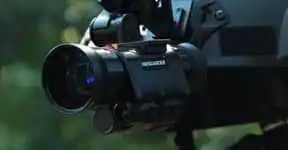
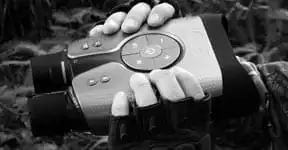
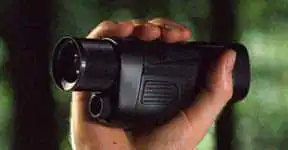
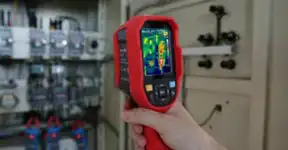
When the night falls and the world quiets down, that’s when the real wilderness comes alive. For wildlife enthusiasts, hunters, or outdoor explorers, spotting animals in the dark used to be nearly impossible. But with the rise of Thermal Imaging Monoculars, the game has completely changed — literally and figuratively. These compact devices bring unseen worlds into clear focus, making them indispensable tools for night exploration, animal observation, and outdoor safety.
Seeing Beyond the Visible
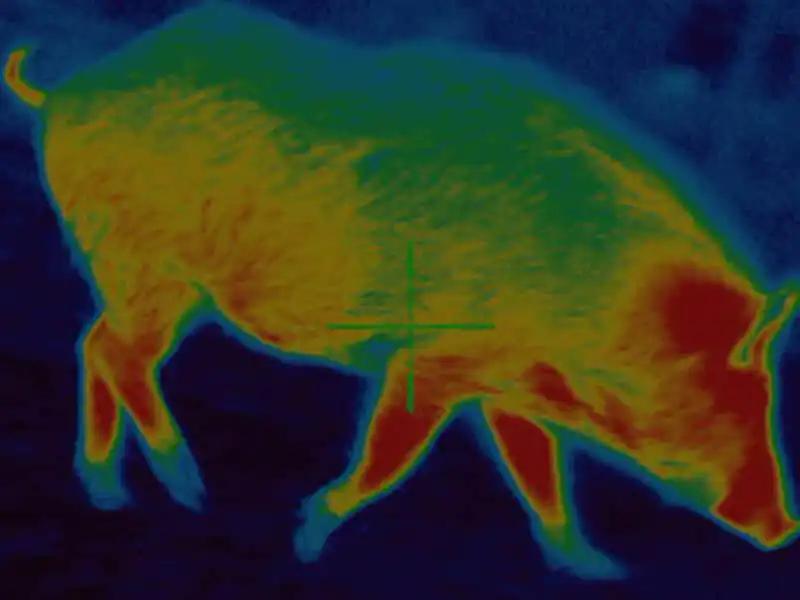
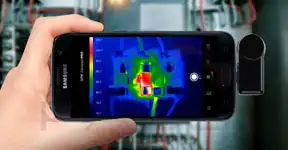
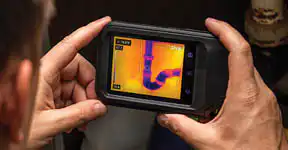
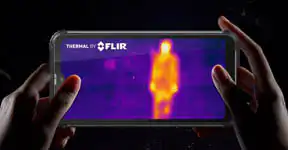
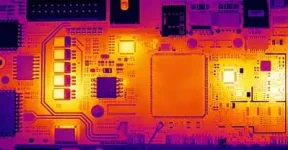
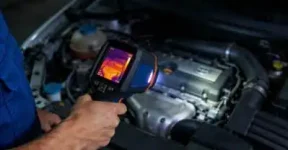
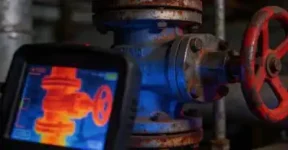
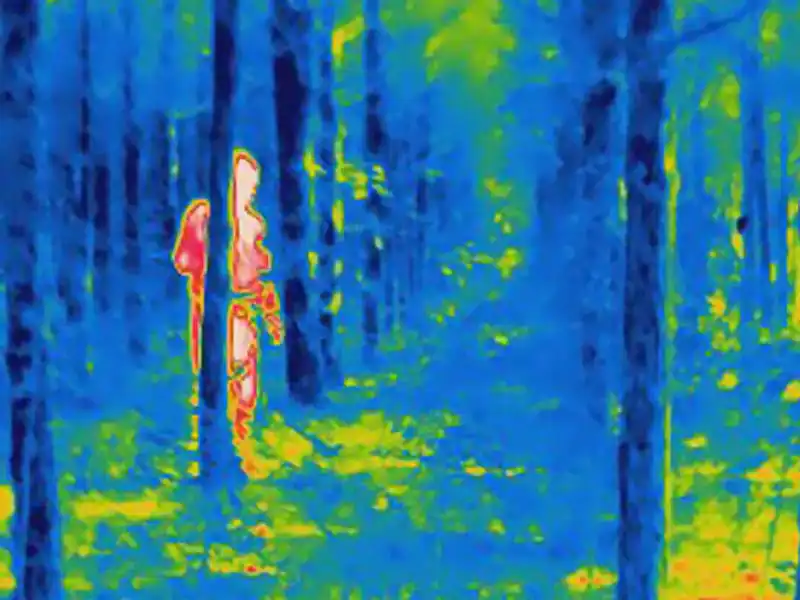
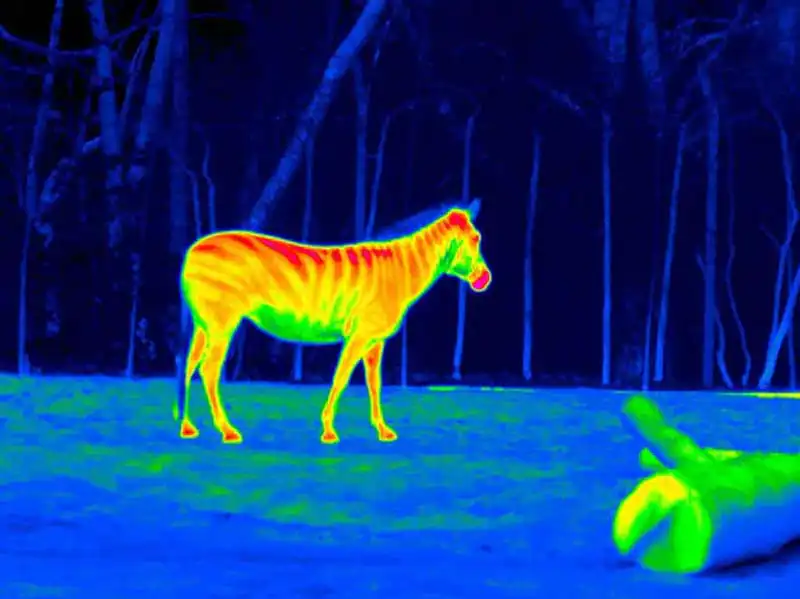
A Thermal Imaging Monocular doesn’t rely on light — it reads heat. Every object emits infrared radiation, even in complete darkness. The monocular detects these temperature differences and converts them into visible images, allowing you to “see” living creatures hidden in thick foliage, behind obstacles, or in pitch-black conditions.
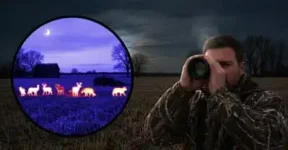
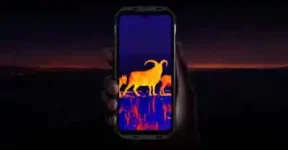
Imagine walking through a dense forest at night: with your naked eye, everything looks like a shadowy blur. But through a thermal monocular, animals glow clearly against their cooler surroundings — every movement, every shape stands out. It’s like having night vision superpowers, but powered by science.
 Compact, Smart, and Field-Ready
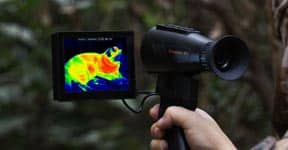
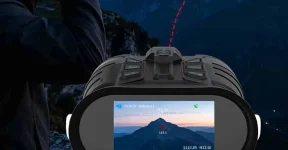
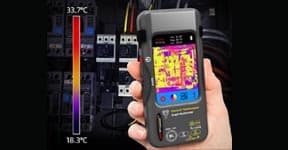
Modern Thermal Imaging Monoculars are designed to be lightweight and portable — easy to hold in one hand and quick to operate. They fit comfortably in a pocket or hang from your neck without weighing you down. Many come with adjustable brightness levels, multiple color palettes (like white-hot, black-hot, or rainbow), and digital zoom for precise detection.
Some models even support Wi-Fi connectivity, so you can stream or record your view directly to your smartphone. Whether you’re documenting animal behavior for research or sharing your night adventures online, these features make the experience far more interactive and fun.
Practical Uses Beyond Wildlife
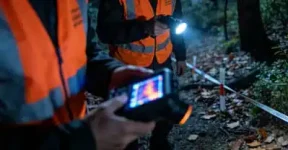
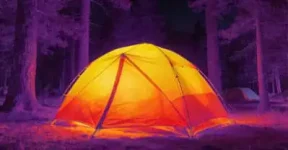
While Thermal Imaging Monoculars are favorites among animal trackers and nature photographers, they also have serious practical applications. Search and rescue teams use them to locate missing persons in low-visibility conditions. Campers and hikers rely on them for spotting heat sources, campfires, or even potential hazards in the dark. Farmers use them to monitor livestock at night or detect predators around barns and fields.
In short — if it involves the outdoors, a thermal monocular can make it safer and smarter.
Why It’s Worth Having One
A Thermal Imaging Monocular is more than just cool tech; it’s a reliable partner for anyone who loves exploring. It bridges the gap between curiosity and clarity — between what you think is out there and what’s actually there. You don’t just observe; you experience the unseen.
So whether you’re tracking animals, hiking after sunset, or just want to see the world from a different perspective, a thermal monocular gives you an advantage no flashlight ever could. Once you’ve used one, you’ll never go back to guessing what’s hiding in the dark.