



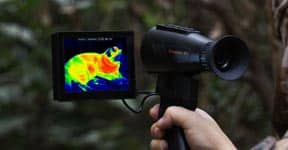

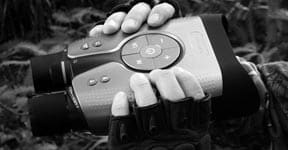

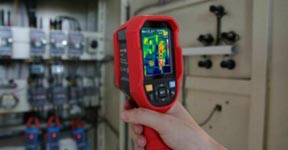
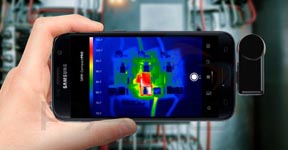
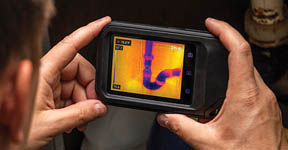
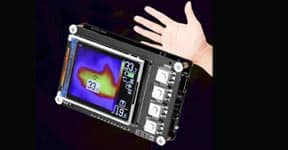


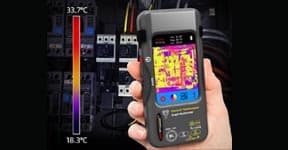





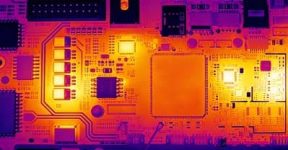

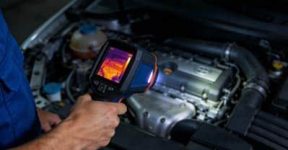
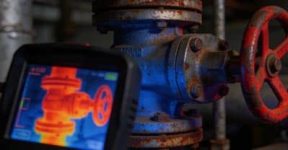
In today’s world of fast-paced engineering and maintenance, accuracy and efficiency are everything. Detecting small issues before they become big problems can save hours of work — and a lot of money. That’s where the Thermal Imaging Analyzer comes in. This powerful tool combines precise temperature measurement with visual imaging, giving you the ability to spot abnormal heat signatures instantly, even in complex systems.
Let’s take a closer look at how this technology works, why it’s so effective, and how it can transform the way you troubleshoot and maintain electrical, electronic, or mechanical systems.
What Exactly Is a Thermal Imaging Analyzer?
A Thermal Imaging Analyzer is more than just a heat detector — it’s a hybrid device that merges infrared thermal imaging with advanced diagnostic analysis. Unlike basic thermal cameras, which only display temperature patterns, an analyzer provides detailed thermal data for deeper insights into the performance and condition of equipment.
Think of it as your “thermal detective.” It not only shows where something is getting hot, but also helps you understand why it’s happening. Whether it’s a loose electrical connector, a failing component on a PCB board, or uneven heat distribution in a mechanical part, this device lets you visualize the invisible — in seconds.
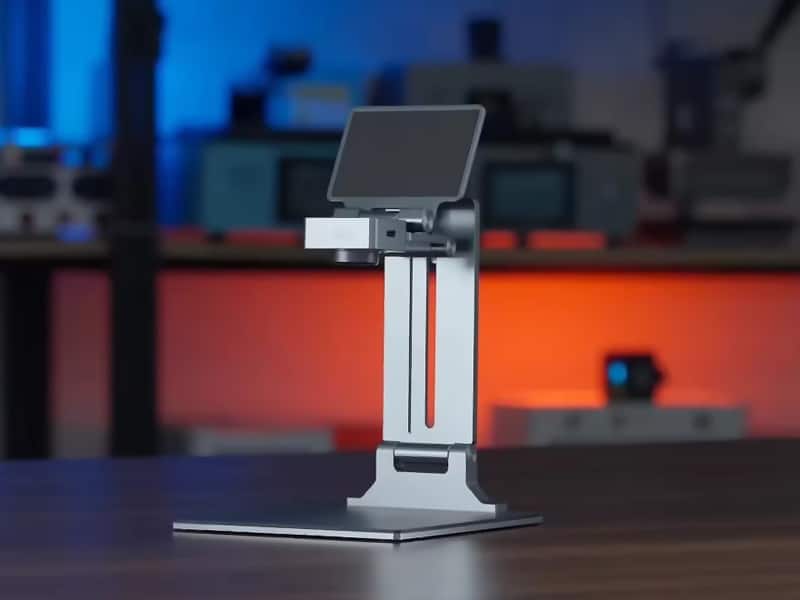
How Does It Work?
Every object emits infrared radiation depending on its temperature. The Thermal Imaging Analyzer captures this infrared energy using a highly sensitive sensor, converts it into electrical signals, and then translates it into a detailed color image.
What sets an analyzer apart is its ability to process and interpret that data. It doesn’t just show you a bright spot — it gives you temperature readings, gradients, and trends. Many models also let you export thermal data for detailed reporting and performance tracking over time.
This means you can not only see the temperature distribution but also analyze the exact differences that could indicate a potential failure.
Why It’s a Game-Changer for Technical Work
-
Find Problems Before They Escalate
One of the biggest advantages of using a Thermal Imaging Analyzer is preventive maintenance. You can scan circuits, motors, or control panels and instantly identify hot zones that point to overloaded circuits, failing bearings, or bad connections. By addressing these early signs, you prevent costly breakdowns and unexpected downtime. -
Improve Diagnostic Accuracy
Traditional inspection methods rely heavily on guesswork or physical contact sensors that only measure one point at a time. A thermal imaging analyzer captures an entire temperature map in real time, allowing for precise identification of the problem area — no more trial and error. -
Boost Efficiency and Safety
Since it operates contact-free, you can inspect energized equipment, high-temperature machinery, or sensitive electronics without direct contact. This minimizes risk and speeds up maintenance. You stay safe while getting more done in less time. -
Document and Report with Confidence
Many analyzers feature built-in storage or software for data reporting. Whether you’re performing a factory inspection or an energy audit, you can record, analyze, and share clear thermal images that support your professional assessments.
Applications That Benefit from Thermal Imaging Analysis
The power of the Thermal Imaging Analyzer extends across multiple fields. Some of the most common uses include:
-
Electrical and Mechanical Maintenance: Detect loose connections, faulty fuses, or overheating motors before they cause system failure.
-
PCB and Electronic Repair: Spot defective components on a circuit board without touching or desoldering them.
-
Energy Auditing: Identify insulation gaps, air leaks, and heat loss in buildings to improve energy efficiency.
-
Industrial Production: Monitor process temperature in real time to maintain consistent product quality.
-
Research and Development: Collect precise thermal data for experiments or prototype testing.
Its versatility makes it an essential tool for technicians, engineers, and quality inspectors who demand precision in their daily work.

What to Consider When Choosing a Thermal Imaging Analyzer
If you’re thinking about investing in one, here are a few key factors to keep in mind:
-
Resolution: A higher thermal resolution provides sharper details, making it easier to detect small hot spots.
-
Thermal Sensitivity (NETD): A lower NETD value (e.g., <40mK) helps identify minor temperature variations.
-
Temperature Range: Consider the highest and lowest temperatures you’ll be measuring — industrial users often need wider ranges.
-
Data Connectivity: Features like Wi-Fi or USB export can streamline data sharing and analysis.
-
Display and Interface: A clear, intuitive display helps you interpret results quickly, even in field conditions.
Choosing the right combination of features ensures you get the best balance of accuracy, portability, and ease of use.
The Future of Thermal Analysis
Thermal imaging technology is evolving rapidly. Future models are expected to feature AI-assisted fault detection, cloud-based data sharing, and integration with mobile platforms for real-time monitoring. Portable options like Smartphone Thermal Cameras and Thermal Imager Multimeters are already bringing high-end imaging capabilities to compact devices — making professional diagnostics easier and more affordable than ever before.
As industries continue to move toward smarter maintenance and automation, the Thermal Imaging Analyzer will remain at the heart of precision diagnostics — bridging the gap between visual inspection and intelligent analysis.
Final Thoughts
In a world where downtime costs time, money, and efficiency, the Thermal Imaging Analyzer offers a smarter way to stay ahead of problems. It’s not just about detecting heat — it’s about understanding what the heat means.
From industrial machinery to delicate electronics, this device gives you the power to diagnose, document, and decide — faster and more accurately than ever before. Whether you’re an engineer, technician, or researcher, thermal analysis technology is no longer a luxury. It’s an essential step toward better performance, reliability, and safety in everything you work with