



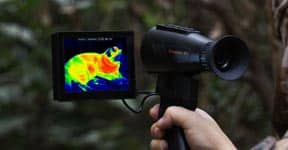
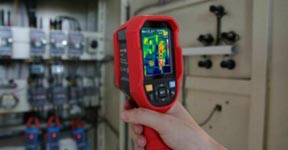
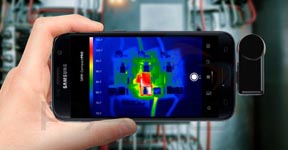
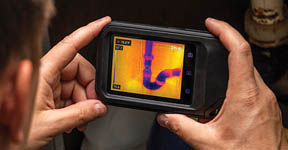
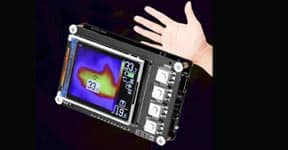


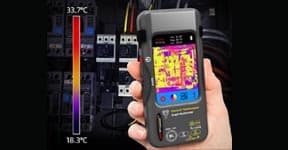





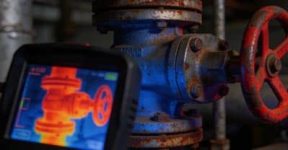
When it comes to compact thermal imaging tools, the Pocket Thermal Camera is easily one of the most convenient and portable options. Its small size, quick setup, and powerful detection capabilities make it a favorite among technicians, engineers, and outdoor explorers alike. However, one detail often overlooked is how to store the device correctly when it’s not in use for an extended period.
Whether you use it for industrial inspection, HVAC diagnostics, or outdoor maintenance, the way you store your camera can directly affect its accuracy and lifespan. Below, we’ll break down a few key points to help you keep your Pocket Thermal Camera in top shape — ready to work flawlessly whenever you need it.
1. Start with a Thorough Cleaning
Before packing your device away, always clean it properly. Even tiny dust particles or moisture traces can damage sensitive components over time.
-
Lens care: Wipe the lens with a soft microfiber cloth to remove fingerprints, dust, and smudges. Avoid using paper towels or rough fabrics — they can leave scratches.
-
Body cleaning: Use a slightly damp, lint-free cloth to clean the outer casing. Make sure no liquid enters ports or buttons.
-
Dry completely: If your camera has been used in humid or rainy environments, let it air-dry fully before storage. Sealing moisture inside the device can lead to mold or internal fogging later on.
A few extra minutes of careful cleaning can prevent permanent optical or electronic issues.
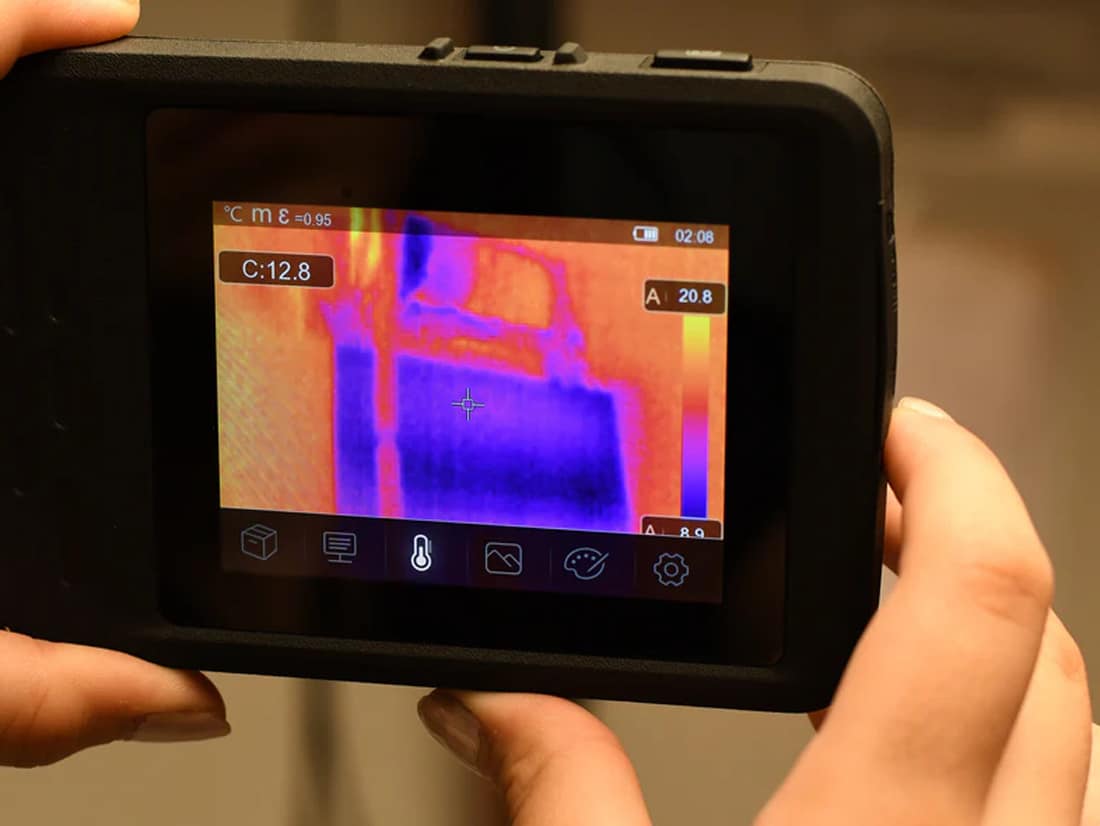
2. Handle the Battery the Right Way
The battery is the most sensitive and commonly damaged component during long storage.
-
If your camera uses a removable battery: Take it out before putting the camera away. Store the battery separately in a cool, dry place.
-
If your camera has a built-in battery: Charge it to around 40–60% before storage. Storing a battery that’s completely full or empty can shorten its overall life.
Also, avoid placing the battery near metal objects or in direct sunlight. Chemical reactions inside the cells can accelerate under heat, leading to swelling or leakage.
3. Choose the Right Storage Environment
Environmental conditions are critical when storing electronic devices. Your Pocket Thermal Camera may look tough, but inside it contains delicate sensors, lenses, and circuits that can be affected by heat and moisture.
Here’s what you should aim for:
-
Temperature: Between 10°C and 30°C — avoid both freezing and high heat.
-
Humidity: Below 60%. High humidity encourages condensation inside lenses.
-
Avoid: Storing in cars, attics, or unventilated toolboxes.
If you live in a humid region, use silica gel packets or dehumidifying containers inside your storage box. They help absorb residual moisture and protect the optics.
4. Protect the Lens — Your Camera’s Most Vital Part
The lens is the heart of your thermal camera. Even the smallest scratch can degrade image quality and distort temperature readings.
-
Always replace the lens cap immediately after use.
-
Store the camera in a padded case or soft pouch to prevent physical shocks.
-
Keep lenses separate if your device has multiple optical attachments — friction between them can cause micro-damage.
If you’ve been working in an environment with fine dust or chemicals, consider wiping the lens housing gently with a clean, dry brush before covering it.
5. Keep It Away from Sunlight and Magnetic Sources
Direct sunlight can overheat your camera and fade the display, while magnetic fields can interfere with internal sensors and data storage.
That means:
-
Don’t leave your Pocket Thermal Camera on a car dashboard or near windows.
-
Avoid placing it near strong magnets or heavy machinery that emits electromagnetic waves.
-
If stored with other tools, keep it in a separate, padded compartment.
By maintaining a stable, neutral environment, you protect both the mechanical structure and the calibration integrity of your camera.
6. Invest in a Quality Storage Case
A good case isn’t just about aesthetics — it’s about long-term protection.
-
For frequent travelers: Choose a hard-shell protective case with foam inserts. This guards against vibration and accidental impacts.
-
For indoor use: A padded fabric pouch is sufficient, but ensure it seals tightly against dust and humidity.
-
Add desiccant packs inside the case for additional moisture control.
Proper casing also helps you stay organized — you can store accessories, charging cables, and batteries neatly together, preventing loss or damage.
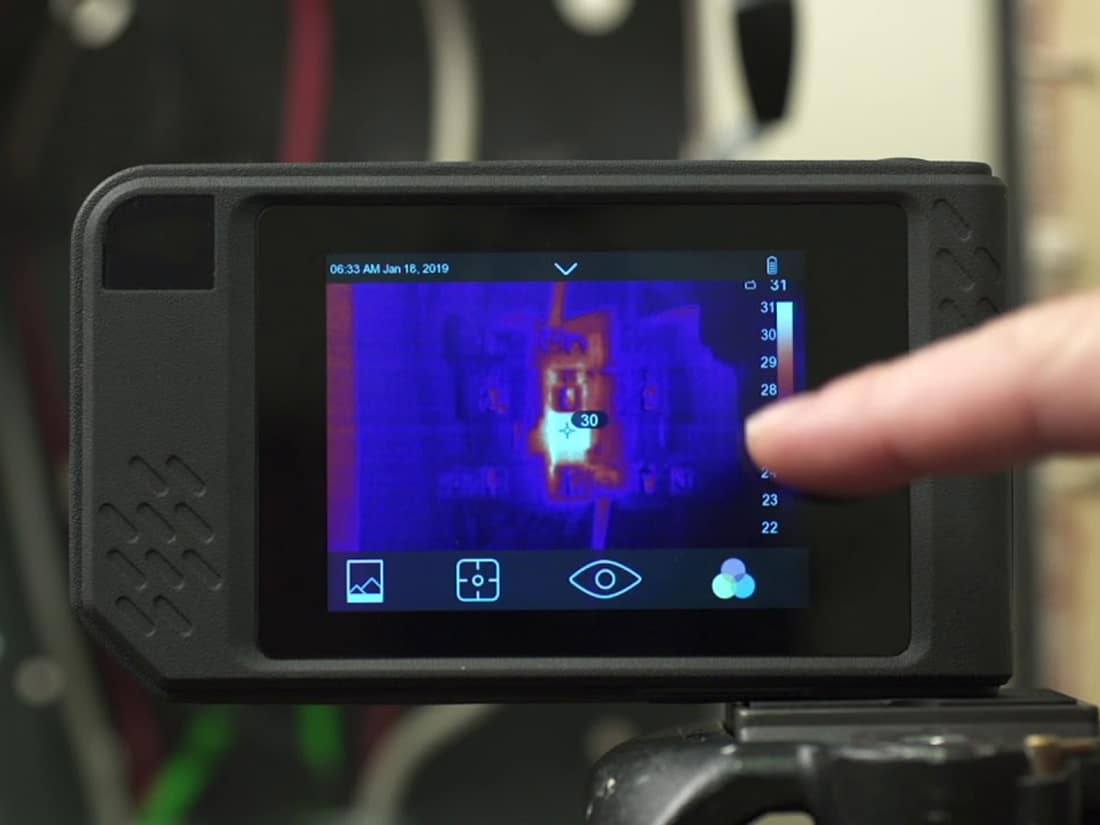
7. Perform Regular Power Checks
Even if you’re not using the camera for months, it’s wise to power it on occasionally. Once every two to three months, turn on the device, check the display, and verify that the thermal sensor responds correctly.
This routine helps:
-
Keep the battery cells active.
-
Prevent software freezes.
-
Ensure calibration remains accurate.
A few minutes of occasional maintenance can save you from unpleasant surprises when you need it most.
8. Avoid Long-Term Compression or Pressure
Because of its compact size, many users tend to toss their Pocket Thermal Camera into crowded toolboxes or backpacks. This is a bad habit. Continuous pressure or bending can deform internal components or crack the housing.
Instead, always store it in its own compartment or foam slot. Avoid placing heavy tools, laptops, or cables on top of it. The goal is to minimize mechanical stress while keeping it secure and stable.
Final Thoughts
A Pocket Thermal Camera may be small, but it’s still a precision instrument built around advanced optics and temperature sensors. Proper storage not only keeps it looking new — it ensures your readings stay reliable and your investment lasts longer.
To summarize the essentials:
-
Clean thoroughly before storage.
-
Remove or half-charge the battery.
-
Keep it dry, cool, and shielded from sunlight.
-
Use a padded case or hard-shell box.
-
Turn it on occasionally for maintenance.
By following these habits, you’ll preserve the sensitivity and performance of your Pocket Thermal Camera for years, ensuring it’s always ready to capture accurate thermal data the moment you power it up again