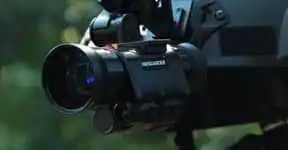
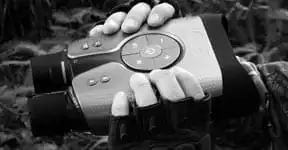
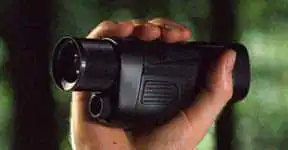
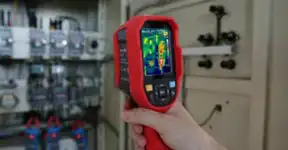
When it comes to exploring the world after dark, two devices often take the spotlight — thermal imaging monoculars and night vision monoculars. At first glance, they might seem similar, both allowing you to see clearly in low-light environments. But in reality, the technology behind them, their use cases, and even the kind of “vision” they offer are quite different. Let’s take a closer look at what sets them apart — and which one might fit your outdoor adventures better.
1. How They Work — Heat vs. Light
The biggest difference between the two lies in how they see the world.
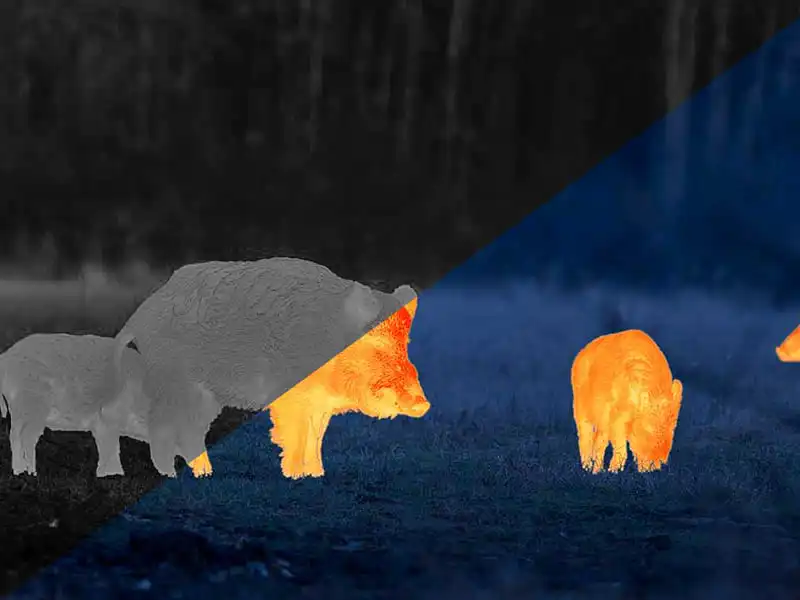
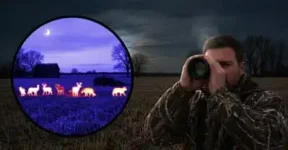
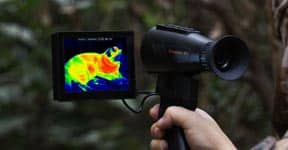
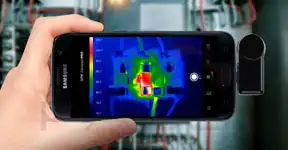
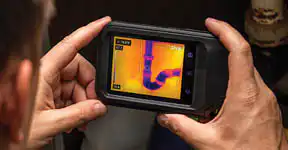
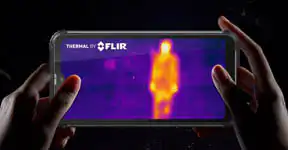
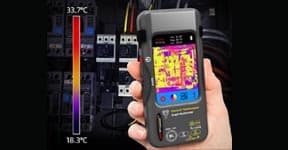
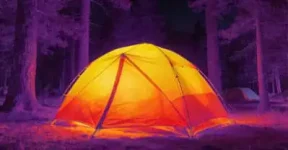
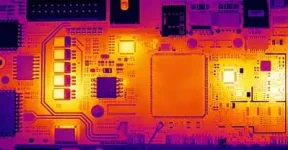
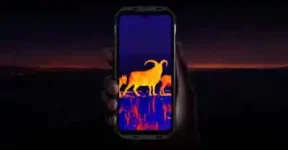
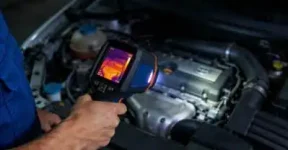
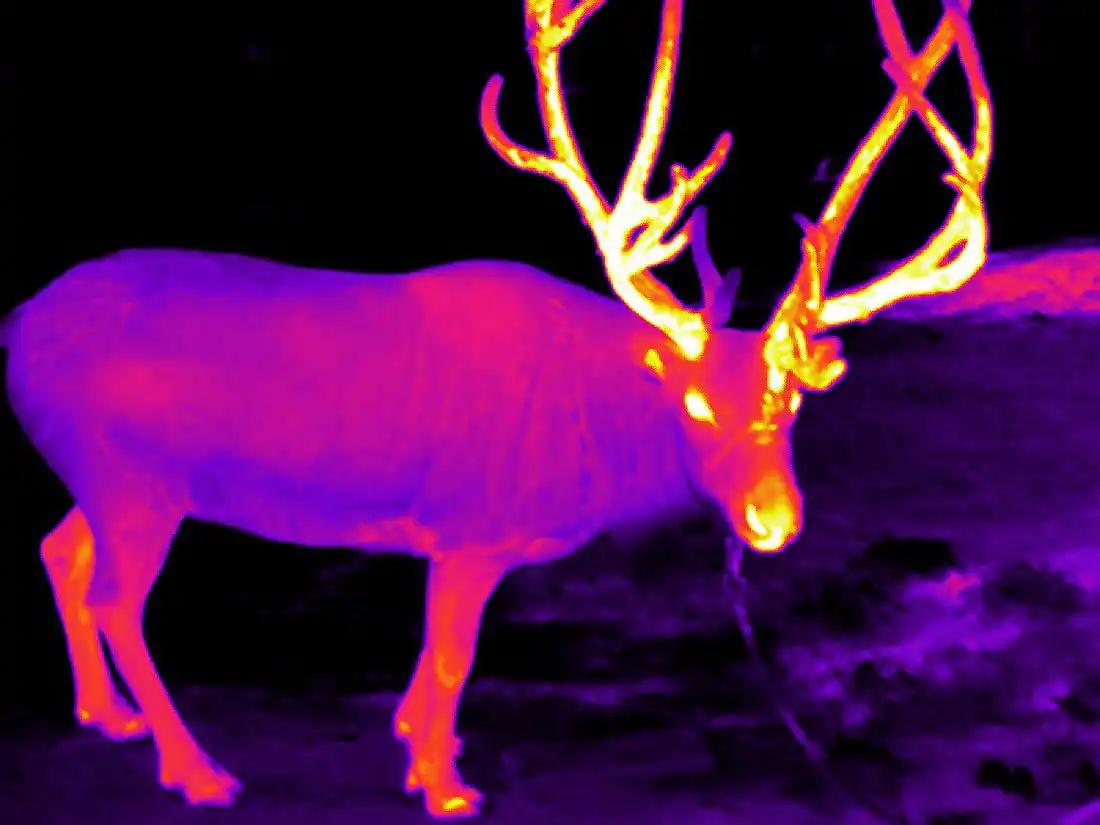
Thermal imaging monoculars detect heat signatures. Every object emits infrared radiation based on its temperature — animals, people, cars, even recently walked-on ground. These heat patterns are converted into images where warmer areas appear brighter and cooler areas darker. That means thermal imagers can “see” even in total darkness, fog, or smoke — no light required.
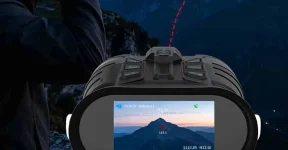
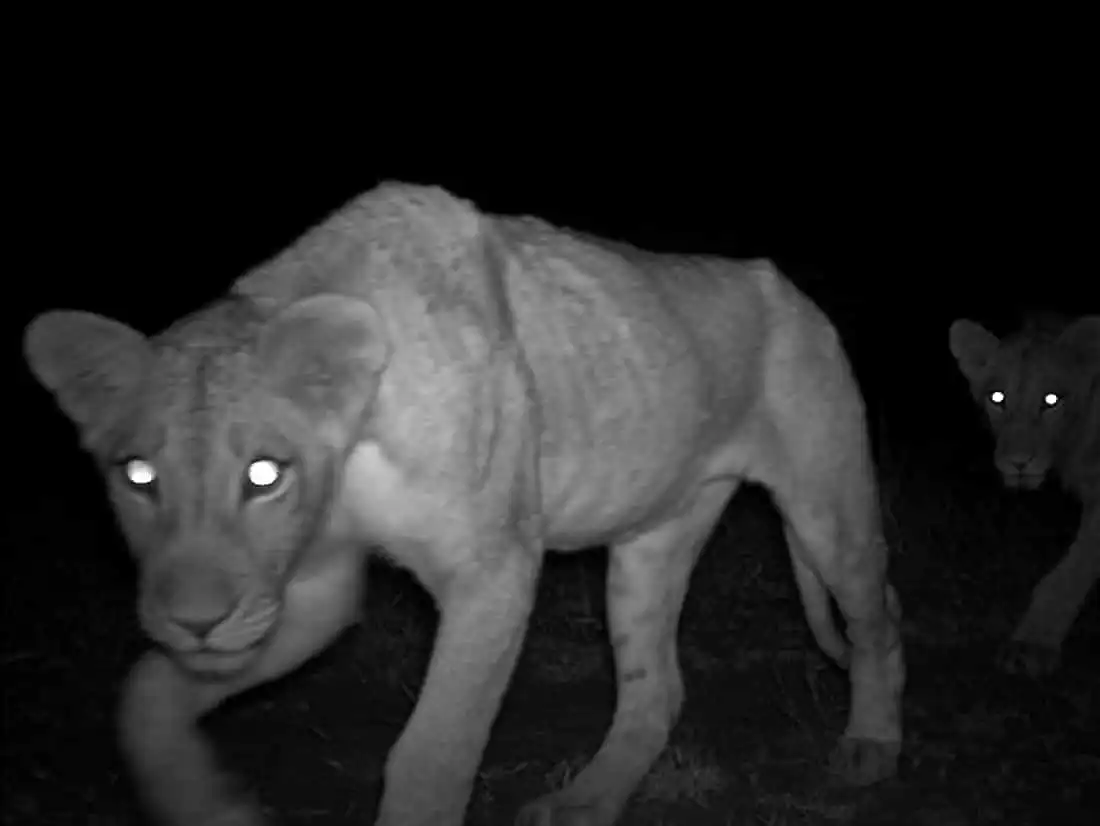
Night vision monoculars, on the other hand, rely on amplifying existing light. They collect small amounts of ambient light — moonlight, starlight, or artificial light — and intensify it to create a visible image. The result is a realistic, light-amplified view, but they need at least some level of illumination to function effectively.
In short: thermal imagers read heat; night vision reads light.
2. Performance in Different Environments
Imagine walking through a dense forest at night. The air is heavy, the trees are thick, and a fine mist floats around you.
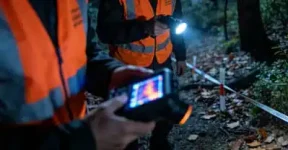
A thermal imaging monocular would easily highlight any warm-blooded creature behind those bushes. It’s not affected by low visibility or background clutter. That’s why it’s great for search and rescue, wildlife observation, or patrolling in total darkness.
A night vision monocular, however, performs beautifully in clear, open areas. It provides a more natural, detailed view of the surroundings — perfect for navigation or stargazing when there’s a bit of ambient light. But if fog or heavy rain rolls in, its effectiveness drops sharply.
So if your night adventures often take you into unpredictable weather or dense terrain, thermal might be your better ally.
3. Image Clarity and Details
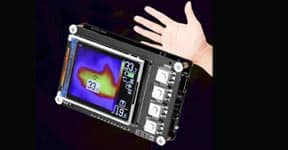
Thermal images look different — often black-and-white or false-color displays showing temperature contrasts. While they make it easy to detect targets, they don’t show fine surface details like leaves, rocks, or faces.
Night vision images, in contrast, provide more recognizable scenery. You can see outlines, shadows, and textures — which feels more natural for identifying surroundings or moving around safely.
If your goal is detection, thermal wins.
If your goal is identification, night vision takes the lead.
4. Power and Battery Life
Thermal imaging devices generally require more processing power because they constantly analyze temperature data. This can mean shorter battery life compared to night vision models.
Night vision monoculars are typically lighter on energy use, allowing longer continuous operation. For extended field use, that can be a big plus — though modern thermal units are quickly catching up with more efficient sensors and batteries.
5. Portability and Use Scenarios
Both types now come in compact, one-hand designs that fit neatly into a jacket pocket or small gear bag. But they cater to slightly different needs:
-
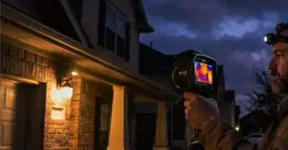
Thermal imaging monoculars: Ideal for wildlife observation, perimeter checks, hiking in total darkness, or detecting hidden heat sources.
-
Night vision monoculars: Excellent for navigation, camping, exploring, or simple night-time viewing when some ambient light is available.
The portability of both makes them popular choices for outdoor enthusiasts who want a reliable tool that doesn’t weigh them down.
6. Price and Technology Level
Generally, thermal imaging monoculars are more expensive due to the complex infrared sensors and image-processing chips inside. They’re considered advanced instruments with broader detection capability.
Night vision monoculars are usually more affordable and accessible for casual users or beginners who simply want to enhance visibility at night without the extra cost of thermal sensors.
Still, prices for both categories are narrowing as technology advances, making compact and efficient models increasingly affordable.
7. Which One Should You Choose?
It really comes down to where and how you plan to use it.
If you often find yourself exploring pitch-black areas, or need to detect animals or heat traces through obstacles — go for a thermal imaging monocular.
If you prefer a more realistic night view, plan to move through well-lit outdoor spaces, or want longer battery endurance — a night vision monocular will serve you well.
Final Thoughts
Both technologies open up new ways to experience the night — just from different perspectives. A thermal imaging monocular gives you the power to see heat where light can’t reach, while a night vision monocular transforms faint glows into clear, visible scenes.
Whether you’re tracking wildlife, exploring nature, or just enjoying the beauty of the night sky, understanding these differences helps you choose the right tool for your adventures — one that fits your needs, your environment, and your curiosity about the unseen world around you.