



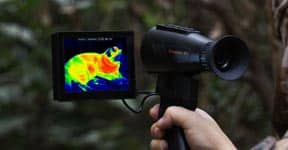
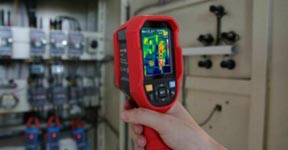
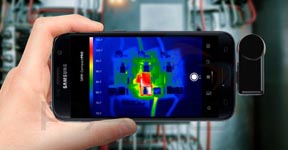
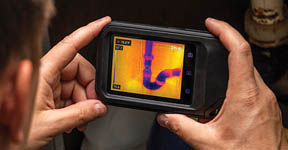
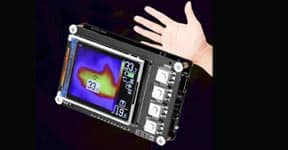


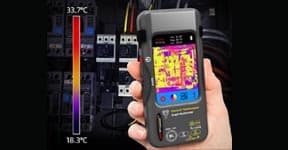


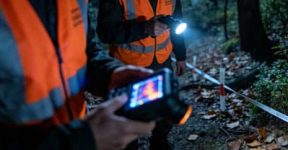

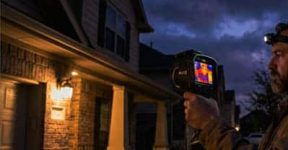
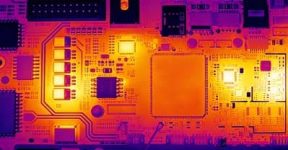
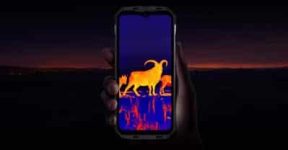
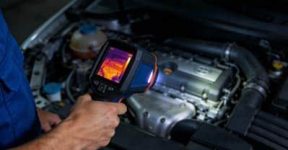
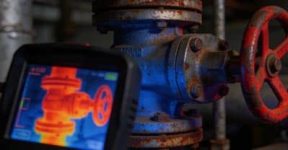
Thermal imaging rugged tablets are quickly becoming a must-have tool for professionals who need powerful performance in harsh environments — from outdoor exploration and maintenance inspection to construction, electrical testing, and field research. But with so many models and features on the market, it’s easy to get overwhelmed. If you’re planning to invest in one, here’s a detailed guide to help you understand what really matters before making your purchase.
1. Understand What a Thermal Imaging Rugged Tablet Can Do
Before diving into specifications, it’s important to know what makes a thermal imaging rugged tablet different from a regular one.
A traditional tablet is built for everyday use — smooth performance, entertainment, and productivity in offices or homes. But a rugged tablet is engineered to survive drops, dust, water, and extreme temperatures. Add thermal imaging to that, and you get a device capable of detecting heat signatures, visualizing temperature differences, and diagnosing issues invisible to the human eye.
Whether it’s detecting electrical faults, locating insulation gaps, or monitoring outdoor conditions, this combination turns the tablet into a powerful diagnostic and inspection tool.

2. Check the Thermal Sensor Specifications
The heart of every thermal imaging device is its infrared sensor. This is where you should pay the most attention.
-
Resolution: Look for sensors with at least 160×120 pixels for basic work, though 320×240 or higher offers sharper, more accurate imaging.
-
NETD (Noise Equivalent Temperature Difference): The lower the value (measured in millikelvins), the more sensitive the device is to tiny temperature differences.
-
Frame Rate: A higher frame rate (like 25Hz or 30Hz) ensures smoother thermal videos, especially when tracking moving objects.
A good sensor means more precise readings, faster diagnostics, and better image clarity — critical for both professional and outdoor use.
3. Evaluate Ruggedness and Durability
Thermal capabilities won’t matter if the tablet can’t survive your work environment. Always check for rugged certifications:
-
IP Rating: An IP68 or higher rating ensures full protection against dust and water immersion.
-
Drop Resistance: The tablet should withstand falls from at least 1.2 meters (4 feet) without internal damage.
-
Operating Temperature Range: Make sure it can function in extreme heat and cold — ideal for outdoor or industrial conditions.
These features guarantee that your tablet stays reliable in tough environments, from construction sites to rainy forests.
4. Display and Visibility Matter More Than You Think
Since you’ll likely use the tablet outdoors or under bright light, screen brightness and quality are crucial.
Go for a high-brightness display (700 nits or more) so thermal images and details remain visible even in direct sunlight. A good anti-glare coating and strong touchscreen sensitivity (usable with gloves or wet fingers) can make a big difference during fieldwork.
If possible, choose a display with multi-window support, allowing you to view thermal and visual images side by side — perfect for inspections or analysis.
5. Performance and Battery Life
Thermal imaging applications demand more processing power than regular apps, especially when rendering live thermal data. Look for:
-
A strong CPU (octa-core or better)
-
At least 8GB RAM and 128GB storage
-
Expandable storage (via microSD)
And since you’ll likely use it outdoors, battery life becomes a big deal. A rugged tablet with a large-capacity battery (10000mAh or more) ensures you can operate for long hours without recharging. Some models also support replaceable batteries, a useful feature for extended field operations.
6. Connectivity and Integration Options
A good rugged tablet should connect seamlessly with other devices and tools you use. Look for:
-
4G/5G connectivity for remote operations
-
Wi-Fi 6 for faster data transfer
-
Bluetooth for accessory pairing
-
GPS for outdoor tracking and mapping
-
USB-C and HDMI ports for exporting data or connecting external sensors
If your work involves data recording or reporting, these features can make your workflow faster and more efficient.
7. Software Compatibility and Thermal App Functions
Thermal imaging tablets typically come with dedicated apps for image capture, temperature measurement, and report generation. Before buying, check whether the software offers:
-
Real-time thermal and visual fusion modes
-
Adjustable color palettes
-
Temperature measurement tools (spot, line, area)
-
Automatic image labeling or annotation
-
Data export formats compatible with your existing workflow
A user-friendly interface can make complex thermal analysis much simpler, even for non-technical users.
8. Consider Weight and Portability
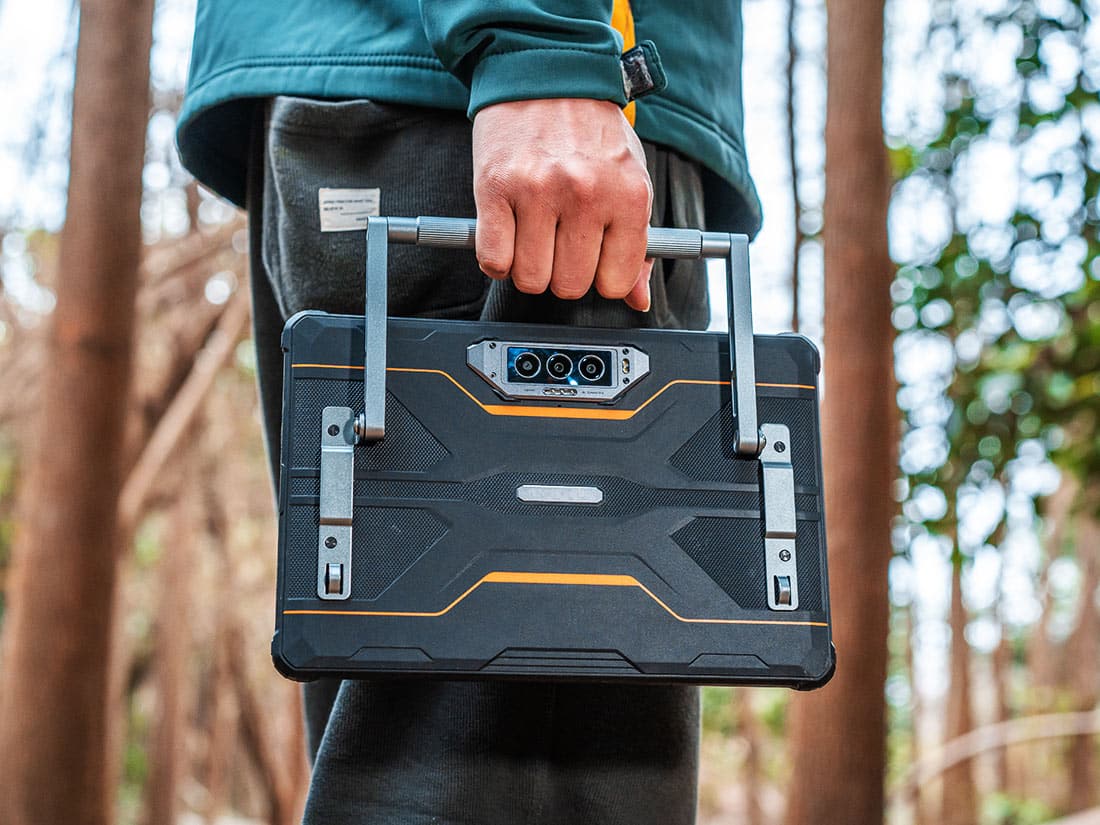
Even though rugged tablets are built tough, they shouldn’t feel like bricks in your hands. If you plan to carry it for hours, pay attention to weight (preferably under 1kg) and grip comfort.
Some models offer hand straps, shoulder harnesses, or mounting options, making them easier to use during field tasks or long outdoor shifts.
9. Budget vs. Value — Don’t Just Chase the Price Tag
Thermal imaging rugged tablets vary widely in price. While it’s tempting to go for the cheapest option, balance cost with reliability and accuracy. A low-cost device might look similar on paper but could lack sensor precision, temperature range, or build quality.
Investing in a solid mid- to high-range model ensures long-term durability, fewer breakdowns, and better thermal data — which ultimately saves you time and cost.
10. Support and Software Updates
Finally, don’t overlook customer support. Choose a manufacturer that offers firmware updates, after-sales service, and replacement parts availability. Rugged tablets are long-term tools, and ongoing support ensures they stay compatible with new apps and systems.
Final Thoughts
Buying a thermal imaging rugged tablet isn’t just about picking a tablet with a heat camera — it’s about choosing a dependable tool built for the field. Focus on sensor quality, durability, battery life, and software functionality. The right device should make your work faster, safer, and more accurate — no matter the conditions.
Whether you’re troubleshooting in a factory, inspecting outdoor pipelines, or documenting temperature data in remote environments, a well-chosen rugged thermal tablet can be your most reliable partner — combining technology, durability, and portability into one smart, tough companion.