









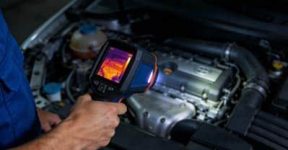
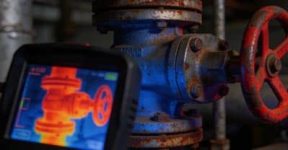
There was a time when darkness or fog meant uncertainty—when human vision simply couldn’t go further. Today, that limitation no longer exists. Thermal imaging has quietly stepped into everyday life, giving us the power to see the unseen, detect the invisible, and understand the world in a completely new way.
This is not just the future of imaging—it’s a revolution that’s already happening.
1. What Makes Thermal Imaging Different
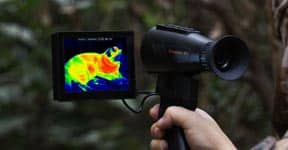
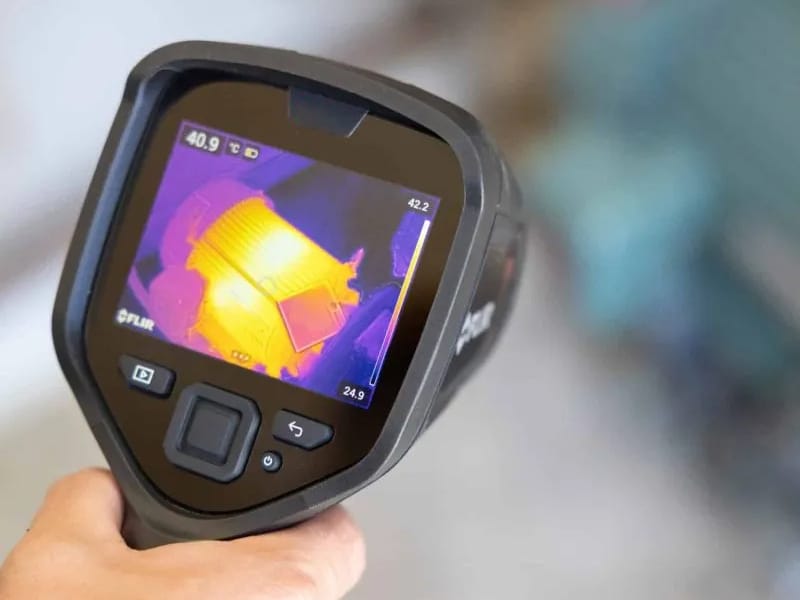
Unlike traditional optical systems that rely on visible light, thermal imaging detects infrared radiation—the natural heat every object emits.
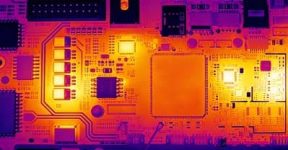
The result? A detailed, color-coded image that shows temperature variations instantly, no matter the lighting conditions.
That means no more relying on flashlights, no more guessing in low visibility, and no more uncertainty when conditions turn dark or unpredictable. Thermal technology helps you interpret what’s really happening around you, clearly and confidently.
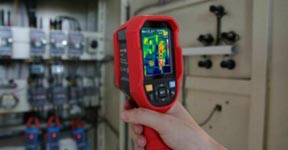
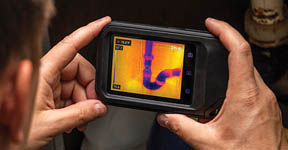
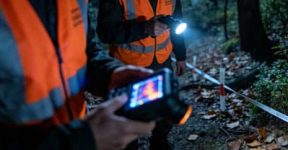
Compact and versatile tools like Handheld Thermal Imagers make this possible anywhere—from work sites to outdoor environments—allowing users to spot issues or movement that the naked eye could never catch.
2. Real-World Applications That Matter
Thermal imaging isn’t just high-tech—it’s practical. Across a range of industries and activities, it’s helping people work smarter, safer, and faster.
-
Building Inspection: Identify hidden insulation leaks, water damage, or structural weaknesses before they escalate.
-
Electrical Maintenance: Detect overheating circuits and potential failures early to prevent costly breakdowns.
-
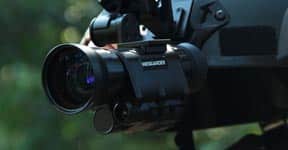
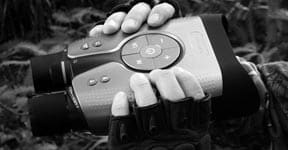
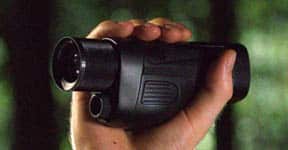
Outdoor Use: Improve awareness and safety in low light, dense fog, or night conditions.
-
Research and Engineering: Measure heat distribution precisely during tests or development.
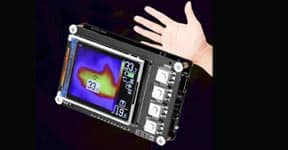
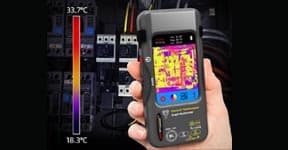
Even compact hybrid tools like the Thermal Imager Multimeter combine electrical measurement with heat visualization—turning temperature data into actionable insight within seconds.
3. Smarter Design, Greater Accessibility
Thermal imaging used to mean carrying bulky, expensive equipment. Not anymore.
Today’s devices are smaller, lighter, and easier to use than ever. High-resolution sensors, touchscreen displays, and smart software make operation simple—even for first-time users.
And the technology isn’t just getting smaller—it’s getting smarter. With image fusion, automatic detection, and AI-assisted analysis, thermal imagers now help users interpret results instantly, without complex calibration or external tools.
4. Performance That Adapts to Any Environment
Whether you’re working under the sun or in complete darkness, thermal imaging delivers consistent results.
Unlike visible-light cameras that struggle with glare, fog, or low light, thermal sensors remain accurate and stable in any environment. They work in rain, smoke, or dust—conditions where other tools fail.
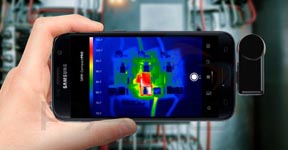
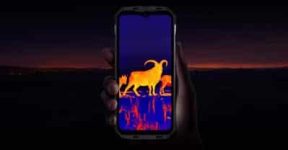
Rugged designs also mean these devices can withstand tough handling and extreme weather. For example, Thermal Imaging Rugged Phones combine durability with built-in thermal imaging, giving users professional functionality right in their pockets—no additional tools required.
5. Precision That Drives Efficiency
In professional settings, small details can make big differences. A thermal image can reveal what’s wrong long before failure occurs—saving time, cost, and effort.
High thermal sensitivity allows users to detect even slight temperature shifts, which might indicate friction, overload, or energy loss.
This early insight transforms maintenance from reactive to preventive, reducing downtime and improving efficiency. It’s not just about seeing temperature—it’s about making smarter, faster decisions based on accurate data.
6. Beyond Tools: A New Way of Understanding
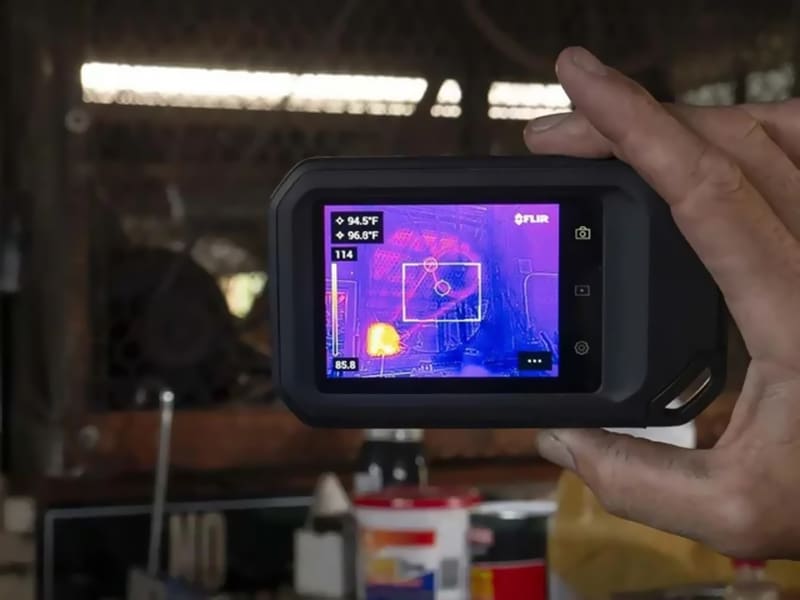
Thermal imaging has evolved from being a technical instrument to becoming a universal solution. It empowers people in every field—from engineers and inspectors to adventurers and researchers—to see patterns that would otherwise remain hidden.
It transforms heat into visual information, helping us understand processes, behaviors, and systems at a deeper level. The technology bridges the gap between what’s visible and what’s real—offering a perspective that’s both scientific and surprisingly intuitive.
7. The Future Is Already in Motion
What we’re seeing now is just the beginning.
As sensor resolutions increase and AI integration deepens, thermal imaging will continue to redefine how we interact with the environment. It’s finding its way into more compact devices, smarter interfaces, and more intelligent data platforms.
Soon, these innovations will make thermal imaging a standard part of professional and personal life—not just for specialists, but for everyone who values precision, awareness, and safety.
See the World Differently
The invisible world is all around us—full of patterns, heat, and movement that our eyes can’t see. Thermal imaging gives us the power to uncover it.
From the portability of Handheld Thermal Imagers to the efficiency of a Thermal Imager Multimeter, and the rugged practicality of Thermal Imaging Rugged Phones, these tools aren’t just products—they’re extensions of human perception.
The next generation of vision is already here. And it’s helping us not only see more—but understand more.