


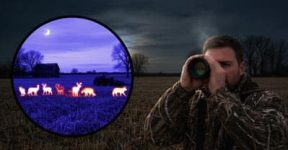
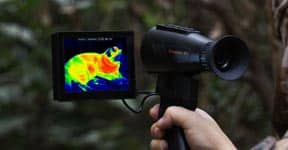
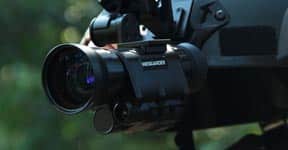
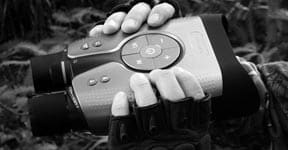
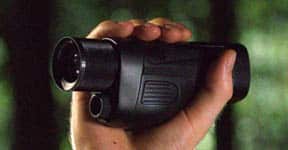


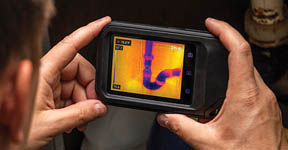





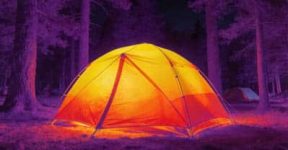
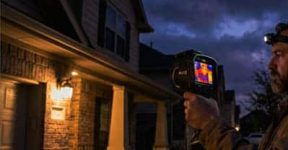



Stepping into the wilderness at night can feel thrilling — until you realize you can barely see where you’re going. That’s where night vision goggles come in, turning the darkness into a soft, visible landscape. But here’s the thing: even the best goggles won’t perform well if they’re not adjusted properly. Getting them set up right isn’t just about seeing better — it’s about protecting your eyes, enhancing comfort, and making sure every detail stands out clearly.
Below, we’ll walk you through how to fine-tune your night vision goggles so they perform like they were made just for you.
1. Fit Comes First — Comfort Equals Clarity
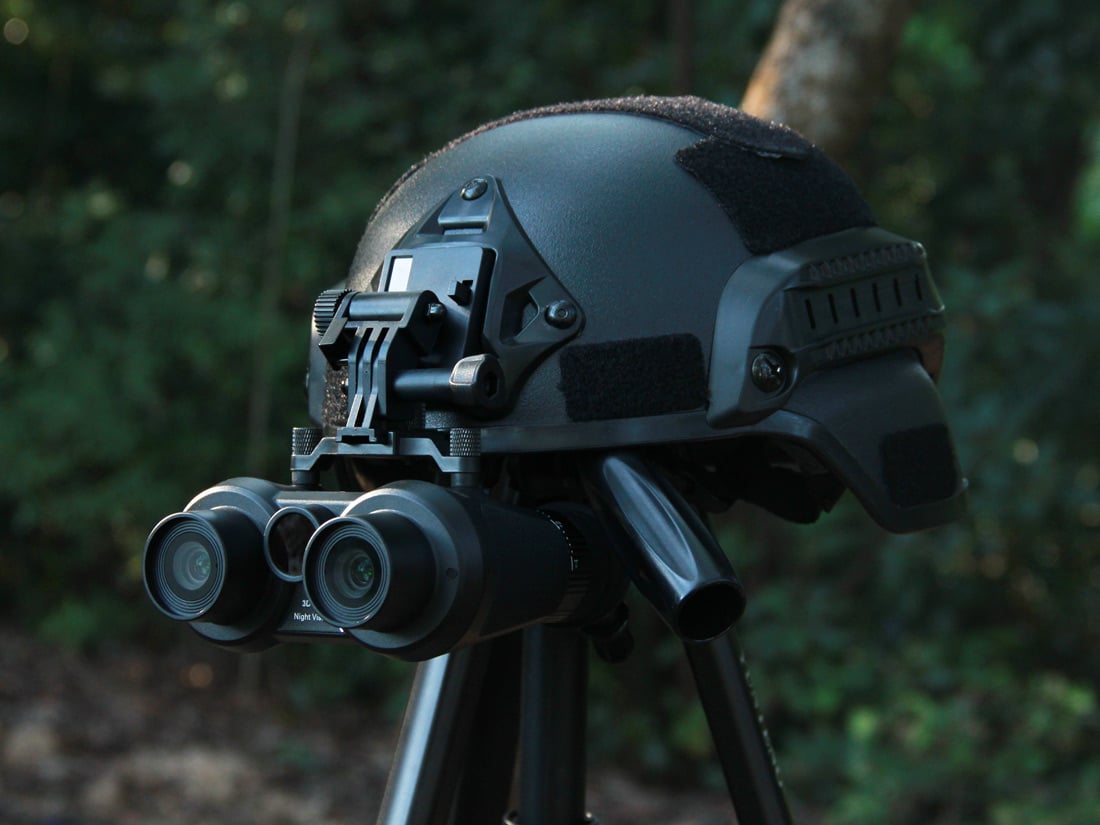
Before powering on, make sure your goggles fit your head like a glove. A loose strap makes them wobble, while a tight one leaves pressure marks.
Pro tip: Adjust the head mount so the weight is balanced across your forehead and back of the head. If your device feels front-heavy, use a counterbalance if available — you’ll thank yourself after an hour of exploring.
When the fit is right, you can move freely without thinking about the device. That’s when the real adventure begins.
2. Dial In the Perfect Interpupillary Distance (IPD)
Your eyes aren’t the same distance apart as everyone else’s, so don’t skip this step. The IPD determines how each eyepiece aligns with your pupils.
To adjust:
-
Focus on a distant light or object.
-
Slowly move the eyepieces closer or farther apart.
-
Stop when the two images merge into one sharp, stable picture.
If your IPD is off, your brain will constantly try to correct it — which means eye strain and headaches. Get this right once, and your eyes will feel relaxed all night.
3. Sharpen Your Focus — Two Lenses, One Mission
Night vision goggles have two main focus points:
-
The objective lens (the front lens) — for adjusting the clarity of distant objects.
-
The eyepiece diopter — for matching the device to your eyesight.
Start by turning the objective lens until a faraway object looks sharp. Then, fine-tune with the eyepiece diopter for your personal comfort.
Tip: Adjust one eye at a time if your vision differs between eyes — it helps you find the perfect balance.
Once everything is clear, take a few steps, look around, and test how quickly your eyes adapt to movement.
4. Master the Brightness and Gain Settings
Here’s where most users make mistakes: they crank the brightness too high. While it might look impressive at first, it can quickly fatigue your eyes and wash out important details.
Instead:
-
Start with medium gain.
-
Increase gradually until details become crisp but not glaring.
-
Avoid sudden bright light sources (like flashlights or street lamps), which can momentarily blind you.
A well-balanced gain setting lets you spot small movements or subtle shapes — the kind of things you’d otherwise miss in the dark.
5. Adapt, Don’t Rush — Let Your Eyes Settle into the Night
When you first put on your goggles, everything might look too green or too bright. Give your eyes a few minutes to adjust — the human eye needs time to adapt to the intensified light.
Quick tips for smoother adjustment:
-
Avoid looking directly at bright lights while using the goggles.
-
Keep automatic brightness control on if your model has it — it prevents overexposure.
-
If fogging occurs, step away for a few seconds to let air circulate before wiping the lenses.
After a short while, you’ll notice how naturally your brain starts interpreting the night scene — like gaining a sixth sense.
Bonus Tip: Regular Care for Long-Lasting Performance
Your goggles are sensitive equipment. Treat them that way.
-
Use a microfiber cloth to clean the lenses — never your shirt sleeve.
-
Store them in a dry, padded case when not in use.
-
Keep batteries charged but remove them if storing the goggles for long periods.
Taking care of the small details ensures your night vision goggles stay sharp and reliable whenever you need them.
Final Thoughts
Properly adjusted night vision goggles aren’t just about better sight — they’re about transforming how you experience the night itself. The difference between a quick setup and a careful one is like night and day (literally).
So, before your next outdoor trip, spend a few minutes fine-tuning your goggles. Once everything is dialed in — the fit, the focus, the gain — you’ll move through the darkness with a quiet confidence, seeing clearly where others see only shadows.
Because in the world of night vision, clarity begins with precision