Choosing the Right Head-Mounted Night Vision Goggles
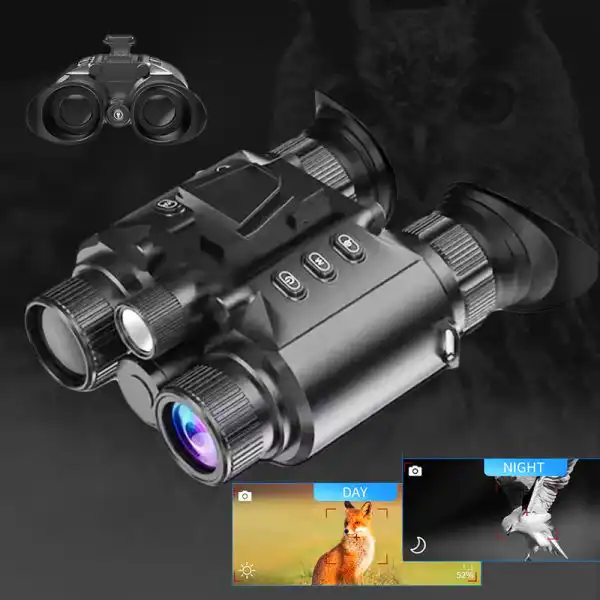
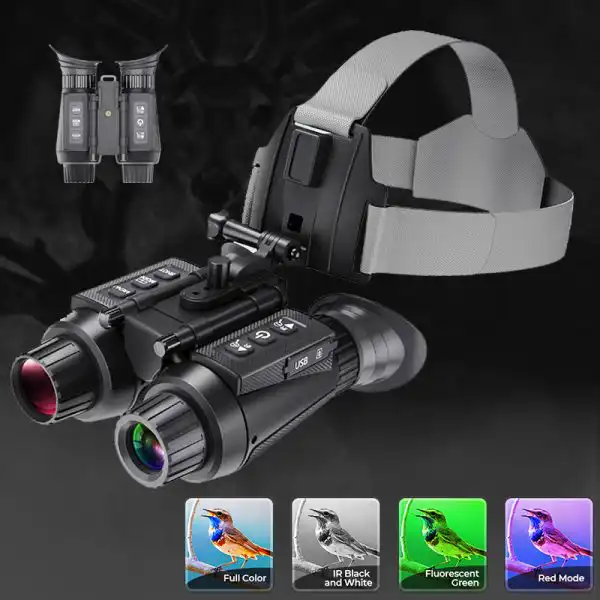
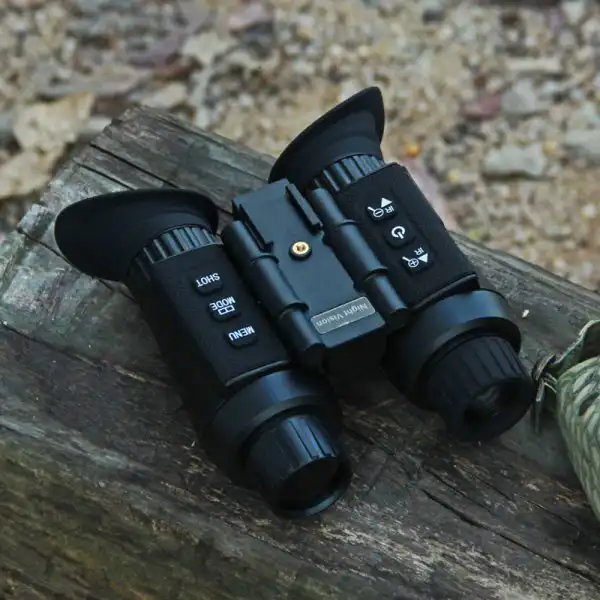
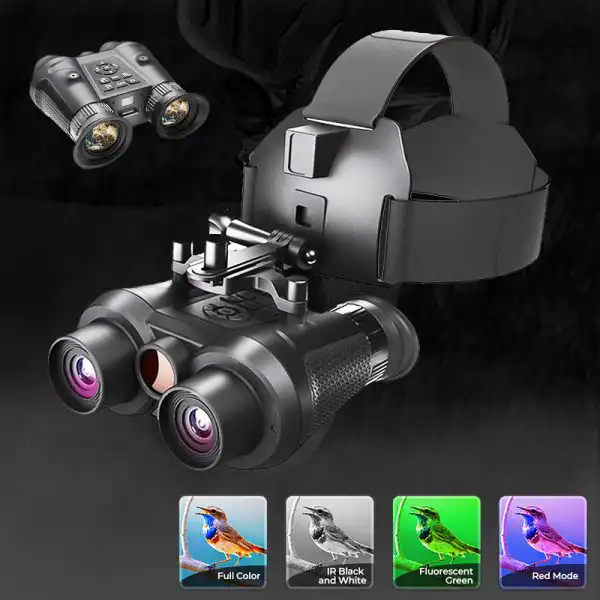
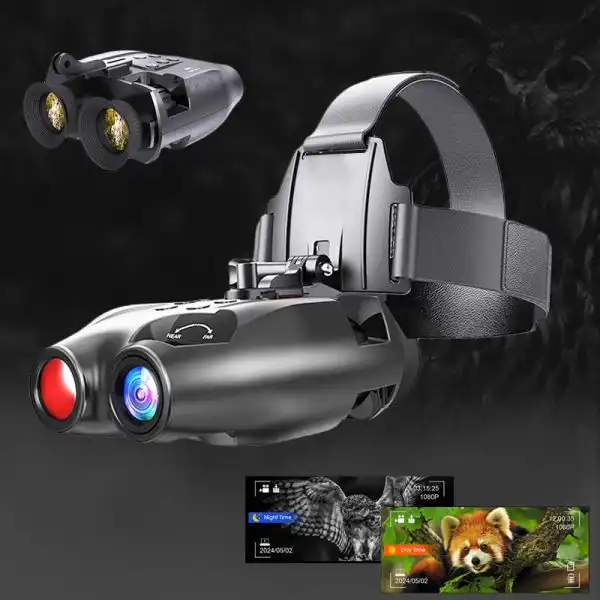
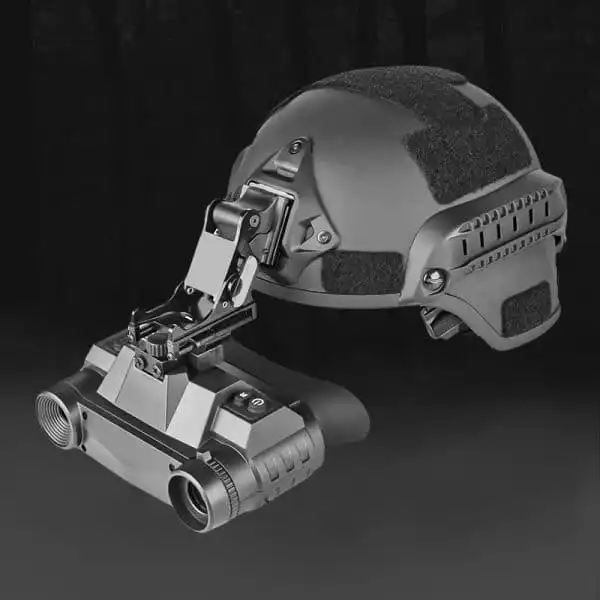
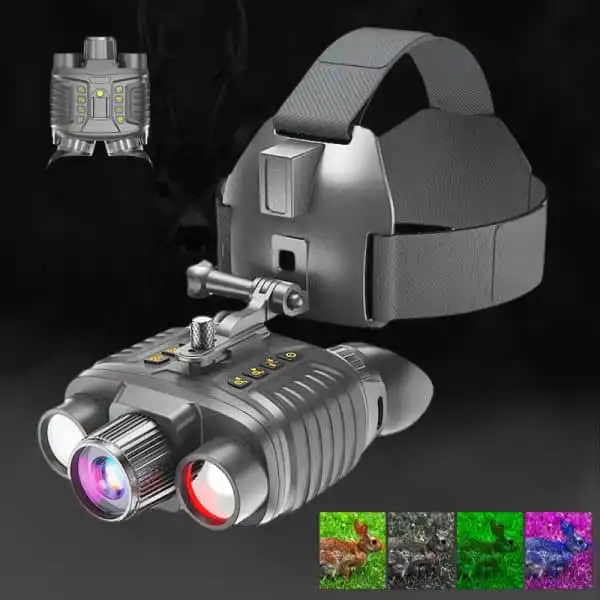
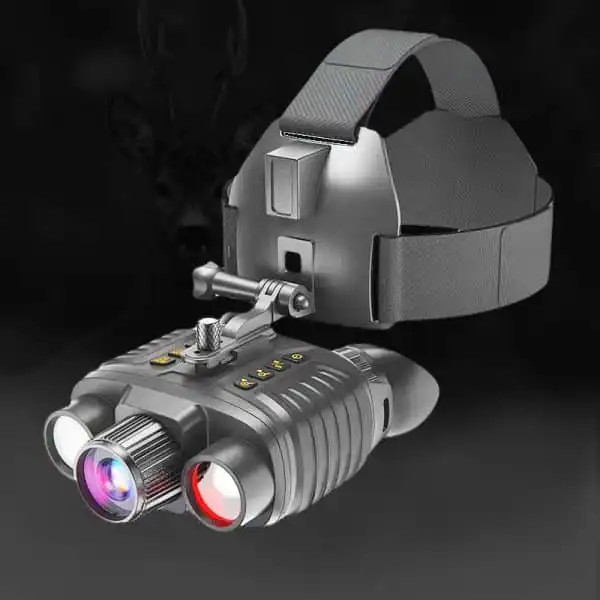
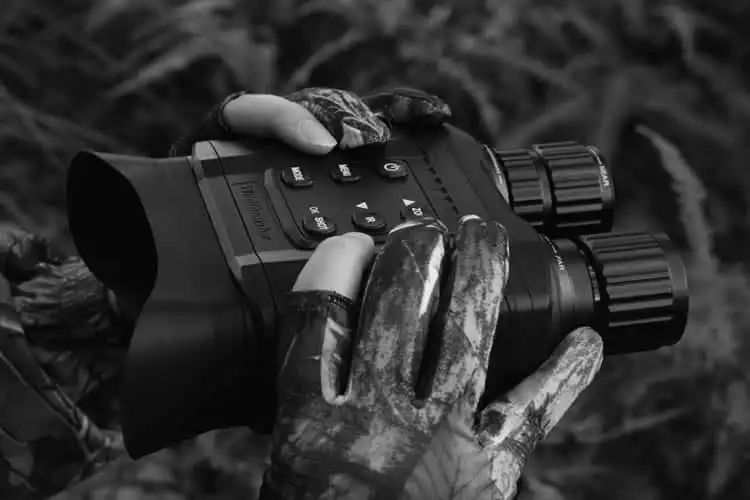
Head-mounted night vision goggles are designed to free your hands while giving you a clear, stable view in total darkness. Unlike handheld binoculars, these goggles stay securely mounted to your head or helmet, allowing you to walk, climb, or work without juggling a flashlight or constantly adjusting your grip. Whether you’re inspecting a facility at night, hiking on unmarked trails, or monitoring a site after sunset, choosing the right pair is all about matching comfort, clarity, and power to your real-world needs.
1. True Hands-Free Freedom
The biggest advantage of head-mounted goggles is the ability to move naturally without holding anything. When your gear is fixed to your head, both eyes stay aligned with the viewing screen as you walk, climb, or handle tools.
-
Uninterrupted Movement: Ideal for tasks like night hiking, security patrols, or equipment checks where you need both hands free.
-
Constant Viewing Angle: The display follows your head movement, so you can scan a wide area just by turning or tilting your head.
-
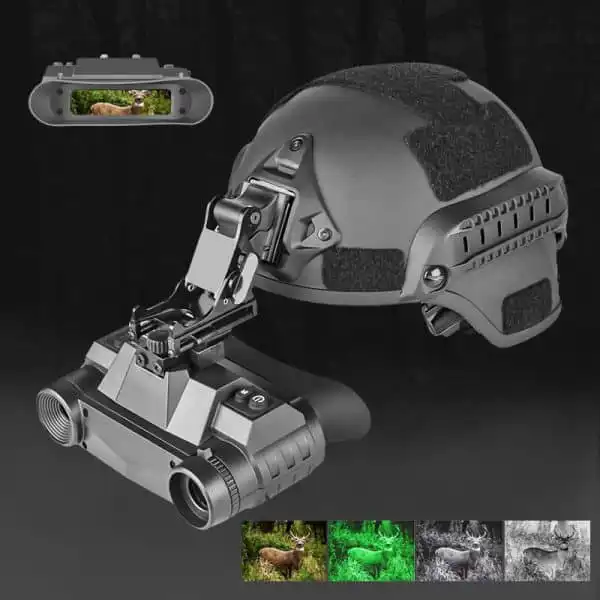
Helmet Compatibility: Many models attach directly to safety helmets, making them perfect for construction sites or industrial inspections.
Tip: If you’ll be wearing the goggles for hours, choose a model with quick-adjust mounting hardware and a balanced center of gravity. A well-balanced setup reduces neck strain and keeps the view stable even during fast movement.
2. Comfort and Ergonomics for Long Sessions
Because the goggles stay on your head instead of in your hands, weight and fit become critical.
-
Lightweight Construction: Modern polymer housings and compact optical systems keep total weight manageable, often under 600 grams.
-
Balanced Design: Counterweights or adjustable strap systems help distribute weight evenly to prevent front-heavy pressure on your forehead.
-
Custom Fit: Look for adjustable head straps, padding, and helmet mounts that let you dial in a snug but breathable fit for different users.
Practical check: Wear the goggles while bending, turning, or climbing stairs. A good fit will stay stable without needing to overtighten the straps.
3. Clarity and Low-Light Performance
Head-mounted night vision goggles must provide a clear, distortion-free image while you move, since you’ll be relying on them to navigate obstacles and uneven ground.
-
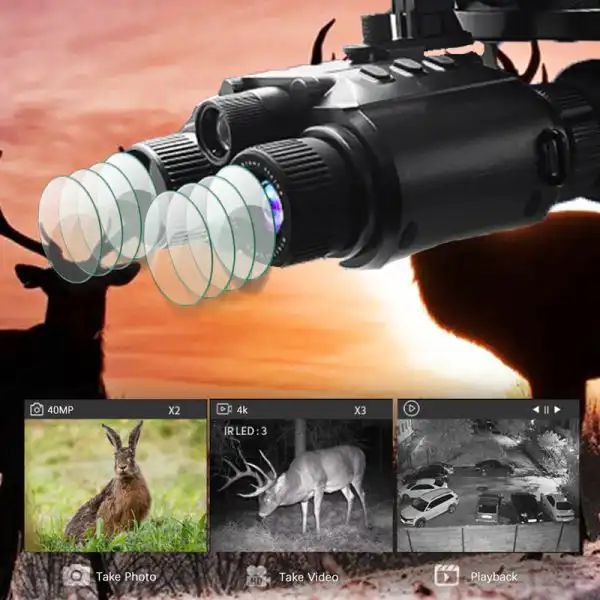
High-Resolution Sensors: Sharp imaging allows you to pick out details like trail edges, small equipment labels, or distant movement.
-
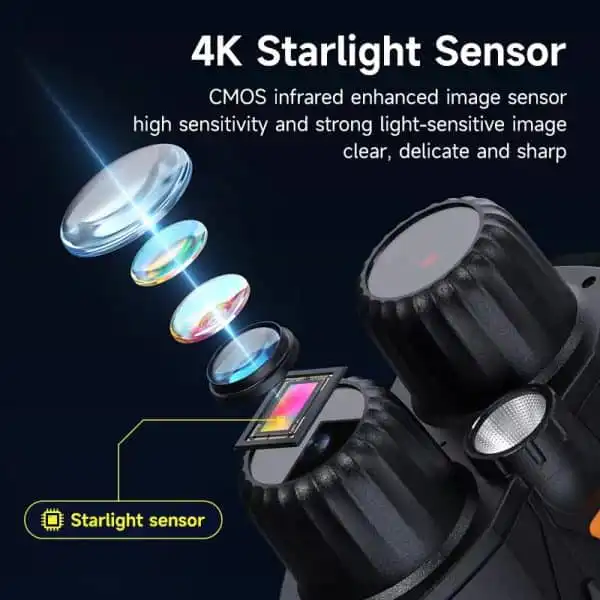
Low-Light Sensitivity: Advanced image intensifier tubes amplify even faint starlight, ensuring visibility even without moonlight.
-
Adjustable Brightness: Automatic or manual brightness controls protect your eyes and keep the picture stable as you transition between open areas and shadowed spaces.
4. Power That Lasts Through the Night
Long runtime is critical when the device stays powered for continuous operation.
-
Extended Battery Life: Aim for at least 6–8 hours of continuous use; premium models can reach 10 hours or more.
-
Quick Battery Swaps: Units with easy-access battery compartments or external packs let you replace power sources without removing the goggles.
-
USB Charging Options: Useful for multi-day trips where you can recharge from a portable power bank.
Cold weather tip: Check for low-temperature battery performance. Cold can shorten runtime if the device isn’t rated for it.
5. Ruggedness for Real-World Conditions
Head-mounted devices often face harsher treatment than handheld optics because they’re worn during active movement.
-
Shock-Resistant Housing: Reinforced polymer or aluminum construction prevents damage from accidental bumps.
-
Weather Sealing: An IP-rated design protects against rain, humidity, and dusty trails, ensuring dependable performance in unpredictable environments.
-
Wide Temperature Range: Choose a model that works from freezing mountain nights to hot desert evenings.
6. Key Features That Enhance Head-Mounted Use
While image quality and comfort are essential, certain features are especially valuable for a hands-free setup:
-
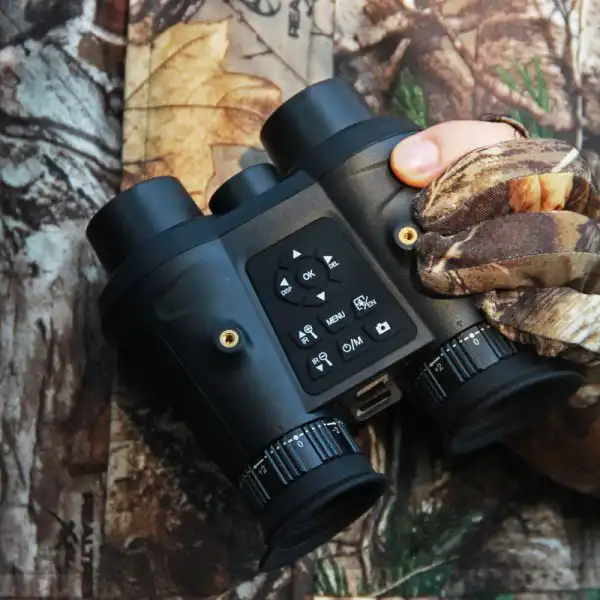
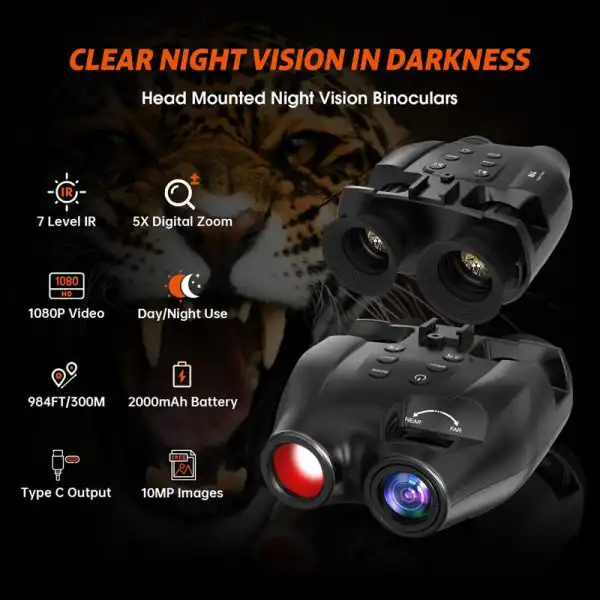
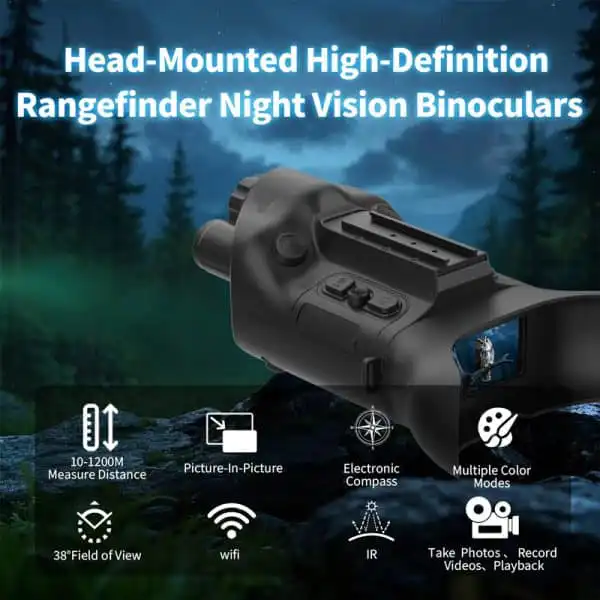
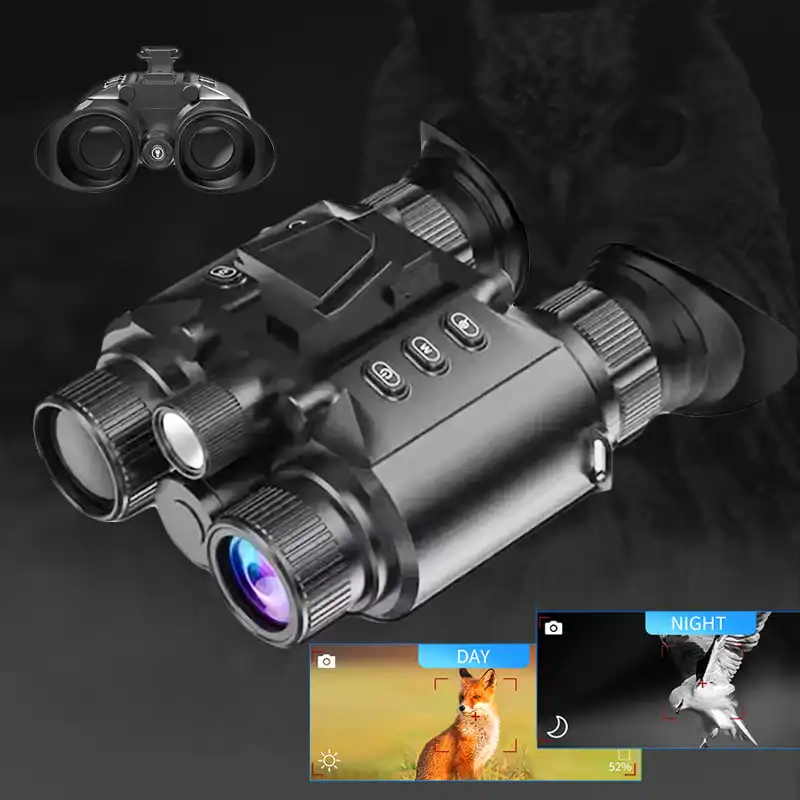
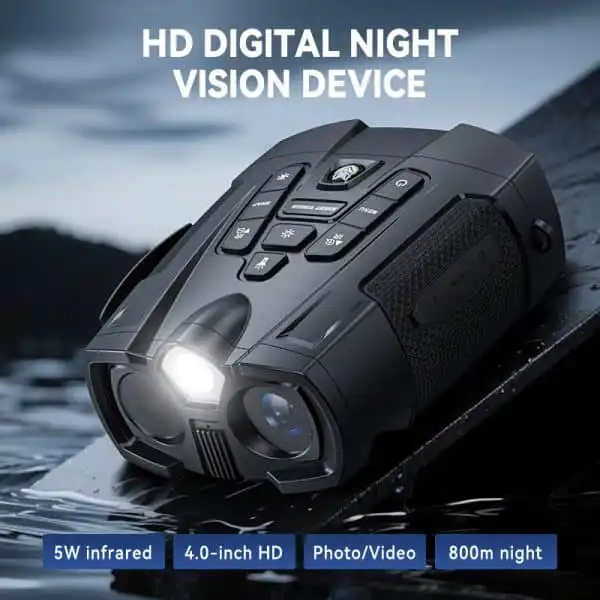
Built-In IR Illuminator: Provides invisible light in total darkness so you can see even when there’s zero ambient light. Adjustable brightness settings let you conserve power or increase range as needed.
-
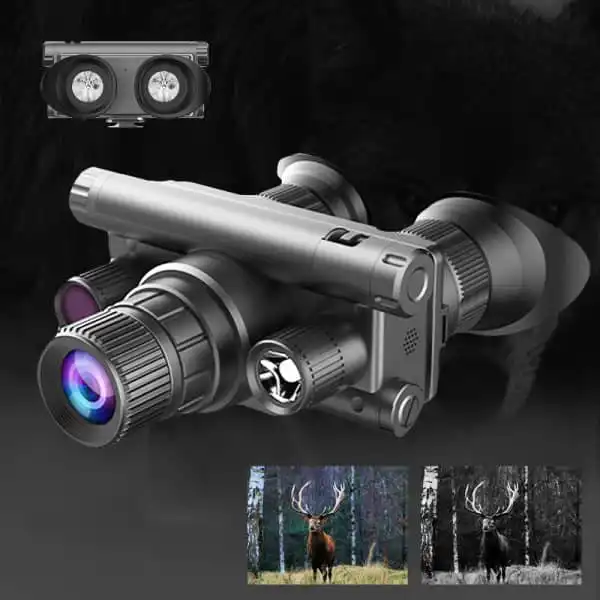
Flip-Up Design: Lets you quickly raise the goggles when stepping into a bright area or when night vision isn’t required.
-
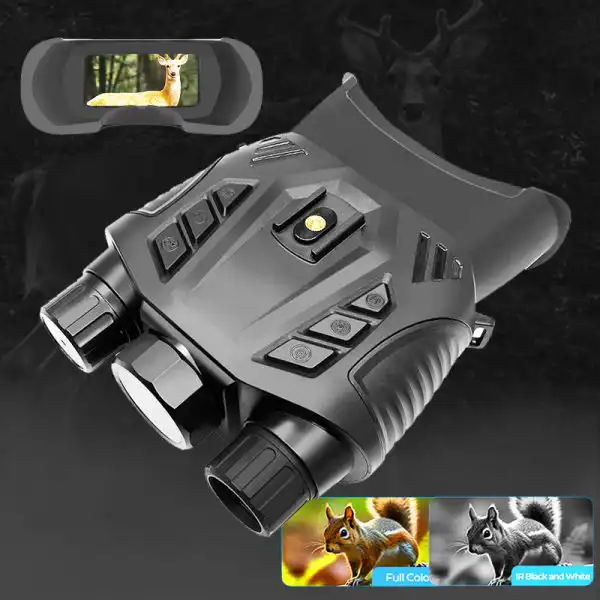
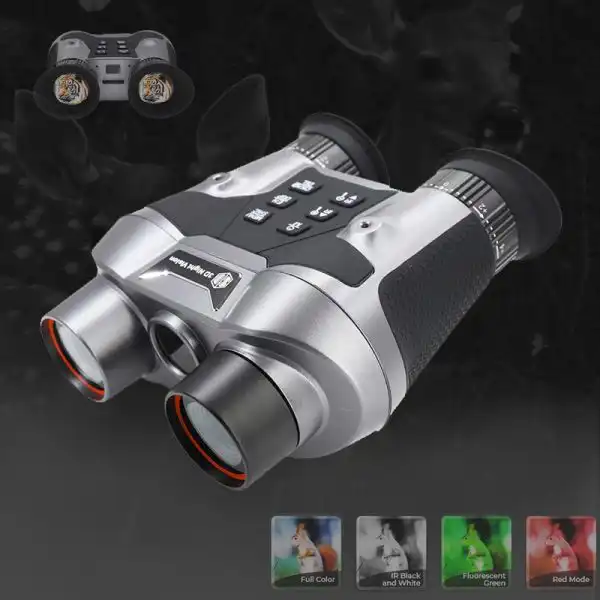
Multiple Imaging Modes: Switch between green or white phosphor to reduce eye strain and adapt to different working conditions.
7. Matching Goggles to Your Activity
Not every user needs the same type of head-mounted goggles. Consider where and how you’ll use them:
-
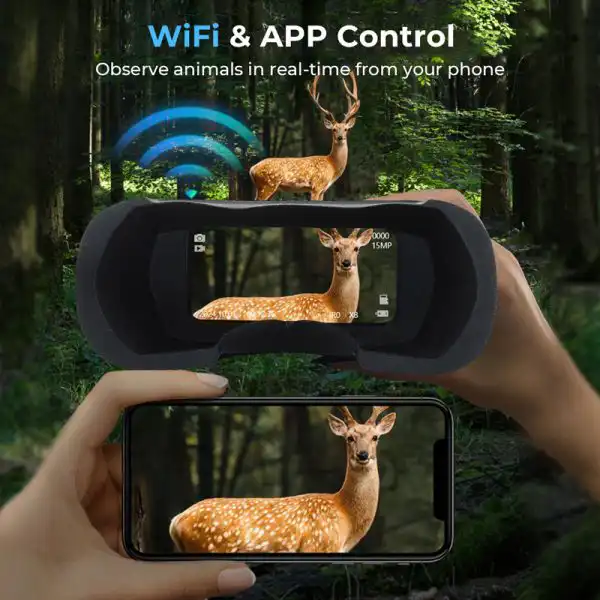
Outdoor Exploration: Lightweight models with a wide field of view and long battery life are best for hiking, camping, or wildlife observation.
-
Security and Patrols: Prioritize durability, IR range, and helmet mounting for all-night monitoring of large areas.
-
Industrial Inspections: Adjustable brightness, sharp edge definition, and comfortable fit are key for spotting wiring, leaks, or equipment faults in dark facilities.
Final Thoughts
The best head-mounted night vision goggles combine hands-free freedom, all-night comfort, and sharp image quality. Instead of focusing only on specifications, think about how the device will feel after hours of continuous wear and whether its features match your environment. When chosen carefully, the right pair transforms nighttime from a challenge into a fully navigable workspace or adventure zone—giving you the confidence to move, work, and explore in complete darkness.



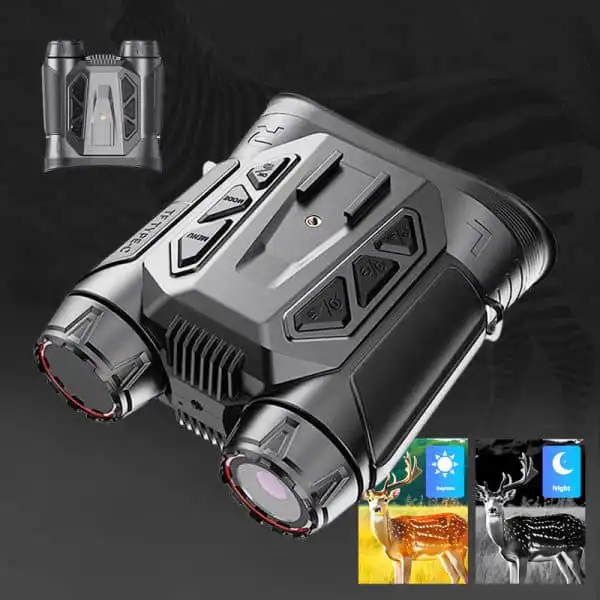
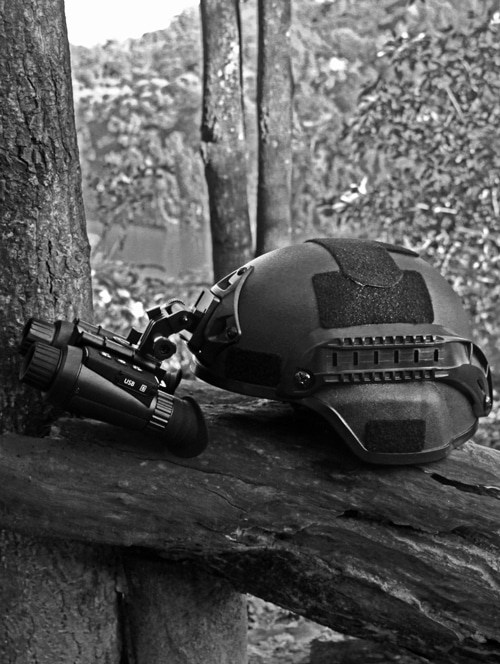 Head-mounted night vision goggles are essential tools for hands-free observation during nighttime or low-light conditions. Unlike handheld devices, these goggles let users move, climb, or operate tools while keeping their hands free, providing a fully immersive viewing experience. They amplify available light, including infrared, to produce clear images even in total darkness, and remain effective during dawn and dusk.