









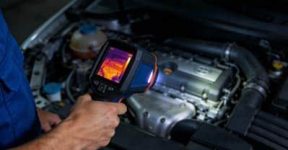
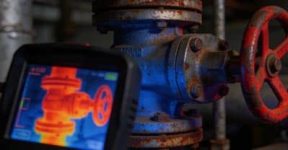
In electrical and HVAC work, problems rarely announce themselves.
A connection overheats. Airflow weakens. A component starts failing long before anything actually stops working.
By the time you can feel heat or hear something unusual, the issue has often been there for a while. That’s where Smartphone Thermal Cameras quietly change the way technicians work.
Seeing Heat Instead of Guessing
Electrical and HVAC systems don’t fail all at once. They give off clues—usually in the form of heat.
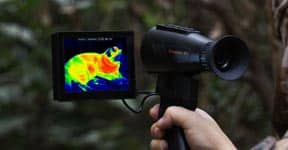
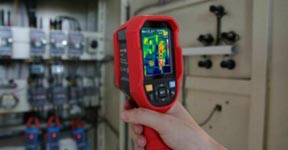
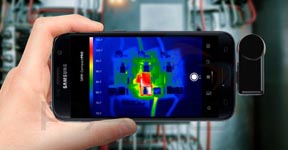
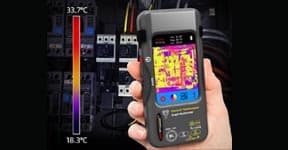
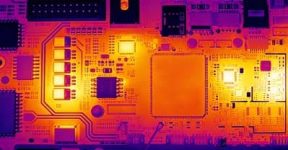
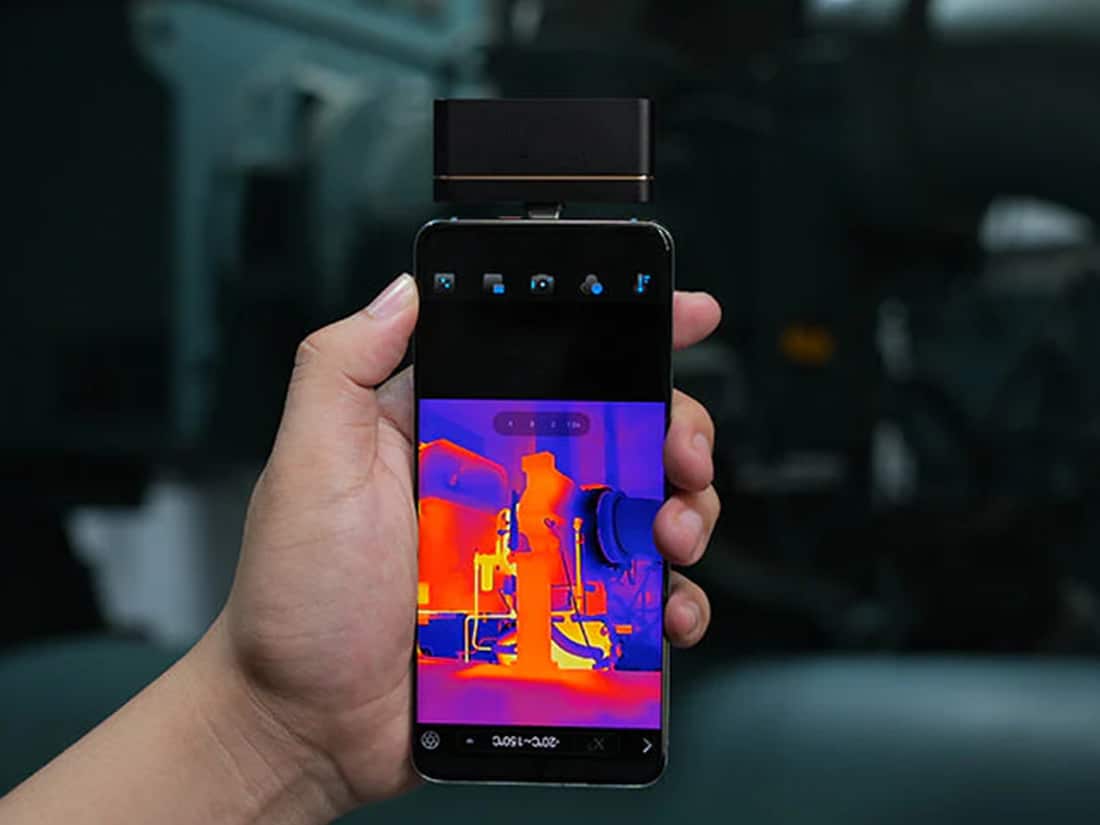
A smartphone thermal camera turns your phone into a tool that makes those clues visible. Instead of relying only on touch, sound, or experience, you can actually see temperature differences across wires, panels, ducts, and components.
Hot spots stand out immediately. Cold zones do too. And suddenly, troubleshooting becomes much more direct.
Why Thermal Imaging Fits Real Job Sites
Traditional diagnostic methods often require stopping systems, opening panels, or testing one point at a time. Thermal imaging speeds this up by showing the full picture at once.
With a smartphone thermal camera, technicians can:
-
Scan panels and components without disassembly
-
Identify uneven heat distribution at a glance
-
Spot potential issues before they escalate
-
Reduce time spent searching for the source of a problem
It’s not about replacing experience. It’s about giving that experience better information.
Electrical Inspections Made Clearer
In electrical work, excess heat usually means resistance, overload, or a loose connection. These issues are easy to miss visually but obvious through thermal imaging.
Smartphone thermal cameras help detect:
-
Overheating terminals and connectors
-
Imbalanced loads across circuits
-
Components under abnormal stress
-
Early signs of insulation failure
Instead of waiting for visible damage, technicians can address issues while systems are still operational.
Smarter Diagnostics in HVAC Systems
HVAC systems depend on balance—airflow, temperature, pressure. When something goes wrong, thermal patterns change.
Thermal cameras allow HVAC professionals to:
-
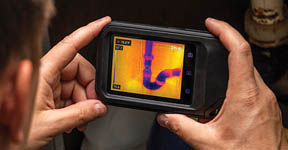
Identify blocked or leaking ducts
-
Check insulation effectiveness
-
Verify heat exchanger performance
-
Locate cold or hot air loss areas
Seeing these patterns in real time helps technicians move from assumption-based fixes to data-driven decisions.
Portability Changes the Workflow
One of the biggest advantages of smartphone thermal cameras is convenience. There’s no separate display, no bulky equipment, no complex setup.
Because the camera connects directly to a phone:
-
Images are easy to capture and save
-
Results can be shared instantly
-
Reports become more visual and easier to explain
-
Inspections feel faster and more fluid
When a tool fits naturally into the workflow, it gets used more often—and that leads to better outcomes.
Better Communication With Visual Proof
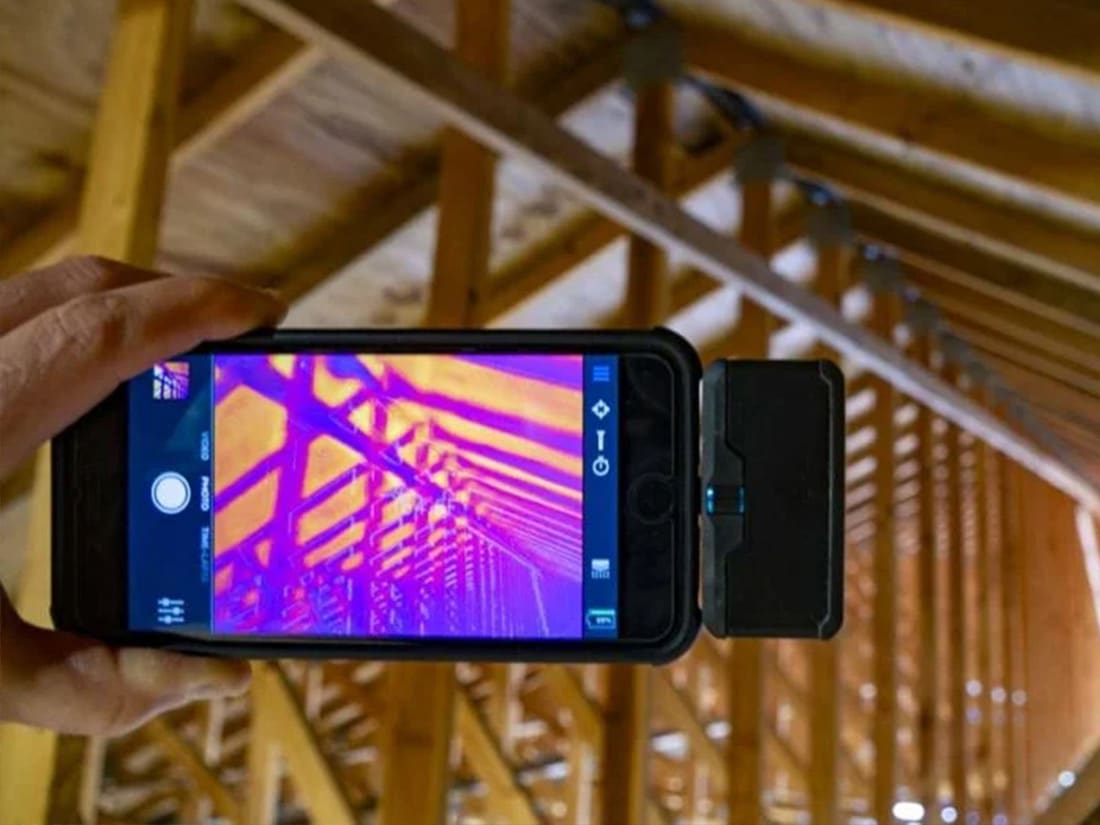
Thermal images don’t just help technicians. They help everyone involved understand the issue.
Showing a client or team member a clear thermal image of an overheating component or energy loss area removes confusion. The problem becomes visible, not theoretical.
That clarity builds trust and speeds up decision-making.
A Practical Tool for Modern Maintenance
Smartphone thermal cameras are not specialty instruments reserved for rare cases. They are becoming everyday tools for inspection, maintenance, and verification.
They help professionals:
-
Work more efficiently
-
Reduce unnecessary downtime
-
Improve diagnostic accuracy
-
Catch issues earlier
In environments where time and reliability matter, that combination makes a real difference.
Final Thoughts
Electrical and HVAC work is about understanding systems that rarely show problems on the surface. Heat tells a story—if you have the right way to see it.
Smartphone Thermal Cameras turn invisible patterns into clear insight, helping professionals move from reactive fixes to smarter, more confident maintenance.
When you can see temperature, you stop guessing—and start knowing.