









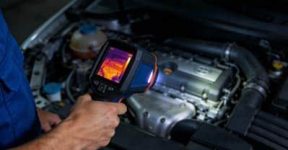
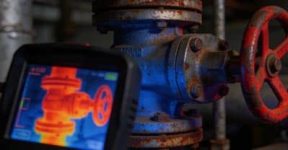
Thermal imaging might look like science fiction at first glance—turning darkness into glowing outlines of heat—but it’s actually a simple and brilliant combination of physics and technology. In just a few minutes, you’ll understand how it works, what makes it so powerful, and why it’s become an essential tool for everyone from outdoor explorers to engineers.
1. The Hidden World of Heat
Everything around us—no matter how cold it feels—emits heat in the form of infrared radiation. Our eyes can’t detect this radiation, but thermal sensors can. The hotter something is, the more infrared energy it gives off.
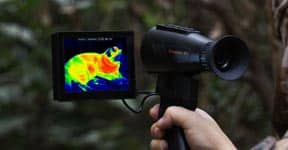
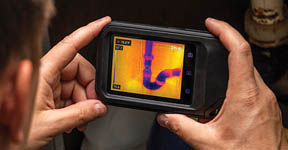
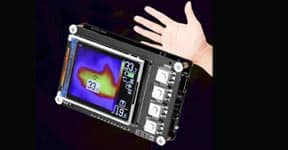
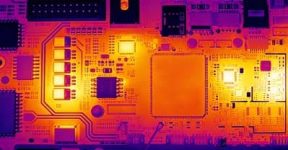
A Thermal Imaging Analyzer, for instance, captures this radiation using a highly sensitive infrared detector. Each pixel on its sensor measures a tiny change in temperature, creating a heat map that translates invisible energy into visible color. Warmer areas glow bright, while cooler areas fade into darker shades.
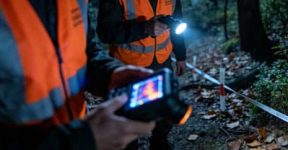
This allows you to “see” things your eyes can’t—like animals hidden in the brush, mechanical parts overheating, or even temperature changes on a wall that suggest insulation issues.
2. From Infrared to Image: The Simple Process
Thermal imaging devices don’t just record light—they measure temperature differences and convert them into readable images. The process goes something like this:
-
Detection: The thermal sensor captures infrared radiation from every object in view.
-
Conversion: The radiation is transformed into electrical signals.
-
Processing: Software interprets those signals and assigns each temperature a specific color or grayscale tone.
-
Display: The result appears instantly as a live, glowing image showing the world in thermal contrast.
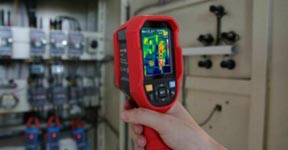
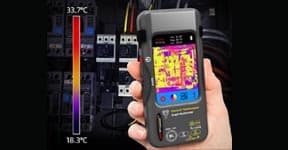
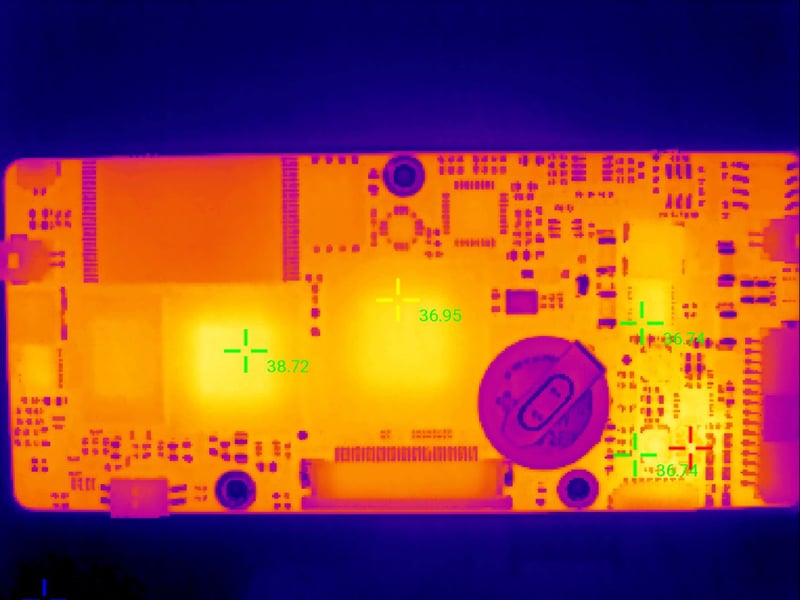
A Thermal Imager Multimeter uses this same principle but combines it with electrical diagnostics. It not only measures voltage or current—it also visually shows where heat is forming in circuits, helping users pinpoint problems faster and more safely.
3. Why Thermal Imaging Matters
Thermal imaging is valuable because it doesn’t depend on light. Unlike night vision or flashlights, it works perfectly in complete darkness, through fog, or even light smoke. It gives you clear visibility when traditional optics fail.
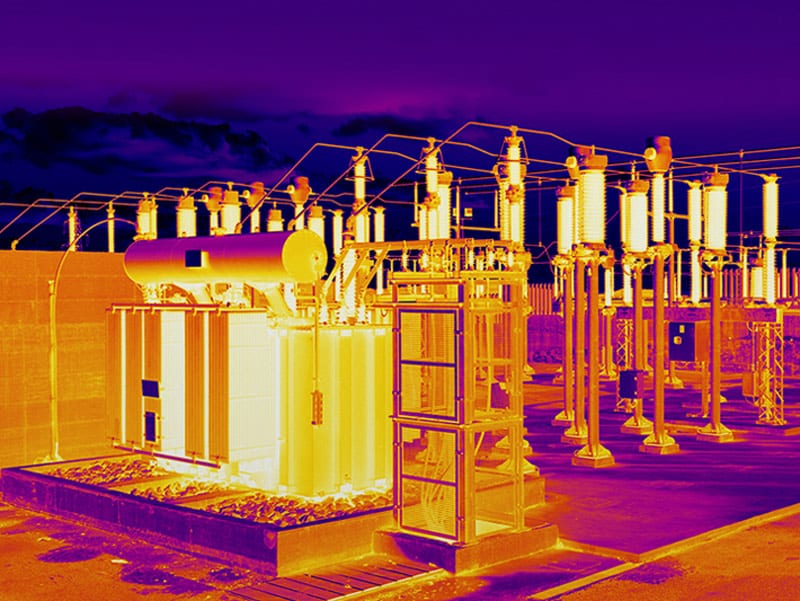
That’s why people use thermal imaging in so many ways: spotting wildlife at night, finding leaks or insulation gaps in buildings, detecting temperature differences in machinery, or checking safety hazards in industrial sites.
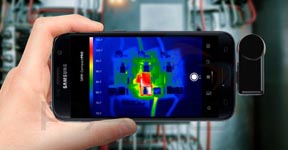
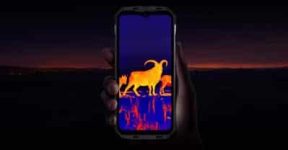
And with compact options like a Smartphone Thermal Camera, this once high-tech equipment is now accessible to anyone. Just connect it to your phone, and you instantly turn your device into a real-time thermal viewer—great for both professionals and everyday explorers.
4. Designed for the Real World
Modern thermal imagers are built for versatility. They’re rugged, fast, and easy to carry, making them reliable in all conditions—from freezing mornings to humid nights. Some devices even allow real-time recording, data storage, or app connectivity, helping users analyze and share results instantly.
The best part? They don’t just work for specialists. Whether you’re hiking, inspecting, or simply curious, thermal imaging adapts to what you need it for.
5. Seeing the Unseen
Thermal imaging opens up a world that’s always been there—just invisible until now. It turns heat into information, transforming the way we see our surroundings and interact with them.
Whether it’s a Thermal Imaging Analyzer for industrial work, a Thermal Imager Multimeter for precision inspection, or a Smartphone Thermal Camera for quick detection on the go, these tools all share one thing in common: they make the unseen visible.
And once you’ve seen the world through thermal eyes, it’s hard to imagine going back.