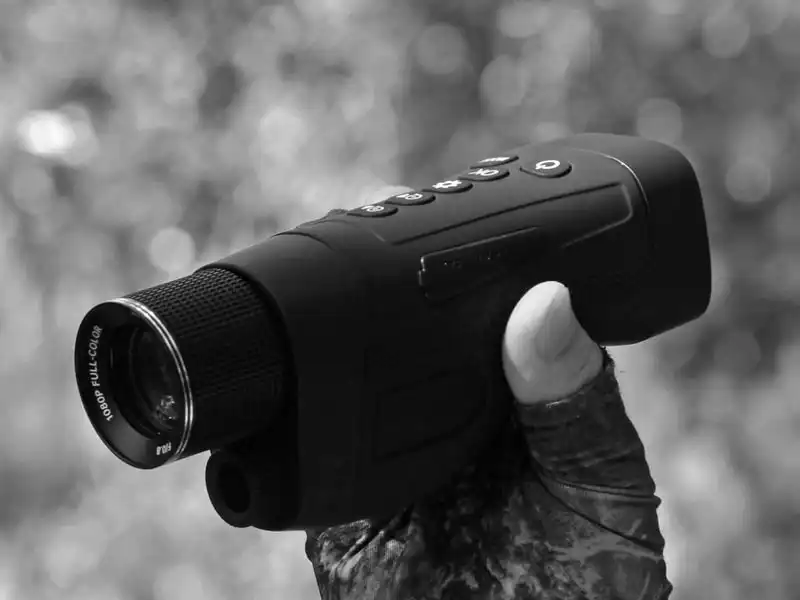
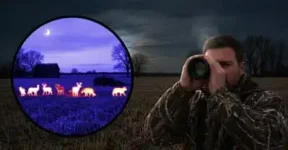
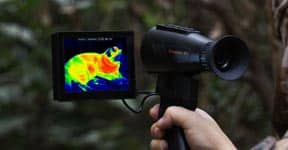
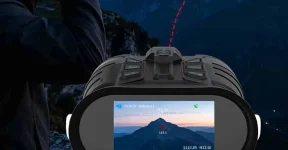
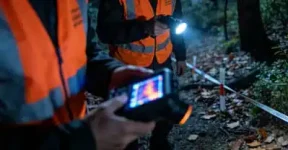
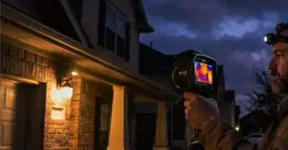
When the sun goes down, the world doesn’t disappear — it just hides. That’s exactly where night vision monoculars come in handy. Whether you’re hiking through dim trails, monitoring wildlife, or simply exploring the outdoors after dark, a good monocular can turn complete darkness into clear visibility. But before hitting that “buy” button, it’s worth slowing down to understand what separates a great device from an average one.
1. Know What You Need It For
The first and most important question — why do you need it?
If you’re an outdoor hobbyist who just wants to see at night, you’ll want something light, simple, and easy to carry. But if your work involves detailed inspections, surveillance, or long hours outside, you’ll need a more advanced monocular with higher resolution and longer viewing range.
In short — purpose defines priority. Decide what you’ll use it for, and you’ll immediately narrow down the right specs.
2. Image Clarity Matters More Than You Think
It’s easy to get distracted by magnification numbers, but the real game-changer is image clarity. A blurry image, no matter how zoomed in, is useless. Look for a monocular with balanced optical and digital zoom, good sensor sensitivity, and adjustable brightness settings.
You want a clear, detailed image — not one that looks like it’s been pulled from an old security camera.
3. IR Illumination – Your Invisible Flashlight
Even the best night vision needs a little help in total darkness. That’s where infrared (IR) illumination comes in. Think of it as an invisible flashlight — it brightens up the scene without giving away your position.
If you often explore in pitch-black environments, make sure the monocular has a strong built-in IR light or supports external IR illuminators. Adjustable brightness is another plus since it helps adapt to different light levels.
4. Battery Life: Don’t Get Left in the Dark
Nothing kills a night adventure faster than a dead battery. Some night vision monoculars run on AA batteries, while others use rechargeable lithium ones.
If you spend long hours outdoors, choose a model that offers at least 6–8 hours of operation per charge. Bonus points for devices that can connect to power banks via USB — you’ll thank yourself during long nights in the field.
5. Size and Comfort: Small Can Be Smarter
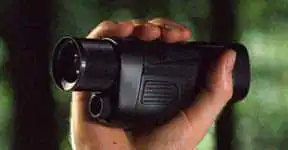
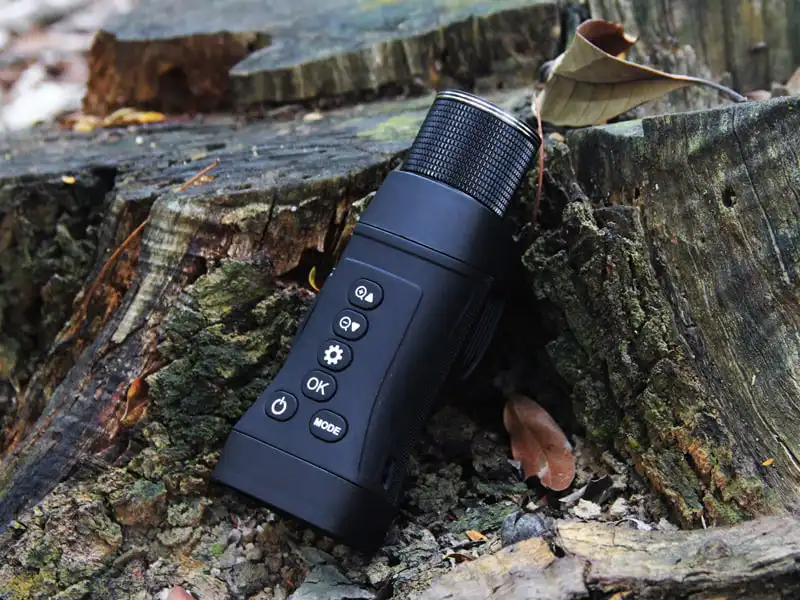
Unlike bulky binoculars, monoculars shine for being compact and portable. But not all “small” devices are comfortable to use.
If you plan to hold it for long stretches, make sure it has an ergonomic design — rubberized grip, light weight, and simple button layout. Comfort makes a big difference when you’re using it for hours at a time.
6. Weather Resistance and Durability
Outdoor gear needs to handle outdoor realities — moisture, dust, drops, and temperature changes. Look for devices rated IP56 or above, meaning they can handle rain, splashes, and rough conditions without damage.
A sturdy, sealed build isn’t just marketing fluff; it’s what keeps your monocular working when nature decides to test it.
7. Range and Field of View
Here’s a trade-off that often confuses buyers: long range versus wide view.
A high magnification lets you spot distant details but narrows your view, while a wide field helps scan areas faster but shows less detail.
If your goal is to track movement or scan open spaces, go for a wider field. If you need to identify distant subjects, prioritize range and optical clarity. The sweet spot is a balance — enough zoom to reach out, enough width to stay aware.
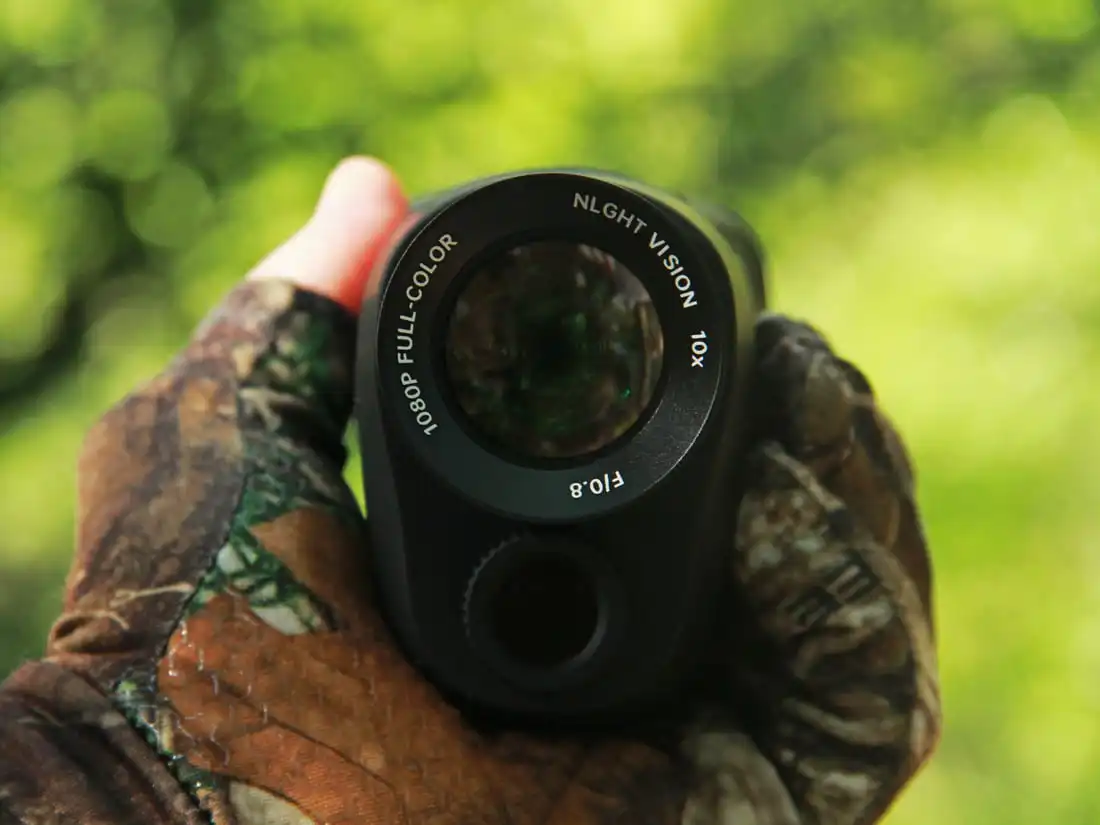
8. Extra Features: Nice-to-Have, Not Need-to-Have
Some night vision monoculars now come loaded with features like photo/video recording, Wi-Fi, or smartphone connectivity. These are great for documentation or sharing footage, but not essential for everyone.
If you’re using it mainly for observation, simplicity can be a good thing — fewer buttons, less confusion, longer battery life.
9. Price vs. Performance: Don’t Chase Numbers
It’s tempting to assume a higher price equals better quality, but that’s not always true. Many mid-range models now deliver impressive performance without draining your wallet.
The key is to focus on the essentials — clear imaging, solid build, and comfortable handling. Anything beyond that should fit your real needs, not just your curiosity.
10. Test Before You Commit (If Possible)
If you can, try before buying — especially if it’s your first night vision device. Testing how it feels in your hand, how quickly it focuses, or how bright the display appears in real conditions gives you a much better sense than reading specs alone.
Night vision is as much about experience as it is about technology.
Final Thoughts
A night vision monocular isn’t just a gadget — it’s your eye in the dark. Choosing the right one depends on how you use it, not how impressive it looks on paper.
Take a bit of time to understand your needs, weigh clarity over features, and never underestimate the value of comfort and reliability. Once you find the right fit, you’ll discover a whole new side of the night — one that’s alive, detailed, and full of things you’ve never seen before.