















Rugged phones aren’t just for adventurers anymore — they’ve become essential tools for workers, explorers, and anyone who needs a phone that won’t quit when things get rough. Whether you’re climbing mountains, working on construction sites, or inspecting equipment in harsh conditions, a rugged phone can be your most reliable companion. But with so many options on the market, how do you pick the one that’s truly right for you? Here are nine practical tips to help you choose wisely.
1. Know Your Environment
Before anything else, think about where and how you’ll use your rugged phone.
If you’re outdoors in dusty, wet, or high-impact environments, durability and protection are your top priorities.
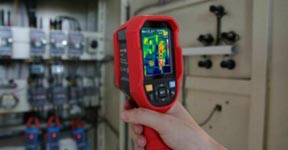
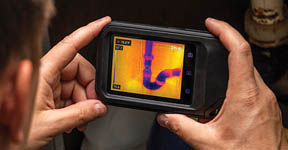
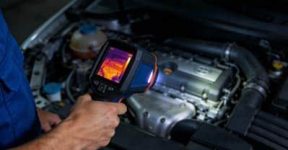
If you’re working in maintenance, inspection, or technical fields, you might need features like thermal imaging, laser measurement, or infrared cameras.
Your work environment should guide your choice more than anything else.
2. Check the Protection Standards
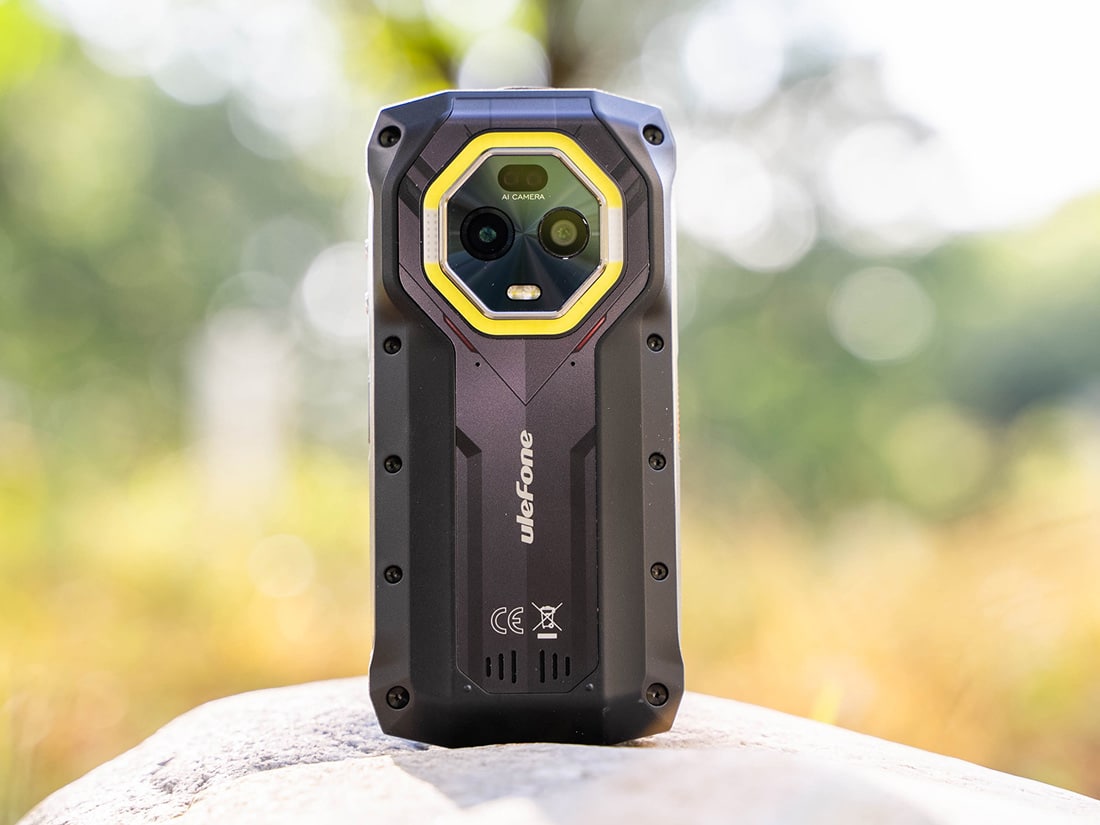
A rugged phone’s true strength lies in its certification. Look for the IP rating and MIL-STD military standard.
-
IP68/IP69K ratings mean the phone is fully dustproof and can survive immersion in water for up to 30 minutes.
-
MIL-STD-810H certification ensures it can withstand drops, shocks, temperature changes, and vibration.
If your job takes you into unpredictable or extreme environments, these standards aren’t optional — they’re essential.
3. Focus on Screen Durability
Even the toughest phones can have fragile screens. Choose one with Corning Gorilla Glass or other reinforced glass for better impact resistance.
If you often work with gloves or in the rain, make sure the phone supports wet and glove touch modes — a small detail that makes a huge difference in usability outdoors.
4. Battery Life Matters
A rugged phone’s battery is its lifeline. Look for a model with at least 10,000mAh capacity, ideally supporting fast charging or reverse charging to power other devices.
Some rugged phones even come with dual LED lights, allowing them to double as flashlights or emergency beacons — perfect for long outdoor days or night shifts.
5. Look for Thermal Imaging or Night Vision Options
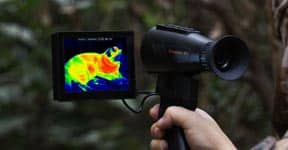
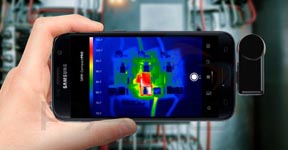
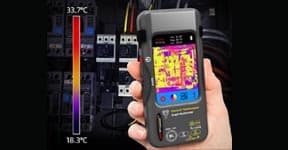
Many modern rugged phones now come equipped with built-in thermal imagers.
This feature allows users to detect heat sources, identify overheating components, or locate people and animals in dark environments — a game-changer for engineers, rescue teams, or outdoor enthusiasts.
When comparing models, pay attention to the resolution and frame rate of the thermal sensor — higher specs mean smoother, clearer imaging.
6. Don’t Overlook Performance and Software
Rugged doesn’t mean slow. Look for a device that balances durability with strong internal performance.
An octa-core processor, 8GB+ RAM, and ample storage (128GB or higher) are good starting points.
Make sure it runs on an updated operating system with support for essential apps — smooth performance is just as important as toughness.
7. Connectivity Can Make a Difference
Your rugged phone should keep you connected no matter where you are.
Features like dual SIM, 5G, Wi-Fi 6, and Bluetooth 5.3 can improve reliability in remote areas.
For field workers, built-in GPS, GLONASS, or Beidou navigation systems are also a must-have.
8. Ergonomics and Design Still Matter
A rugged phone doesn’t have to be bulky or uncomfortable. Look for a design that balances grip, weight, and comfort — something that won’t slip easily but also won’t tire your hand after long hours of use.
Some phones even include customizable side keys, which can be set to activate tools like a flashlight, camera, or push-to-talk app instantly.
9. Extra Features for Real Work
Think beyond durability — the best rugged phones offer smart features for real-world use.
From barometers and altimeters to SOS emergency buttons and temperature sensors, these tools can add safety and convenience in the field.
If your job involves frequent inspections, repairs, or travel, these built-in functions can save both time and effort.
Final Thoughts
Choosing the right rugged phone isn’t just about finding the toughest one — it’s about finding the right balance between durability, functionality, and performance.
A good rugged phone should fit your workflow, endure your environment, and stay dependable when everything else fails.
So before you buy, take a moment to compare these features — because in the world of rugged tech, the right choice can make all the difference