





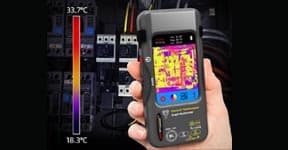


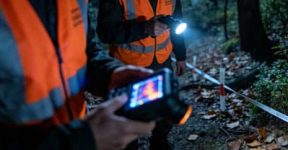

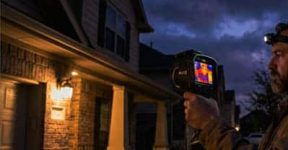
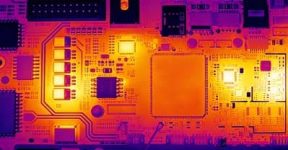
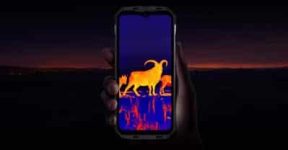
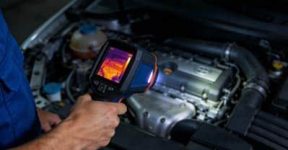
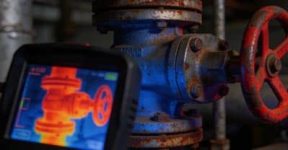
Thermal imaging is no longer a futuristic concept — it’s a practical tool that has reshaped how we inspect, observe, and protect the world around us. Whether it’s diagnosing hidden electrical problems, detecting heat leaks in buildings, or exploring the outdoors at night, thermal imaging offers a level of insight that ordinary vision simply can’t match.
In this comprehensive guide, we’ll walk through how thermal imaging works, why it’s so useful across different industries, and introduce several types of thermal imaging devices that meet various real-world needs.
What Is Thermal Imaging Technology?
At its core, thermal imaging technology detects infrared radiation — the heat naturally emitted by all objects — and transforms it into a visible image. Since heat patterns can reveal crucial information invisible to the naked eye, thermal imaging allows users to detect issues like overheating machinery, air leaks, or even locate living beings in dark environments.
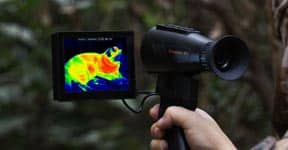
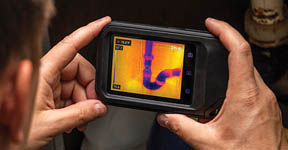
Every object, no matter how small, emits a specific thermal signature. A thermal camera captures that signature and converts it into an image that displays temperature differences in color form. Hot areas may appear bright or red, while cooler regions show in darker shades. This color mapping makes it easy to identify problems quickly and accurately.
How Does Thermal Imaging Work?
Thermal cameras are built around a microbolometer sensor, a highly sensitive component that measures infrared energy. Once the sensor captures thermal radiation, it’s processed into a digital image where every pixel represents a temperature point.
This process happens instantly — allowing you to visualize heat patterns in real time. Because infrared radiation can pass through smoke, fog, and darkness, thermal imaging is reliable in environments where normal light-based vision fails.
Whether you’re inspecting a mechanical system or searching for wildlife in low light, the same principle applies: heat tells the truth where light cannot.
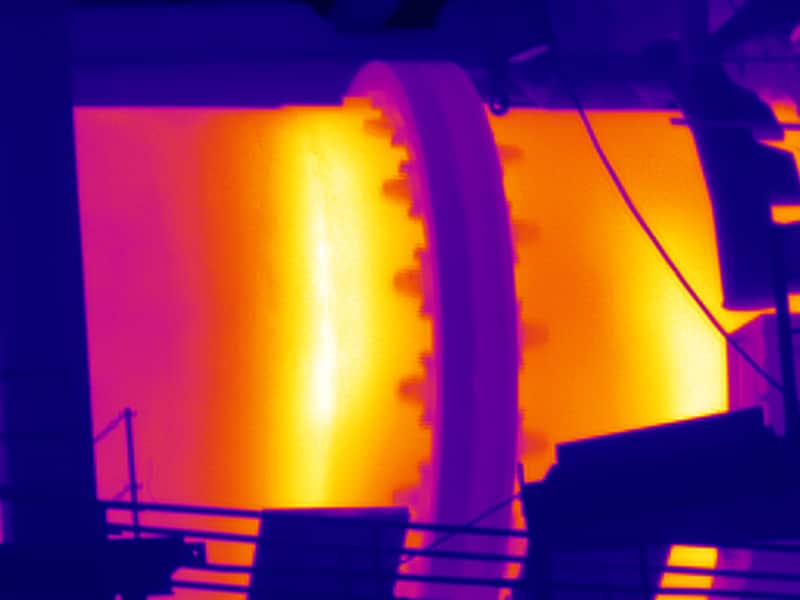
Where Thermal Imaging Is Used
Thermal imaging has applications in countless fields — from industrial inspection to outdoor recreation. Here are a few of the most common:
-
Building Diagnostics: Identify poor insulation, water leaks, or missing seals without tearing down walls.
-
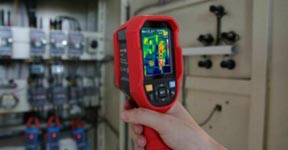
Electrical and Mechanical Maintenance: Detect overheating wires, bearings, or components before they cause breakdowns.
-
Environmental Monitoring: Observe wildlife behavior and detect temperature variations in ecosystems.
-
Public Safety and Rescue: Locate people or animals in smoke, darkness, or complex terrain.
-
Quality Control: Ensure product consistency by monitoring thermal distribution in production processes.
Its ability to visualize temperature differences without contact makes it one of the safest and most versatile inspection tools available today.
Types of Thermal Imaging Devices
Not all thermal imaging devices are built for the same purpose. Depending on the environment and task, different designs offer unique advantages. Below are several key categories you’ll often find on the market:
-
Handheld Thermal Imagers: Ideal for on-site inspections, these devices offer portability and easy operation, commonly used in construction and maintenance work.
-
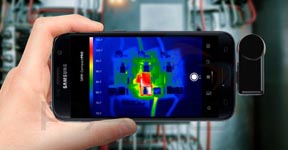
Smartphone Thermal Camera: Connects directly to your mobile device, turning it into a portable thermal viewer — perfect for quick home diagnostics or field work.
-
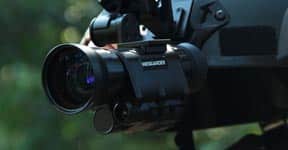
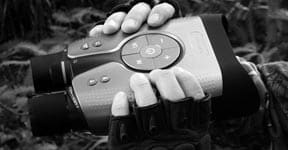
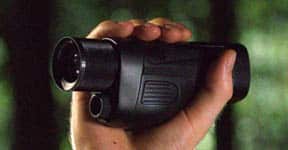
Thermal Imaging Monoculars: Compact and designed for outdoor or wildlife use, providing clear thermal vision even in complete darkness.
-
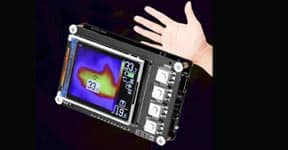
Pocket Thermal Camera: Small, lightweight, and convenient for technicians or DIY users who need fast heat detection without bulky tools.
-
Thermal Imaging Rugged Phones: Combine a standard smartphone with integrated thermal imaging, built for durability in harsh environments.
-
Thermal Imaging Analyzer: Used for more advanced industrial diagnostics where precise temperature data and detailed analysis are required.
-
Thermal Imager Multimeter: Combines electrical testing with thermal visualization — a must-have for electricians and maintenance professionals.
-
Thermal Infrared Camera: Versatile and professional-grade, suitable for research, inspection, or engineering applications requiring high accuracy.
Each of these tools uses the same core thermal imaging principle but adapts it for a specific field, giving users the right balance of portability, performance, and precision.
What to Look For When Choosing a Thermal Imaging Device
When deciding which thermal imaging device to buy, the specifications matter. Here are the most important aspects to consider:
-
Resolution: Higher resolutions offer clearer and more detailed images — essential for detecting small temperature variations.
-
Thermal Sensitivity (NETD): A lower NETD value means the device can distinguish finer temperature differences.
-
Temperature Range: Defines how hot or cold a surface the device can measure — critical for industrial inspections.
-
Frame Rate: A faster frame rate ensures smoother imaging, especially for moving subjects or dynamic environments.
-
Display & Connectivity: Many modern devices feature app integration or wireless data transfer for convenient viewing and analysis.
Understanding these details helps you match your device to your needs — whether for professional inspection or personal exploration.
The Practical Benefits of Thermal Imaging
What makes thermal imaging so valuable isn’t just its ability to “see heat,” but how much it improves safety, efficiency, and accuracy in daily work.
For example:
-
Detecting a failing electrical connection before it leads to costly downtime.
-
Identifying insulation problems early to reduce energy waste.
-
Monitoring engines, HVAC systems, or mechanical parts without physical contact.
-
Observing wildlife behavior at night without disturbing natural habitats.
By making temperature visible, thermal imaging simplifies troubleshooting, boosts safety, and empowers decision-making across countless industries.

The Future of Thermal Imaging
The development of thermal imaging is accelerating faster than ever. Devices are becoming smaller, smarter, and more connected — combining thermal sensors with AI analysis and mobile compatibility. Compact tools like Smartphone Thermal Cameras and Pocket Thermal Cameras now bring professional-grade capabilities into the hands of everyday users.
As costs continue to decrease and image quality improves, thermal imaging is expected to become a standard part of smart devices, industrial systems, and even home safety products. What was once a specialized technology is now an everyday advantage.
Final Thoughts
Thermal imaging has moved far beyond laboratories and industrial testing. It’s a technology that enhances how we understand the world — revealing hidden details, improving efficiency, and making work safer and smarter.
Whether you choose a Handheld Thermal Imager, a Thermal Imaging Monocular, or a Thermal Imaging Rugged Phone, each one opens a window into a world that was once invisible.
Thermal imaging doesn’t just show you what’s hot or cold — it shows you what matters. And that, more than anything, is what makes it one of the most powerful tools of modern technology.