



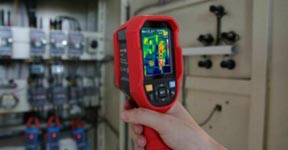
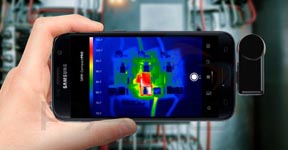
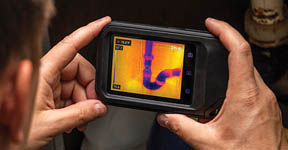
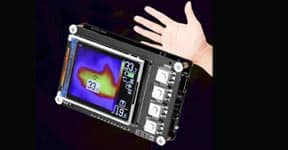






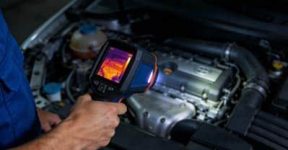
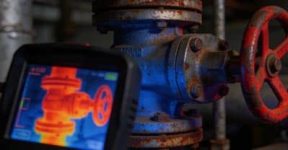
When it comes to home inspection, not everything can be seen with the naked eye. Behind a clean wall, there could be hidden moisture. Under a freshly painted ceiling, there might be heat loss or wiring issues. That’s where handheld thermal imagers come in — giving inspectors, homeowners, and technicians the power to see what’s invisible.
1. What Is a Handheld Thermal Imager?
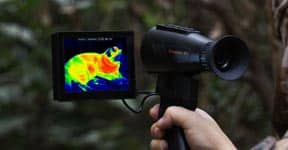
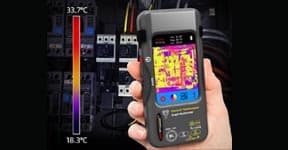
A handheld thermal imager is a compact device that detects infrared radiation — or simply, heat — from objects and converts it into a visible image.
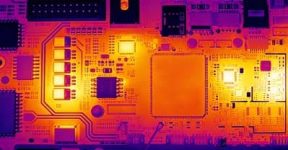
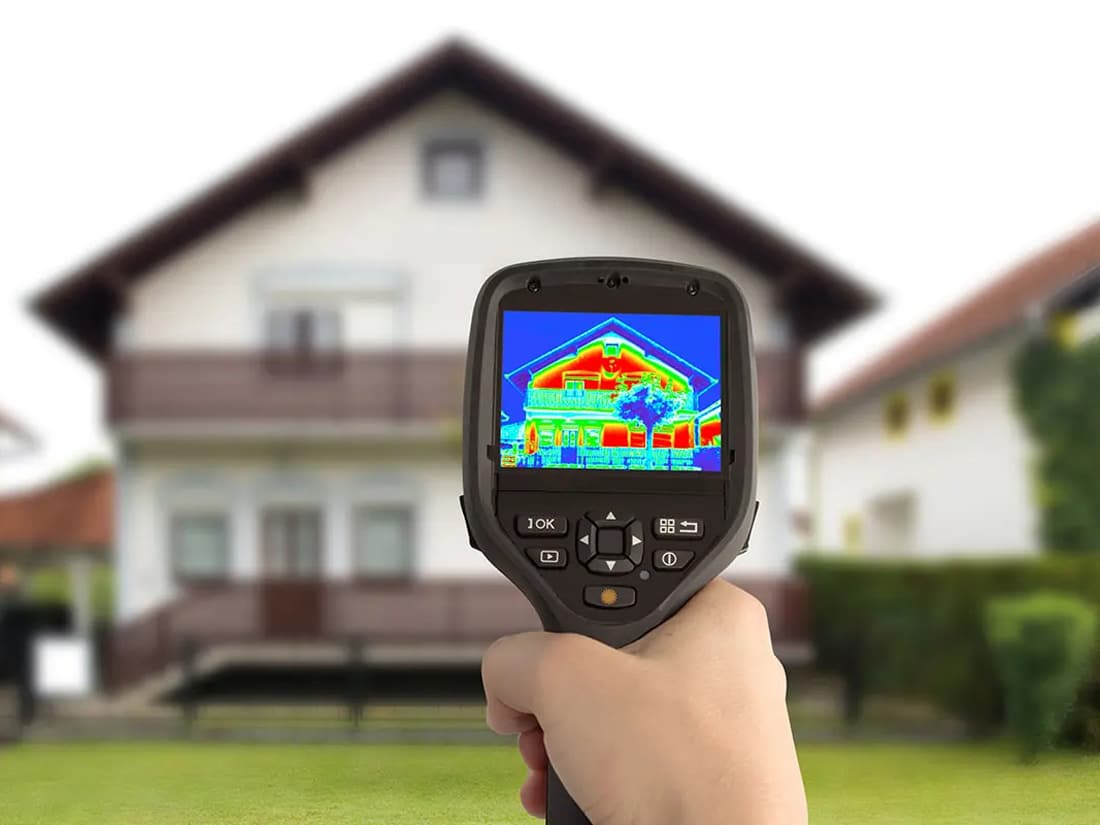
Every object, whether hot or cold, emits infrared energy. The imager captures those temperature differences and turns them into color-coded visuals that reveal patterns the human eye can’t see.
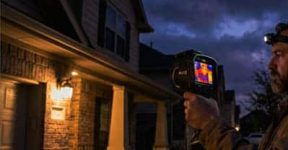
In home inspections, this technology helps professionals identify temperature variations caused by air leaks, poor insulation, electrical faults, or hidden water damage, all without dismantling walls or ceilings.
2. Why Use a Handheld Thermal Imager for Home Inspection?
Traditional inspection methods often rely on surface observation and manual testing. But thermal imaging takes it several steps further — offering non-invasive, real-time analysis. Here’s why it makes such a difference:
-
Detect energy loss: Spot areas where warm or cool air escapes — around windows, doors, attics, or pipes.
-
Find hidden moisture: Identify damp spots caused by leaks before they lead to mold growth.
-
Check electrical safety: Locate overheating wires, outlets, or panels early to prevent potential hazards.
-
Evaluate insulation performance: See exactly where insulation is missing or uneven.
With these insights, inspectors and homeowners can take immediate, informed action — saving energy, preventing damage, and improving safety.
3. Easy to Carry, Easy to Use
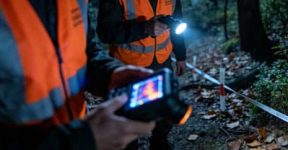
One of the best things about handheld thermal imagers is their portability. They’re lightweight, battery-powered, and designed for single-hand operation. Whether you’re climbing into an attic, checking an air duct, or walking through a basement, you can quickly capture images from any angle.
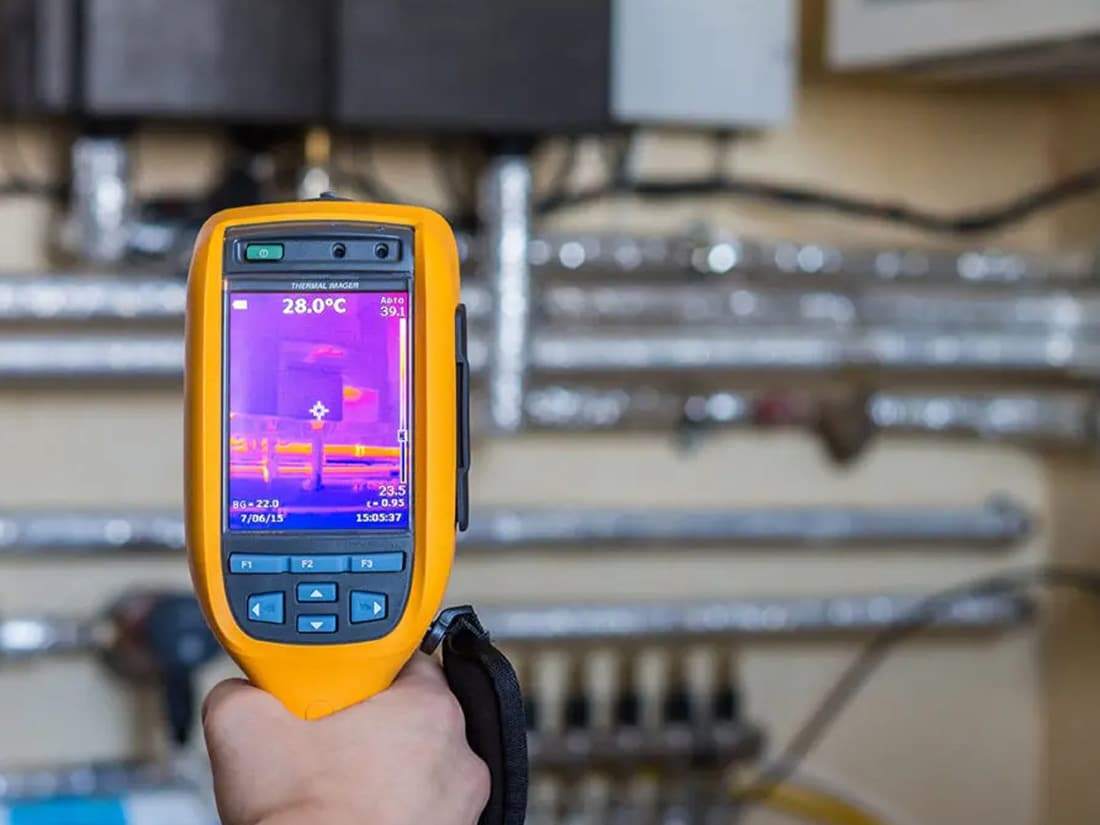
Most models feature intuitive controls, adjustable color palettes, and instant temperature readings — making them accessible even for those who aren’t thermal imaging experts.
This simplicity allows anyone — from electricians and HVAC specialists to homeowners doing DIY checks — to benefit from professional-grade inspection results.
4. Common Applications in Home and Building Maintenance
The value of a handheld thermal imager goes beyond inspections — it’s a versatile tool for continuous maintenance and troubleshooting.
-
Roof inspections: Identify leaks or insulation gaps under roofing materials.
-
Plumbing systems: Trace pipe paths or find blockages hidden behind walls.
-
HVAC systems: Check for uneven air distribution, leaking ducts, or inefficient compressors.
-
Window and door testing: Measure temperature differences to confirm sealing effectiveness.
-
Floor heating systems: Detect heating cable breaks or uneven heat distribution under tiles.
Essentially, anywhere there’s temperature variation, a thermal imager provides a fast and reliable diagnostic shortcut.
5. How to Get Accurate Results
To make the most of your handheld thermal imager, here are some quick tips:
-
Avoid reflections: Shiny surfaces like metal can distort thermal readings.
-
Adjust emissivity: Set the correct material type in your device for precise results.
-
Allow time for stabilization: When moving between hot and cold areas, give your imager a few seconds to adapt.
-
Combine with visual inspection: Thermal imaging highlights issues, but physical confirmation completes the diagnosis.
Using these simple practices ensures consistent and reliable results for every inspection.
6. The Advantage of Thermal Vision in Everyday Work
With a handheld thermal imager, you can work smarter, not harder. You don’t need to rely solely on intuition or experience — the image itself tells the truth. It’s like having x-ray vision for temperature differences, allowing you to detect problems before they turn into expensive repairs.
For professionals, it adds credibility and efficiency to their reports. For homeowners, it provides peace of mind — a clearer picture of what’s really happening inside their property.
7. Final Thoughts: A Smart Investment for Smarter Inspections
In the world of home and building inspections, the handheld thermal imager has become an essential companion. It combines precision, portability, and practicality — helping users save energy, prevent damage, and ensure safety with minimal effort.
Whether you’re a certified inspector, a facility manager, or a hands-on homeowner, thermal imaging technology empowers you to see the unseen — and that’s the key to maintaining a safe, efficient, and comfortable space.