


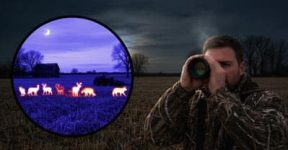



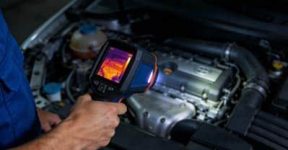

Night doesn’t hide heat.
It hides light.
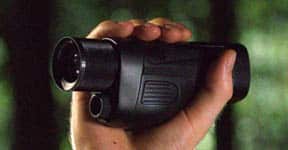
That difference matters more than most people realize. When visibility drops and shadows take over, Thermal Imaging Monoculars offer a completely different way to understand what’s happening outdoors—one that doesn’t depend on light at all.
Why Thermal Imaging Feels Different at Night
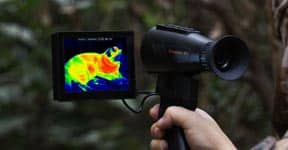
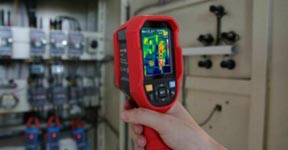
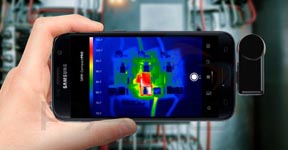
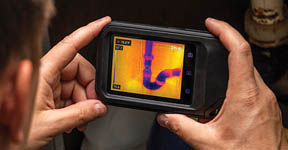
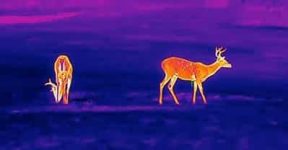
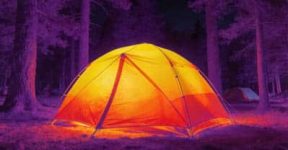
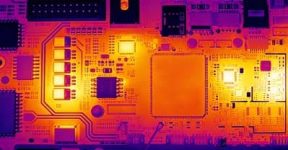
Traditional night observation tools rely on available light, even if it’s just a little. Thermal imaging works on another level. It shows temperature differences instead of shapes and colors.
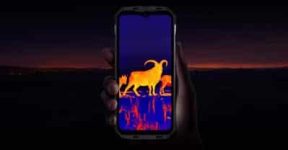
That means warm bodies stand out naturally against cooler backgrounds. Movement becomes easier to notice, even when everything else blends into darkness.
Once you’ve experienced it, it feels less like “seeing in the dark” and more like reading the environment.
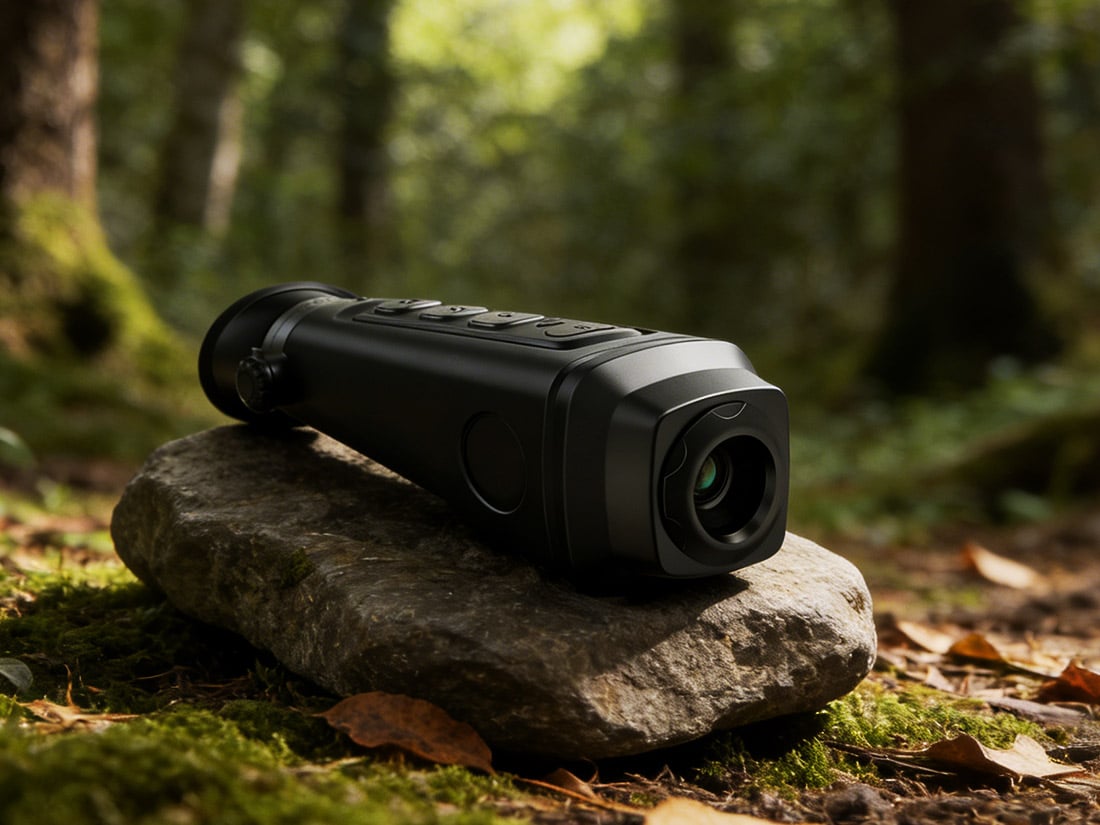
Tracking Without Guesswork
Tracking at night can quickly turn into a guessing game. Sounds travel. Shadows move. It’s easy to second-guess what you think you noticed.
A thermal imaging monocular cuts through that uncertainty. Warm trails, recent movement, and active presence become visible in a way that feels straightforward and honest.
You’re not trying to interpret vague outlines. You’re following clear thermal signals.
Staying Aware Without Disturbing the Scene
One of the biggest advantages of thermal imaging is how quietly it works. There’s no need for visible light, and nothing in the environment needs to change for you to observe it.
This allows for:
-
Natural behavior to continue uninterrupted
-
Observation from a comfortable distance
-
A calmer, more controlled tracking experience
You stay aware without announcing your presence.
Why a Monocular Makes Sense Outdoors
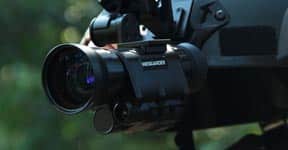
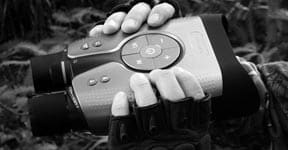
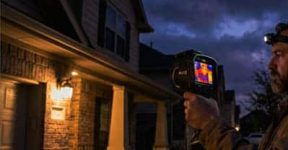
Thermal monoculars are popular for a reason. They’re compact, easy to handle, and quick to deploy. At night, that simplicity matters.
You can scan an area in seconds, lower the device, move naturally, and check again without breaking rhythm. There’s no complicated setup, no extra steps—just a smooth flow that fits outdoor use.
When you’re tracking over time, that ease adds up.
Seeing Beyond Light and Shadow
What surprises most people the first time they use thermal imaging is how little light matters. Brush, uneven ground, light fog—things that usually interfere with visibility—often matter far less in thermal view.
Warm signatures remain visible even when visual conditions are less than ideal. That reliability makes thermal imaging especially useful when night conditions aren’t perfect.
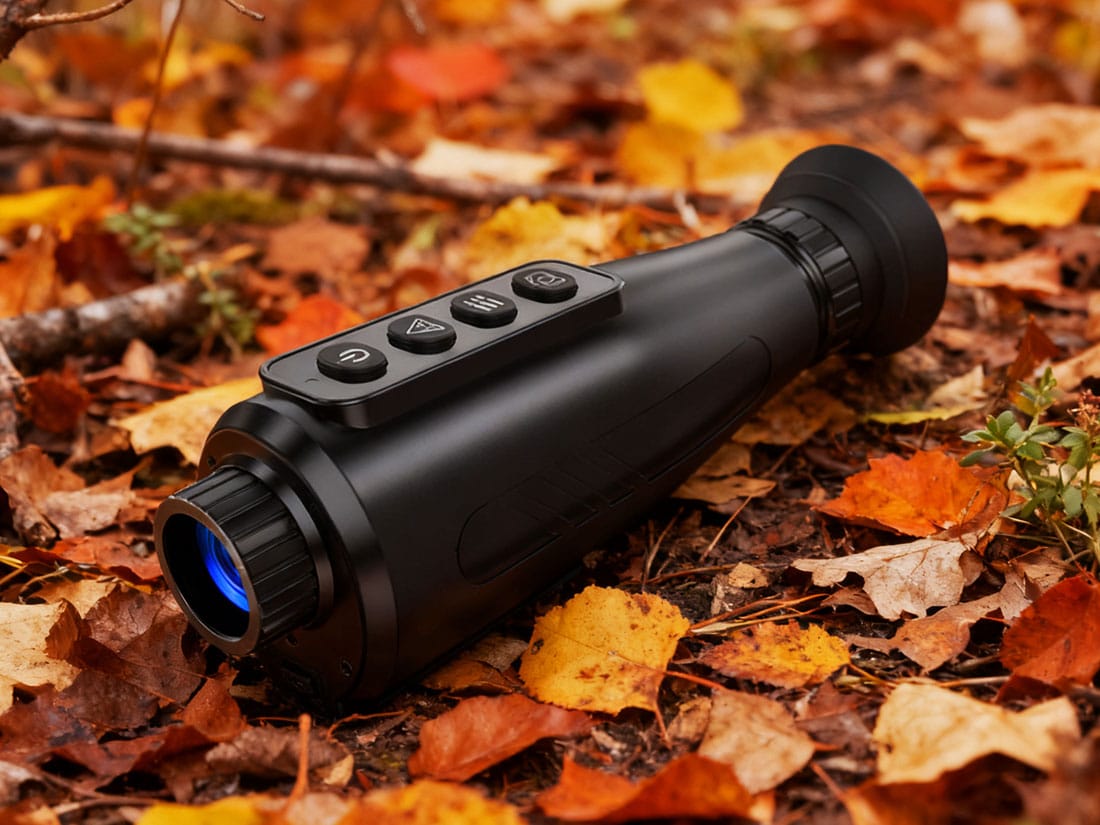
Built for Long Nights
Tracking doesn’t happen all at once. It’s slow, quiet, and requires patience. Thermal imaging monoculars are designed to support that pace.
Balanced weight, intuitive controls, and stable imaging make it easier to stay focused without fatigue. When the device feels natural to use, you spend more time observing and less time adjusting.
That’s when the technology really earns its place.
A Smarter Way to Track at Night
Thermal imaging monoculars don’t replace skill or experience. They support it. They reduce uncertainty, sharpen awareness, and help you make sense of what the night is showing you.
For night hunting and tracking, that clarity changes everything.
Final Thoughts
The night doesn’t give up information easily. But heat leaves a trace, and thermal imaging knows how to find it.
Thermal Imaging Monoculars offer a quieter, clearer way to stay aware after dark—one that works with the environment, not against it.
When light disappears, heat still tells the story.