








It’s a common question, and an easy one to misunderstand.
Bigger numbers sound better. More magnification feels like more power. But when it comes to night vision, things don’t work quite the way they do in daylight.
So… is higher magnification always better?
Short answer: not really.
What Magnification Actually Does at Night
Magnification brings distant objects closer. That part is simple. But at night, every bit of magnification also spreads available light over a larger image area.
That means as magnification increases:
-
The image can appear dimmer
-
Small movements become more noticeable
-
Hand shake feels exaggerated
-
Fine details may actually become harder to read
More zoom doesn’t automatically mean more usable information.
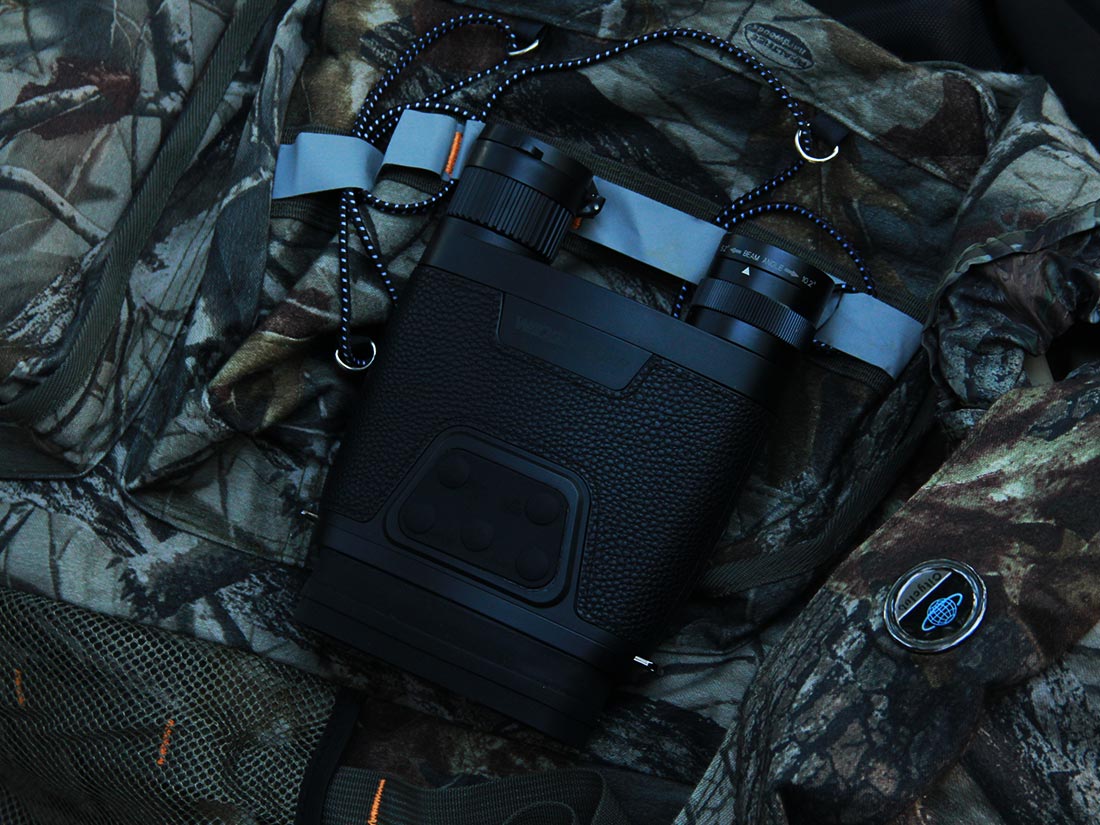
Why Lower Magnification Often Feels Clearer
This surprises a lot of people. In many nighttime situations, lower magnification delivers a cleaner, more comfortable view.
With less magnification, you usually get:
-
A brighter image
-
A wider field of view
-
Easier tracking of movement
-
Better overall situational awareness
When you’re observing large areas or watching for movement, this balance often matters more than raw zoom.
Field of View Matters More Than You Think
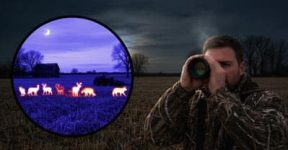
At night, you’re not just looking at a single point. You’re reading the whole scene.
Higher magnification narrows your field of view, which means you see less of what’s happening around the subject. That can make it harder to understand context, direction, and movement.
A wider view helps you stay oriented and notice changes before they happen right in front of you.
When Higher Magnification Does Make Sense
That doesn’t mean higher magnification is useless. It has its place.
Higher magnification can be helpful when:
-
Observing stationary subjects at longer distances
-
Checking specific details after something has been spotted
-
Using digital stabilization or tripod support
The key is knowing when to switch, not assuming more is always better.
The Role of Digital Zoom
Many night vision devices include digital zoom, which increases magnification electronically rather than optically.
Digital zoom can be useful in short bursts, but it comes with trade-offs:
-
Reduced image sharpness
-
Increased visual noise
-
Less natural image feel
Used carefully, it’s a tool. Used constantly, it can become a distraction.
Balance Beats Big Numbers
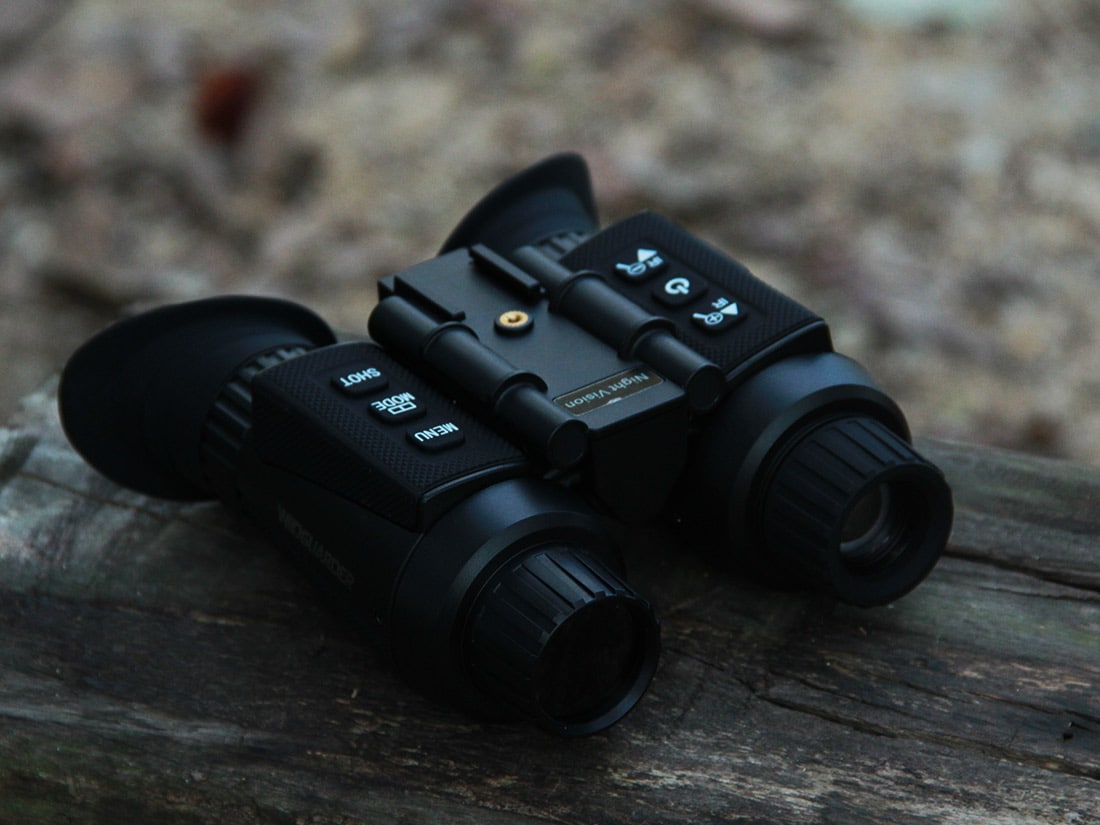
Night vision works best when magnification, lens quality, sensor performance, and image processing all support each other.
A moderate magnification paired with good optics and a strong sensor often delivers a better real-world experience than a high-magnification setup that pushes the system too hard.
Comfort, clarity, and control usually win in the long run.
What to Ask Instead of “How Much Zoom?”
Instead of focusing on magnification alone, it helps to ask:
-
How stable does the image feel in real use?
-
Can I easily follow movement?
-
Does the image stay clear over time?
-
Is the view comfortable for extended observation?
Those answers matter more than a single number on a spec sheet.
Final Thoughts
Higher magnification looks impressive on paper, but night vision is about usable information, not just reaching farther.
In the dark, seeing clearly—and comfortably—often beats seeing closer.
The best magnification is the one that lets you understand the scene, not fight it.