Thermal Night Vision Optics: Start With the File You Need
A ranger or volunteer documenting wildlife may need a clip another person can interpret later. Decide which information must survive export: the exposed subject, surrounding landmarks, event time and any mode notes. thermal outdoor recording priorities begins with that purpose rather than a high-resolution file label.
Practice on a familiar stationary scene before the important outing. Record, stop normally, find the file and play the original on your intended computer. first thermal optics purchasing checks should include that full sequence. Do not assume an app icon or an unfamiliar connector supplies compatible export to every operating system.
Your first thermal night vision optics should let you locate an exposed subject, hold a useful frame and export the original recording without confusion. Confirm the native thermal array separately from screen and file dimensions. A straightforward recording workflow can be more valuable than an unverified processing or wireless claim.
Separate the Thermal Signal From Visible Evidence
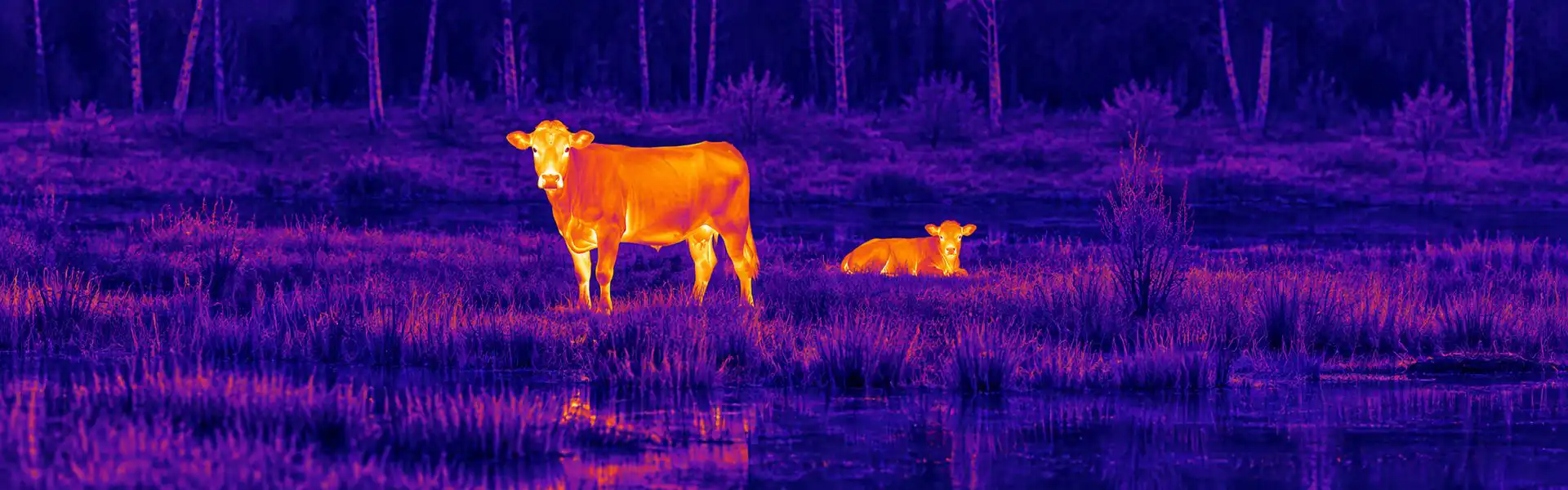
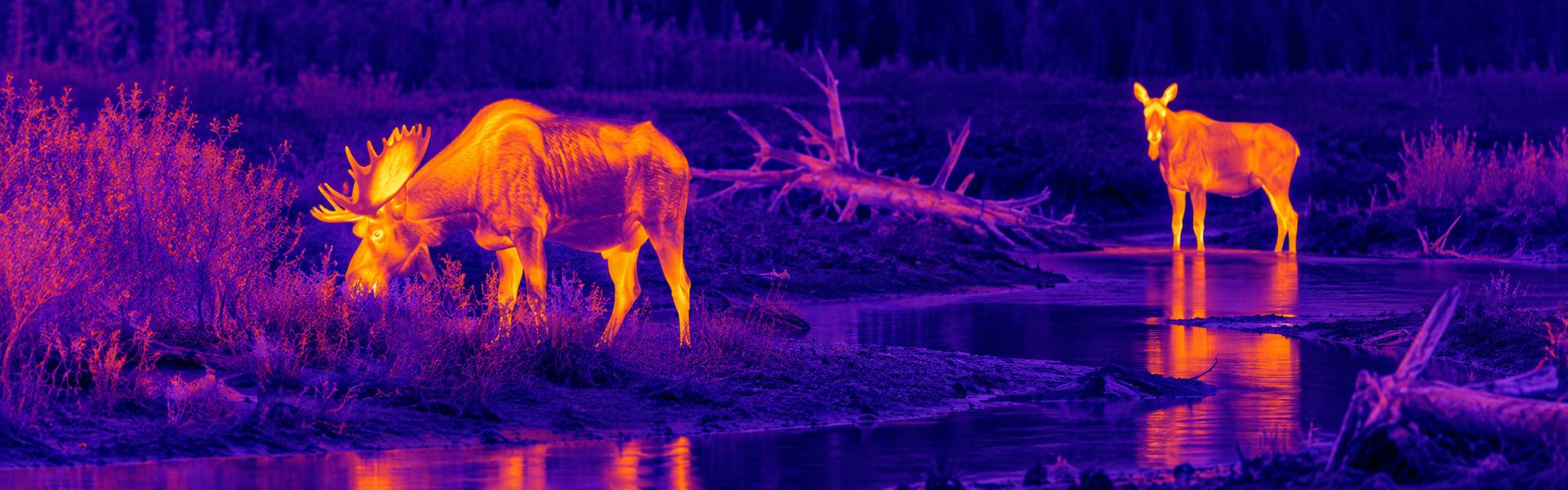
Ordinary digital night viewing depends on available or added reflected light, whereas thermal viewing displays detected infrared differences. NASA's infrared explanation is useful background. Each can provide information missing from the other. Thermal discovery does not guarantee readable markings; visible evidence does not guarantee detection in a dark low-contrast scene.
The distinction in combined thermal and digital observation applies even when you use separate tools. monocular wildlife discovery can be a portable starting point. A clip should be labeled by its actual channel, not called visible confirmation merely because the thermal outline resembles a familiar animal.
Use Native Detail and Coverage to Frame the Evidence
A small subject needs enough useful detector samples for the detail you seek. Enhanced output and digital zoom can enlarge the presentation but cannot replace a poorly sampled outline. monocular detector and lens tradeoffs should list the exact variant rather than mixing the strongest specifications from several versions.
field-of-view geometry explains why longer focal length can reduce search width for a given sensor. Compare first-viewer framing priorities at the distance you use. A useful recording retains context, so extreme enlargement that loses the route or surrounding landmarks can weaken documentation even when the animal looks larger.
| Question | What to examine | Decision |
|---|
| Before buying | Required file content and intended playback | Request a representative original sample |
| Before recording | Focus, base frame and known landmarks | Preserve scene context |
| Before export | Stop normally and label the channel | Keep original files |
| Before interpretation | Distance, conditions and visible features | Record uncertainty explicitly |
Test the Export Instead of Guessing From the Live Display
Make a short recording in every supported mode you intend to use. Inspect channel switching, overlays, playback and file naming. Wireless previews can differ from original exports in compression or delay. If an AI-processing claim is important, ask which visible or saved output it changes and what evidence demonstrates that benefit.
Use questions about thermal recording evidence to avoid treating a live demonstration as a file test. dual-channel recording mistakes to avoid include confusing a large digital file with a high-resolution native thermal array. Undisclosed encoding, firmware or app compatibility must remain a question rather than a promised function.
Conditions Belong in the Observation Record
Note approximate distance, exposed target size, background and weather alongside the clip. A colder scene may simplify thermal contrast while leaving less background context. An animal behind a solid wall remains concealed. A palette change can improve readability without changing the underlying detection or supplying measured temperatures.
Compare stationary two-eye wildlife observation if longer sessions are central to the task. extended outdoor viewing fit should still preserve the same evidence boundaries. When a heat source cannot be identified, describe what you saw and what features were missing. Do not make the exported clip sound more certain than the original observation.
Complete the First-Session Checklist Before Sourcing
Check approved batteries, memory capacity where disclosed, normal stopping behavior and dry access to connectors. If the unit includes a rangefinder, verify its supported modes and relevant safety information. Ranging is separate from detector detail. Only documented protection, calibration and certification claims belong in a factual comparison.
For occasional use, review affordable monocular workflow expectations before choosing a more complex assembly. Review the thermal optics product family with the original sample and exact configuration questions. A first purchase succeeds when its recording-and-export routine is understandable and repeatable, not simply when its specification sheet contains more acronyms.
Choose a first viewer around the evidence you can reliably record and export. Keep channel, sensor, display and file facts distinct and preserve the context needed for later review. A straightforward supported workflow is a sounder starting point than an undocumented technical promise.