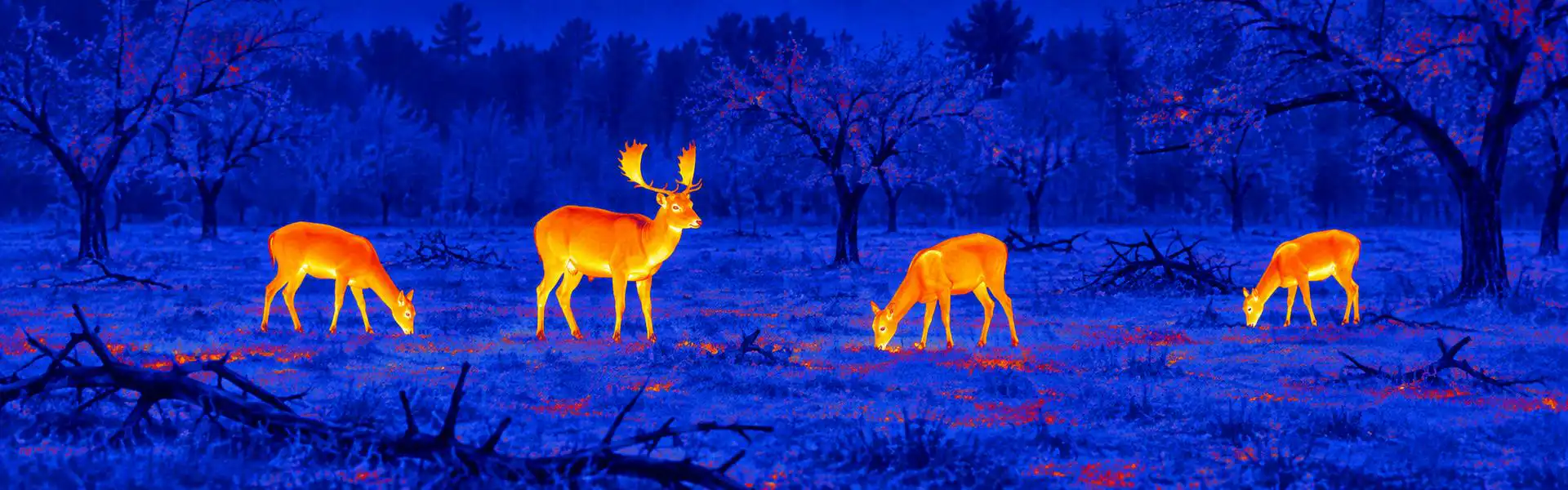
Thermal Binoculars for Deer Hunting: Identify the Missing Benefit
An enthusiast watching deer from a hide may value a prolonged comfortable view more than a short-range demonstration. Write down the actual limitation of the current equipment. Is it difficult to hold, slow to follow the exposed animal or unable to retain a useful original clip? binocular fit for extended observation helps define the relevant task.
Compare a familiar subject under ordinary conditions, without moving closer solely to improve the result. reasons to choose two-eye thermal viewing should reflect a real benefit to you. A newer label or brighter color palette is not sufficient evidence that the viewing experience needs replacement.
Upgrade thermal binoculars for deer hunting only when you can identify a limitation in wildlife observation: insufficient exposed-subject detail, uncomfortable sustained viewing or a recording workflow that loses useful context. A newer processor or additional channel is not automatically a solution. This guide covers viewing and documentation, not weapon operation.
Smooth Viewing Is More Than a Frame-Rate Claim
A high sensor frame rate does not specify the entire capture-to-display delay. Lens coverage and base magnification also influence how manageable movement looks. Trial slow pans from a stable viewpoint and watch an exposed subject cross the frame. binocular field-session priorities includes holding and controls as well as image specifications.
Ask for an original sample and a direct eyepiece demonstration rather than an edited promotional clip. supplier questions about binocular motion should identify the exact mode and firmware. A recording can show scene content while omitting perceived delay or the effort required to keep the displays comfortably positioned.
Detail Must Improve at the Distance You Use
More native samples may help a small target, but only with an appropriate lens, focus and adequate contrast. Keep enhanced output and display resolution separate. infrared viewing fundamentals do not promise species recognition for every heat outline. Partial cover and overlapping animals still reduce the useful evidence.
Compare entry-level binocular detail limits at a known normal distance. focal length and field-of-view tradeoffs explains why extra subject scale can come with reduced search width. If a proposed upgrade gains detail but constantly loses the moving animal, the improvement may not suit your observation route.
| Question | What to examine | Decision |
|---|
| Sustained discomfort | Fit and complete supported weight | Upgrade only after a meaningful trial |
| Poor moving-subject view | Coverage and end-to-end response | Do not rank by frame rate alone |
| Insufficient animal detail | Comparable original native-view files | Keep recognition limits explicit |
| Need for visible context | Exact digital channel capability | Compare integrated and separate tools |
Another Channel Should Fill a Specific Information Gap
A digital channel may reveal visible context when lighting permits, while thermal helps locate an exposed subject. An integrated unit reduces device swapping but does not guarantee equivalent performance to both existing tools. multispectral binocular tradeoffs should list each sensor, lens and file format independently.
Avoid common dual-channel purchase mistakes, including assuming a high digital resolution describes the thermal array. If visible identification is already served well by ordinary binoculars, the separate thermal monocular discovery workflow may remain efficient. Integration is an advantage only when it improves the sequence you perform.
Comfort Must Suit the People Who Share It
Long stationary viewing exposes eye-spacing and diopter limitations that a quick trial misses. Try your usual glasses, support and session length with breaks. Family members may need different settings. Keep controls simple enough to distinguish channels and close a recording without confusion. Two displays do not necessarily produce stereoscopic depth.
Consider reasons to keep your existing binocular setup if the new assembly is heavier or less intuitive. thermal optics ownership planning also includes service, approved power and accessory availability. More native detail can be valuable, but not if the complete configuration is too uncomfortable to use consistently.
Make the Upgrade Decision Reproducible
Retain original samples and observations from both setups at comparable focus, distance and scene conditions. Note what actually improved and what remained uncertain. Confirm coverage, returns and shipping arrangements before a field trial. Accessories and personal storage may need to be removed before an eventual service shipment.
Use open-field thermal observation practices to keep discovery separate from identification. Review thermal optics sourcing choices with the demonstrated missing benefit. If the current system already provides comfortable discovery and adequate records, there may be no practical reason to replace it solely for a newer specification line.
An upgrade is justified by an improvement you can repeat in your real stationary observation. Separate motion, detail, comfort and channel utility, and retain evidence for each. Keep the current system when the proposed replacement adds complexity without solving the identified limitation.