Choosing between best thermal night vision binoculars requires separating thermal discovery from digital context. For a farm gate, compare coverage and close focus first, then test palette changes, channel switching and the saved files. Prefer the workflow that keeps the gate and animal interpretable without adding unnecessary viewing complexity.
Best Thermal Night Vision Binoculars for a Specific Viewpoint
A farm gate is not an open-field maximum-range target. It may sit close to the observer, with posts, vehicles and buildings in the frame. Define the area and the information you need: notice an exposed animal, understand its route or retain a usable clip. thermal binocular planning for farm gates should start with that geometry.
Nature photographers may also need to transfer the discovered subject to a visible camera. That is easier when the thermal frame retains recognizable landmarks. binocular comparison questions should include close focus and base coverage, not only distant detection. The most useful configuration is the one that supports the ordinary sequence you will repeat.
Compare Palettes Without Mistaking Them for Sensor Upgrades
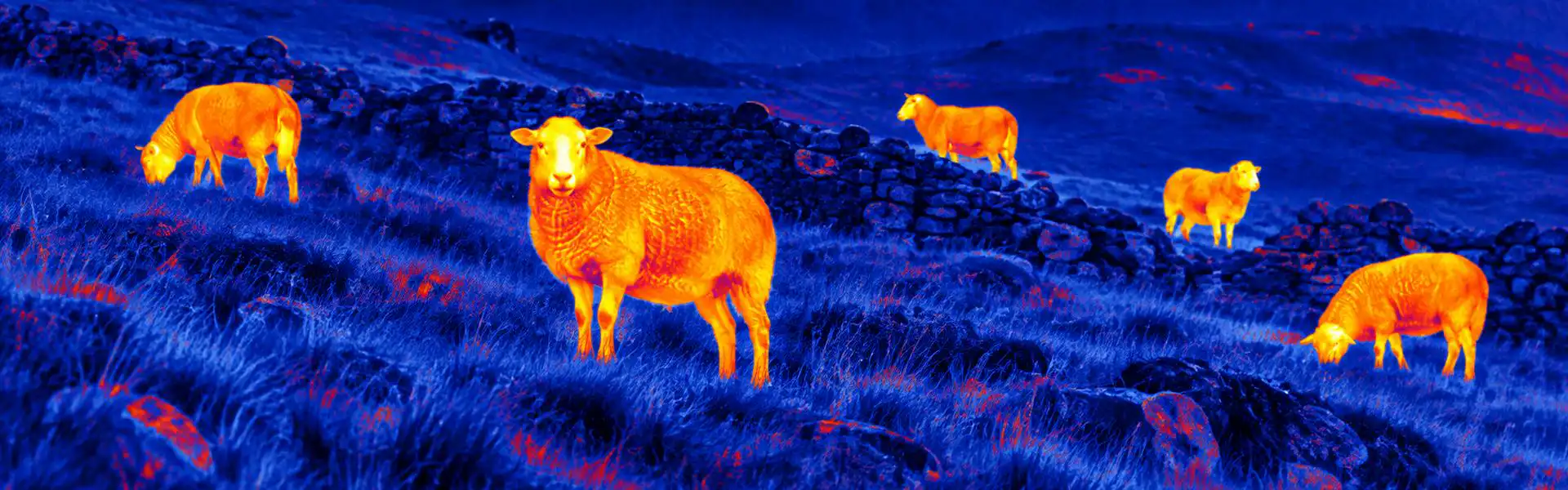
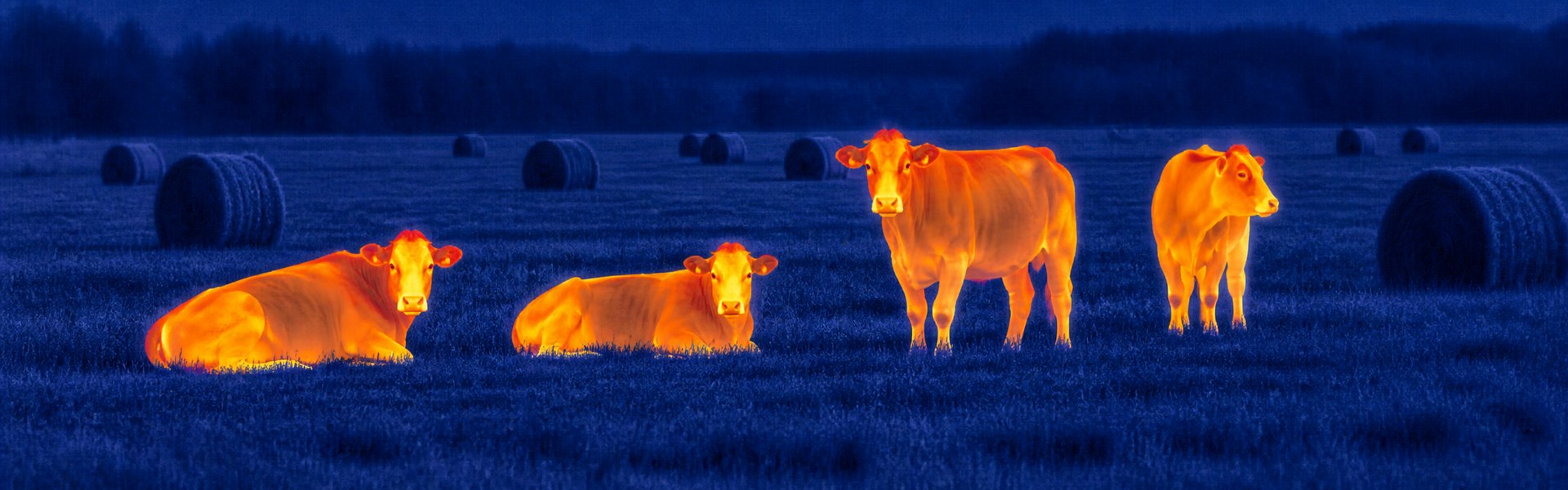
A bright color palette can emphasize a heat patch, while a grayscale view may make shape easier to read. Try both on the same stationary scene without changing focus or zoom. channel and display options in combined binoculars deserve separate descriptions. A palette is presentation, not an additional detector.
the physical basis of infrared viewing explains why the same heat pattern can appear in different colors without becoming a different measurement. Use multispectral image interpretation checks to avoid giving a dramatic color clip more authority than a restrained one. Preserve the original and note the palette when the recording supports that information.
Keep the Gate in View While Inspecting the Animal
The base view must include enough context to orient you, while an inset may enlarge the subject. Confirm the supported arrangement: thermal inset over digital scene or the reverse. The positions and information in those modes can differ. focal length and field coverage is useful background when comparing the search view.
Check entry-level binocular field coverage at the actual gate distance. If you repeatedly lose the subject on switching channels, a different base view or simpler workflow may be preferable. thermal observation with open-scene context should leave room for honest uncertainty where a fence or post conceals the outline.
Test Switching, Sharing and Recording as One Sequence
Start a short clip, switch channels deliberately and inspect what was saved. The live view may change while a recording stops or retains only one channel. A phone feed can help a partner frame a camera, but its channel and delay must be checked. Do not assume a wireless icon guarantees the workflow you want.
Evaluate shared two-eye observation sessions after fitting the eyepieces. comfortable binocular viewing may let the main observer keep a stable view while others use a supported screen. It still does not synchronize a separate camera or supply species identification missing from the thermal file.
| Question |
What to examine |
Decision |
| Palette comparison |
Same subject, focus and base view |
Choose readable shape rather than dramatic color |
| Channel switch |
Live display and saved file |
Verify each step of the workflow |
| Phone sharing |
Supported channel and delay |
Do not assume identical eyepiece output |
| Separate equipment |
Camera transfer and quick discovery |
Keep integration only when useful |
Do Not Buy Integration at the Expense of the Main Task
An all-in-one viewer reduces device swapping but can add modes, power demand and adjustment. Two-eye thermal viewing may show the same image to both eyes rather than create true stereoscopic depth. Compare the actual architecture and accessible controls. Ask how recording formats and app support are affected by the exact firmware version.
The alternative described in separate monocular wildlife discovery can be simpler for brief checks beside a visible camera. Consider when an integrated binocular is not the right fit if the digital channel adds little to your observation. A second channel is useful only when it solves a real information gap.
Prepare the Complete Kit for a Repeatable Evening
Fit the harness, test power and allow the case to dry fully after outdoor use. Damp padding should not remain against the device in storage. Check approved cleaning and battery arrangements instead of transferring assumptions from a previous viewer. A repeated farm-gate workflow needs dependable access more than a long list of modes.
Use thermal optics ownership fundamentals to separate essential accessories from optional additions. Review thermal optics product choices with your own demonstration notes. Before committing, identify what improved: finding the animal, understanding its surroundings, retaining the clip or sharing the view. If none improved, the more complicated configuration may not justify replacing a familiar setup.
Choose around the farm-gate workflow you can demonstrate. Palettes, insets and shared screens can make observation easier, but they do not change the underlying sensor evidence. Keep the originals and select the least complicated setup that supplies the information you need.