Reviews of thermal infrared night vision goggles are most useful when they identify the exact configuration, viewing conditions and what was actually observed. A dramatic palette or smooth recording is not proof of comfortable live viewing. This guide explains how to read review evidence; it does not claim a hands-on test or rank specific products.
Thermal Infrared Night Vision Goggles: Ask What the Review Tested
A review may describe a housing, a fully fitted assembly or only an exported clip. Those are different evaluations. A stationary observer comparing digital and thermal footage needs the exact channel, output path and support arrangement. thermal goggle questions before purchase helps translate praise into facts you can verify.
Look for whether the reviewer used the same revision and included accessories you would buy. goggle cost and quality comparisons should not treat a newer firmware file and an older hardware photo as one configuration. A good review clearly states its limits instead of suggesting that one positive experience transfers to every observer.
Palette Appeal Is Not Native Detail
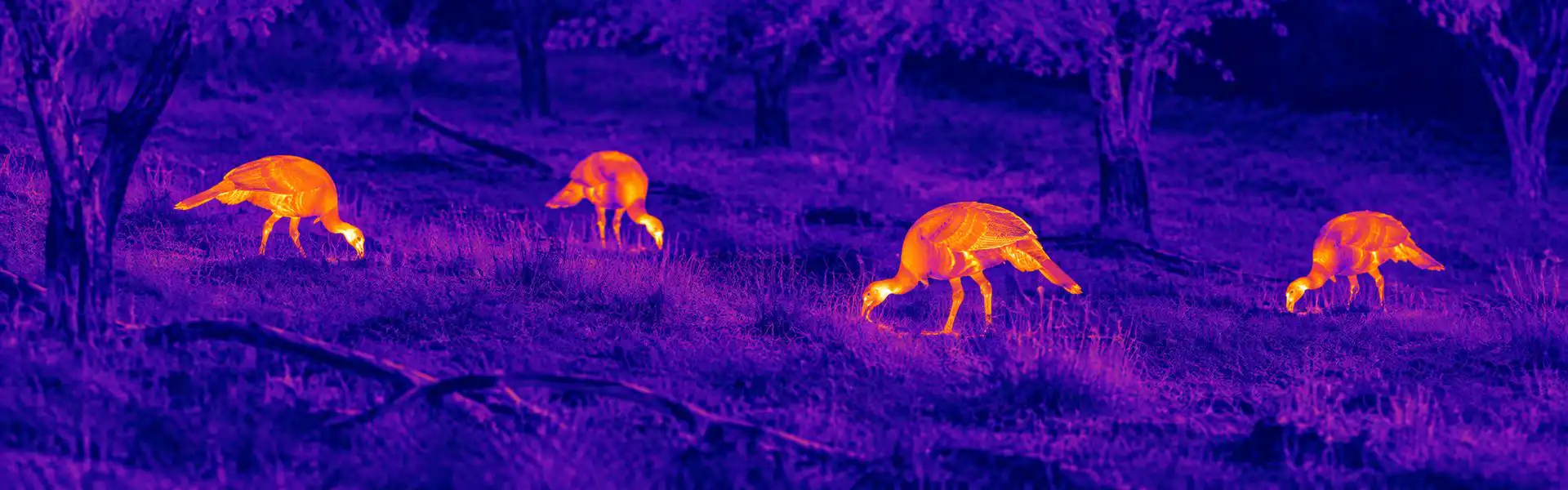
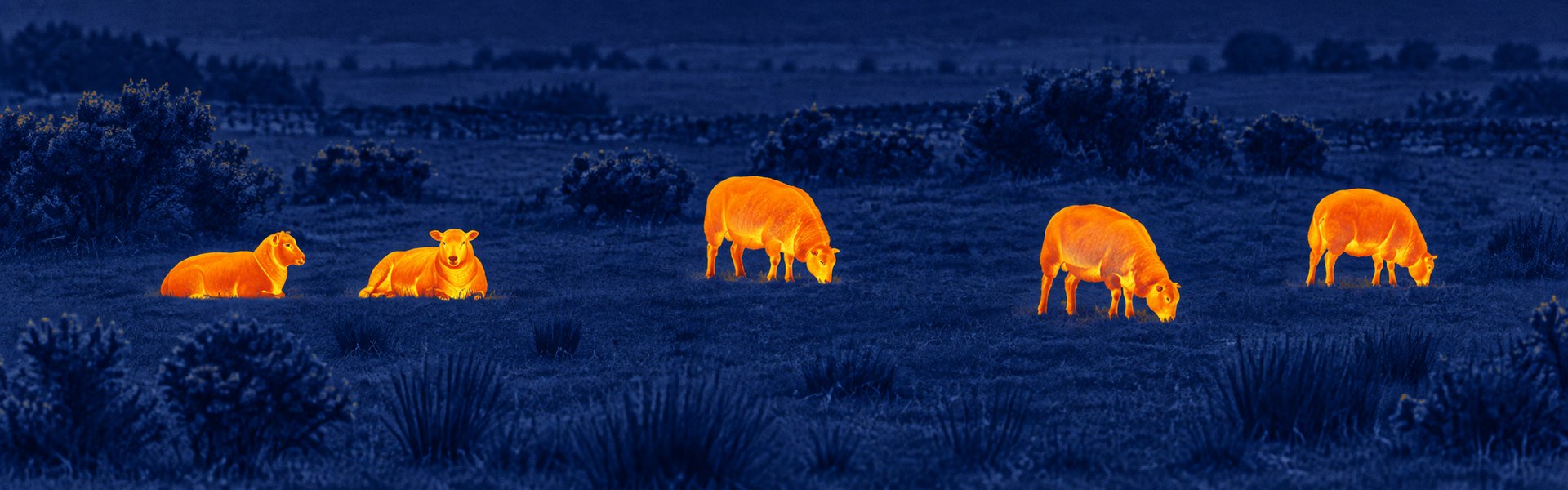
Strong colors can make a scene striking without adding information. Compare readable outlines at the same focus and base view, preferably from an original file. infrared radiation background explains the signal; a palette maps its presentation. It does not establish a calibrated measurement or a species identification.
Use thermal viewer specification distinctions to separate native array, enhanced output, screen and recorded dimensions. budget goggle image expectations should remain tied to the exposed subject and actual distance. An illustrated or heavily processed example needs to be labeled, not treated as a measured performance record.
| Question | What to examine | Decision |
|---|
| Colorful sample | Original file and identified palette | Separate presentation from detector detail |
| Comfort claim | Actual fitted stationary trial | Do not transfer another person's fit |
| Compatible output | Exact cable, mode and device | Verify the complete signal path |
| Performance praise | Target, conditions and criterion | Keep detection distinct from identification |
The Eyepiece Experience Is Missing From Many Clips
Saved video does not reproduce pressure from an eyecup, apparent image scale, head balance or delay relative to a turn. Ask for a description of the live trial and its duration. thermal goggle response in live viewing should be assessed separately from the smoothness of the file.
optical field-of-view geometry provides context for coverage, but cannot certify personal comfort. Compare mixed-view system arrangements if two different optical paths are combined. Matching nominal magnification may leave differences in timing, brightness and coverage. Stop a trial that causes persistent strain; a reviewer being comfortable does not obligate you to be.
Read the Compatibility Claims Literally
A port may support power, video or both in specific modes. Ask which cable, format and external device was actually tested. A mechanical bridge may permit independent swing-away movement, but a power lead or extension can limit it. Distinguish that assembled clearance from the basic accessory specification.
Review thermal optics connection and accessory checks rather than accepting a ready-to-use label. simpler viewing configurations can be preferable when simultaneous channels add adjustment without improving observation. The word goggles does not by itself imply protective-eyewear certification or safe navigation use.
Prefer Evidence That Fits Your Own Scene
A large animal in an open clearing is an easier target than a partly concealed small animal near a building. Look for target distance, background, weather and mode notes. A reviewer may reasonably report successful detection yet have insufficient features for identification. Acknowledge that difference when interpreting footage.
Use thermal observation with outdoor context and handheld discovery comparisons to consider alternative workflows. Independent visible evidence may clarify what a thermal shape represents. More ambitious descriptions should not be repeated merely because the clip is vivid or the reviewer sounds certain.
Turn the Review Into a Short Trial Plan
List the claims that matter: readable native detail, comfortable fitted view, accessible controls and a usable original file. Request a supported stationary trial of the whole kit. Test glasses, eye placement and normal power routing, not only the viewer on a table. Longer balance checks should include appropriate breaks.
The comparison in integrated thermal and digital viewing is helpful when the review assumes another channel. Review thermal optics choices after marking which review claims were demonstrated and which remain unknown. A sourcing decision can be professional without calling any particular device universally best or pretending that borrowed footage is your own test.
Use reviews to build better questions, not to borrow certainty. Confirm the exact configuration, direct viewing comfort and original image evidence for your task. A well-supported limitation is more useful than unqualified praise about a dramatic clip.