



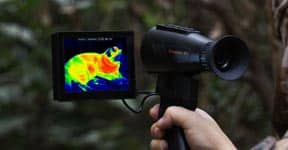
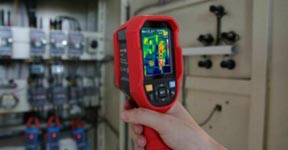
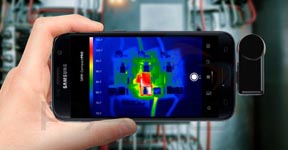
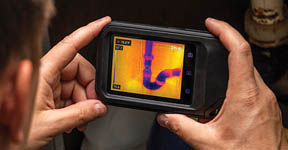
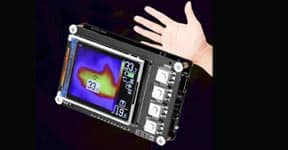


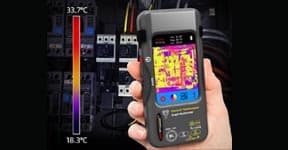


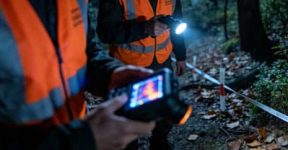

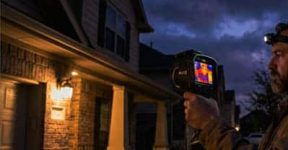
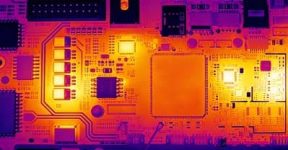
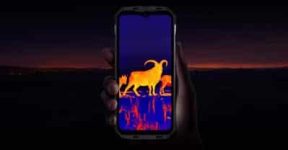
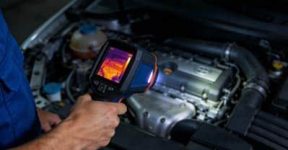
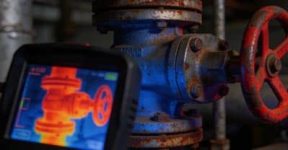
When working with electronics — from hobbyist DIY boards to complex circuit systems — heat is often the first sign that something’s wrong. Yet, it’s invisible to the naked eye. That’s why having a Thermal Infrared Camera in your toolkit can completely change the way you detect faults, test performance, and maintain reliability. It’s compact, affordable, and surprisingly powerful, turning temperature data into colorful thermal images that reveal what’s happening beneath the surface.
Making the Invisible Visible
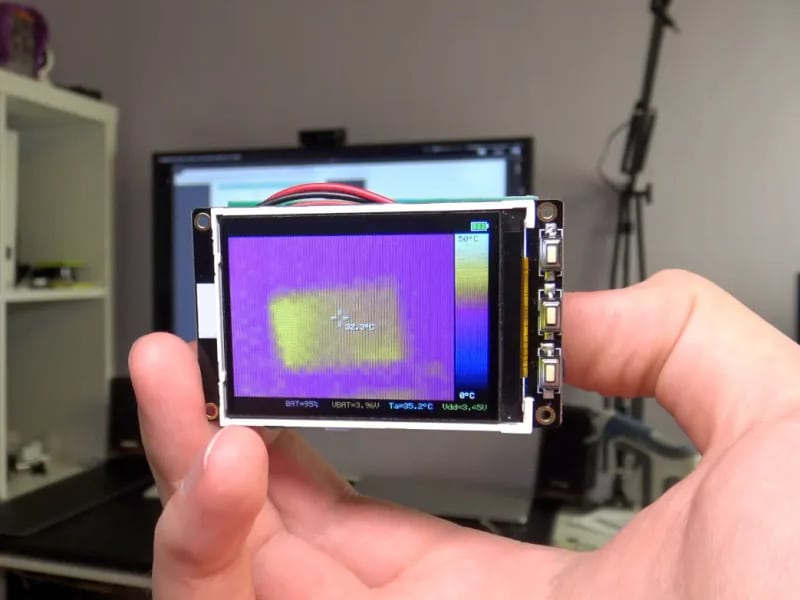
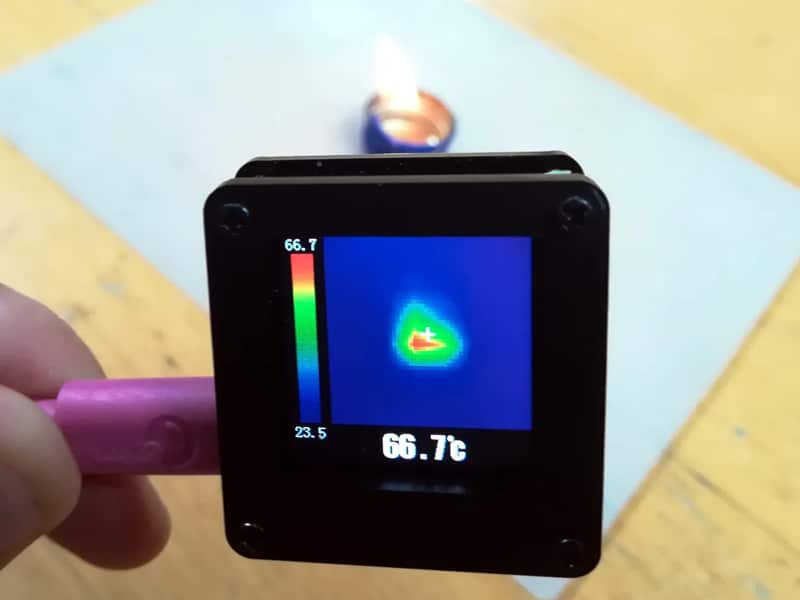
Every electronic component gives off heat, but when that heat becomes uneven, it signals a problem. A Thermal Infrared Camera lets you visualize those differences in real time. By detecting infrared radiation emitted by components, it creates an instant heat map — helping you pinpoint hot spots that might indicate short circuits, voltage drops, or poor connections.
This is especially useful for technicians, engineers, and DIY enthusiasts who want a clear, visual way to troubleshoot without touching or disassembling the device. Whether you’re checking a microcontroller board, inspecting a power supply, or analyzing a computer chip, the thermal image tells you exactly where the issue lies — long before failure happens.
Compact Size, Big Insight
One of the biggest advantages of a Thermal Infrared Camera is its portability. Its small form factor makes it ideal for quick checks in tight spaces — like inside control panels or near high-density circuit layouts. Despite its size, it offers precise temperature readings, often with a sensitivity fine enough to detect variations as small as 0.1°C.
That level of detail can expose problems that ordinary thermometers or multimeters would completely miss. And because many of these mini cameras can connect to your phone or computer, you can view, capture, and analyze thermal data instantly — no heavy tools or complicated setup required.
Finding Faults Faster and Smarter
Thermal imaging isn’t just about seeing heat — it’s about understanding it. With a Thermal Infrared Camera, you can quickly identify:
-
Overheated components that are close to failure
-
Unbalanced current paths causing thermal stress
-
Soldering issues that create weak or unstable joints
-
Energy loss in voltage regulators or resistors
By spotting these patterns early, you save time, protect components, and reduce repair costs. For frequent electronics work, the camera becomes less of a “nice-to-have” and more of an essential diagnostic tool.
Perfect for Everyday DIY Projects
The beauty of the Thermal Infrared Camera lies in its versatility. Beyond electronics, it’s handy for:
-
Checking 3D printer heating beds for even temperature
-
Inspecting battery packs for overheating
-
Testing cooling efficiency of PC hardware
-
Detecting thermal leaks around small mechanical systems
Its ease of use also makes it perfect for beginners who want to learn about thermal dynamics hands-on. The immediate feedback it provides helps users understand how components behave under different electrical loads — a valuable learning tool for both hobbyists and students.
When Small Tech Meets Smart Design
Modern Thermal Infrared Cameras often use microbolometer sensors that don’t require active cooling, keeping them lightweight and energy-efficient. Some even integrate seamlessly with smartphones through USB or Wi-Fi connections, offering on-the-go thermal visualization that used to require large, expensive devices.
Combined with simple analysis software, you can record temperature curves, capture time-lapse thermal videos, or compare readings before and after repairs. This data-driven approach makes your diagnostics not only faster but also far more reliable.
Beyond Electronics — Broader Applications
While electronics testing is the main draw, thermal imaging’s potential stretches far beyond. For instance, professionals in home maintenance, automotive repair, or mechanical inspection often rely on Pocket Thermal Camera tools for quick, surface-level temperature assessments. Meanwhile, industrial users might turn to Thermal Imager Multimeter devices for advanced analysis.
These complementary technologies show how thermal imaging has evolved from specialized equipment into everyday tools that enhance precision, safety, and efficiency.
Seeing Heat, Preventing Failure
At its core, a Thermal Infrared Camera is about awareness. It helps you see problems before they grow — a quiet early warning system powered by temperature. The moment you start using it, your approach to troubleshooting changes. You’ll spend less time guessing and more time fixing.
From electronics repair to creative engineering projects, this pocket-sized device gives you a deeper understanding of your systems. And as thermal technology continues to shrink and improve, the “DIY” in its name will feel more like “Do It Smarter.”
Because when it comes to electronics, seeing the unseen isn’t just useful — it’s essential