The best thermal monocular for hunting and night nature video is a buyer-fit choice, not a universal ranking. For observation-only recording, compare original thermal footage, usable coverage and endurance with recording active. Keep enough power for the planned session and do not treat large video dimensions as proof of native thermal detail.
Best Thermal Monocular for Hunting Should Be Compared as a Recording Tool
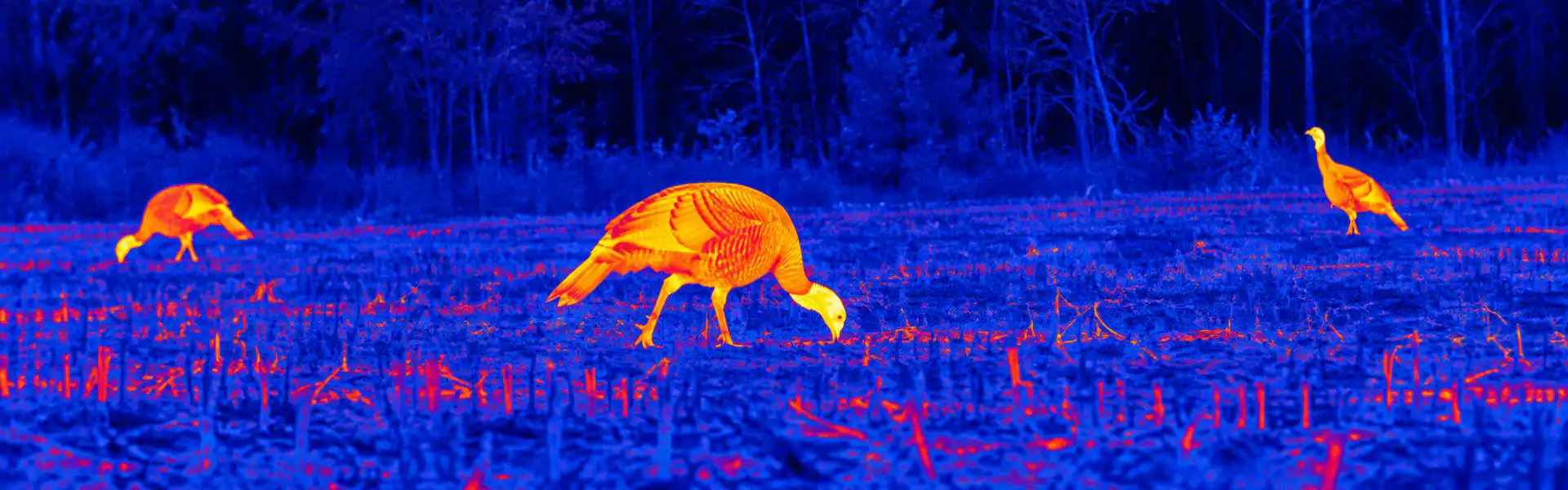
A woodland wildlife watcher may want a short clip of an exposed animal crossing a clearing. The required outcome is a usable nature record, not the strongest marketing-distance claim. task-based monocular selection starts with the body features and movement you need to preserve.
Compare thermal wildlife discovery and confirmation with the exact clip you want to retain. A small bright dot can reveal activity while remaining inadequate for species identification. This guide addresses nature observation and documentation only. No hands-on winner, weapon role or current price ranking is implied by the search phrase best thermal monocular for hunting.
Measure the Evening Routine, Not Capacity Alone
List expected live viewing, recording periods, standby and any wireless use. field features for a repeatable observation session should include startup, recovery from standby and control access with ordinary clothing. Those behaviors can matter when wildlife appears briefly.
Use budget-aware monocular power planning without turning milliamp-hours into a universal runtime comparison. Ask for voltage or energy when disclosed and preserve the conditions attached to nominal endurance. Rangefinding, display brightness and streaming may change load. Use approved backup power only; do not assume that a port or battery housing permits an undocumented supply or extension.
Inspect the Original File Before Trusting the Preview
A live view can remain available when storage is full, file saving fails or another recording setting is wrong. practical thermal recording expectations should include making a short clip, confirming it exists and copying it through the supported route.
Compare thermal and visible channel records separately. The basis of thermal infrared imaging explains why these can represent different information. Native detector samples, enhanced output, screen resolution and photo or video dimensions are distinct. A larger export can be an enlargement, not evidence of more genuine thermal detail. App or cloud requirements must be established for the actual unit, rather than assumed from connectivity.
| Question | What to examine | Decision |
|---|
| Evening load | Viewing, recording, standby and wireless | Use a supported reserve plan |
| Original file | Saved thermal clip and local export | Separate preview from source |
| Woodland opening | Coverage, focus and obstruction | Retain uncertain identification |
| Upgrade choice | Actual missing detail or workflow | Avoid paying for irrelevant extras |
Match the Lens to the Woodland Opening
A long lens can help frame a distant animal but lose context around a nearer opening. focal length and scene coverage explains why the desired view should be specified before maximum zoom. Test how quickly you can find and reacquire the subject.
Use woodland-edge and open-ground observation limits when branches or grasses obscure parts of the animal. monocular lens and portability tradeoffs should be assessed through original moving footage. Target height estimates and distance readouts cannot reconstruct hidden features. If identification is uncertain, retain that uncertainty in the video caption instead of allowing enlargement or sharpening to imply detail that the recording lacks.
Carry the Device as Carefully as the Record
A rugged housing still benefits from a correctly fitted case, cap and strap. Check the cap tether without pulling it beyond its intended movement. first-time monocular handling checks should include packing away without pressing controls or leaving covers partly open.
Review thermal optics care and specification boundaries for approved cleaning and battery orientation. If the unit appears dead, follow its documented basic checks before attempting repair. Missing calibration, detector-supplier or certification information cannot be inferred from appearance. A rangefinder has its own documentation and limits; it does not add native thermal samples or automatically make a clip a precise distance-based wildlife record.
Decide Whether Connectivity Serves the Observation
Occasional wildlife watching may not need Wi-Fi if local recording and export are adequate. A second observer can benefit from sharing, but compatibility and the effect on the power routine must be confirmed. Test the complete sequence with the equipment you intend to use after the field session.
Compare questions about thermal recording and optional ranging and the thermal optics category. Prioritize the function that limits your present record: better exposed detail, a more useful lens or simpler file handling. Do not buy every available extra because it appears in a review. The right kit supports the evening method while keeping visibility, identification and power limits clear.
Compare a real recording sequence from the intended viewpoint. Keep the original file, establish supported power and choose coverage that suits the opening. A dependable observation workflow is more valuable than an unverified promise of longer range or richer detail.