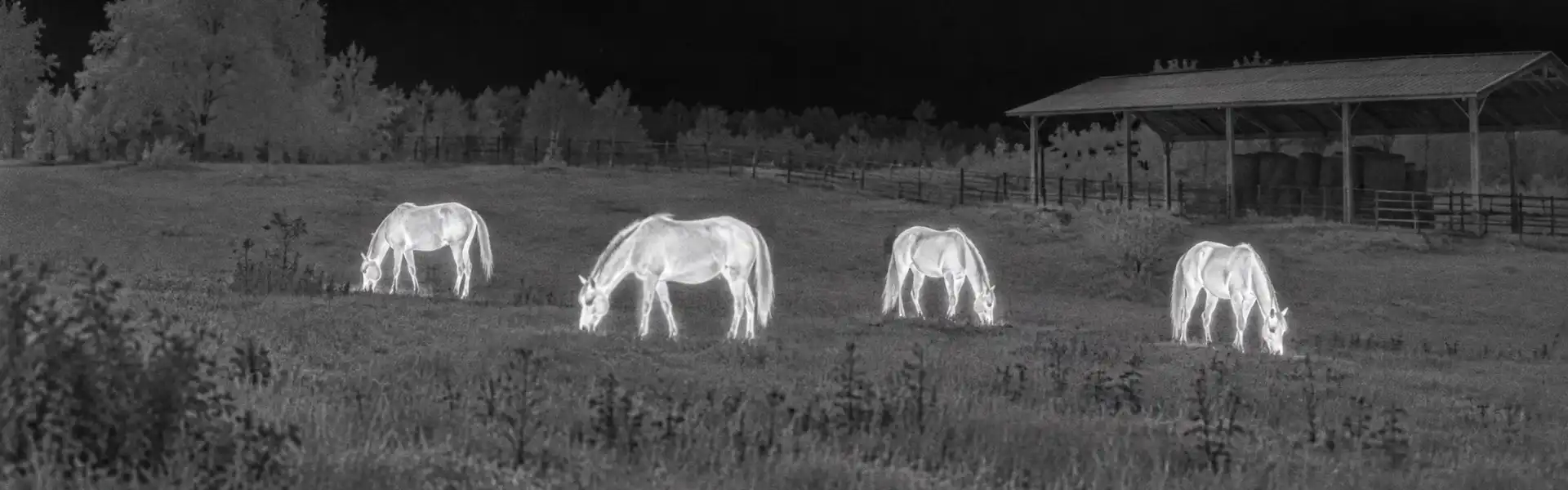
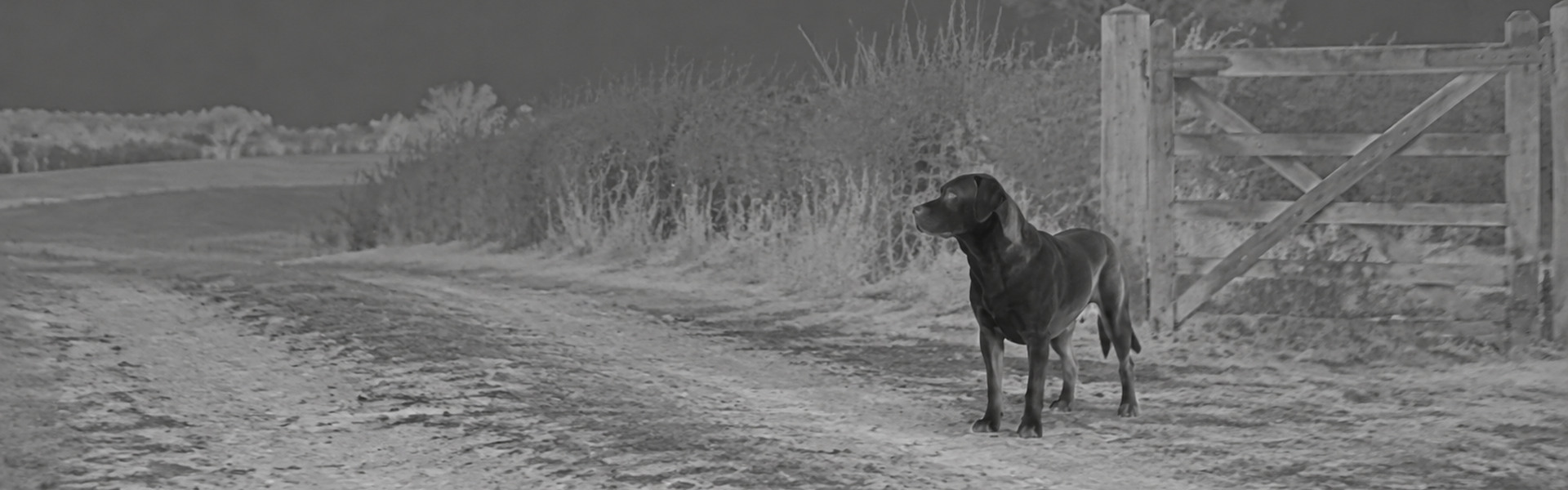
The search phrase binoculars thermal night vision covers several different concepts. For cattle watching, define the thermal channel, its native array, live refresh, recording frame rate and total viewing delay separately. Those terms explain different parts of the experience; none alone guarantees recognition or comfortable two-eye viewing.
Binoculars Thermal Night Vision Is a Search Phrase, Not a Specification
A nature photographer checking exposed cattle at night needs a description of the actual system, not a collection of impressive words. thermal optics terminology for buyers starts with whether the product has a real thermal channel, a reflected-infrared digital channel or both.
Compare thermal and digital binocular channel definitions before reading its modes. The difference between infrared signals used for imaging helps explain why digital illumination and passive thermal discovery are not interchangeable. A thermal channel can form an image in darkness without a digital illuminator, but the useful image still depends on contrast, target visibility and the lens. The technology name is not a performance guarantee.
Refresh, Latency and Recorded Frame Rate Are Different Terms
Refresh describes how often a live view updates. Latency describes the delay between the event and the displayed response. Recorded frame rate describes saved video. thermal motion and update behavior should be assessed with a slow pan and an exposed moving subject instead of a static promotional screenshot.
Use outdoor thermal viewing conditions to interpret the demonstration: an animal walking through grass is not equivalent to one isolated against a simple background. Image processing can smooth motion or detail while adding other effects. A short documented correction pause is also a different event from a continuous delayed response. Request the actual mode and file settings used for each clip.
Detector, Screen and Export Dimensions Belong in Separate Rows
The native detector samples the scene. The display shows the processed image, and the saved file can enlarge or reshape it. binocular resolution fields that should not be merged are especially important when a digital channel uses a much larger array than the thermal channel.
Compare questions about native animal detail with a real clip of grouped cattle. A picture-in-picture recording may preserve an inset inside a composite rather than two independent originals. Two eyepieces also do not prove that the unit has two thermal detectors or provides true stereo depth. Ask for structural and recording evidence rather than interpreting the shape of the housing as a sensor specification.
| Question |
What to examine |
Decision |
| Refresh |
Frequency of live image updates |
Do not equate it with total delay |
| Native array |
Thermal detector samples |
Keep screen and export dimensions separate |
| Palette |
Display mapping of available signal |
Do not infer animal color or temperature |
| Two-eye viewing |
Eyepiece arrangement and fit |
Do not assume stereo detectors |
Palette and Zoom Describe the Presentation, Not New Evidence
Palettes map signal values to a visible display. Digital zoom enlarges a sampled region. Neither adds an exposed leg or separates cattle whose thermal outlines overlap. farm binocular viewing priorities should keep the animal record grounded in what can actually be resolved.
The relationship between optics and field coverage explains why lens choice affects how much surrounding pasture is visible. Review thermal binocular fit for outdoor observation before choosing a narrow view. If the whole group matters, maintain enough context to understand positions. A vivid enlarged frame can be less useful for a field note than a simpler original view showing the boundary and adjacent animals.
Two-Eye Viewing Describes Comfort, Not Automatic Depth
One thermal image may be presented to both eyes. That can be comfortable for some observers without creating independent stereo viewpoints. two-eye viewing advantages and limits should be tested through eyepiece spacing, diopters and the ordinary carrying arrangement.
Use beginner binocular controls and fit when sharing the device. If only one eyepiece lights up, establish the documented settings and seek support for persistent abnormal behavior. Describe whether the problem affects one display, the exported image or the entire device. Do not dismantle it or assume a detector fault from a single dark eyepiece.
Use the Vocabulary to Ask Better Buying Questions
A discounted mixed-channel unit is not directly comparable with a thermal-only viewer unless the useful functions and complete kit are listed. Native detail, comfortable duration, approved power and original file export deserve their own evidence. Identify which extras actually serve your cattle-watching record.
Review supplier questions before a binocular purchase with the thermal optics collection available for category comparison. Keep undocumented sensor suppliers, app support and calibration status unconfirmed. The glossary is valuable when it turns a vague listing into precise questions, not when it becomes another way of claiming universal range, accuracy or superiority from isolated numbers.
Use separate definitions to compare real evidence. Ask for the live view, original recording and complete setup, then decide which functions improve the cattle-watching task. A precise specification is more useful than a bundled technology label.