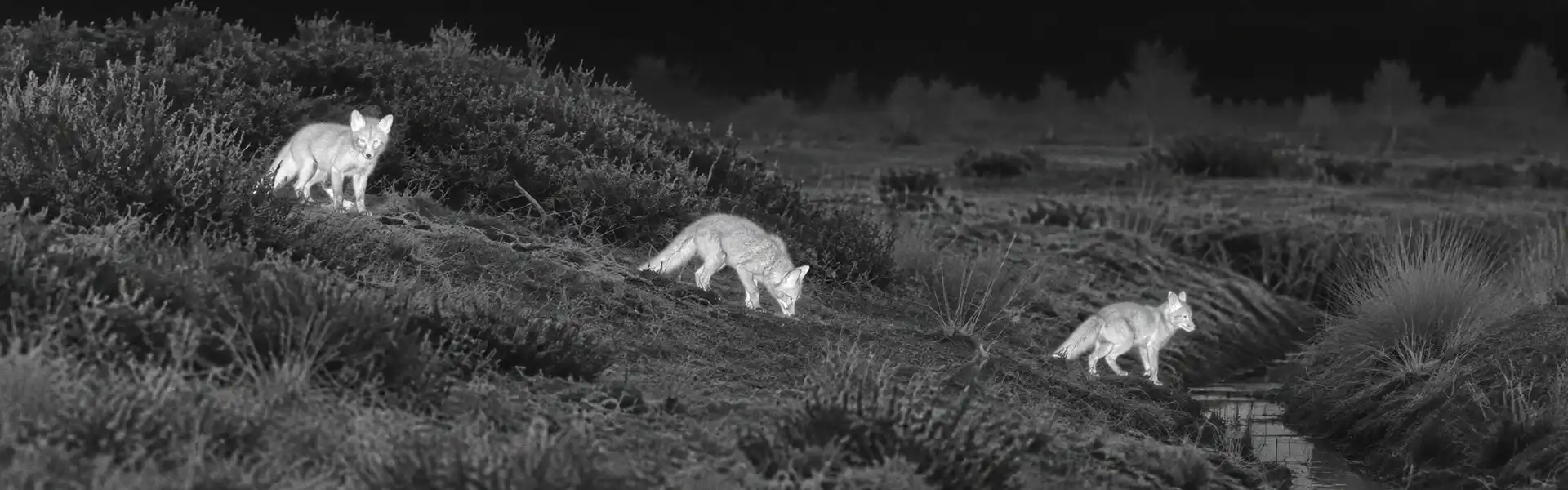
Best Thermal Binoculars Should Cover the Yard Without Losing Context
A nocturnal wildlife observer may watch a garden corner, a gate and a hedge opening in the same session. task-led thermal viewing selection begins with these ordinary positions. A distant-target lens can make a nearby animal difficult to reacquire after it moves.
The tradeoff between focal length and field coverage provides a useful framework for comparison. Inspect rural binocular priorities alongside the actual yard width and closest viewing distance. Keep the device stationary and use a representative target, not only an idealized demonstration across a wide empty field. Broad coverage and useful near detail are different criteria from the longest advertised detection distance.
The best thermal binoculars for a private yard are those that show useful nearby detail across the actual garden width and remain comfortable for repeated checks. Compare minimum focus and each channel’s field of view before maximum range. This is a buyer-fit guide, not a tested ranking or a claim that one binocular is best for every observer.
Compare the Thermal and Digital Frames Separately
A dual-channel binocular can show different scene widths in its thermal and digital modes. Switching may leave the animal outside the frame or at a different scale. channel-by-channel binocular comparison should include the same nearby subject without changing the observer’s position.
Use avoiding mixed-resolution buying mistakes when reading the native arrays, screen pixels and export dimensions. The signal difference between thermal and reflected infrared explains why a digital image can show appearance while a thermal image emphasizes contrast. Neither channel should borrow the other’s specifications. The number of viewing modes does not establish the detail available in the thermal detector.
Set Eye Spacing Before Judging Focus
Eyepiece spacing and each eye’s diopter have different jobs. Adjust the supported spacing first, then focus the display for each eye using the documented method. comfortable two-eye viewing checks should include your glasses and a realistic duration rather than a quick glance.
Compare simple binocular operation for new observers if family members share the unit. A device close to a large monocular in weight may still fit differently because of its shape and balance. Persistent discomfort warrants stopping and reassessing. A high-resolution image is not an answer to incorrect eye position, and another observer’s comfortable settings need not suit your eyes.
| Question |
What to examine |
Decision |
| Yard width |
Thermal and digital frames at one position |
Avoid a narrow distant-target default |
| Eye fit |
Spacing followed by individual diopters |
Test sustained comfort |
| Near animal |
Original focused thermal clip |
Separate discovery from confirmation |
| Optional functions |
Ranging, charging and export behavior |
Buy only useful documented extras |
Treat Lighting Problems as Channel-Specific Questions
A washed-out digital picture in strong daylight may reflect exposure or lens conditions without proving that the thermal channel is defective. questions about mode behavior and image quality should identify which view is affected and whether the original file shows the same problem.
Review thermal background contrast outdoors when a sun-warmed yard looks different at dusk. A smaller animal beside a warm wall can be difficult to separate. Do not assign temperature values to palette colors or treat an absence of clear contrast as proof of no activity. A thermal viewer locates exposed differences; walls and dense vegetation still block the required sightline.
Pay for Distance Measurement Only When It Helps the Record
An integrated rangefinder can label an observation distance, but it does not improve native image detail. Confirm whether its readout remains available in the viewing mode you intend to use. features worth questioning before ordering help reveal extras that are attractive but irrelevant to a small yard.
Compare outdoor binocular ownership needs using the whole kit. Charging behavior for internal and removable batteries is device-specific, as are displays of charge state. Do not assume every advertised battery can charge simultaneously. A dependable simple setup may be more useful than a complex one when your routine consists of brief, repeated views from the same outdoor position with a clear sightline.
Request Evidence at Your Yard Distance
Ask for an original clip at a close representative distance, showing focus, a small moving subject and a return to the wider frame. Preserve the exact channel description and settings. If a digital image confirms features missing from the thermal view, keep both records instead of relying only on a blended promotional frame.
Use thermal discovery followed by visible confirmation and the thermal optics range to build a shortlist. Confirm included power and supported export before ordering. No current price, hands-on ranking or universal winner is claimed here. Choose the binoculars that answer your specific yard questions with comfortable, repeatable viewing and documented limitations.
Compare a representative nearby scene, not a maximum-distance claim. Establish separate channel coverage, individual eye fit and the original export route. The right purchase is a comfortable tool for your yard, with uncertainty preserved when target detail is incomplete.