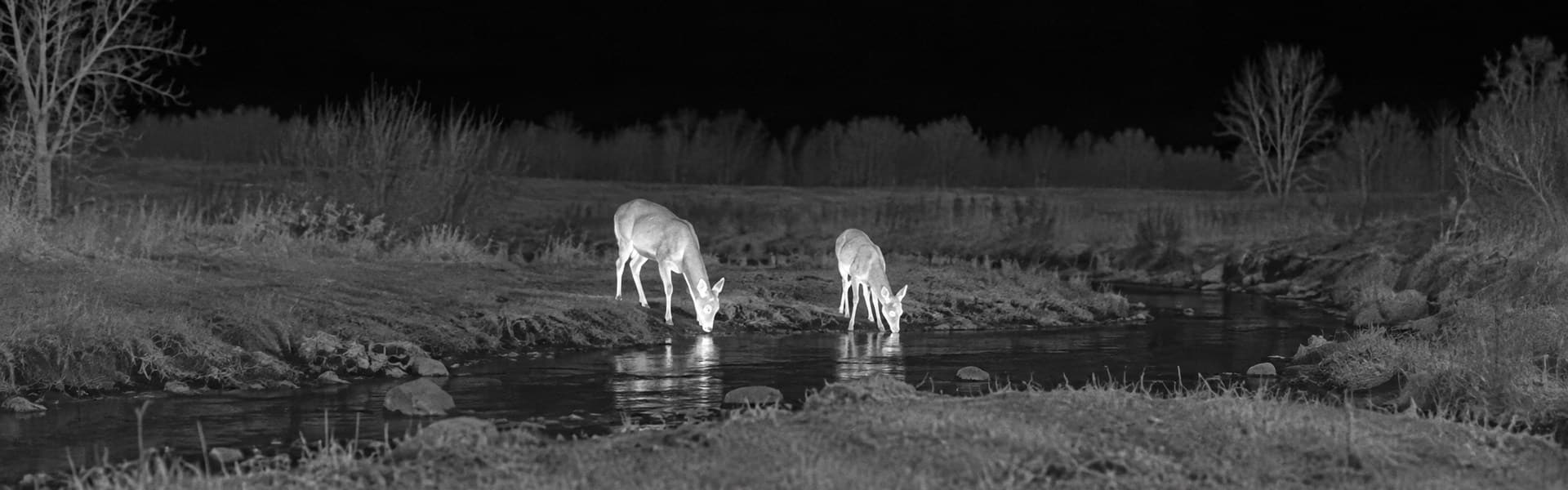
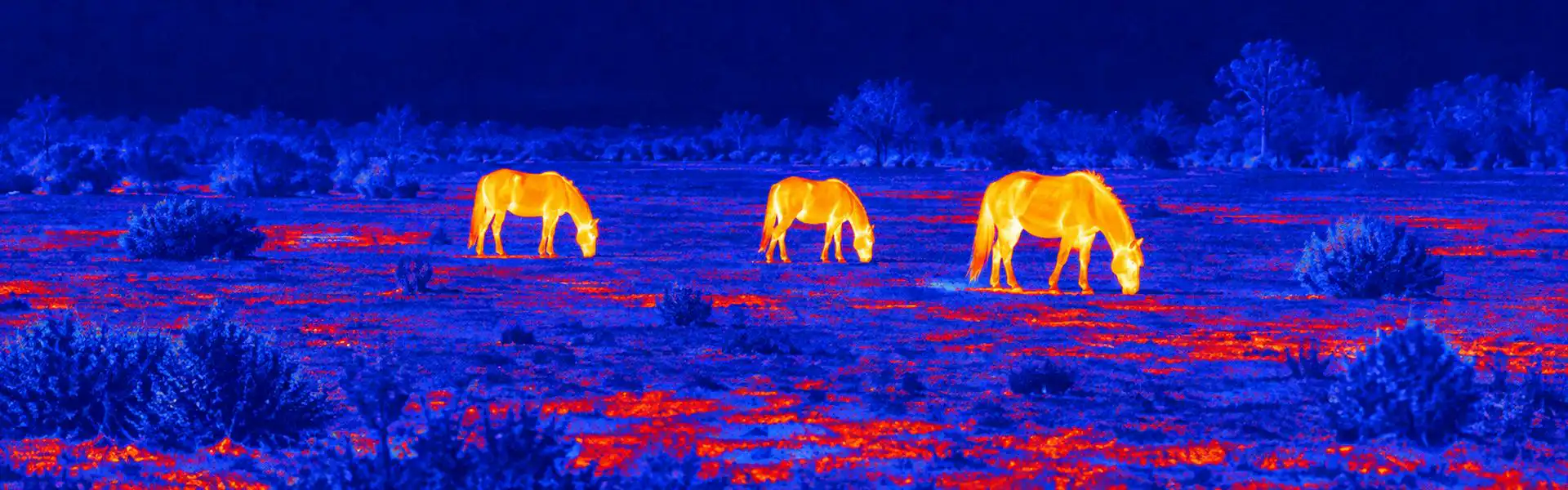
Night Vision Goggles with Thermal Need a Complete Power Map
A large-property owner may plan a long observation session overlooking open ground. List each powered part: thermal viewer, any digital channel, illumination, recorder or monitor. combined viewing arrangement choices can differ substantially, and a picture of two devices does not establish a shared power supply.
Compare complete thermal viewing kit value rather than bare-device capacity. Milliamp-hours alone do not describe energy across batteries with different voltages. Ask for watt-hours when disclosed and keep published runtime tied to its test conditions. The useful question is whether the documented setup supports your viewing and recording sequence, not which number looks largest in an advertisement.
Night vision goggles with thermal need a power comparison based on the complete supported setup, not battery capacity alone. Thermal viewing, digital illumination, recording and external displays can have different loads. For a long stationary watch, confirm the actual operating configuration and a documented backup plan before paying for extra channels.
Compare One-Channel and Mixed-Channel Use Separately
A passive thermal channel does not need the digital channel’s infrared illuminator to show heat contrast. The emitted and reflected infrared distinction helps explain why switching off one accessory need not stop all viewing. Its actual power effect remains device-specific.
Use separate thermal and digital mode checks to establish which functions are available independently. budget priorities for mixed viewing equipment may favor fewer active components when one thermal image answers the task. Do not assume simultaneous mode, recording or charging behavior unless documented. A simpler supported arrangement can offer a more manageable evening routine without claiming a universal runtime advantage.
Expect Real Viewing Conditions to Change Endurance
Temperature, display brightness, wireless use and frequent recording can all matter. An external output can be another load, and the visible stream may differ from the eyepiece. thermal display and motion behavior should be examined in the complete configuration you intend to power.
Request a representative thermal viewing demonstration that includes starting and stopping recording, standby and a return to live view. If two thermal units are used, their correction pauses may not occur together. Do not assume one advertised runtime covers every combination of active components. Keep an evening reserve instead of planning to use every minute of a nominal maximum.
Choose Coverage Before Buying More Battery Weight
A long lens can focus attention on a distant target but may make broad scanning laborious. the relationship between focal length and scene width provides useful context before selecting the support and power kit. More battery capacity does not resolve an unsuitable field of view.
Compare longer-distance thermal field observation with the nearest relevant opening too. questions about target detail and range should separate a visible warm point from a recognizable animal. Power supports the observation; it cannot recover hidden features or make a low-detail outline certain. A manageable wider view may be a better fit than a heavy configuration built around an unrealistic distance expectation.
| Question | What to examine | Decision |
|---|
| Power map | Every active device and accessory | Compare the complete supported configuration |
| Runtime | Temperature, display and recording conditions | Reserve usable power rather than a nominal maximum |
| External connection | Power and output documentation | Do not assume simultaneous functions |
| Long session | Balance, field width and comfort | Consider a stationary alternative |
Test Balance With Every Cable Connected
An external battery changes the carried system and cable routing. It may reduce viewer-mounted weight while adding bulk elsewhere. compact thermal setup considerations should include the approved range of movement and whether connections remain free from snagging or strain.
Use stationary binocular viewing alternatives when prolonged comfort is more important than a worn display. Eyecups, brightness and eye distance must be tried, not inferred. A wrong monitor-output setting can leave an external screen blank while the eyepiece remains functional; that does not automatically mean the detector failed. Persistent discomfort or abnormal behavior calls for reassessment rather than continued use.
Ask for a Supported Backup, Not an Improvised Extension
Confirm the approved batteries, supply limits, charging conditions and replacement procedure. Do not assume USB supports power and video simultaneously. Keep the manufacturer-defined behavior for battery changes separate from a seller’s general statement that external power is possible.
Review first-purchase thermal equipment checks and the thermal optics product range with a written whole-system list. Avoid unsupported extensions and undocumented compatibility. For a long stationary watch, a dependable basic view with clear power instructions may be more useful than several uncertain channels. The equipment remains an observation aid, not a substitute for normal visibility or a guarantee of continuous coverage.
Select the viewing arrangement and power plan together. Confirm the exact functions and approved accessories, test comfort with the full kit and preserve an evening reserve. Capacity and nominal runtime are inputs, not guarantees of a complete observation session.