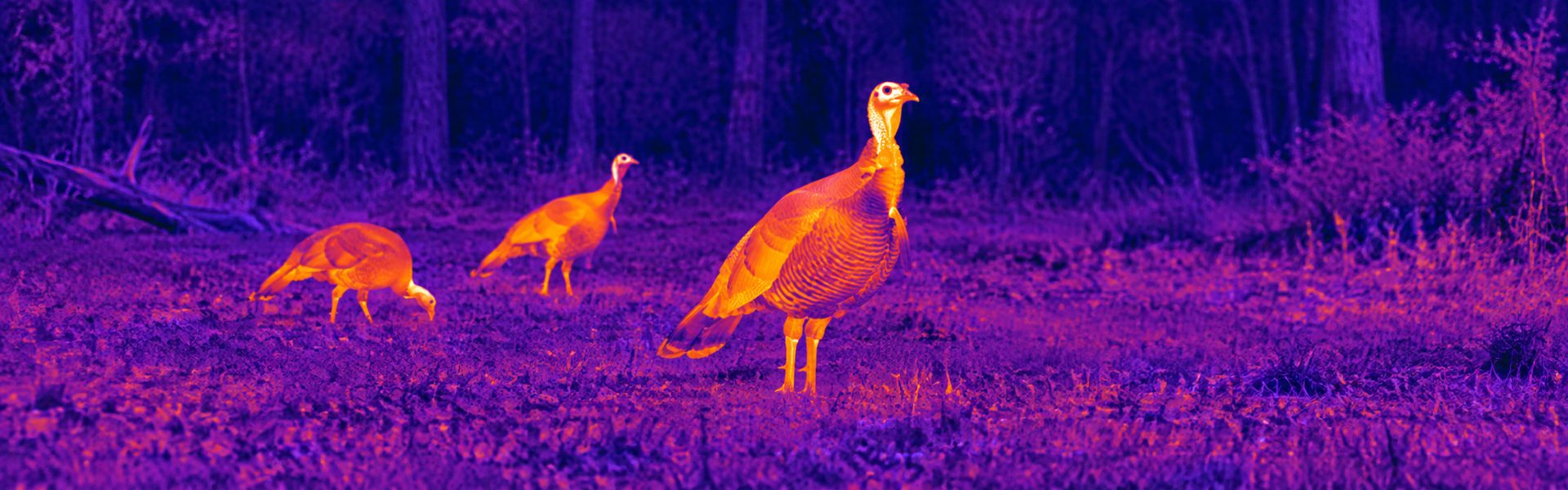
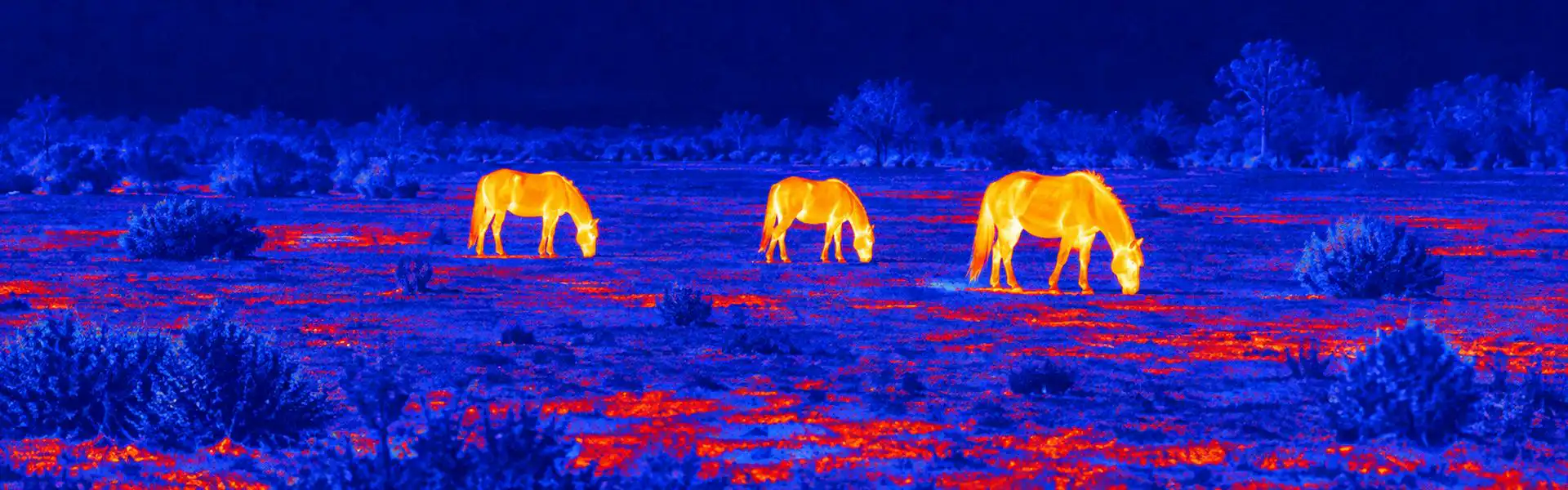
Thermal optics may help locate exposed birds against a contrasting background, but they do not reveal nests through vegetation or establish species from a warm spot. Ground-level observation depends on body size, sightline and lens coverage. A useful power plan supports repeated quiet checks without turning uncertain heat detections into biological conclusions.
Thermal Optics Show Exposed Contrast, Not Hidden Nests
A rural property buyer may want to understand which open patches attract birds at dusk. That is a modest observation task, not a reason to search nests closely or infer breeding success from heat. thermal observation fundamentals separate the signal from the interpretation. Only radiation reaching the lens contributes to the image; vegetation can hide the relevant body area.
The physical basis of infrared imaging explains why darkness itself is not the main obstacle. thermal monocular use for wildlife discovery still depends on an exposed target and sufficient contrast. A warm patch between stems can be incomplete or misleading. Keep a respectful established position and avoid disturbing animals to improve the picture.
Small Bodies Need a Different Range Expectation
A distance advertised using a large target is not a promise for a small ground bird. Body angle, feathers, grass and the number of detector samples across the subject all affect what can be resolved. task-based thermal viewer selection starts with the feature you need to see, not simply the distance where a spot appears.
Review open-ground thermal observation limits with the nearest and farthest visible patches in mind. A tighter lens may enlarge a small target but omit surrounding openings. field-of-view and focal-length relationships clarify that compromise without producing a guaranteed recognition distance. If only location can be established, document location rather than an unsupported species classification.
Keep Display Sharpness Separate From Animal Detail
A crisp menu can sit over an indistinct bird because the screen and detector do different jobs. Native thermal resolution describes the detector sampling; enhanced output, screen resolution and exported file dimensions are separate specifications. reading separate multispectral resolution fields helps avoid buying a large file format instead of useful target detail.
Ask for an unedited moving clip at representative viewing distances. practical checks for a first thermal viewer include focusing the scene as well as the eyepiece. Sharpening may emphasize an edge without recovering a hidden head or leg. Excessive processing can also make small shapes look more convincing than the available evidence warrants.
| Question |
What to examine |
Decision |
| Exposed body |
Sightline through grass |
Do not claim concealed nest detection |
| Small target |
Native view at ordinary distance |
Separate location from species |
| Evening routine |
Startup, standby and recording load |
Plan approved power realistically |
| Field record |
Weather, settings and uncertainty |
Use visible confirmation when possible |
Budget Power Around Repeated Quiet Checks
An evening may consist of many short views, standby periods and occasional recordings. Runtime for uninterrupted viewing does not necessarily describe that sequence. Compare field features for rural observation with how quickly the device starts and how it resumes after standby. A missed brief appearance can matter more than an extra menu mode.
Keep practical power priorities for a modest kit tied to temperature, brightness, wireless use and the documented battery arrangement. Capacity in milliamp-hours alone is not a fair cross-device energy comparison. Carry only approved batteries or power accessories, and do not invent a replacement option where the device uses a sealed pack.
Describe the Conditions Alongside the Bird Sighting
Write down whether the bird was exposed, partly concealed or only inferred from movement. Note the palette, observation direction and whether the ground had recently been sun-warmed. rural binocular observation planning can support a comfortable fixed view, but it does not make the observation complete.
Use thermal discovery with a separate visible channel when normal optics can resolve a feature without additional disturbance. A recording can support review, not replace an ecological protocol. The absence of an image may reflect concealment, contrast or an unsuitable viewpoint. Keeping these alternatives in the record is more useful than interpreting every failed detection as an empty habitat.
Buy the Simplest System That Supports the Method
Prioritize clear native specifications, a usable lens, manageable controls and supported power before optional connectivity. Decide whether you need a recording or merely a location note. A phone stream can be convenient for a second observer, but its compatibility and effect on runtime need documentation.
Compare questions for a thermal binocular supplier if two-eye comfort is important, or examine the thermal optics product range for a compact viewer. Ask the seller to address your actual small-target task. No ordinary thermal viewer should be presented as a nest detector, a biological thermometer or a guaranteed wildlife count merely because its image is colorful and bright.
Match the equipment to a restrained observation method. Exposed contrast, suitable coverage and a dependable evening routine can be useful, while concealed birds, species identity and survey completeness remain separate questions.