









Introduction: Beyond Durability — The Thermal Advantage
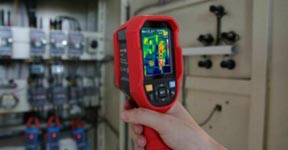
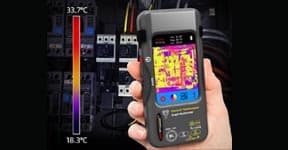
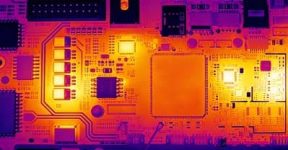
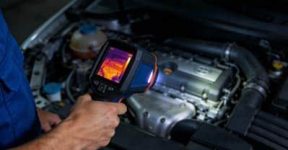
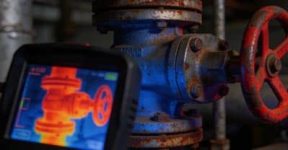
In industrial settings, field inspections, or outdoor work, durability isn’t the only factor that matters. Devices like Thermal Imaging Rugged Phones and Thermal Imaging Rugged Tablets combine toughness with advanced thermal imaging capabilities, allowing users to detect heat patterns, monitor equipment, and perform quick diagnostics even under challenging conditions.
While both categories share the ruggedness you’d expect from devices designed to withstand drops, dust, and water, their use cases can differ significantly depending on mobility, screen size, and operational environment. Understanding these differences can help users choose the right tool for their specific needs.
1. Mobility vs. Workspace: Where Portability Matters
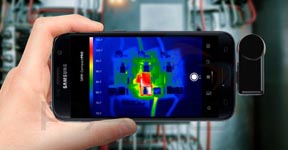
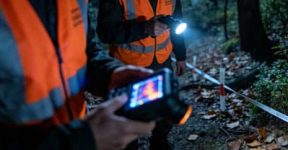
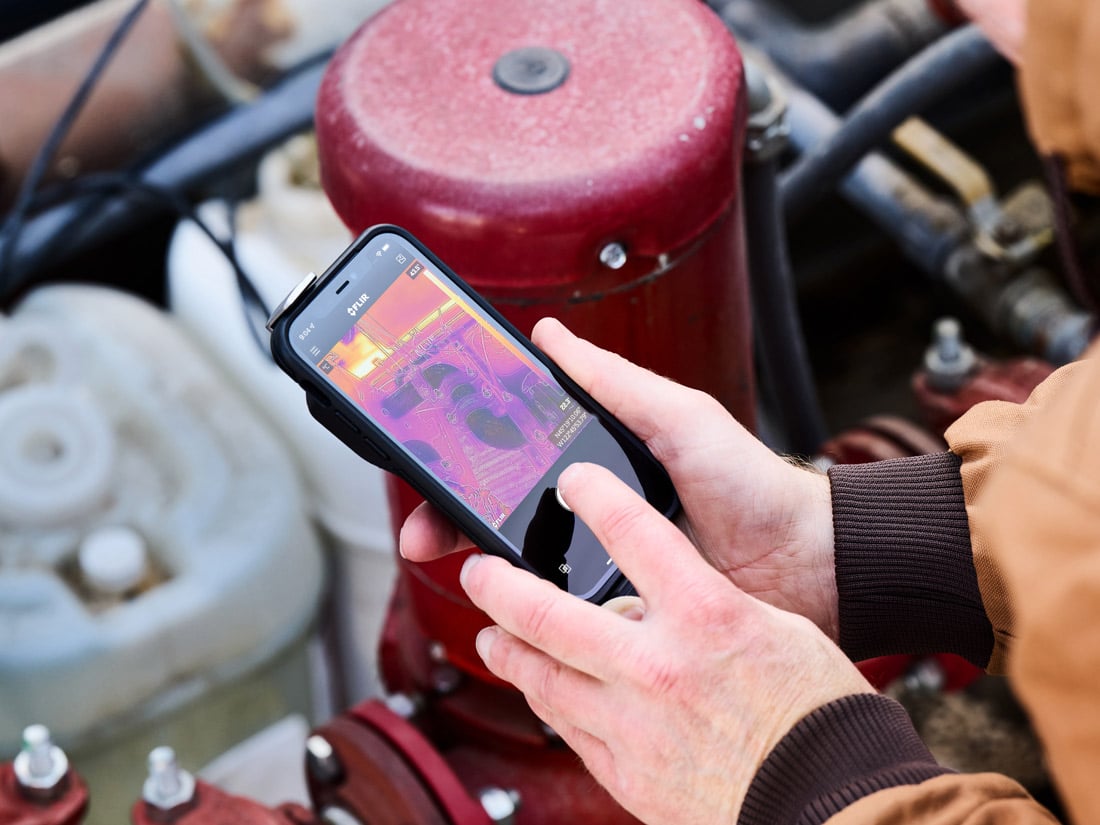
Thermal Imaging Rugged Phones are compact and lightweight, making them ideal for scenarios that demand high mobility. Inspectors walking across large industrial sites, field engineers in energy plants, or technicians moving between construction areas benefit from the phone’s handheld convenience, which allows them to capture thermal readings quickly without being encumbered.
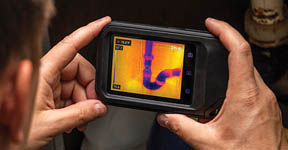
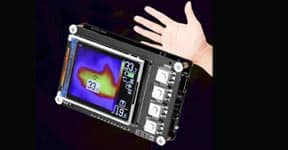
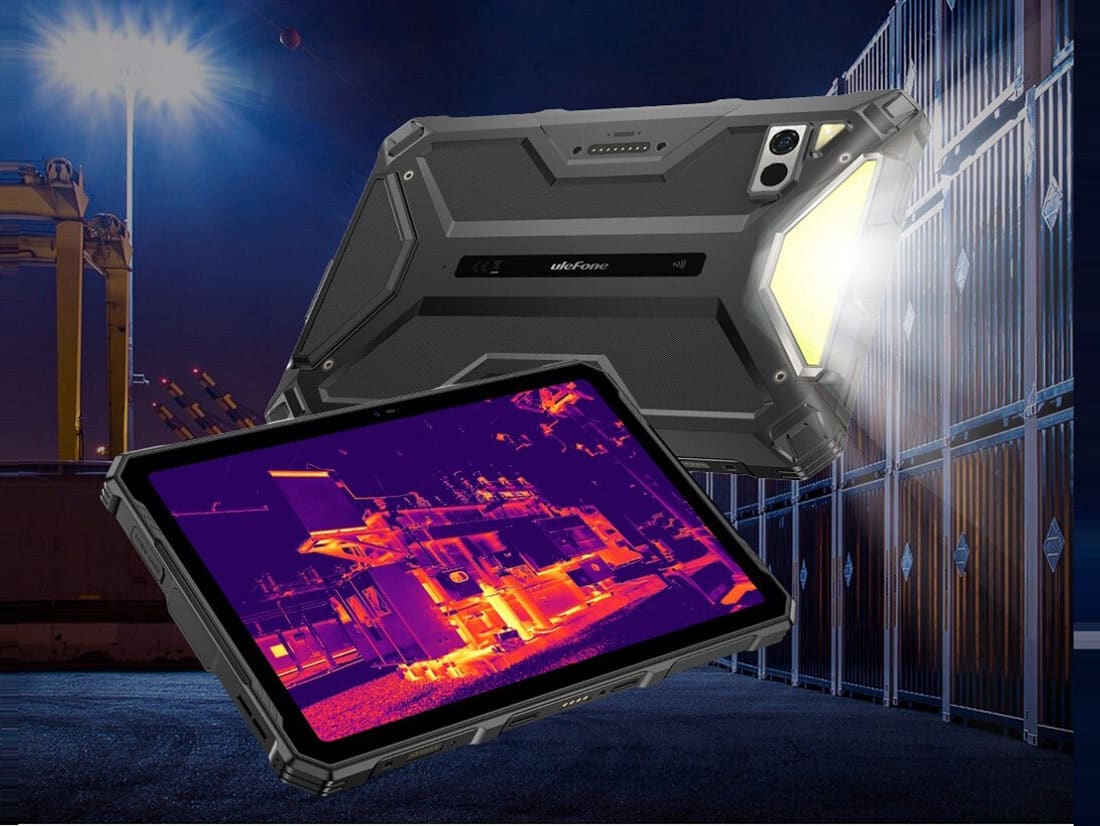
In contrast, Thermal Imaging Rugged Tablets offer larger screens and more computing power. They excel in environments where detailed analysis and extended monitoring are needed, such as maintenance centers, workshops, or mobile labs. While tablets are less convenient for constant movement, their bigger displays make thermal patterns easier to interpret, annotate, and share in real time.
2. Screen Size and Data Visualization
Thermal imaging isn’t just about detecting heat—it’s about analyzing patterns.
-
Rugged Phones: The smaller screen is sufficient for quick inspections, basic thermal pattern identification, and capturing images for later reporting. They’re excellent for spot checks and rapid assessments.
-
Rugged Tablets: Larger screens allow for in-depth thermal analysis, side-by-side comparisons, and live monitoring of multiple components or areas. For engineers and technicians dealing with complex equipment, this visual advantage reduces the risk of overlooking subtle temperature changes.
3. Heat Detection in Extreme Conditions
Both devices are designed to operate under harsh environmental conditions, but the usage scenarios can vary:
-
Rugged Phones: Often favored in outdoor and field environments where devices may encounter dust, rain, or rough handling. The portability ensures that thermal inspections can be carried out on-the-go, even in tight or uneven terrain.
-
Rugged Tablets: More suitable for semi-static environments where continuous thermal monitoring is required, like inside maintenance vans, control rooms, or temporary field stations. The tablet’s screen provides a clear overview of extended thermal data sets without requiring additional display tools.
4. Battery Life and Operational Time
Thermal inspections can be power-intensive, especially when using continuous monitoring or high-resolution thermal imaging.
-
Rugged Phones: Typically have smaller batteries but are optimized for short bursts of activity, perfect for quick site inspections or checking specific equipment points.
-
Rugged Tablets: With larger batteries and energy-efficient processing, tablets support longer inspection sessions, making them ideal for projects that require hours of continuous thermal imaging or detailed documentation.
5. Integration and Workflow Compatibility
Another key difference lies in how these devices integrate into work processes:
-
Rugged Phones: Quick sharing of thermal images via mobile networks or Bluetooth is seamless, making them highly adaptable for real-time reporting during site inspections.
-
Rugged Tablets: Often used with external sensors, specialized apps, or cloud platforms for deeper analysis, data logging, and team collaboration. This makes tablets particularly useful in environments where thermal data needs to be archived or processed further before decision-making.
6. Choosing Based on Task Needs
Selecting between a Thermal Imaging Rugged Phone and a Rugged Tablet ultimately comes down to balancing mobility, screen size, and the depth of analysis required:
-
Choose a rugged phone if your priority is rapid, on-the-go inspections and portability.
-
Choose a rugged tablet if you need to analyze multiple components, monitor extended systems, or present data visually to a team.
Both devices share the core advantage of integrated thermal imaging, but understanding the nuances of their deployment ensures you get the most out of the technology for your workflow.
Conclusion: Tailoring Thermal Technology to Your Environment
Both Thermal Imaging Rugged Phones and Thermal Imaging Rugged Tablets enhance safety, efficiency, and problem-solving in industrial and outdoor environments. The choice depends less on the core thermal function—which both perform reliably—and more on how, where, and for how long you need to use it.
By aligning device capabilities with your inspection environment, you can maximize productivity, reduce downtime, and make informed decisions faster. Ultimately, the right rugged thermal device is not just about durability—it’s about matching its strengths to your unique workflow.