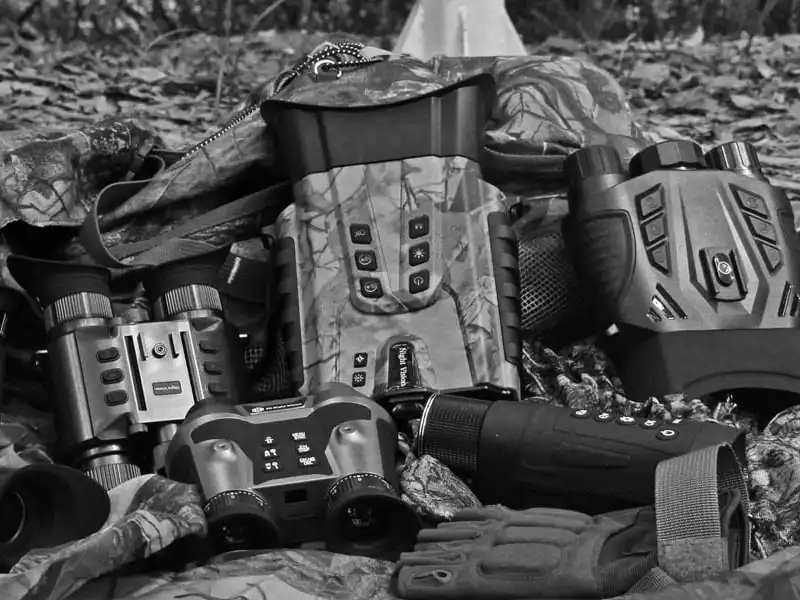
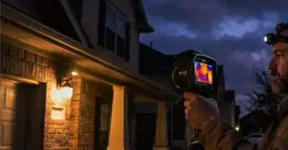
When the sun goes down, most people pack up and head home—but for some, that’s when the real adventure begins. Whether you’re exploring the woods, camping off-grid, or observing wildlife after dark, night vision devices open up a whole new world of nighttime exploration.
But with so many types—Night Vision Binoculars, Night Vision Monoculars, and Night Vision Goggles—how do you know which one fits your needs best? Let’s break it down step by step, so you can choose the perfect tool for your next night under the stars.
1. Understanding the Basics of Night Vision
Before diving into the types, it helps to know how night vision works.
Essentially, these devices amplify the light that’s already around—like moonlight or starlight—and convert it into a visible image. This lets you see clearly even in near-total darkness. Some models include infrared illumination, providing an invisible light source to enhance vision when no natural light is available.
Night vision technology has evolved a lot, and modern devices offer sharper images, better contrast, and longer detection ranges. The key is finding one that fits your usage scenario—not just the one with the biggest number on the box.
2. Night Vision Binoculars – For the Clear and Stable View
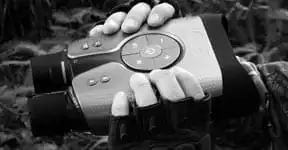
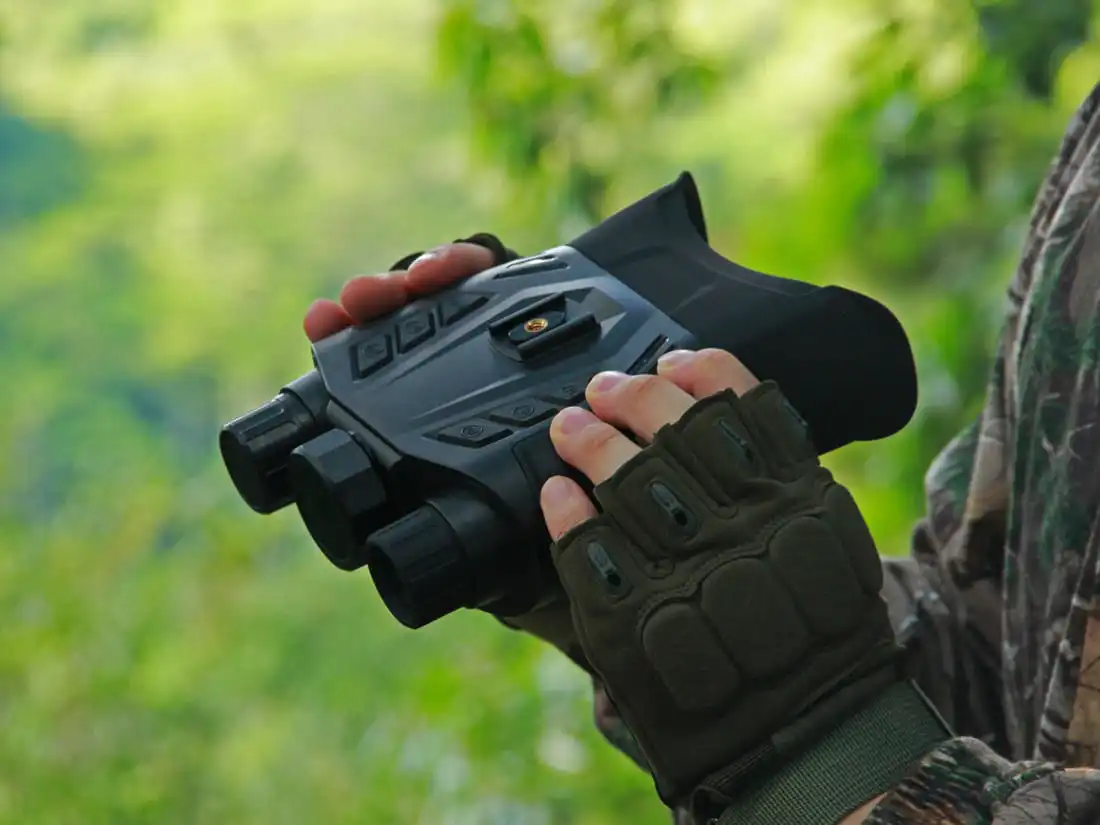
If you love long-range observation and stability, night vision binoculars are your best bet.
With dual lenses and a balanced grip, they provide both eyes with a natural and comfortable viewing experience—great for wildlife watching, search operations, or wide-area scanning.
Why choose binoculars:
-
Dual-lens clarity: Two lenses enhance depth perception, making it easier to judge distance and size.
-
Wider field of view: Perfect for scanning large landscapes or tracking movement.
-
Ideal for stationary observation: Great for nature watching, campsite security, or outdoor surveillance.
Keep in mind: Binoculars are generally bulkier than other types, so they’re better suited for planned observations rather than quick, on-the-go use.
3. Night Vision Monoculars – Compact and Flexible
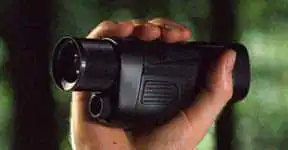
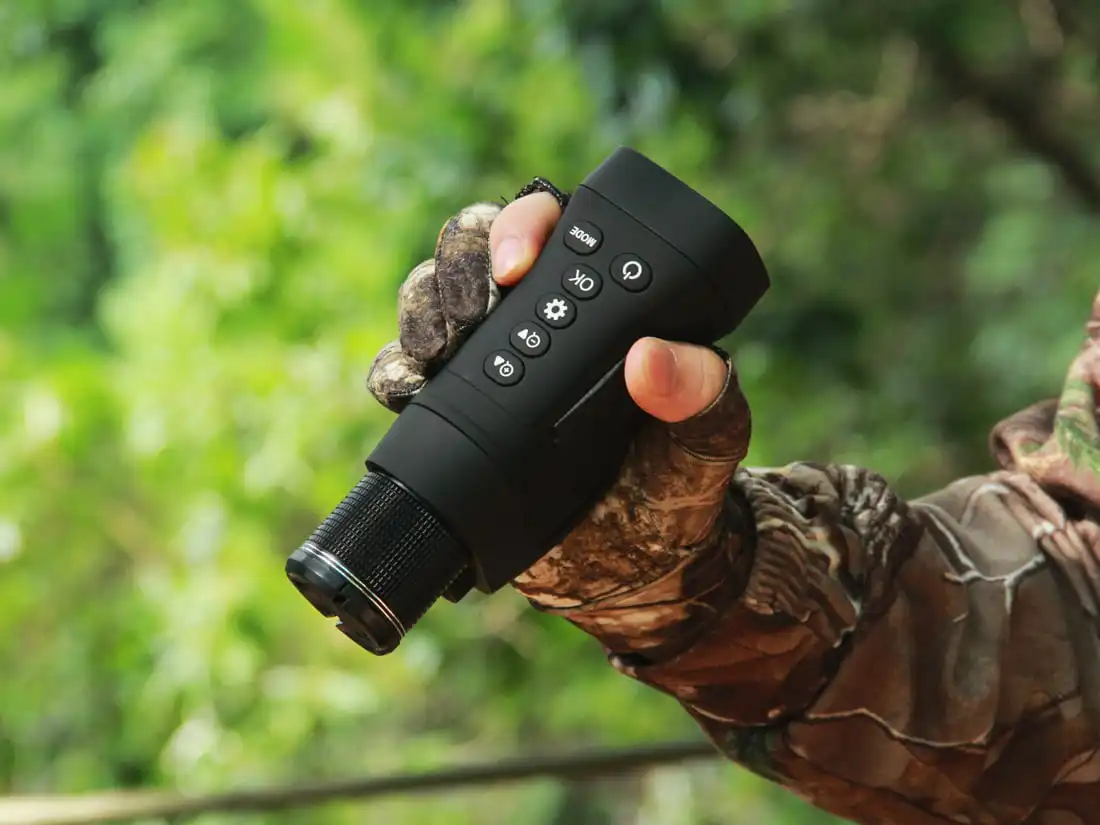
If portability and versatility are your top priorities, night vision monoculars are a smart choice.
Lightweight and easy to carry, they’re perfect for hikers, explorers, or anyone who needs quick visual checks in low light. A monocular can be used with one hand, attached to a tripod, or even mounted to a helmet—ideal for users who like flexibility in different outdoor conditions.
Why choose monoculars:
-
Compact and lightweight: Easy to store in a pocket or backpack.
-
Quick target detection: Great for moving through trails or scanning close-range areas.
-
Adaptable use: Can pair with cameras or smartphones for recording.
Keep in mind: Since you’re viewing with one eye, depth perception is limited compared to binoculars—but the convenience often makes up for it.
4. Night Vision Goggles – Hands-Free and Immersive
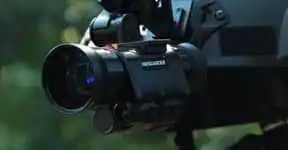
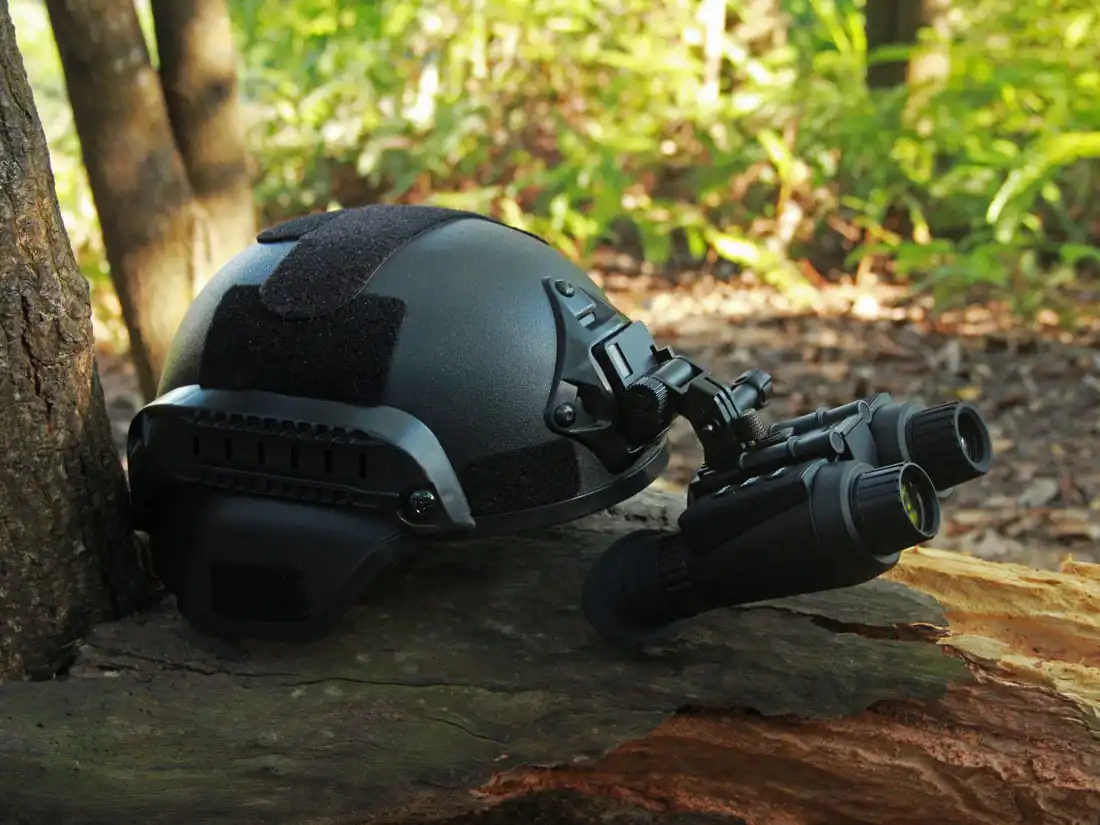
When you need both hands free for climbing, walking, or operating gear, night vision goggles are unbeatable.
They’re designed to be head-mounted, allowing you to move naturally while maintaining clear visibility in the dark. This hands-free operation makes goggles especially useful for extended exploration, nighttime navigation, or working in low-light environments.
Why choose goggles:
-
Hands-free experience: Ideal for multitasking or active movement.
-
Comfortable head design: Adjustable straps distribute weight evenly for long-term wear.
-
Immersive visibility: Provides a wide field of view while keeping your focus aligned with your movements.
Keep in mind: Goggles are usually more complex and slightly heavier than monoculars, but their comfort and practicality make them a top pick for serious outdoor explorers.
5. What to Consider When Choosing
Regardless of the type you choose, here are the key features to pay attention to when buying a night vision device for outdoor use:
-
Image clarity: Look for high resolution and strong light amplification for sharper images.
-
Detection range: Longer range allows better visibility across wide or open areas.
-
Infrared capability: Essential for total darkness or shaded environments.
-
Battery life: Crucial for long outdoor sessions—choose models that last through the night.
-
Durability: Waterproof, dustproof, and shock-resistant designs are best for outdoor reliability.
-
Comfort and ergonomics: Especially important for head-mounted or long-use devices.
Choosing a device with the right balance of these features ensures a better outdoor experience and more dependable performance.
6. Matching Your Device to Your Adventure
Here’s a quick guide to help match your needs with the right type:
| Outdoor Activity |
Best Night Vision Device |
Why It Works |
| Wildlife Watching |
Binoculars |
Wide field of view and high stability |
| Hiking & Exploration |
Monoculars |
Lightweight and portable |
| Camping or Search Tasks |
Goggles |
Hands-free convenience |
| Long-distance Observation |
Binoculars |
Dual-lens clarity and depth |
| Quick Navigation or Inspection |
Monoculars |
One-hand operation and easy carry |
By aligning your activities with your device’s strengths, you’ll get more value and a smoother outdoor experience.
7. Final Thoughts
The night doesn’t have to be a limitation—it can be an invitation.
Whether you’re scanning the forest with binoculars, navigating trails with a monocular, or moving hands-free with goggles, each type of night vision device has its own advantages that cater to different styles of adventure.
Choosing the right one isn’t just about the specs—it’s about how it fits into your outdoor lifestyle. Once you find that match, the world after sunset becomes not only visible, but beautifully alive.