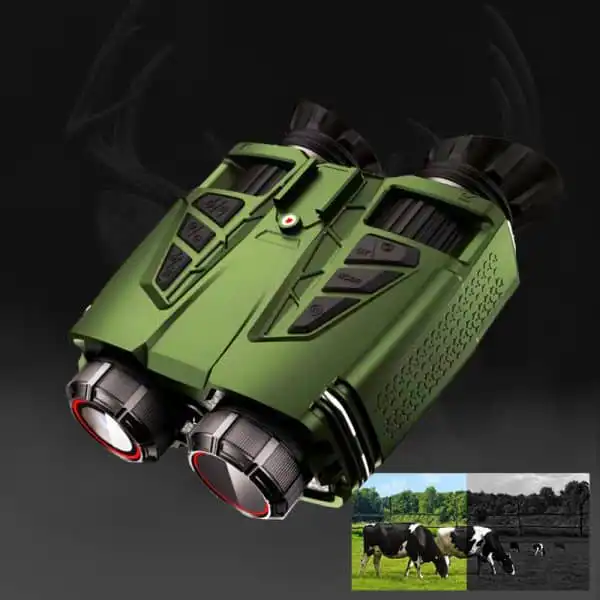
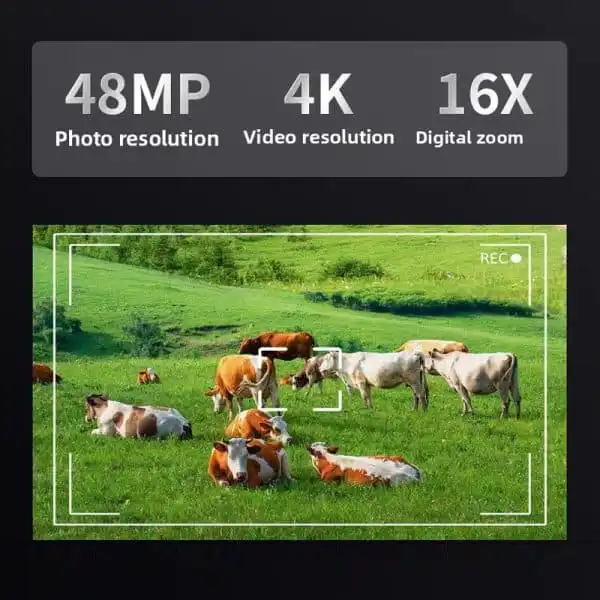
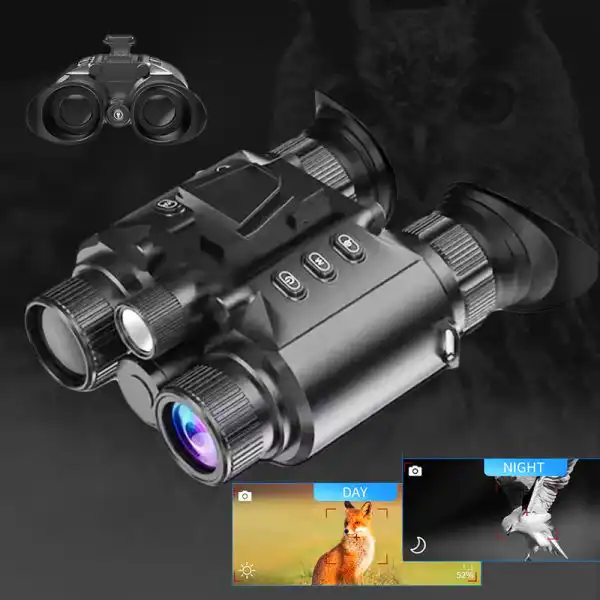
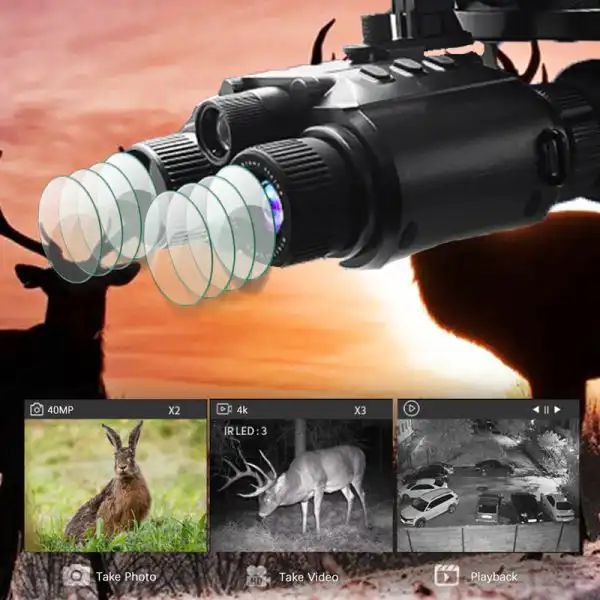
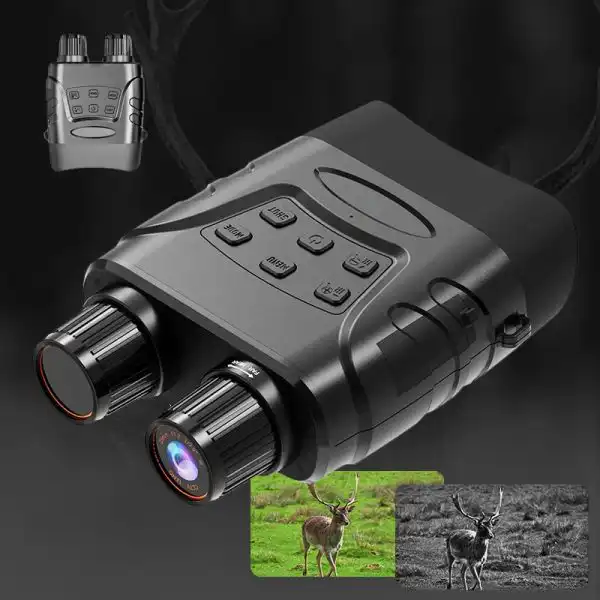
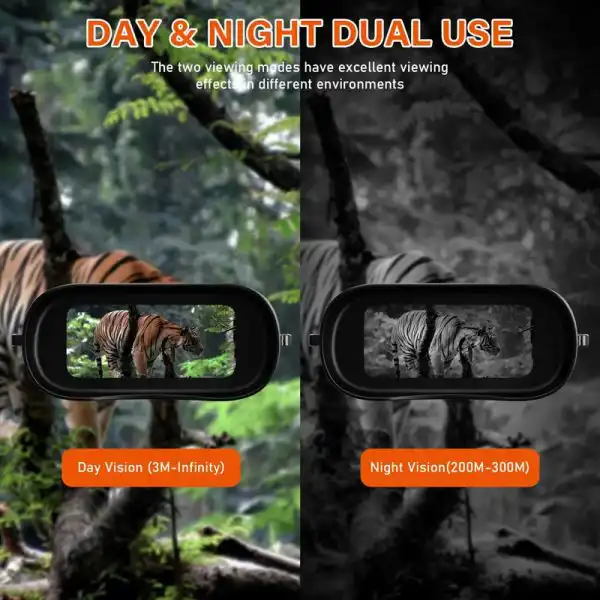
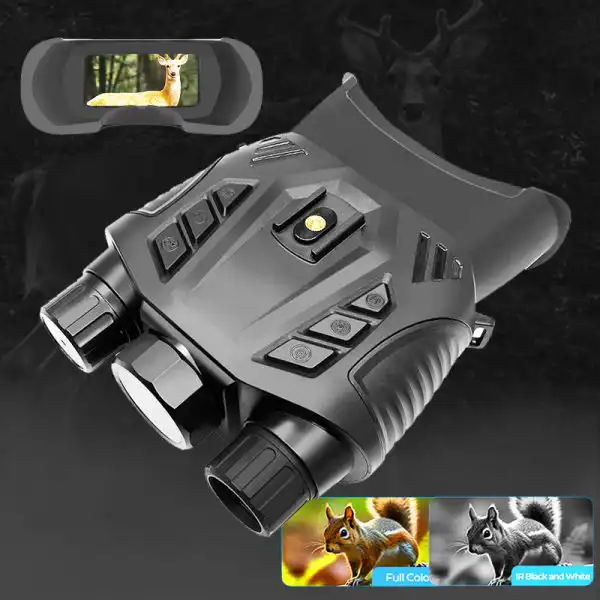
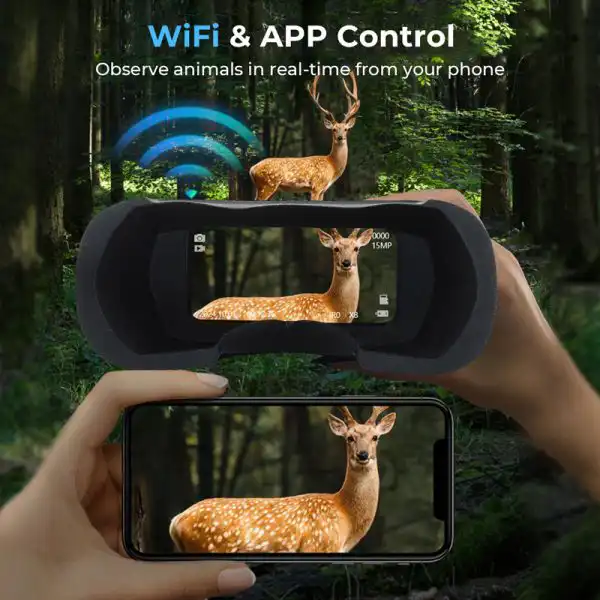
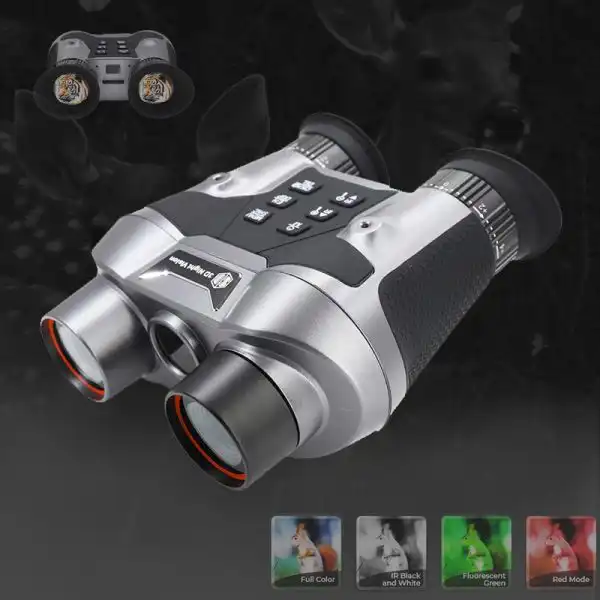
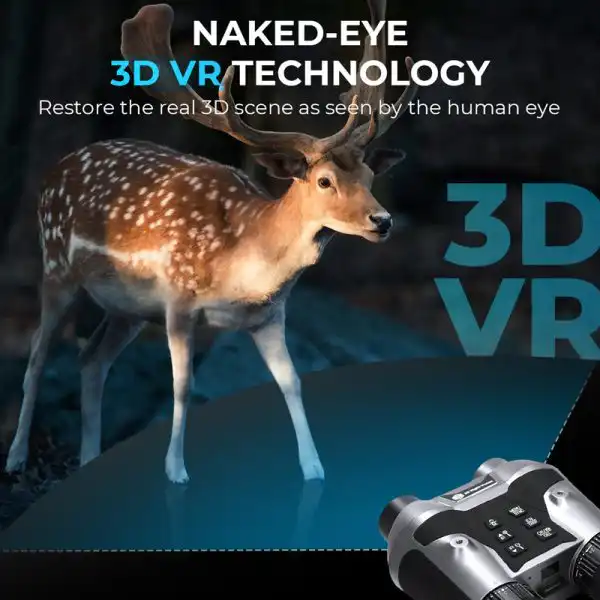
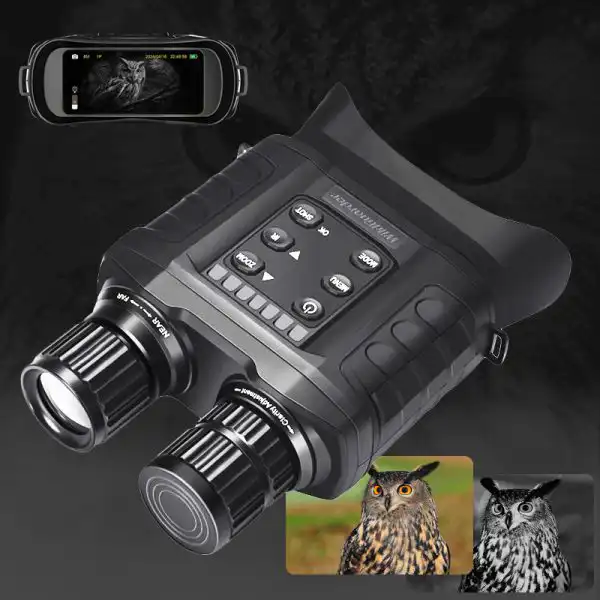
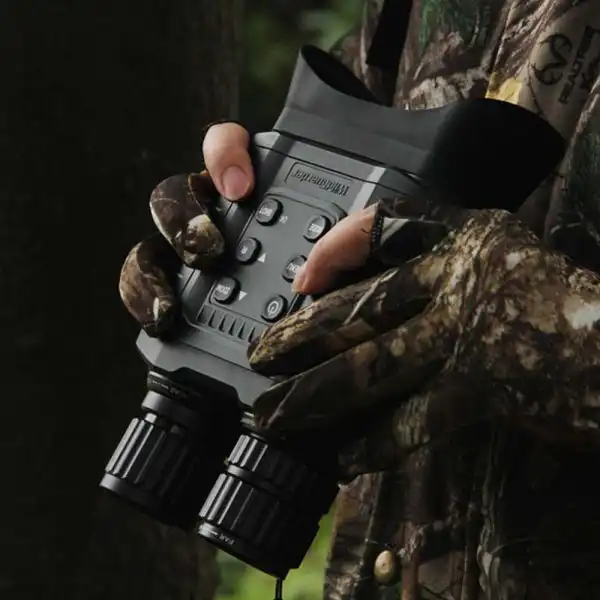
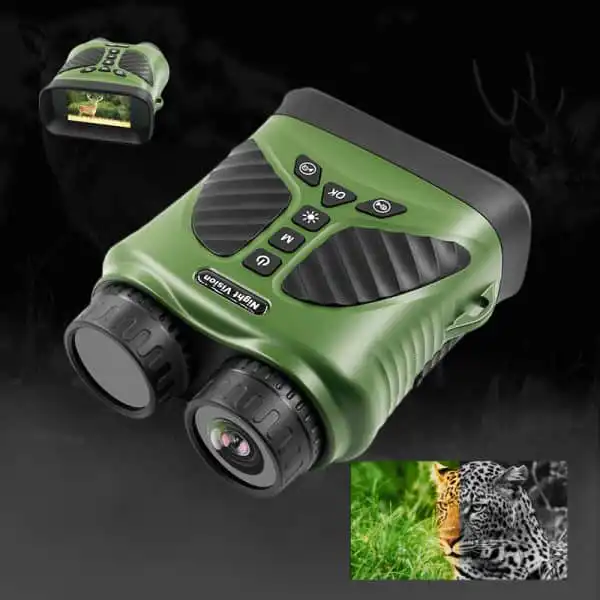
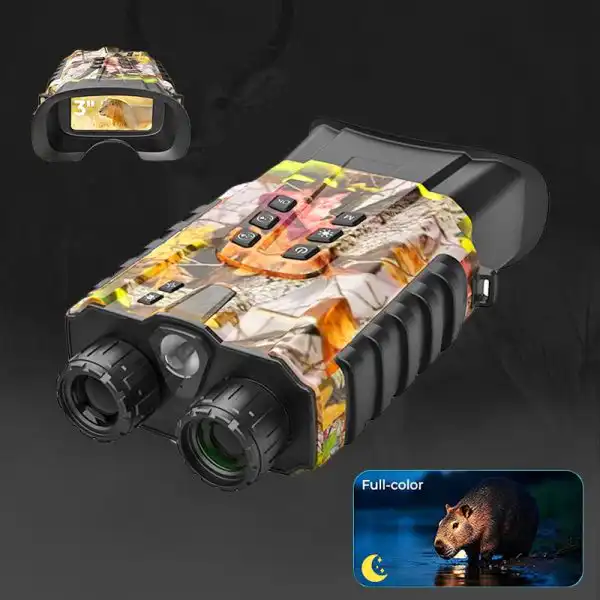
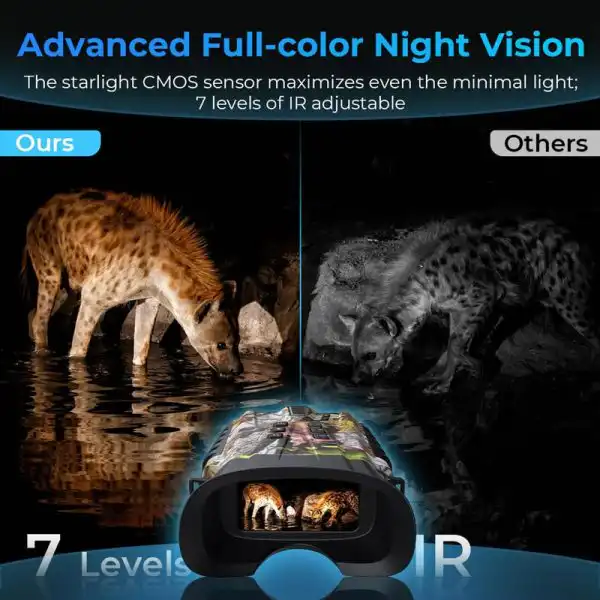
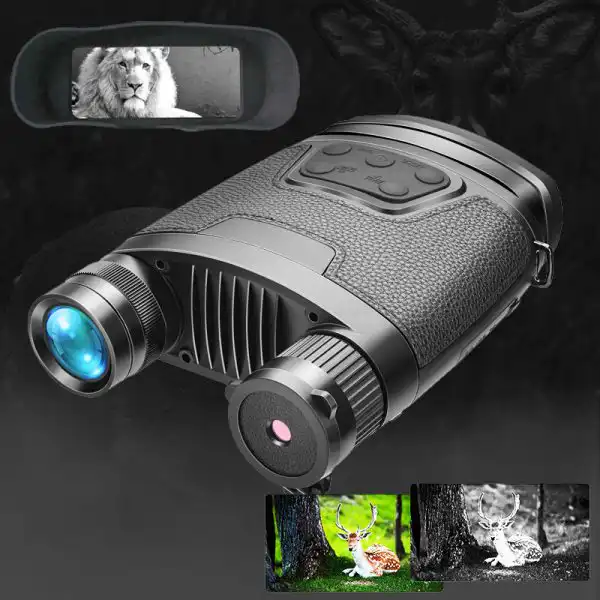
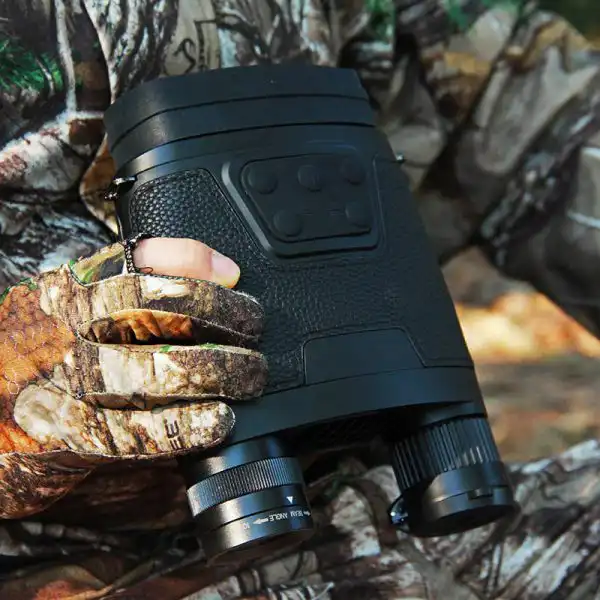
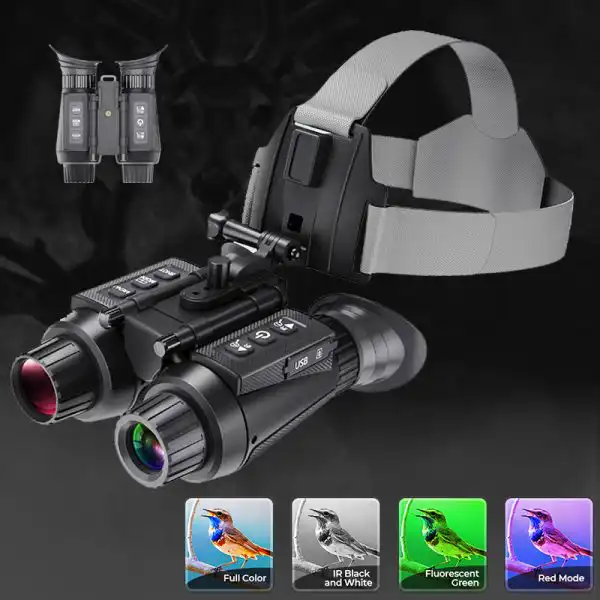
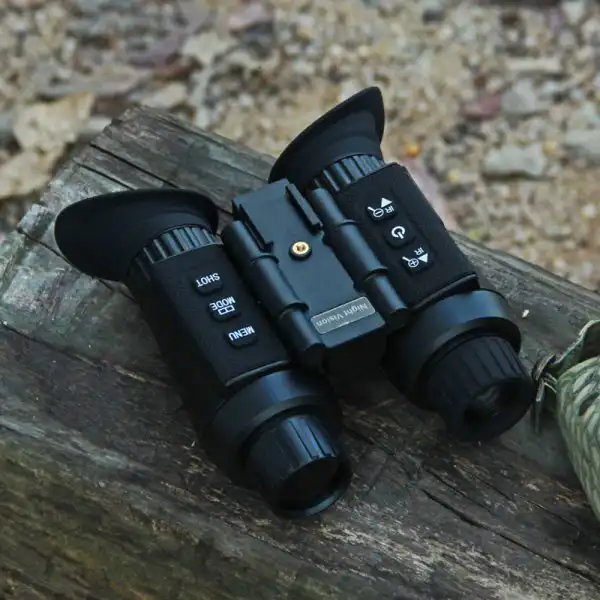
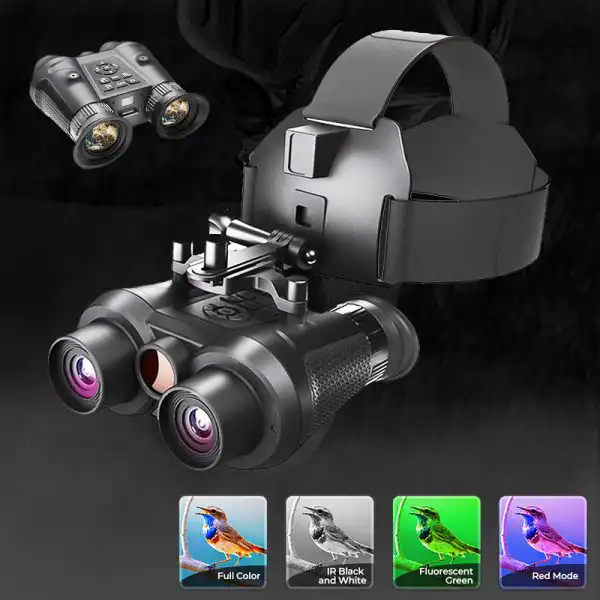
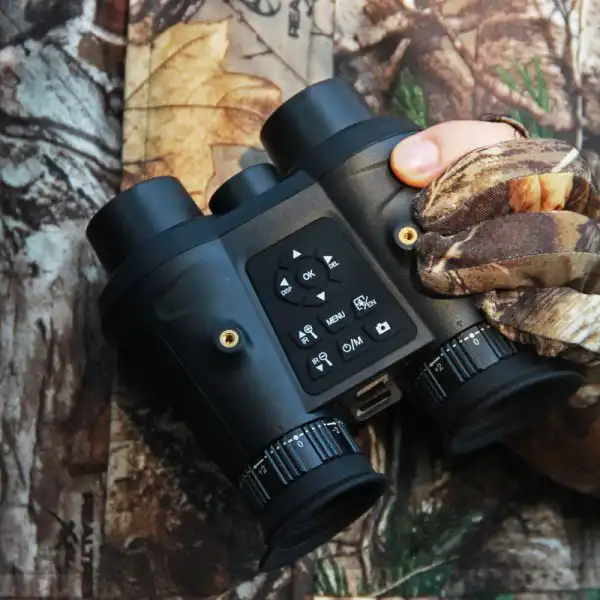
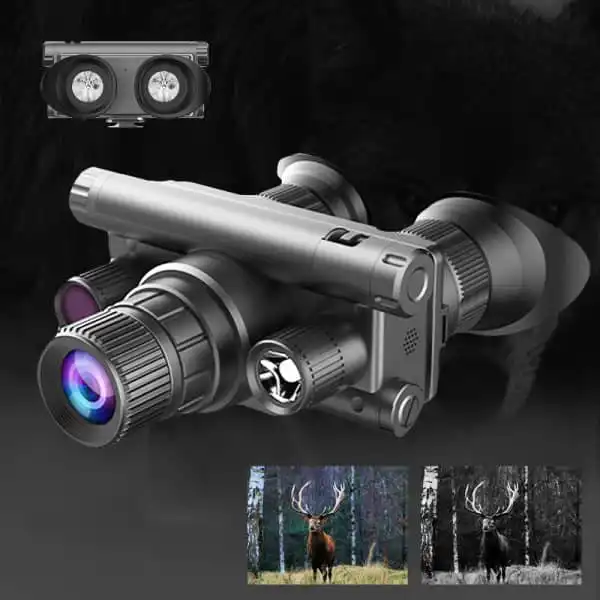
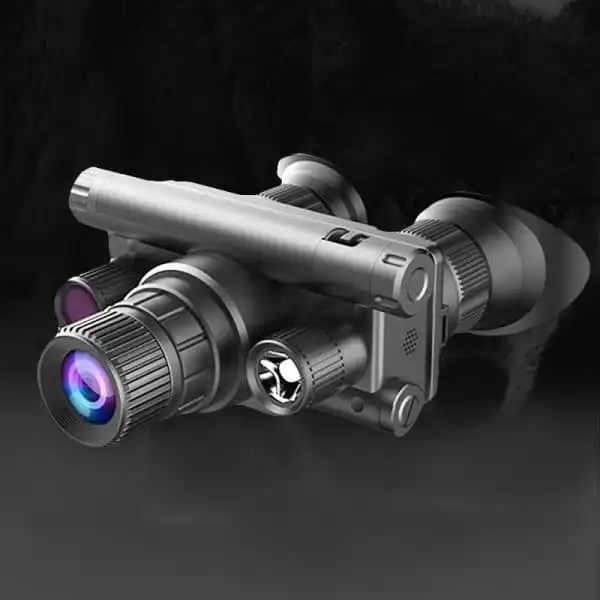
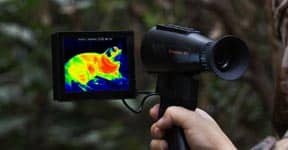
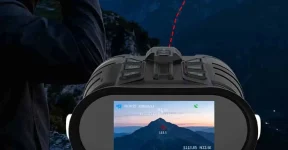
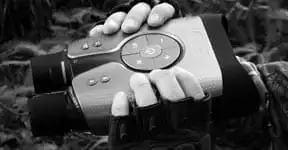
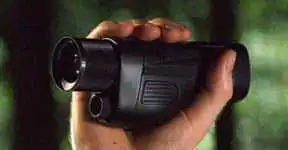
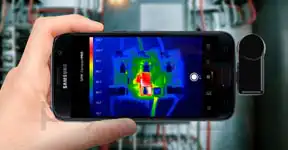
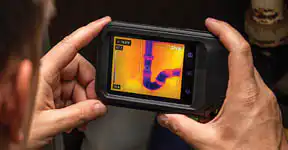
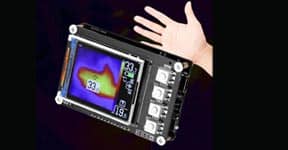
Illustrative TI-N2 digital night vision binocular woodland screen viewing based on the store product photographs.

Night Vision Binoculars for Life After Dark

Explore digital infrared binoculars for wildlife watching, campsite observation and property checks. Compare viewing styles, recording options and magnification to find your fit.

Digital Night Vision, Matched to Your View

Night vision binoculars help you observe outdoor scenes when daylight fades. The digital models in this collection use an electronic image sensor and a built-in display; infrared illumination adds light the sensor can use when the surroundings become too dark. This creates a view of reflected detail rather than a thermal image of heat. Choose a conventional screen viewer for relaxed observation, a dual-eyepiece model for viewing with both eyes, or a compatible head-mounted design for supported hands-free sessions. Our range includes straightforward 1080p options, models with higher recording settings, adjustable IR and selected Wi-Fi connections. Optical magnification, digital zoom, screen resolution, battery type and weather protection vary by product. Start with your usual distance and the way you plan to watch, then compare the specifications that matter to that task.

Filter Products

Select options to refine this category. Options within a group match any selection; groups combine.

Reset filters

4K FHD Night Vision Binoculars | 16x Zoom, WiFi & 850nm IR

Original price was: $269.99.Current price is: $169.99.
Select options This product has multiple variants. The options may be chosen on the product page

NV8300 4K 3D Night Vision Binoculars | 300m Range

(3)
Original price was: $469.99.Current price is: $285.99.

Customer Experiences

Product-page review excerpts. AI-generated portraits are illustrative and do not depict the reviewers.
NIGHTTIME WILDLIFE OBSERVATION

Stay With the Scene After Sunset

Watch the edge of a clearing from a settled position and let the activity unfold. Adjustable infrared illumination and a carefully focused view help you observe visible subjects without repeatedly sweeping the area with a white spotlight.
Illustrative Owler1 digital night vision binocular supported pond observation based on the store product photographs.
OUTDOOR NIGHT VISION

Bring Your Nighttime Observations Home

A sighting can last only a moment. Use the WILDGUARDER WG6000 rear viewing screen to frame the scene and save a photo or video, then review it at home. Check the recording formats, supported storage and included accessories on the product page.
WG6000 night vision binoculars on a supported orchard bench with a circular illustrative infrared view of a rabbit

How Digital Night Vision Binoculars Work

A digital night vision viewer forms an electronic image from available visible and near-infrared light. When ambient light is insufficient, a compatible IR illuminator lights the subject and the sensor receives that reflected energy. The result appears on the internal screen. The sensor, lens, display and illumination all contribute to the image you actually see.

  • A Sensor and Display Work Together: Digital binoculars use an electronic sensor rather than an image-intensifier tube. Viewing with both eyes can be comfortable, but two eyepieces alone do not establish true stereoscopic imaging. Check the optical design of the individual model.
  • Infrared Adds Illumination: Many models here use adjustable 850nm IR. Start at a low level and increase it only when the subject needs more illumination. A brighter setting can wash out nearby leaves and other reflective surfaces.
  • Night Vision and Thermal Have Different Roles: Digital infrared night vision shows reflected scene detail. A thermal imager instead forms a picture from heat radiation. If finding heat signatures is your priority, compare our thermal imaging monoculars alongside this collection. Compare Thermal Imaging Monoculars.
  • Recording Labels Need Context: A 4K recording option, a photo megapixel setting, the native sensor and the eyepiece display describe different parts of the system. Compare each specification separately and check the actual frame dimensions of dual-view recordings.

How to Use Digital Night Vision Binoculars

  1. Prepare Before Dusk: Charge or fit the specified batteries, insert a supported memory card and learn the controls in daylight. Attach the strap or compatible support.
  2. Set the View: Begin at the lowest zoom. Adjust the eyepiece or diopter where provided, then focus the objective on your subject.
  3. Balance IR and Screen Brightness: When the scene becomes too dark, enable IR at a low setting. Increase it gradually and set the screen to a comfortable brightness.
  4. Observe, Then Record: Scan slowly from a stable position. Apply modest digital zoom only when useful, record the sighting and check the saved file before packing away.

Choose Night Vision Around the Way You Watch

A useful pair of night vision binoculars should suit your hands, eyesight and observation routine. This collection brings together several approaches, so you can compare practical features instead of choosing by the largest number on the box.

  • Straightforward Infrared Viewing: The 1080p model combines adjustable 850nm illumination with up to 5× digital zoom. Its listed dark-viewing distance is 200–300m, with performance depending on the subject and conditions. View the 1080p Model.
  • A Larger Screen for Supported Sessions: The Owler1 lists a 4-inch LCD and tripod compatibility. It is a useful option to compare for longer stationary sessions when a supported setup matters more than the smallest carrying size. Compare the Owler1.
  • Dual Displays and Wireless Sharing: The dual 1.3-inch TFT model offers Wi-Fi and up to 16× digital enlargement. The NV8300 offers a different dual-eyepiece arrangement, including separate visual adjustment for each eye. Explore the Dual-Screen Model.
  • Head-Mounted Options: Selected goggles include compatible headwear or mounting accessories. Check fit, adjustment, native magnification and the supplied mount before choosing this viewing style for a settled observation position. View Head-Mounted Binoculars.

TI-DT39 digital night vision binoculars on an indoor equipment preparation desk at night

Benefits of Night Vision Binoculars

Practical advantages for careful observation after dark
  • Observe after dusk: adjustable infrared illumination helps compatible models show reflected detail as natural light fades.
  • Choose a comfortable view: compare rear-screen and eyepiece designs, brightness controls and supported viewing options.
  • Keep useful records: selected models save photos and video so you can revisit wildlife encounters or property observations.
  • Fit your routine: choose magnification, battery type, size and recording features for your usual distance and session length.

Features vary by model. Digital night vision needs available light or infrared illumination; it cannot see through walls or dense vegetation. Nearby reflections, rain and fog can reduce usable detail.

How to Choose the Best Night Vision Binoculars for You

Start with a real observation task: a woodland clearing, an open paddock or a nearby gate. Then compare these eight points on the individual product page.

Practical Uses for Night Vision Binoculars

Choose a comfortable observation point, keep the subject in an open line of sight and match the settings to the scene. These everyday examples show where digital night vision can be useful.

Night Vision Binoculars for Life After Dark

Scenes are illustrative; display appearance varies by model and conditions.

Need Help?

Need help choosing night vision binoculars? Tell us your viewing distance, budget and preferred setup. Our team can help you compare models before you order.

Frequently Asked Questions About Night Vision Binoculars

FREQUENTLY ASKED QUESTIONS
How do digital night vision binoculars work?


They use an electronic sensor to capture available visible and near-infrared light, then show the processed image on a screen. A built-in IR illuminator helps when ambient light is too weak. This is different from thermal imaging, which forms an image from heat radiation.

Can I use night vision binoculars in complete darkness?


An IR-equipped digital model can form an image in complete visible darkness when its illuminator lights the subject. The usable distance depends on the device, the target and conditions. A passive digital sensor alone still needs enough incoming light.

How far can night vision binoculars see?


The 1080p model lists 200–300m in full darkness, while selected models advertise longer maximum distances. These figures do not guarantee identification at that distance. Subject size, reflectivity, background, weather, focus and IR output all affect what you can recognise.

What is the difference between optical magnification and digital zoom?


Optical magnification is produced by the lens system. Digital zoom enlarges a cropped part of the captured image, so more zoom does not create more captured detail. Compare optical and digital figures separately and check the native view before using the highest setting.

Does 4K recording mean a native 4K sensor and display?


No. A recording setting, photo megapixel option, native sensor resolution and internal screen resolution are separate specifications. For example, the NV8300 lists a 2.0MP sensor and dual 390 × 390 screens alongside 4K recording options. Check actual recorded dimensions and sample footage.

Are all binocular-style night vision devices stereoscopic?


No. A viewer can present the same camera image to both eyes. True dual-view or 3D features depend on the individual lens, sensor and display design. Compare the optical arrangement, eye adjustments and recording format rather than relying on the binocular shape alone.

Can these digital models be used during the day?


The digital models described here offer day and night use. Select the appropriate daytime mode and follow the model's instructions. Their electronic viewing system differs from an analog image-intensifier tube, so do not apply one technology's operating instructions to the other.

Should I choose 850nm or 940nm infrared?


850nm commonly gives a stronger usable image but may show a faint red glow at the emitter. 940nm reduces visible emitter glow, with a possible trade-off in reach. Sensor sensitivity and illumination power matter too. Check the wavelength on the specific product page.

Can I use them hands-free?


Selected models support compatible headwear or helmet mounts, while others are intended for handheld or tripod-supported viewing. Check the supplied accessories, mounting interface, adjustment range and fit. Magnification and restricted screen views are best assessed from a stable observation position.

Which models offer recording or Wi-Fi?


Recording is listed on many individual products, but file formats and card limits vary. The dual 1.3-inch TFT model lists Wi-Fi, and the WG7000 also lists Wi-Fi and GPS features. Confirm the compatible app, phone requirements and supported transfer method before purchase.

Are night vision binoculars waterproof?


Protection varies by model. The NV8300 lists IP54, so it should not be described as suitable for immersion. Check the exact IP rating, port-cover instructions and care guidance on the product you choose, then dry and store it as instructed.

What battery setup should I choose?


Compare charging access with the length of your sessions. Options include built-in rechargeable batteries, AA-powered models and devices using replaceable cells. IR, recording, Wi-Fi, screen brightness and cold conditions affect runtime. Check whether cells are included and whether external power is supported.

Why Buy From THERMAL-IMAGERS.COM?

Compare the equipment and understand the store policies before ordering. Our team can help with model questions and the next steps after purchase.

Night Vision Guides & Field Notes

Explore practical advice on digital night vision, infrared illumination, viewing comfort and recording outdoors.