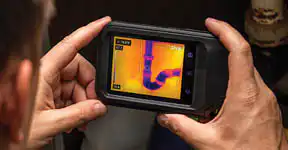
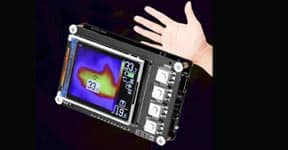
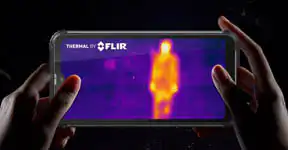
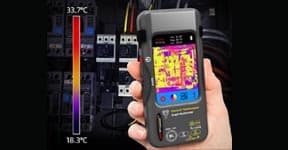
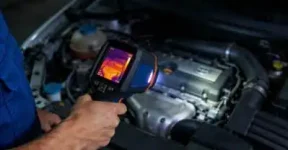
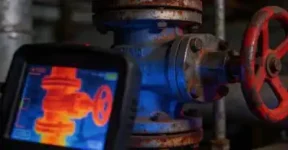
In the world of electrical maintenance, timing is everything. The smallest issue — a loose connection, a hidden overload, or an uneven temperature rise — can quickly turn into a costly or dangerous failure. Unfortunately, most of these problems stay invisible until they’ve already caused damage. That’s why Smartphone Thermal Cameras are becoming an essential tool for technicians, engineers, and even everyday users. They make invisible heat patterns visible, giving you a clear, instant understanding of what’s happening inside your electrical systems.
Let’s take a closer look at how this compact technology is changing the way we approach inspection, safety, and efficiency.
Compact Power That Fits in Your Pocket
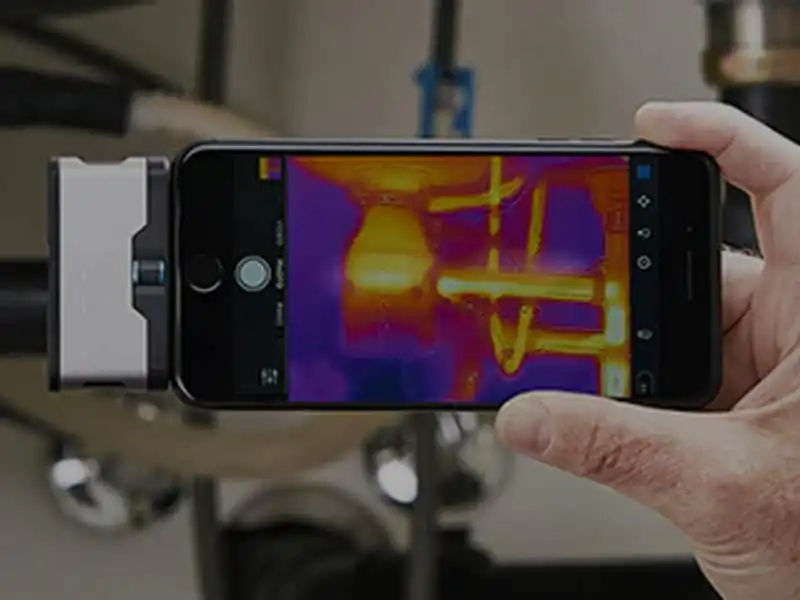
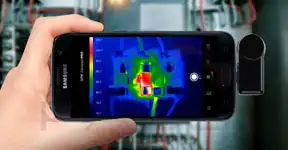
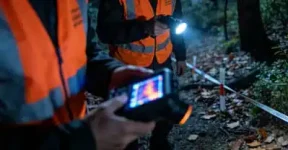
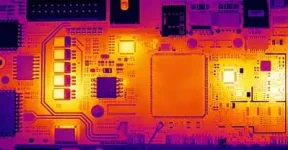
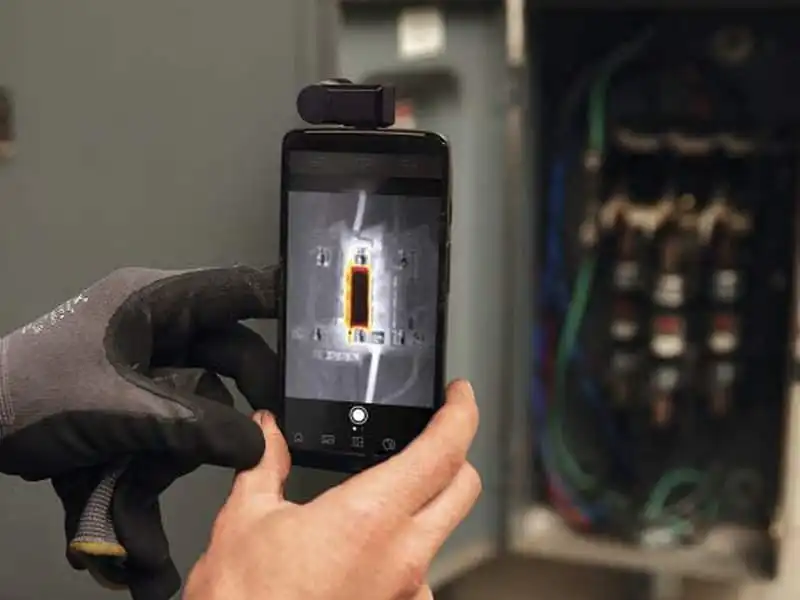
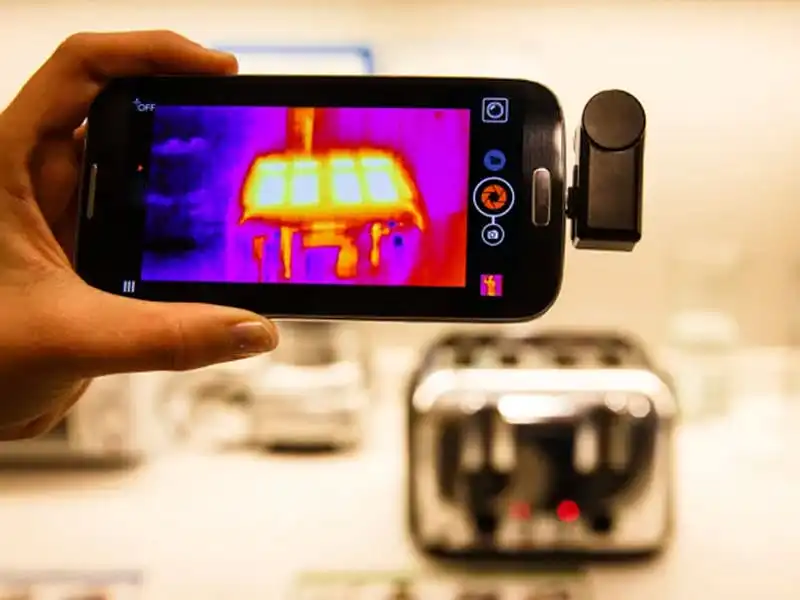
A Smartphone Thermal Camera attaches directly to your phone, instantly transforming it into a powerful infrared imaging tool. It detects subtle differences in surface temperature and displays them as vivid, color-coded thermal images — revealing hot spots, loose connections, or faulty components in seconds.
It’s lightweight, portable, and always ready to use — no setup, no bulky equipment. Whether you’re testing an outlet, scanning a breaker box, or inspecting an industrial panel, it gives you professional results with zero hassle.
Prevent Problems Before They Start
Thermal imaging isn’t just about identifying existing issues — it’s about predicting them. Regular inspections with a smartphone thermal camera let you track temperature changes over time and spot unusual heat buildup early.
For example, a circuit that runs a few degrees hotter than normal could signal a wiring issue. Catching that early can prevent system failures, save repair costs, and protect valuable equipment. In this way, thermal imaging helps shift maintenance from reactive to preventive — saving both time and money.
Safety Without Contact
Electrical work often involves risk, especially when inspecting energized systems. The advantage of thermal imaging is that it allows for non-contact diagnostics. You can detect overheating parts, loose terminals, or overloaded cables from a safe distance, reducing the need to touch or dismantle live equipment.
This approach minimizes accidents and keeps your team safer, especially in high-voltage or industrial environments. It’s a simple way to add another layer of safety to your inspection routine — without slowing down your workflow.
Smart Technology for Smart Maintenance
Since the camera connects directly to your smartphone, it takes advantage of your phone’s processing power and storage. You can capture, analyze, and share images instantly, or even generate reports on-site.
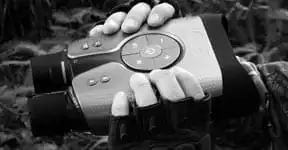
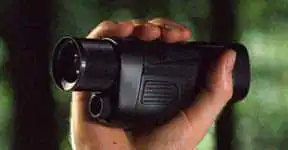
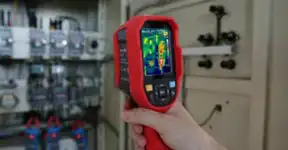
Compared with larger devices like Thermal Imager Multimeters or Handheld Thermal Imagers, smartphone-based models offer convenience and portability, especially for field technicians who need quick and reliable results.
The integration of mobile apps also means updates and improvements are just a tap away — giving users access to smarter detection algorithms and real-time temperature analytics.
A Tool for Every Industry
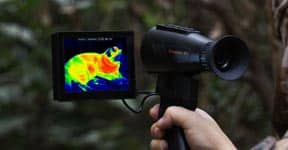
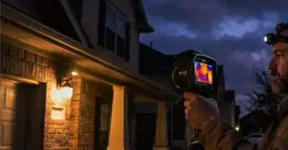
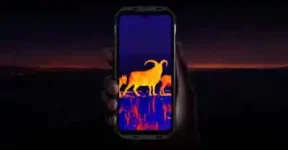
Although they’re ideal for electrical inspections, smartphone thermal cameras are versatile tools used in many fields. Building inspectors use them to locate insulation leaks or air gaps. HVAC technicians rely on them for temperature diagnostics. Even outdoor enthusiasts use them for spotting animals or identifying heat traces in low light.
The same technology that helps you check your power panel can also help optimize your home’s energy efficiency — or ensure equipment in a factory is running within safe temperature limits.
Small Device, Big Impact
The Smartphone Thermal Camera represents a new era of accessible, intelligent thermal imaging. Once limited to expensive professional devices, thermal technology is now compact, affordable, and user-friendly enough for anyone to use.
It empowers you to work safer, smarter, and faster — no matter where you are. For anyone serious about maintaining electrical systems or preventing failures before they happen, this is more than just a tool. It’s a trusted partner in every inspection