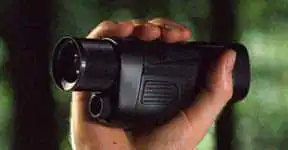
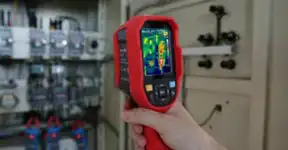
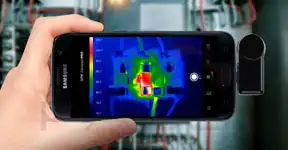
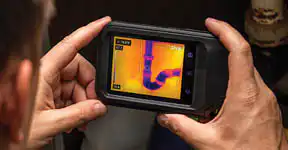
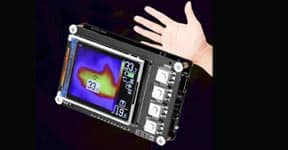
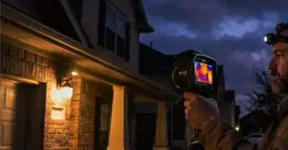
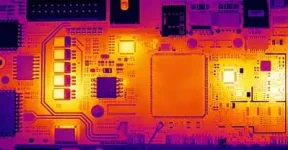
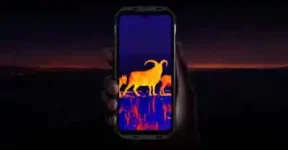
Thermal Monocular selection notes for wildlife observation and wildlife watchers.
Short answer for thermal monocular buyers
A thermal monocular is a strong fit for wildlife observation when the first job is to find heat contrast before visible details are clear. It works best as a locating tool: scan slowly, mark where the warm target is, then use normal visual confirmation and field judgment before drawing conclusions.
This buying guide is written for wildlife watchers who want practical help with finding warm targets before visible details are clear. The most important feature angle is heat detection range, but range only makes sense when native thermal resolution, lens field of view, focus, weather, vegetation, and target size are considered together.
Key takeaways
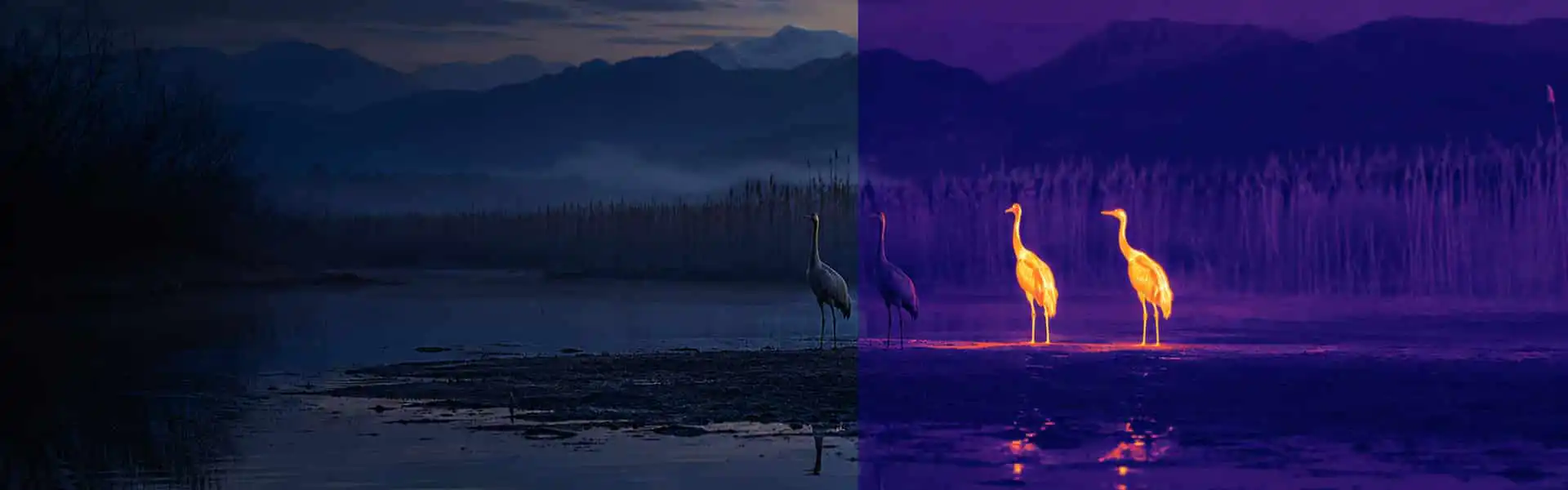
Thermal imaging is passive and can show heat contrast in darkness, but it does not show color, markings, or identity the way visible optics can.
Detection, recognition, and identification are separate promises. A warm shape can be detected farther away than it can be confidently recognized.
Native thermal resolution is not the same as display pixels, enhanced output, photo size, or video file size.
Digital zoom enlarges existing thermal samples; it should not be treated as extra optical detail.
Vegetation, fog, rain, hot ground, and low target contrast can shorten useful observation distance.
Buyer scenario: wildlife observation
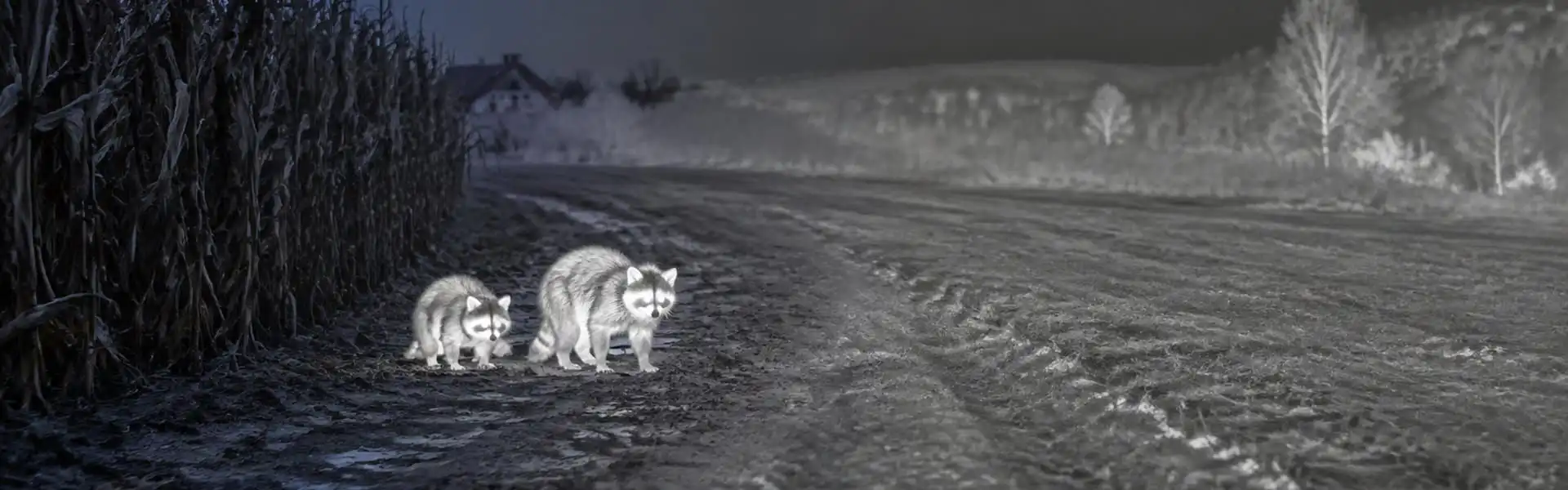
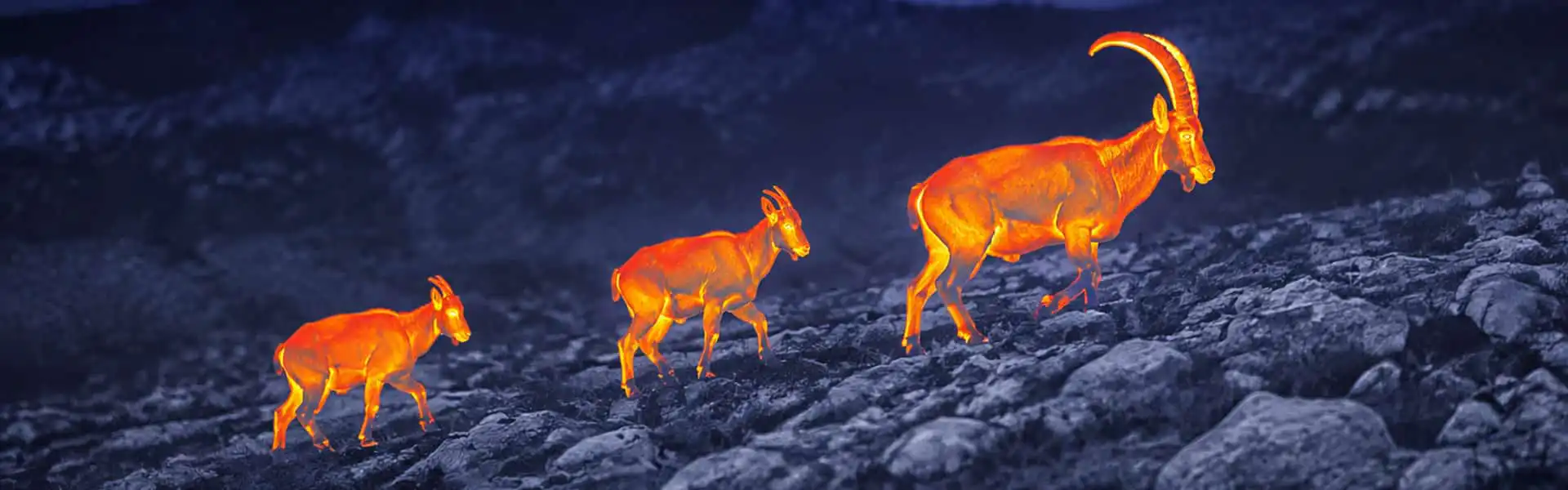
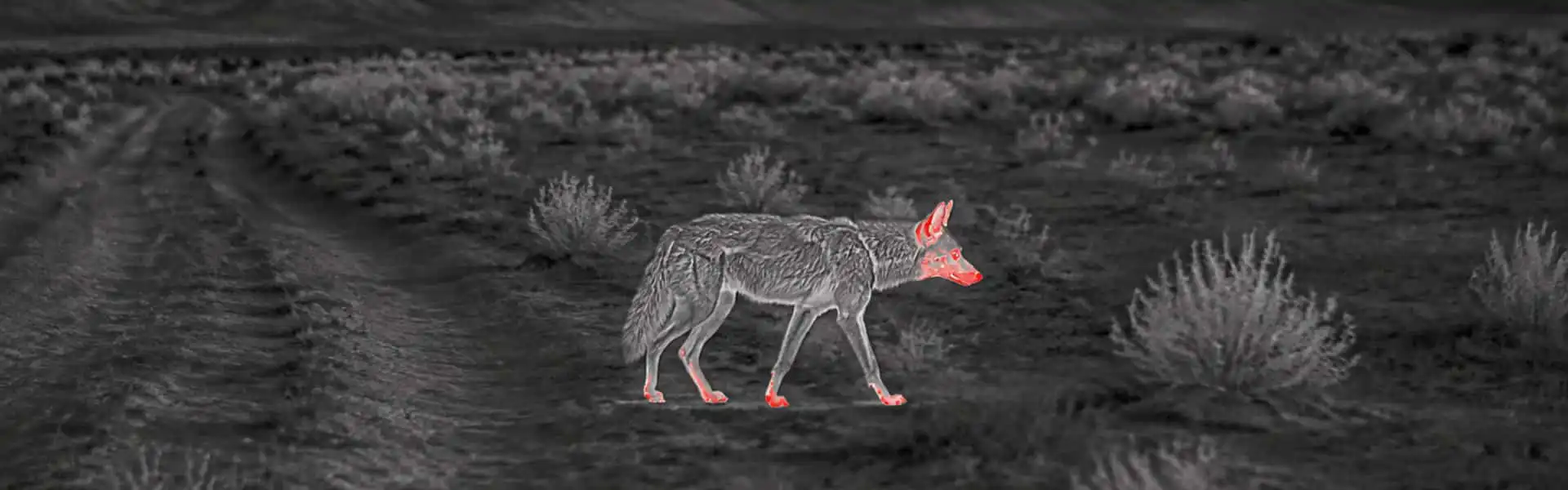
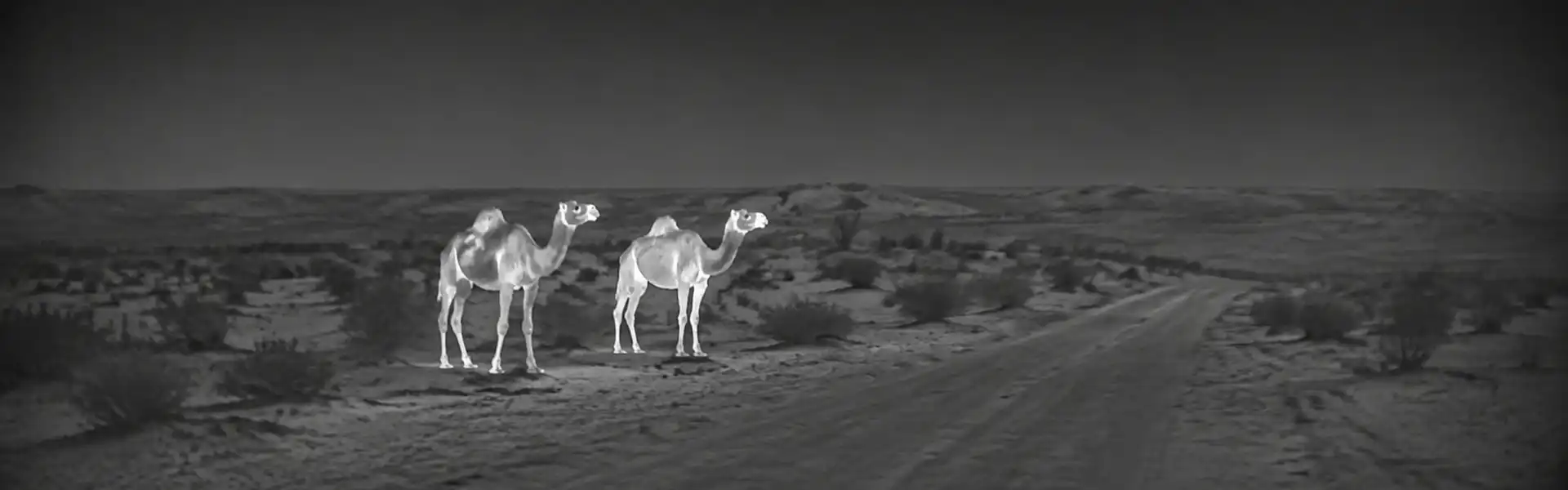
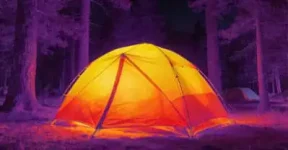
For wildlife watchers, a thermal monocular is most useful around tree lines, open fields, ranch roads, wetlands, and camp edges where the target may be partly hidden by darkness. The viewer can help locate a heat signature without shining visible light across the area, which makes it useful for lower-disturbance observation from a fixed position or slow walking route.
The practical limit is confirmation. A small animal behind brush, a bird tucked into foliage, or a warm rock after sunset can all reduce confidence. The right workflow is to use thermal imaging to find the point of interest, then confirm with distance, movement, shape, visible light when appropriate, and local safety rules.
Heat detection range explained
Heat detection range is not a single number that applies to every animal, every field, and every night. A long lens can put more pixels on a distant target, while a wider field of view usually feels faster for nearby scanning. A 256-class thermal image may be enough for close observation, while 384-class and 640-class sensors can preserve more detail when the lens and conditions support it.
Keep four resolution fields separate when reading listings: native thermal resolution, enhanced or upscaled thermal output, display resolution, and recorded photo/video size. If a listing advertises a large video file size but does not disclose the native thermal detector resolution, treat the thermal detail as unverified until the seller confirms it.
Buyer fit table
Buyer need
What to check
Why it matters
Fast wildlife scanning
Wide enough field of view and comfortable grip
A narrow view can miss nearby movement or make scanning tiring.
More distant heat targets
Native resolution, focal length, and real sample footage
Headline range claims do not prove recognition distance.
Glasses or shared use
Diopter range, eyecup, eye relief, and control layout
Comfort affects how long the viewer can be used steadily.
Recording or field sharing
Video channel, storage, Wi-Fi/app claims, and export method
Thermal, visible, and processed video should be listed separately.
Outdoor reliability
Battery condition, IP rating, operating temperature, and warranty terms
Runtime and sealing claims depend on test conditions and maintenance.
FAQ
Is there a practical buyer’s guide for a first thermal monocular?
Start with the job you need the viewer to do. A first thermal monocular should be judged by native thermal resolution, lens field of view, real viewing distance, battery comfort, and how easily you can confirm a heat target with visible observation after it is found.
Can one general-purpose monocular handle occasional farm checks and nature watching?
Yes, if the expected distances are moderate and the goal is locating heat contrast rather than confirming fine visual detail. A general-purpose model is often easier to carry, but buyers should still check the lens, native resolution, focus behavior, and weather limits.
What is the benefit of a dual-focal-length thermal monocular for switching between scanning and detail?
A wider view helps you cover ground quickly, while a tighter view can put more thermal pixels on a distant target. If a product offers two focal lengths, confirm whether both are optical paths or whether part of the effect comes from digital enlargement.
Can the eyecup fold or adjust for glasses?
Some monocular eyecups can fold or adjust, but this is model-specific. Buyers who wear glasses should confirm eye relief, diopter range, and whether the controls remain comfortable when the viewer is held in the preferred hand.
How much can tall grass hide the lower part of an animal from a thermal monocular?
Vegetation can block or break up the heat signature, especially when only a small part of the animal is exposed. Thermal imaging helps find contrast, but line of sight, grass height, weather, and background temperature still control what can be seen.
Sourcing advice for thermal monocular selection
Before ordering, ask for the native thermal resolution, lens focal length, field of view, sample video at the distances you care about, battery runtime conditions, and whether the device has automatic or manual correction. Treat unknown detector, chip, firmware, app compatibility, certification, and calibration details as unknown rather than filling them with assumptions.
The best thermal monocular for wildlife observation is the one that fits your real distance, terrain, target size, and confirmation workflow. Choose the viewer around the observation task first, then compare price, accessories, and after-sales support.
Compare thermal goggles for open field scanning, buyer fit, refresh rate and motion smoothness, practical limits, and sourcing checks for rural property buyers.
Compare thermal monocular hunting for night nature recording, buyer fit, recording and wireless sharing, practical limits, and sourcing checks for nature...