Thermal Night Vision

Explore thermal night vision for outdoor observation, dual-mode scene records and practical surface checks. Choose the viewing format that fits your task.

Heat Contrast. A Different View.

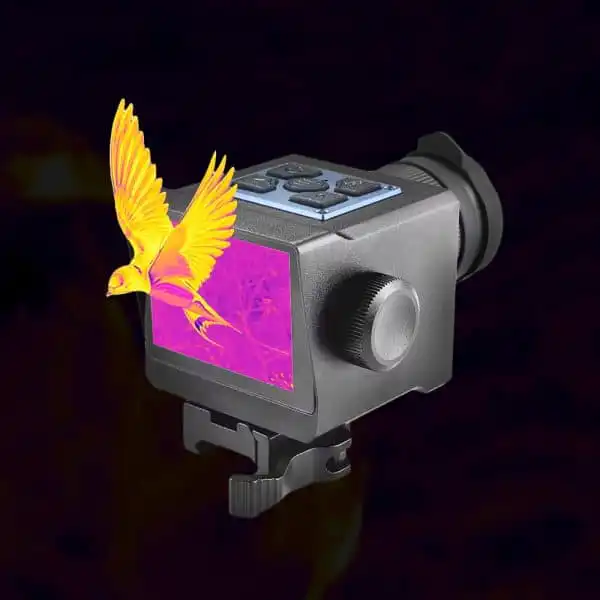
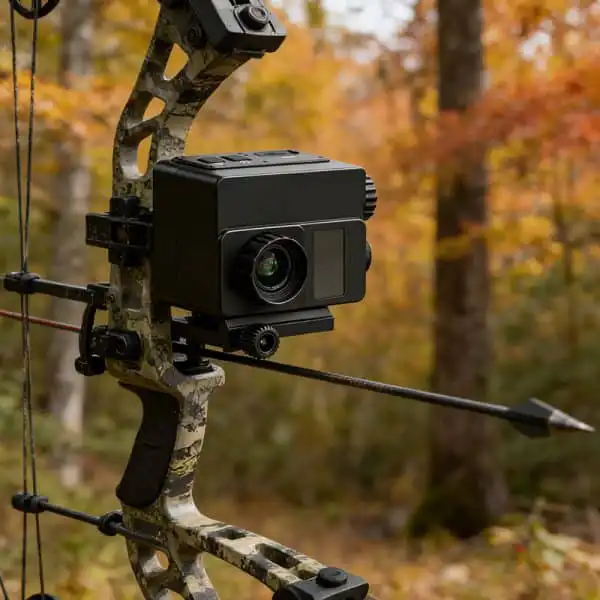
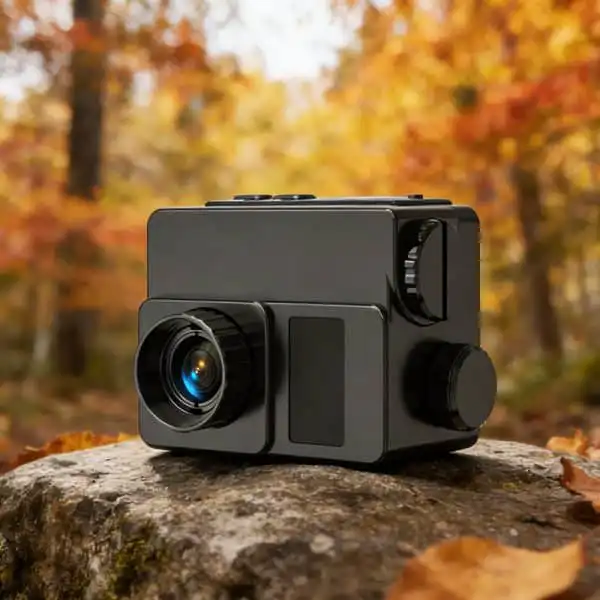
Thermal night vision makes heat patterns visible without relying on visible light. This collection brings together compact thermal viewers, dual-mode cameras and a pocket thermal camera for surface inspection. Compare native thermal resolution, field of view, viewing format and battery options around your usual task. For dual-mode models, check the visible-light and thermal specifications separately. For temperature checks, choose a model that lists measurement functions and accuracy. Features, recording support and weather ratings vary by product.

Filter Products

Thermal Night Vision Reviews & Buying Notes

Editorial buying notes based on listed specifications; not customer testimonials or hands-on test results.
OUTDOOR & DUAL-MODE VIEWING

See Heat. Keep the Scene in Context.

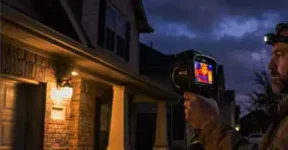
A thermal view can reveal exposed heat patterns after sunset. A separate visible-light channel adds recognizable scene detail when suitable light is available. Compare both channels before choosing a dual-mode camera for your outdoor records.
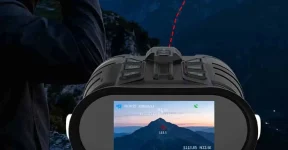
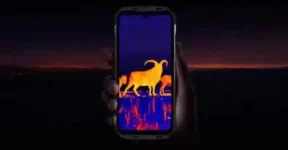
An observer using a thermal viewer whose screen shows two warm geese on a cooler riverbank at dusk
POCKET THERMAL INSPECTION

Bring Heat Patterns to the Workbench

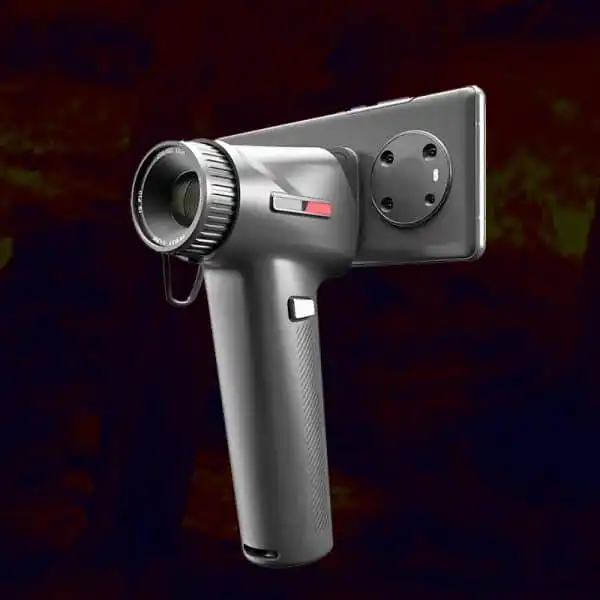
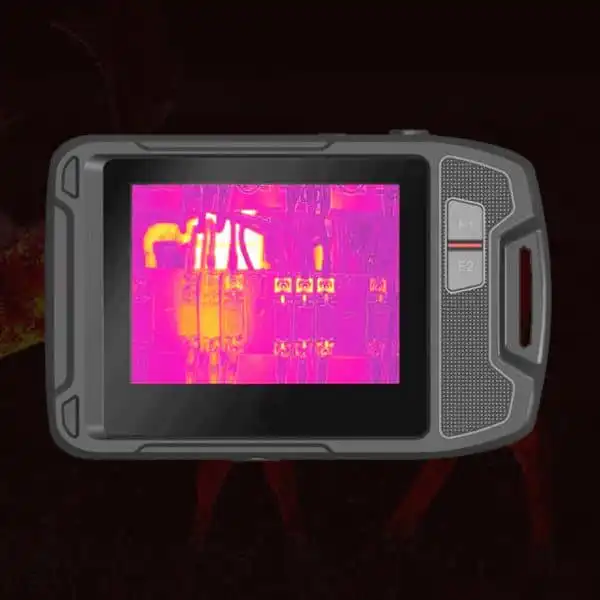
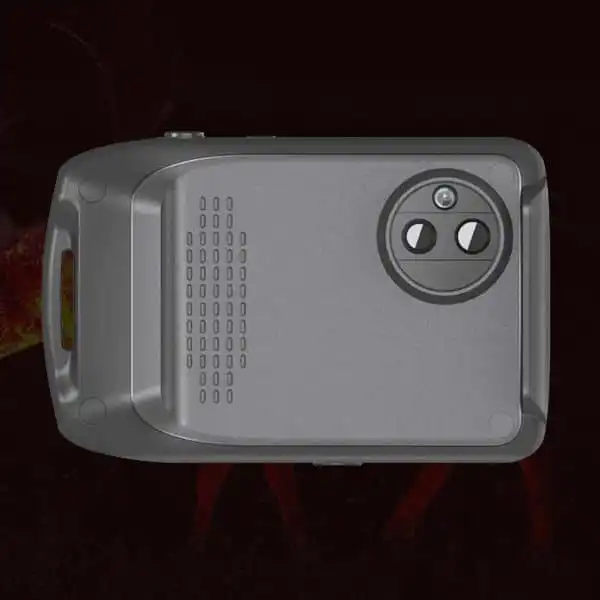
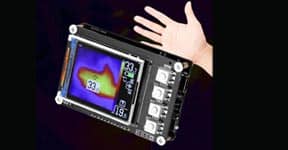
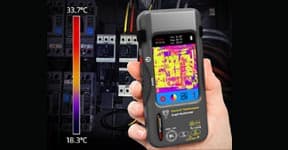
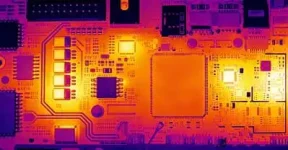
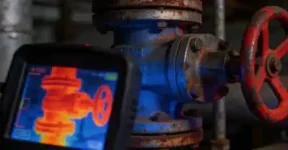
For accessible surface checks, choose a camera with stated temperature measurement functions. The pocket model in this collection lists a -20°C to 400°C range. Check its accuracy, settings and working distance for the job.
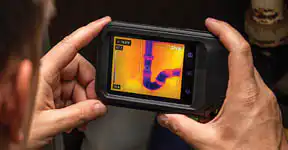
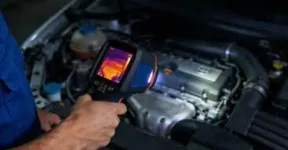
A technician using a pocket thermal camera to compare the exposed casing of a stopped workshop motor

Thermal Night Vision Technology & Features

Thermal night vision detects emitted infrared radiation and turns heat differences into an image. Its thermal channel can work without visible light. Conventional digital night vision uses available light or infrared illumination instead.

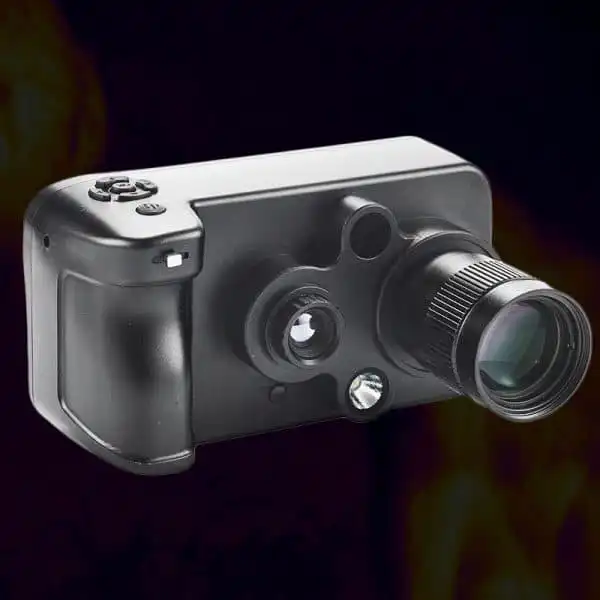
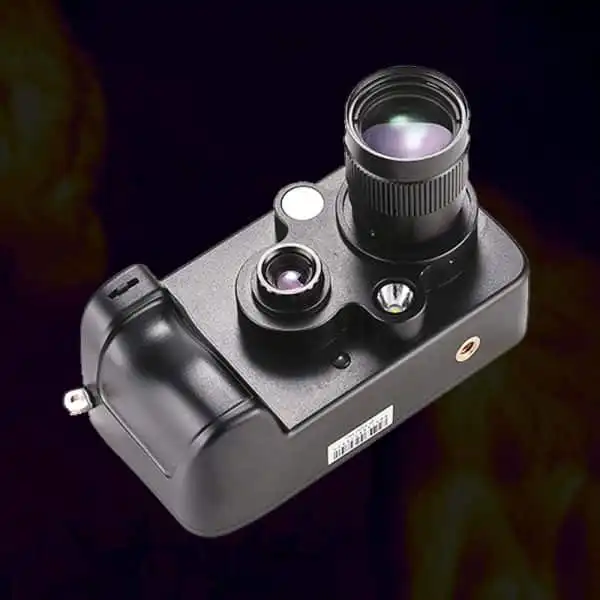
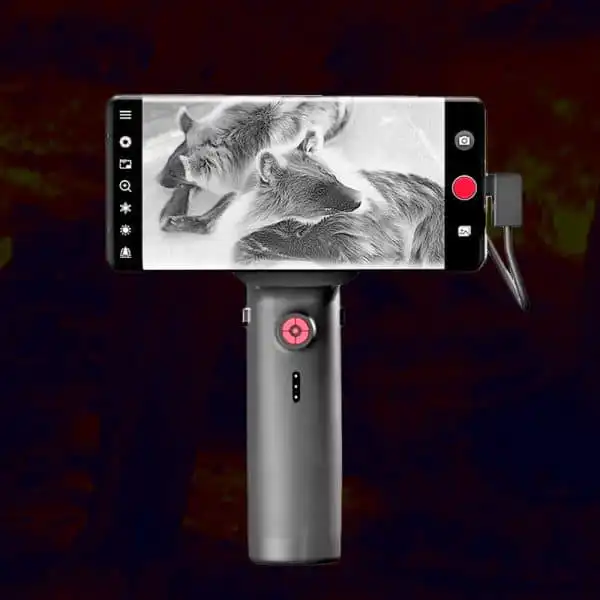
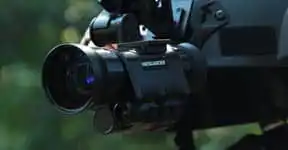
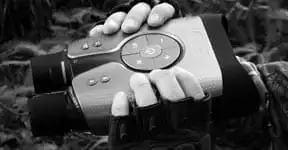
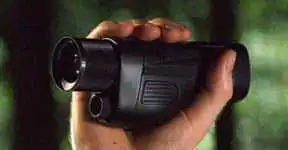
This collection includes different formats: compact thermal viewers for observation, dual-mode cameras for thermal and visible scene records, and a pocket camera for surface temperature checks. Choose by task before comparing features.

  • Thermal detail: compare native sensor resolution, sensitivity and field of view.
  • Dual-mode records: check each imaging channel and its supported recording formats.
  • Temperature checks: look for a stated measurement range, accuracy and settings.
  • Field use: compare controls, charging, storage and the exact weather rating.

Walls and ordinary glass block thermal views of objects behind them. Fog, rain and weak heat contrast can also reduce useful detail.

Why Choose Thermal Night Vision for Your Task?

Start with what you need to learn from the image. For exposed wildlife or a visible property approach, compare thermal observation models. For recognizable scene records, compare dual-mode cameras. For temperature readings, choose a model with specified measurement functions.

The current collection includes 256×192 observation devices and a 120×90 pocket measuring camera. The AI optic uses a 256×192 native detector with 384×288 enhanced output; enhanced resolution is a separate specification.

Ask about the exact version and accessories, then review delivery information, warranty coverage and return terms.
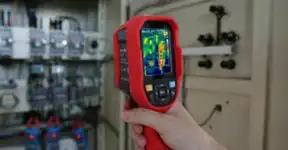
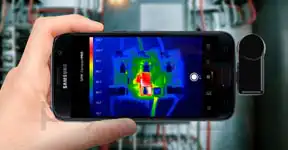
Screen-based thermal viewers and an inspection camera arranged on a fieldwork preparation table

Benefits of Thermal Night Vision

Compare practical specifications for your viewing needs
  • Observe after sunset: notice exposed heat sources without relying on visible light.
  • Keep useful context: select dual-mode imaging when both thermal contrast and visible scene records matter.
  • Check surfaces: use a measuring model for building or workshop temperature comparisons.
  • Choose a practical format: compare eyepiece viewing, built-in screens, size and controls.

These capabilities vary by product. An observation camera is not automatically a calibrated measuring tool, and a compact inspection camera is not automatically a long-distance wildlife viewer. Match the lens, range and features to the task.

How to Choose Thermal Night Vision

Compare practical specifications for your viewing needs

Practical Uses for Thermal Night Vision

Match each scene to the right imaging and measurement features

Thermal Night Vision for Work & Adventure

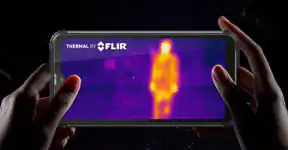
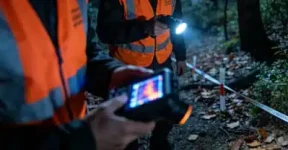
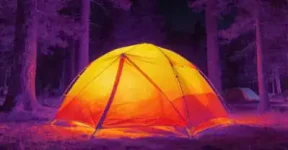
Illustrative thermal views. Features and suitability vary by model.

Need Help?

Choosing between thermal observation, dual-mode recording and surface measurement? Tell us your task, viewing distance and required features before ordering.

Thermal Night Vision: Frequently Asked Questions

FREQUENTLY ASKED QUESTIONS
What is thermal night vision?

Thermal night vision uses emitted infrared radiation to show heat differences. Its thermal channel does not need visible light. This collection includes observation viewers, dual-mode cameras and a pocket measuring camera, so compare the format and functions of the exact model.

How does thermal imaging differ from digital night vision?

Thermal imaging shows heat contrast. Digital night vision records reflected visible or near-infrared light and may use an IR illuminator. A dual-mode device includes separate imaging channels; its thermal and visible-light specifications should be checked separately.

Which product format should I choose?

Choose a compact thermal viewer for stationary observation, a dual-mode camera when scene records matter, or a measuring camera for temperature checks. Compare lens, screen or eyepiece, controls and battery options around your usual task.

Does 4K mean the thermal detector is 4K?

No. On the 2-in-1 camera in this collection, 4K describes the visible-light recording channel. Its native thermal detector is 256×192. Display pixels and recorded video resolution are separate from native thermal sensor resolution.

Is the AI model a native 384×288 thermal camera?

The listing specifies a 256×192 native detector with AI-enhanced output of 384×288. Compare its native detector with other native sensor specifications. Enhanced output can change image presentation but does not turn the detector into a native 384×288 sensor.

Can every thermal night vision device measure temperature?

No. Some models are designed for observation rather than calibrated readings. The pocket camera in this collection lists a -20°C to 400°C measurement range and stated accuracy. Check measurement functions, settings and working conditions before using a model for temperature comparisons.

Can thermal imaging see through windows or walls?

No. Ordinary glass and walls prevent a thermal view of objects behind them. For a window inspection, a thermal camera can compare the accessible frame or glass surface; it does not show a thermal image of the outdoor scene through the pane.

How far can I identify an animal or person?

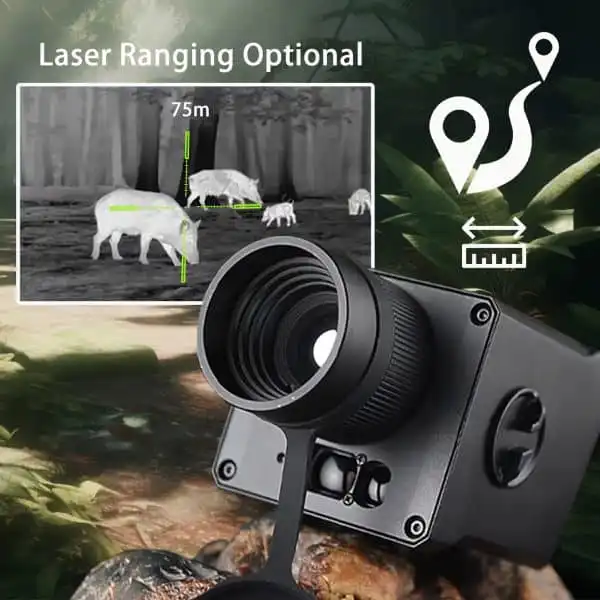
There is no single identification distance for this collection. Useful detail depends on the lens, detector, target size, heat contrast and conditions. A maximum detection figure means noticing a heat source, while a laser rangefinder figure describes distance measurement.

Do fog and rain affect thermal night vision?

Yes. Moisture and weak temperature contrast can reduce detail and useful viewing distance. The enclosure IP rating describes protection under specified tests; it does not guarantee the same imaging performance in every weather condition.

Can I record photos, video or connect a phone?

Recording, memory and phone connectivity vary by model. Check which imaging channel records, supported formats, storage capacity and app compatibility. Features listed on one dual-mode camera should not be assumed for every product in this category.

Can these devices replace ordinary lighting while I walk?

Use a thermal viewer from a steady position to observe the scene. A small screen or eyepiece has a limited field of view and does not replace normal lighting or full awareness of the ground around you. Follow the selected device manual.

What should I confirm before ordering?

Confirm the exact model, native detector, intended task, included batteries, charger, cables, storage and any app requirements. Review the product listing, delivery availability, warranty terms and return eligibility. Contact us if a specification or accessory is unclear.

Why Buy From Us?

Choose thermal night vision around the scene you need to observe and the information you need to record. Our product pages list the available versions, imaging specifications and included accessories.

Compare the exact configuration: thermal pixels, visible-light recording, ranging and temperature measurement describe different capabilities. Check each one on the selected model.

Plan your purchase: review delivery availability, payment choices, warranty coverage and return eligibility before checkout. Contact our team when a specification or term needs clarification.

Thermal Night Vision Guides & Advice

Explore thermal and visible imaging, compare practical features and prepare for your next viewing session.