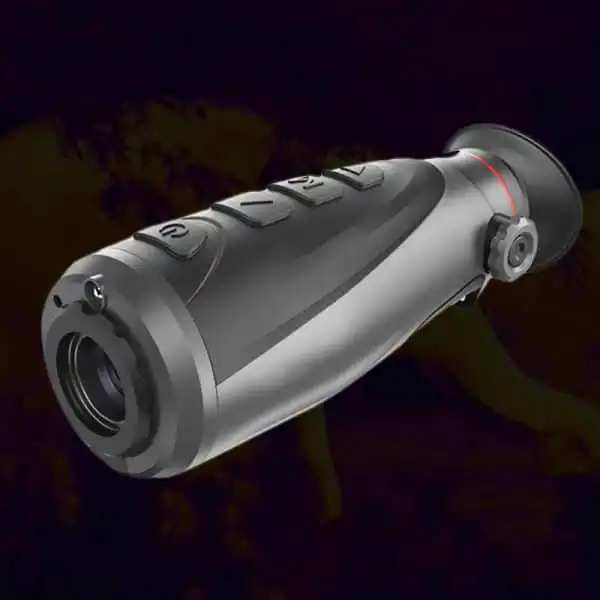
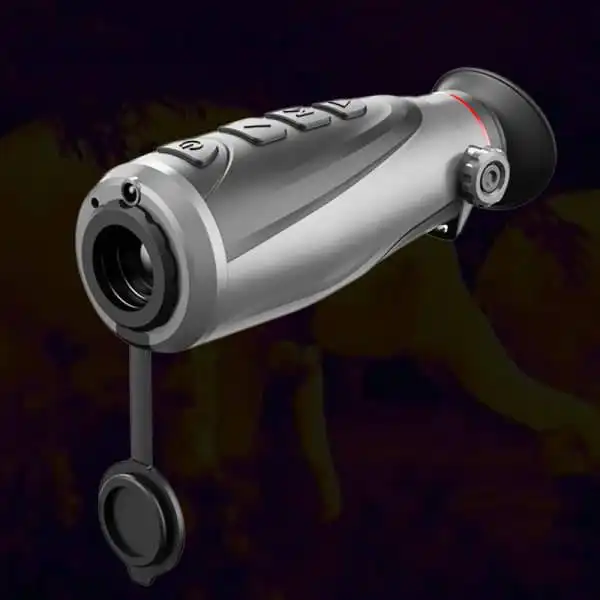
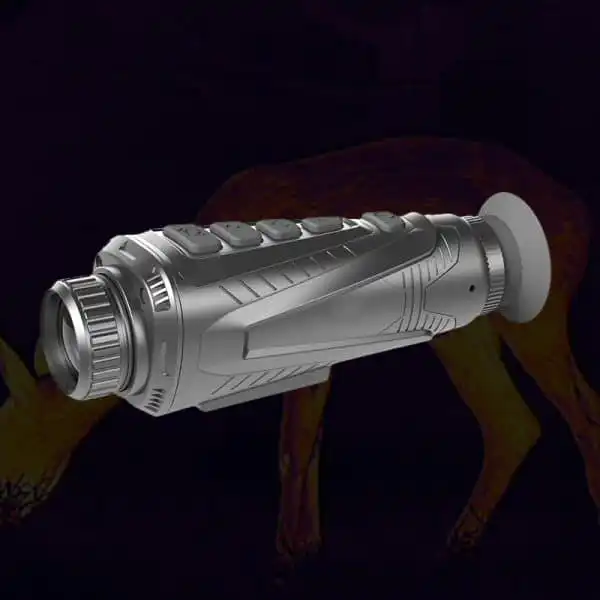
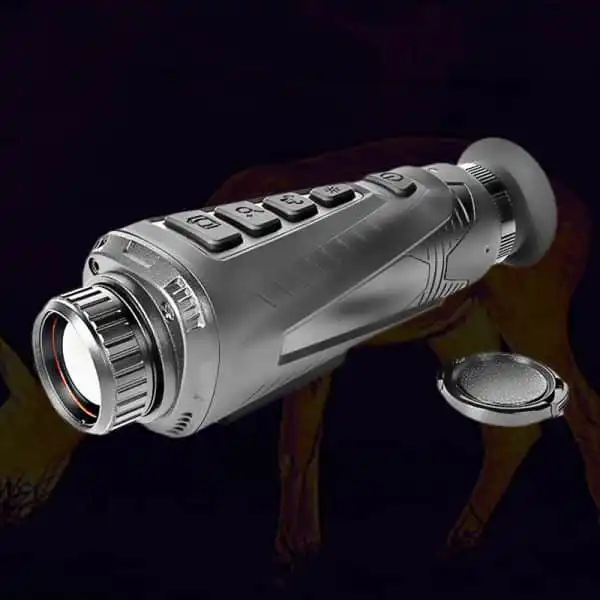
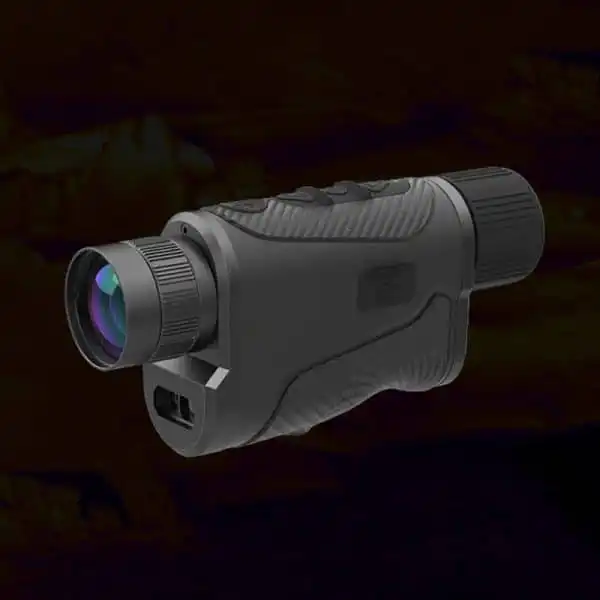
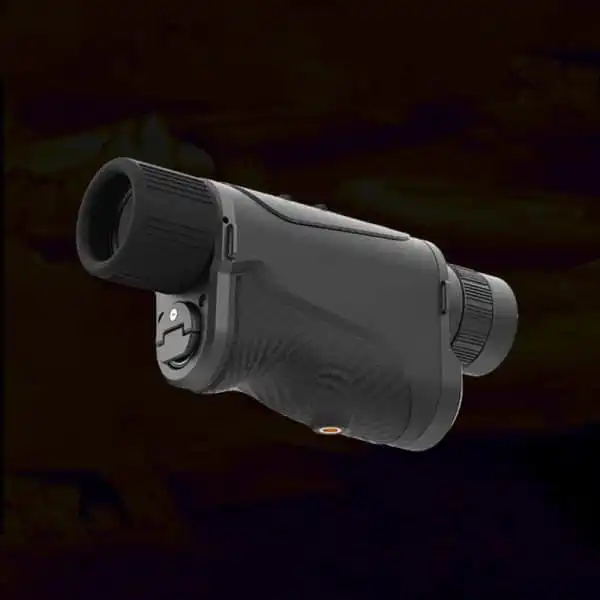
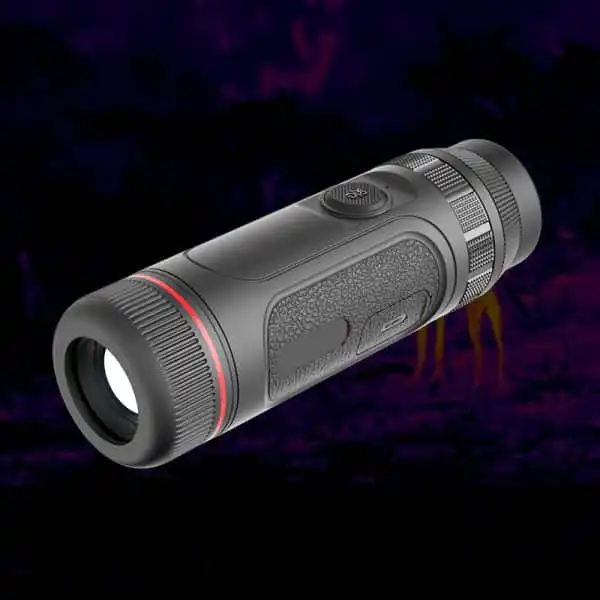
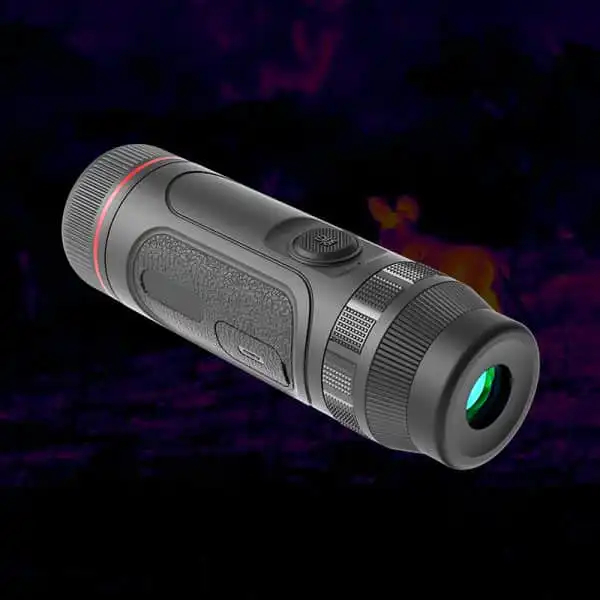
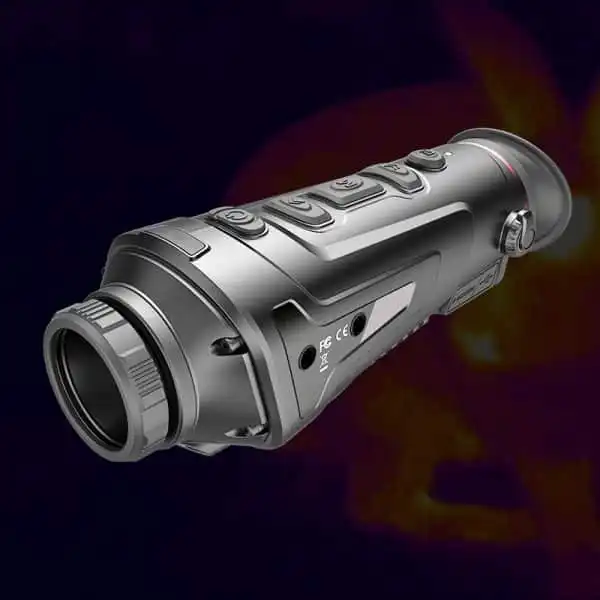
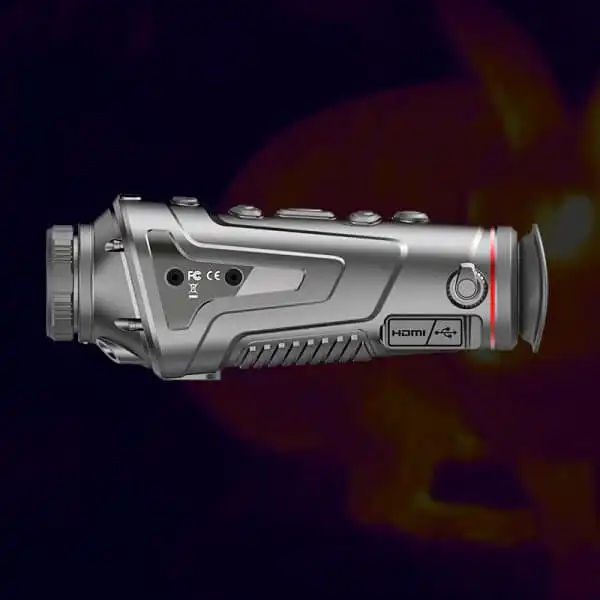
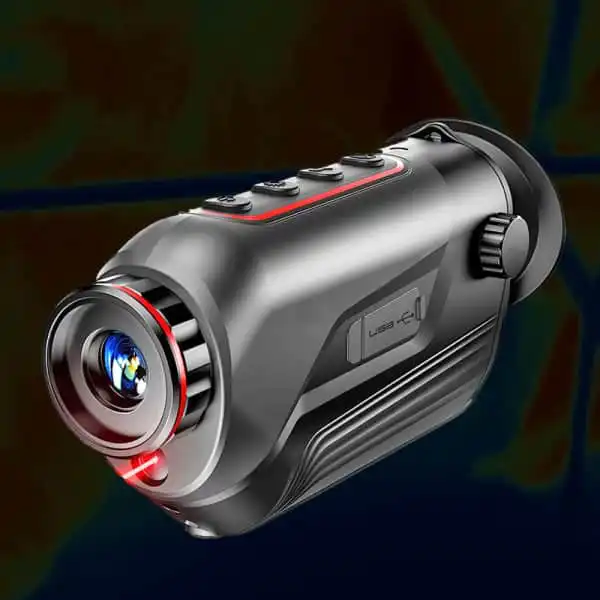
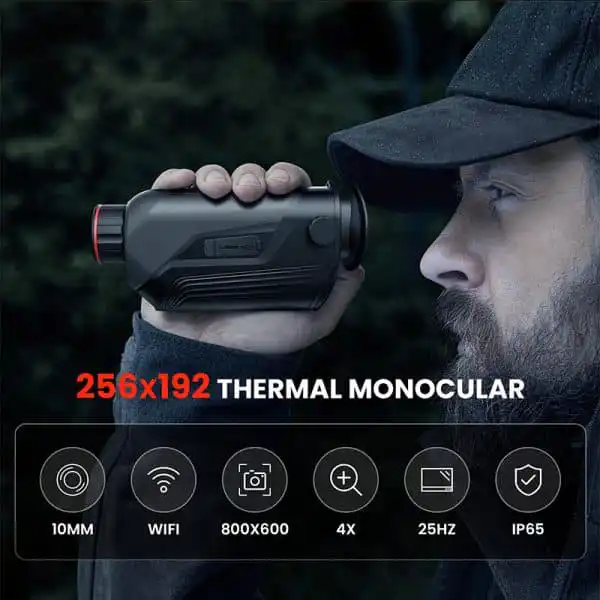
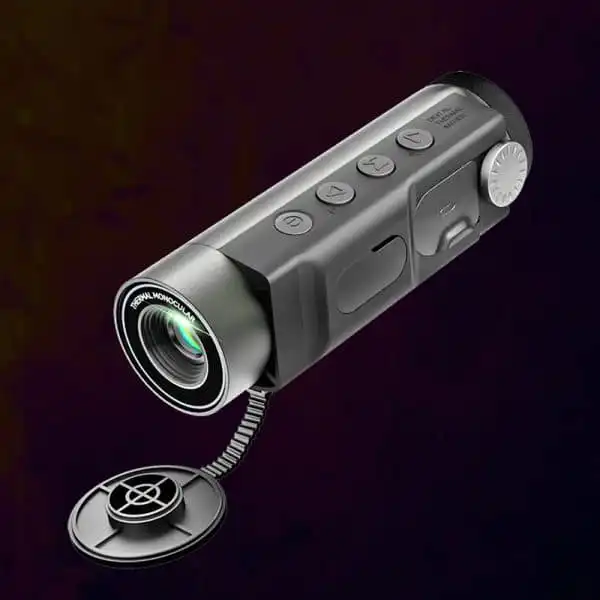
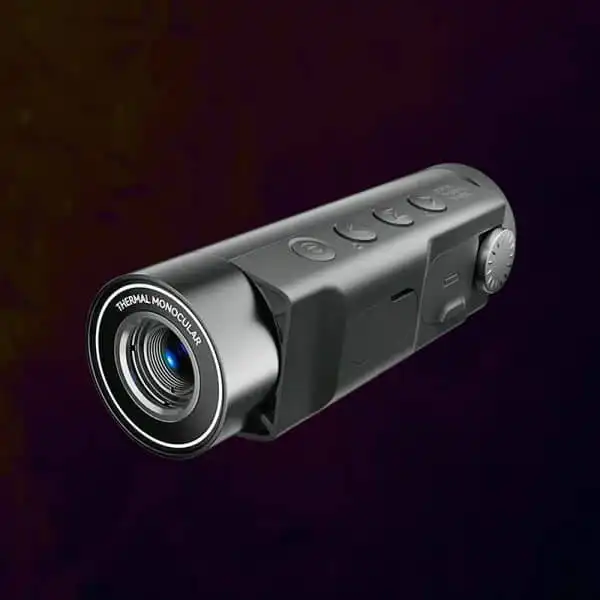
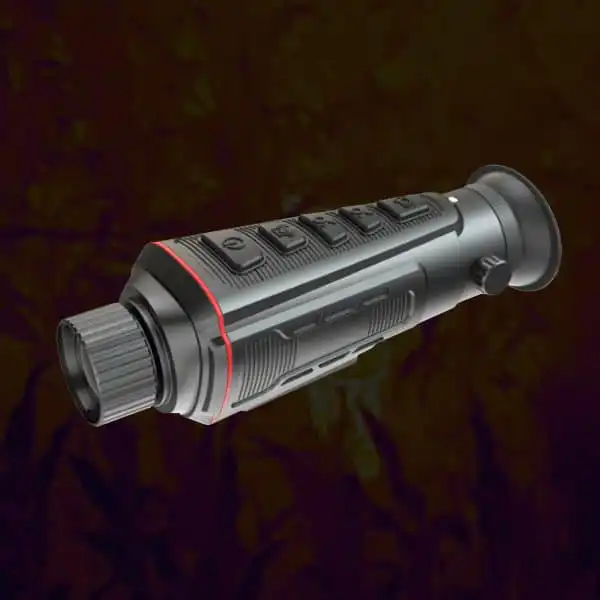
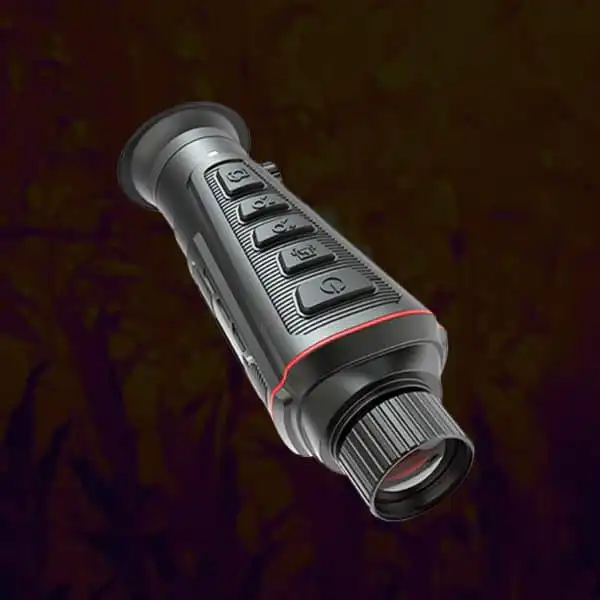
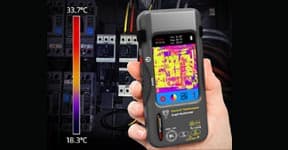
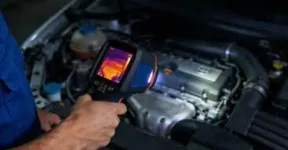
Infrared thermal binoculars need separate cold-weather checks for operation, charging and storage. A temperature allowed for viewing does not automatically permit charging at that temperature. Follow the approved battery and device instructions, plan a normal finishing reserve and avoid improvised heating or unsupported power arrangements. A cold-weather runtime estimate is conditional, not a guarantee.
Infrared Thermal Binoculars Have More Than One Temperature Limit
A listing may show one operating range while saying little about the battery charger or storage conditions. Buyers can mistakenly apply that single range to every stage of ownership. Request the actual manual sections and identify which component each limit concerns. An accessory battery can have instructions distinct from the viewer housing.
Use evening power planning and binocular ownership questions to create a three-line specification record. Keep operation, charging and storage separate even when a seller presents them together. Do not invent numerical limits from battery chemistry or another product. If a required limit is undisclosed, ask for it before arranging a cold outdoor session.
Build the Reserve Around the Intended Schedule
Cold conditions can change battery behavior, but the amount depends on the specific pack, load and conditions. battery operating terminology supports asking for a conditional test, not calculating a guaranteed runtime from capacity alone. Record brightness, active channels, recording and the observation pattern when comparing sessions.
Review long-session preparation and stationary binocular priorities. Allow time to stop normally, close files and pack away before the reserve is exhausted. separate system specification fields should include nominal energy and approved supply information where provided. Do not equate identical mAh labels at different voltages with identical stored energy, and do not assume a dual-battery system changes packs without interruption.
| Check | What to record | Decision |
|---|
| Operation | Viewer and battery operating limits for the exact supplied configuration | Use the stated conditions rather than borrowing another model range. |
| Charging | Permitted battery charging temperature and charger instructions as a separate entry | Do not infer charging permission from the viewing range. |
| Storage transition | Approved moisture, packing and indoor-return guidance | Avoid forced heat, wet connectors and improvised drying treatments. |
| Field reserve | Actual settings, session pattern and a normal stop before shutdown | Treat cold-weather runtime as a conditional observation, not a guarantee. |
Treat the Indoor Return as a Different Stage
A cold viewer returned to a warmer environment needs the manufacturer’s transition and moisture guidance. Do not connect a damp port or begin charging merely because the device now feels warmer on the outside. Follow the instructions for the complete system and battery, including any required waiting or drying conditions.
Use equipment storage habits and moisture-related observation boundaries to prepare the return routine. coating-sensitive optical care does not authorize forced drying with a heater, hot air or an improvised chemical treatment. Keep the approved cap and case ready without assuming every case is suitable for trapping a wet instrument. A documented transition routine is more useful than a general all-weather label.
Ask the Seller to Demonstrate Ordinary Recovery
If a low-power warning appears, the observer needs to know how to close the recording and end the session normally. Ask what the manual says about a supported replacement pack or external supply. Never test an undocumented battery swap during an important recording simply to see whether it survives.
Compare supplier power questions, stationary equipment setup, farm-viewing needs, complete kit value and task-specific purchasing. Keep any cold-session result attached to its actual conditions. Choose a manageable reserve and clear limits rather than an unsupported promise of full-night operation. Battery care should remain within approved instructions, not become a do-it-yourself warming or sealed-pack repair project.
A written winter checklist should identify the end of the viewing stage and the start of the charging stage explicitly. Equipment can be ready to pack away while not yet meeting its charging conditions. Keeping those transitions separate prevents an operating-temperature claim from silently becoming an instruction to connect power immediately after returning indoors.
Request operating, charging and storage instructions separately. Plan the session and its return around those documented boundaries.