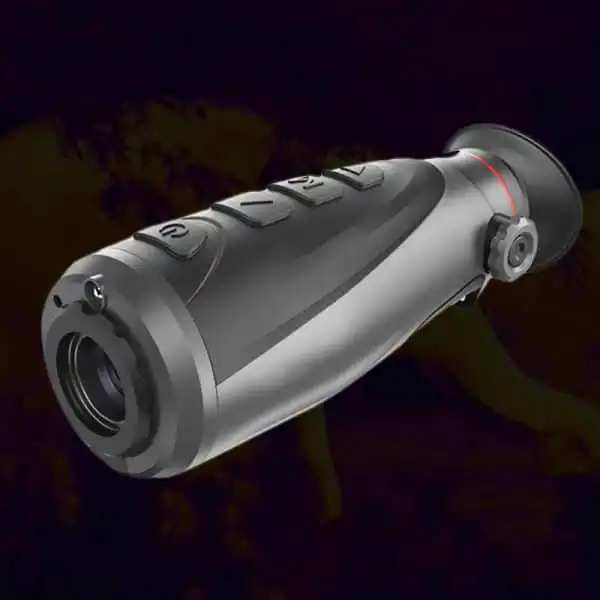
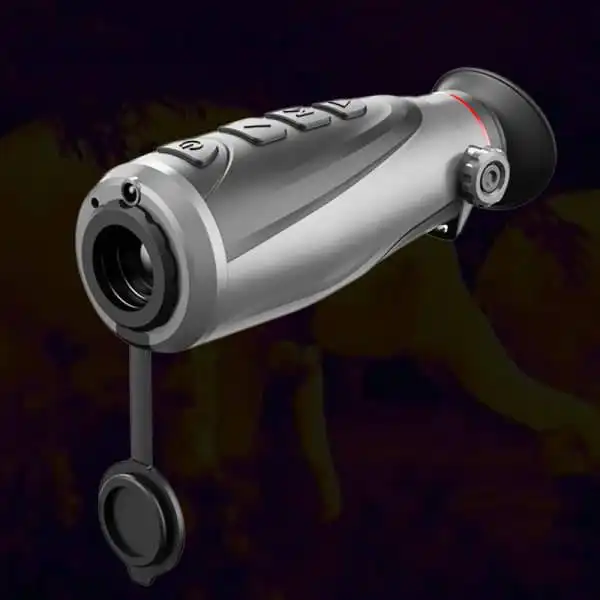
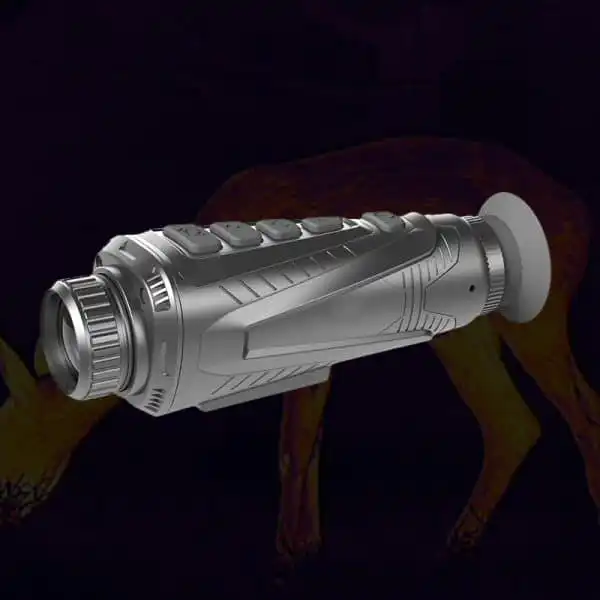
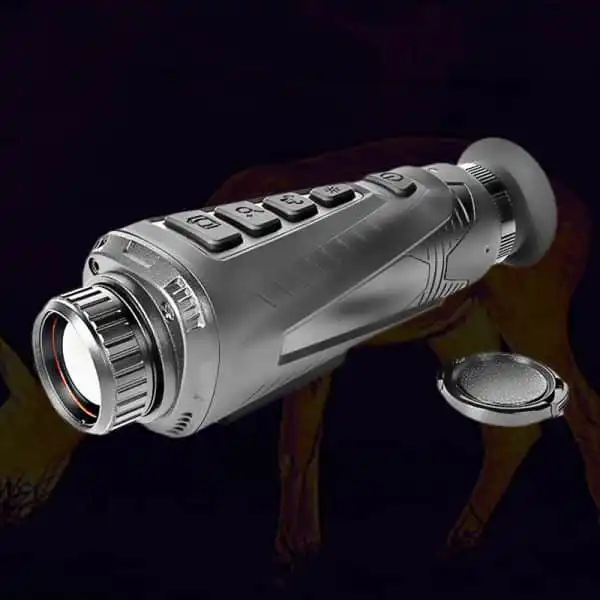
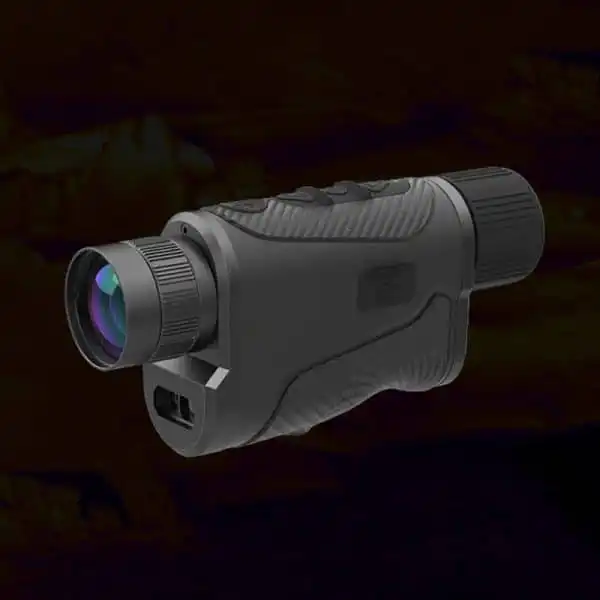
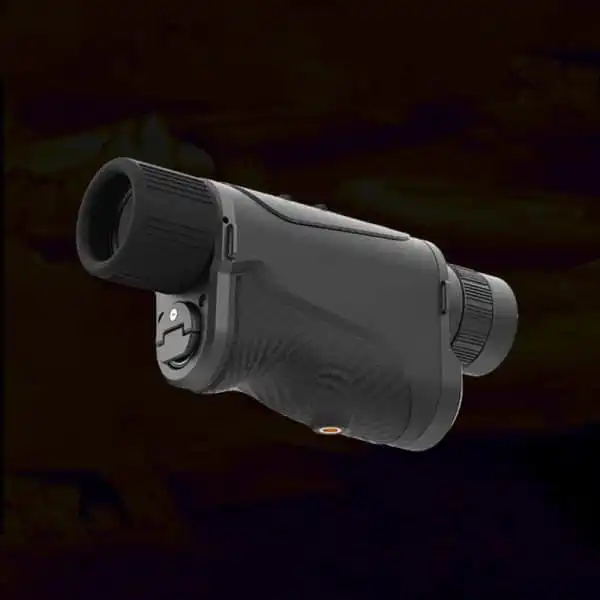
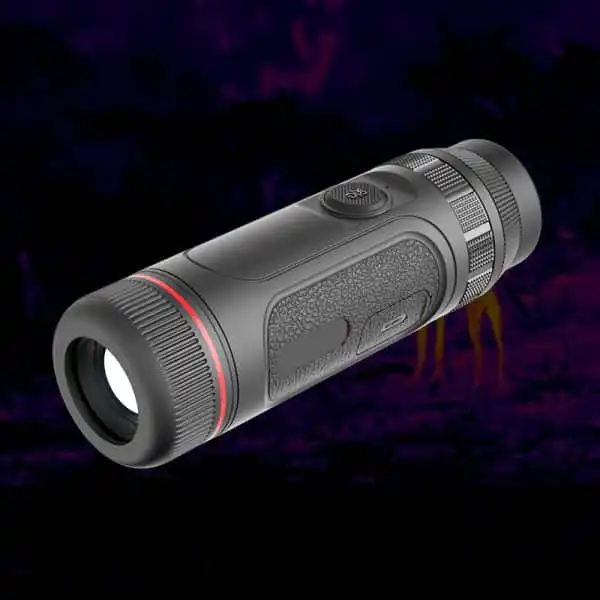
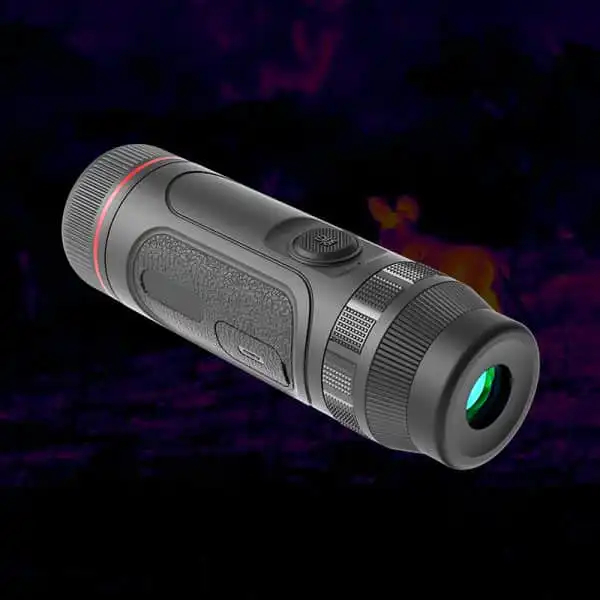
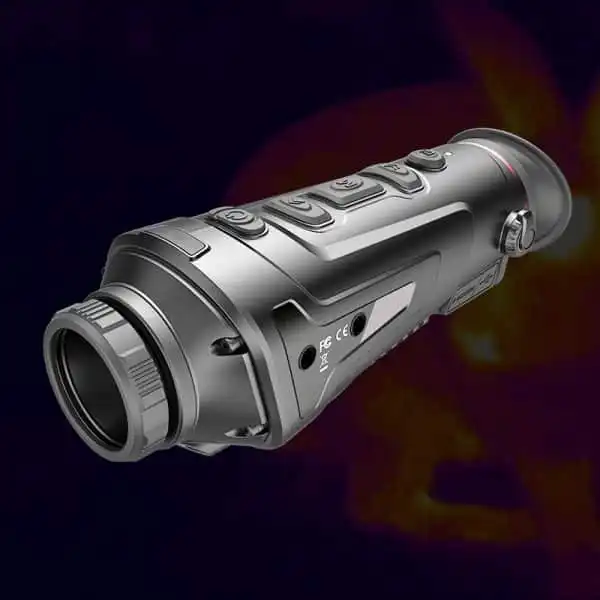
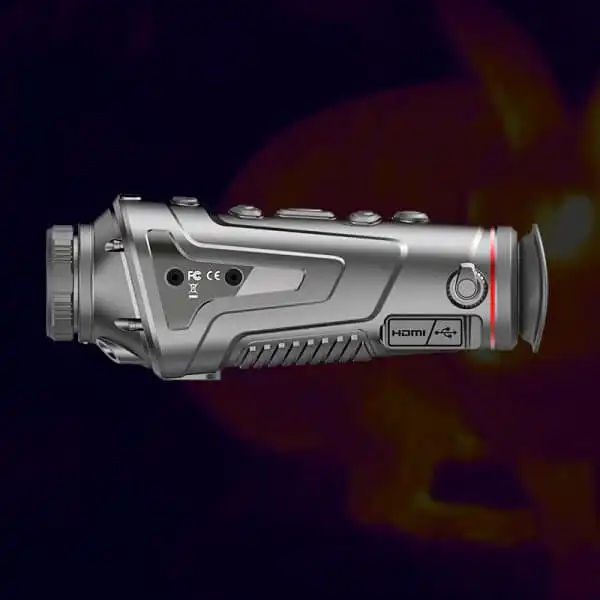
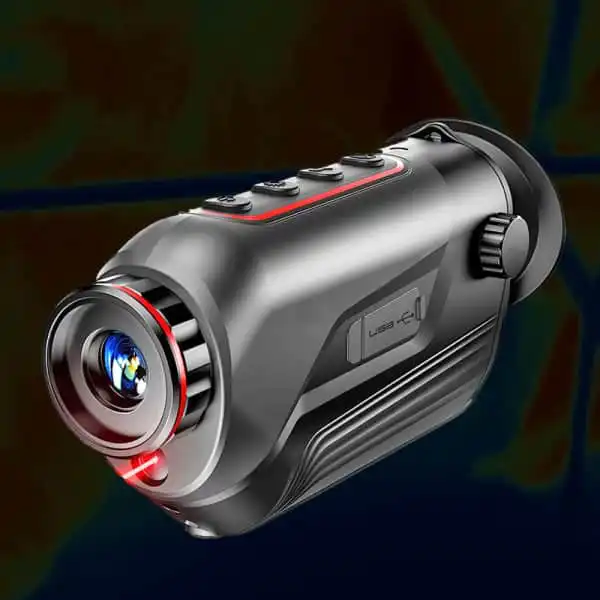
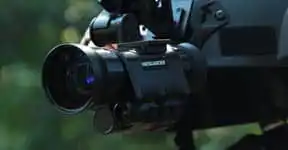
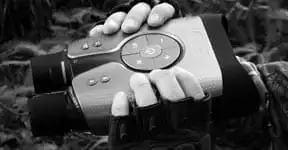
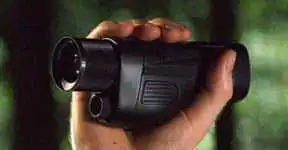
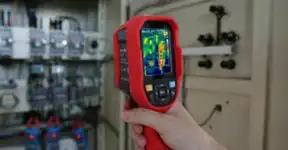
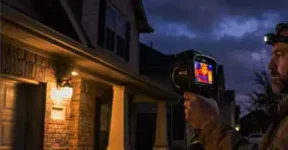
Best thermal night vision goggles for bat activity should be judged by what they can record under the intended conditions and by the observations they can miss. Small fast subjects, weak contrast and obstructions can leave incomplete records. A thermal activity clip is not a complete population count, a guaranteed detection method or a species determination.
Best Thermal Night Vision Goggles Cannot Make Absence Certain
No visible crossing during a short watch can mean no activity was observed, not that no bats were present. Subjects may pass outside the frame, remain behind cover or provide insufficient contrast. A purchase comparison becomes more useful when it records those possibilities instead of scoring only the most impressive successful clip.
Use bat activity recording guidance and observation coverage limitations to define the session. Choose an authorized stationary location that does not disturb a roost or flight path. Keep the intended observation modest: exposed activity within a defined area and period. Do not turn a quiet video into a claim about the entire surrounding habitat or the success of a conservation survey.
Separate a Visible Crossing From a Usable Record
A subject noticed briefly in the eyepiece may be difficult to find in the exported file. The saved field, processing and frame sequence can differ from the operator’s impression. movement-sample interpretation and original footage export checks belong in the demonstration request, with the exact recording mode identified.
Ask for sensor acquisition terminology and original files rather than a montage. Avoid calculating a universal minimum frame rate for all bat observation from a single clip. The needed evidence depends on apparent target size, movement across the frame and the intended interpretation. A larger displayed patch created by zoom is not proof of additional captured body detail or a reliable species feature.
A reviewer can use three event labels: supported crossing, uncertain movement and unobserved interval. Agree their meanings before counting anything. Keeping these categories separate is more informative than forcing every frame into activity or no activity. The resulting log remains limited to the visible area and cannot establish an absolute detection probability for the device.
| Check | What to record | Decision |
|---|
| Nothing visible | Watch duration, frame boundary and obstructions remain documented | Report no observed activity rather than declaring absence. |
| Brief patch | Original sequence and whether the subject is distinguishable from noise or background | Keep uncertain crossings separate from supported events. |
| Overlap | Number of separable paths and any concealed interval | Avoid turning an ambiguous cluster into a precise individual count. |
| Recording gap | Cause if known and the affected interval, without inventing unseen events | Compare equipment by how clearly it preserves evidence and its limits. |
Keep an Uncertainty Column in the Activity Log
Record the watch interval, view boundary, visible obstruction and any interruption. A suspected crossing may deserve its own uncertain category rather than being forced into the count. If two patches overlap, avoid assuming how many individuals they represent. interrupted recording notes helps distinguish missing video from a genuinely uneventful interval.
Refer to native and output specification distinctions and image contrast fundamentals when explaining a difficult sequence. Those concepts do not provide a numerical correction for missed animals. Keep field context and original footage together, and use ordinary species evidence where available. The honest result may be presence-related activity within a restricted scene, not a quantified estimate of everything that passed nearby.
Compare the Evidence Collection Routine
A useful trial checks whether the observer can start recording, verify that it continues, regain the original frame and close a file normally. Test the ordinary controls without staging or attracting animals. Include the setup and pack-away effort, because cumbersome operation can create additional unrecorded intervals.
Use supported stationary setups, extended observation planning, supplier recording questions, goggle buying checks and responsible task matching. Compare the clarity of limitations as well as the successful sample. Choose equipment that supports a disciplined activity note and acknowledges missing evidence. More confident advertising is not a remedy for an undefined observation area or an unrecorded pause.
Select a viewer and recording routine that make both events and gaps understandable. A clearly bounded activity record is more credible than an unsupported complete count.