Best Thermal Goggles Need a Coastal Use Boundary
A calm shore watch can expose equipment to spray, salt residue and damp packing even when nobody intends to immerse it. A sheltered stationary platform and an exposed deck are not equivalent conditions. Describe the real location to the supplier and ask whether that environment is within the product’s documented use.
Review stationary shore-viewing considerations and waterside observation limitations. This article does not recommend thermal goggles for navigation, collision avoidance or movement around water. Ordinary visual awareness and established access rules remain necessary. Keep the equipment discussion focused on a permitted stationary wildlife watch and do not infer marine approval from a rugged-looking housing or a water-themed promotional image.
After an ordinary coastal session, a short condition note can distinguish visible residue on a case from moisture at a connector or an optical symptom. Do not assume those observations have the same remedy. Supply the note to support when asking for the approved next step rather than choosing a generic marine-care product on your own.
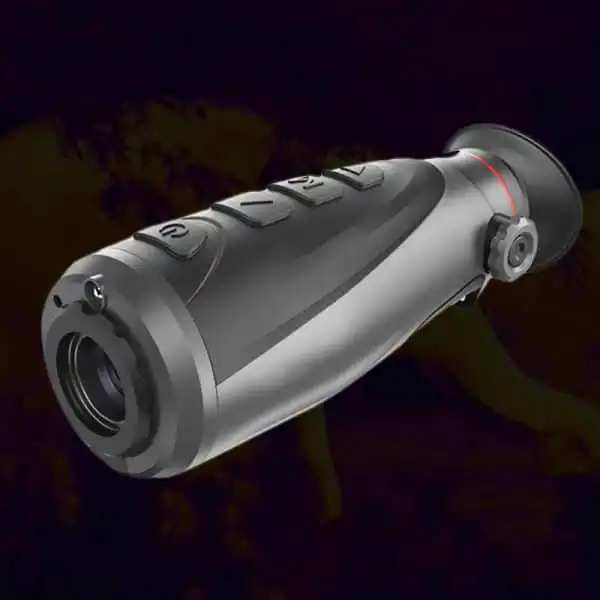
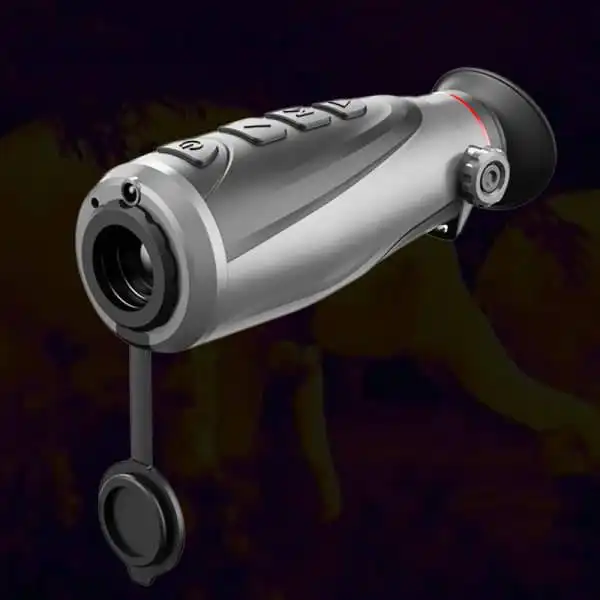
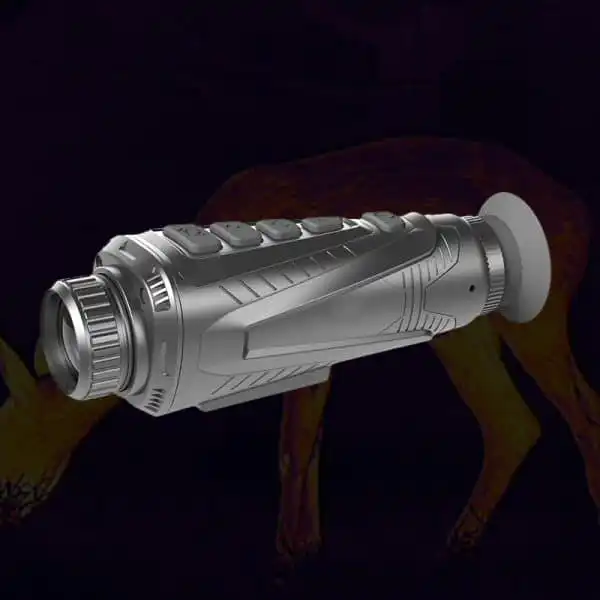
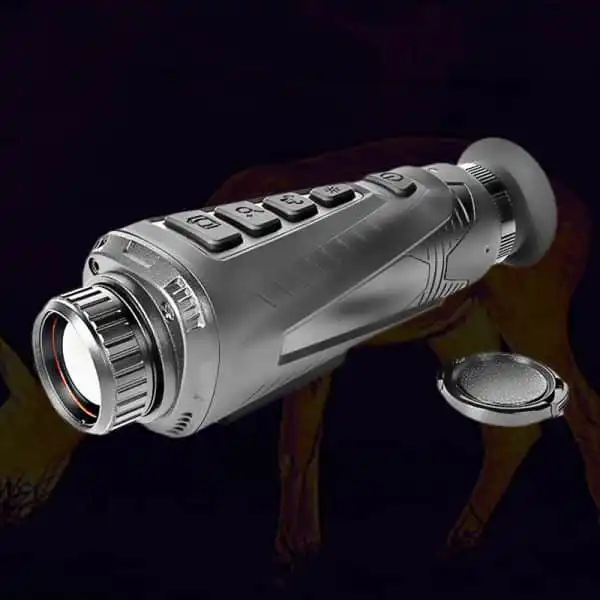
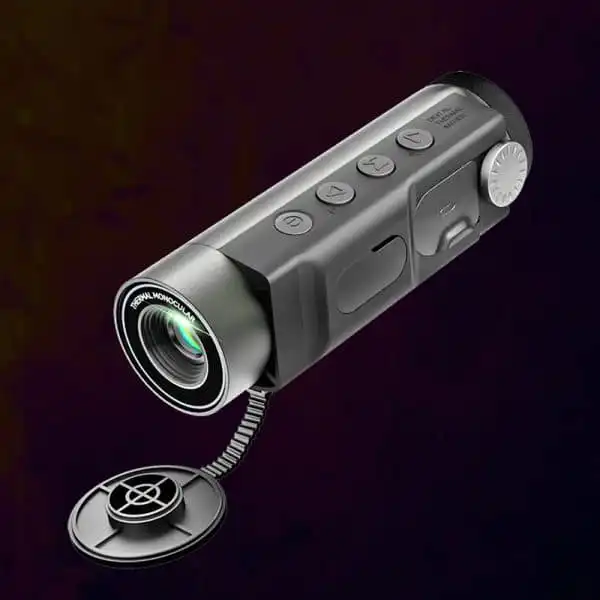
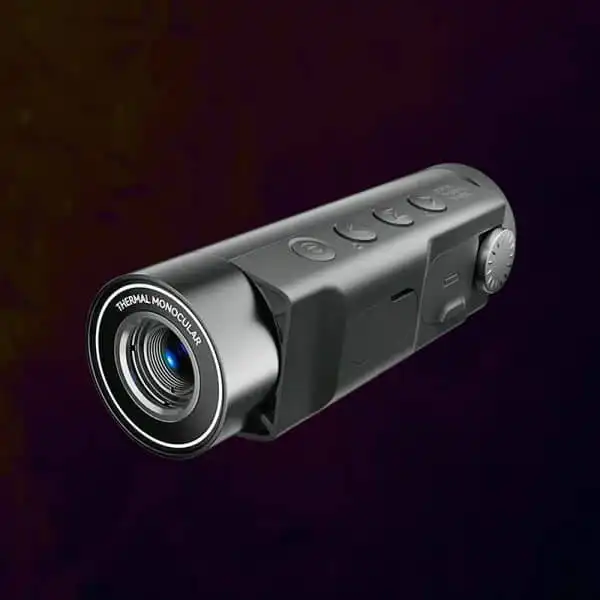
Best thermal goggles for a stationary shore watch need care guidance for the actual environment, not an assumed salt-water guarantee from an IP number. Enclosure ingress protection and resistance to salt-related deterioration are different questions. Keep the viewer dry where instructed, protect approved connectors and ask for product-specific cleaning and storage guidance before coastal use.
Read the Protection Claim Without Expanding It
An IP classification addresses specified enclosure-protection tests. It is not, by itself, a declaration of indefinite salt exposure, corrosion resistance or protection with every port open. the enclosure-protection standard gives the category of claim; the manufacturer’s manual must identify the applicable configuration and limits.
Use goggle specification questions and separate protection and performance fields to request the relevant documentation. If salt-mist testing or marine suitability is not disclosed, mark it unverified. Do not convert a splash rating into permission to rinse or submerge the viewer. A product can resist one kind of ingress under test while still requiring careful treatment of exterior contacts, coatings and accessories in coastal conditions.
| Check | What to record | Decision |
|---|
| Location | Shelter, possible spray and ordinary packing conditions at the stationary viewpoint | Ask whether the intended environment is documented as suitable. |
| IP claim | Exact rating, required covers and applicable configuration from the manual | Do not equate ingress testing with salt-corrosion resistance. |
| After exposure | Approved cleaning, drying and connector-handling process for that version | Never invent a rinsing or solvent treatment from a general rating. |
| Support | Written limits, service contact and accessory conditions supplied with the quote | Leave marine or salt-mist claims unverified when evidence is absent. |
Plan the Return From the Shore
Ask how the approved cap, connector cover and case should be handled after exposure. A wet or salt-contaminated item placed in a closed case can affect the next session. Follow the product-specific cleaning and drying procedure; do not improvise fresh-water washing, solvents or heat. coating-aware optical care is a general principle rather than a universal recipe for sealed viewers.
Compare field packing and care, supported stationary viewing equipment and alternative viewing arrangements. Keep exterior condition notes and photographs where useful for support. A difficult connector should not be forced or treated with an unapproved spray. If the manual is silent about the intended exposure, ask before use rather than assuming that every outdoor product has the same maintenance boundary.
Include Coastal Support in the Purchase Comparison
A longer feature list is of little help if the planned location lies outside the documented environment. Ask which accessories must remain fitted, whether any power lead changes the protection conditions and how an owner should seek support after suspected contamination. Written answers should identify the exact purchased version.
Use supplier evidence requests, whole-system value considerations, goggle fit and accessory checks and task-specific equipment choices to complete the quote. Do not claim a corrosion warranty that has not been supplied. If the environment remains unsupported, choose a different permitted setup or a more suitable documented product. The aim is manageable ownership for a shore watch, not an all-weather promise.
Obtain the coastal-use boundary and care instructions before buying. Treat an IP number as one specific protection claim, not a substitute for environmental suitability.