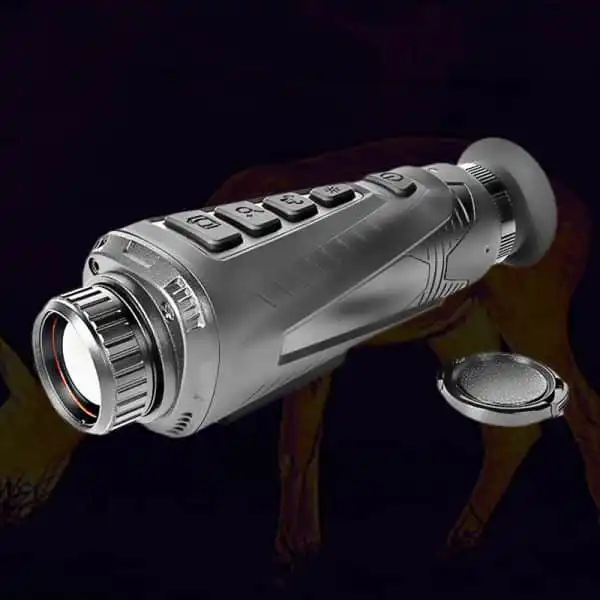
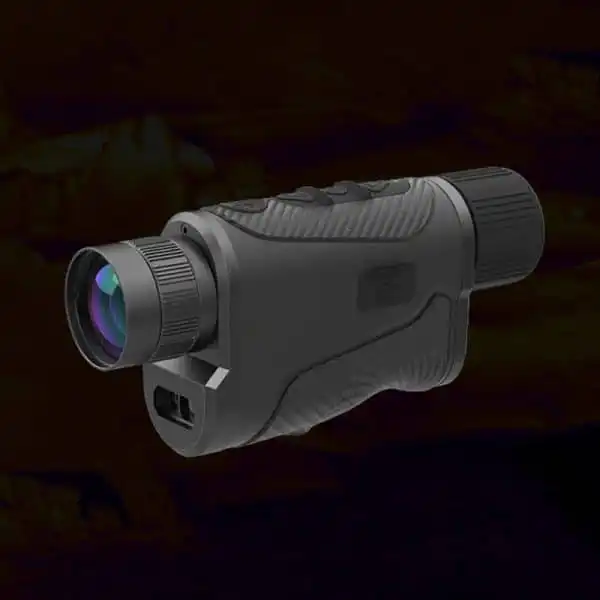
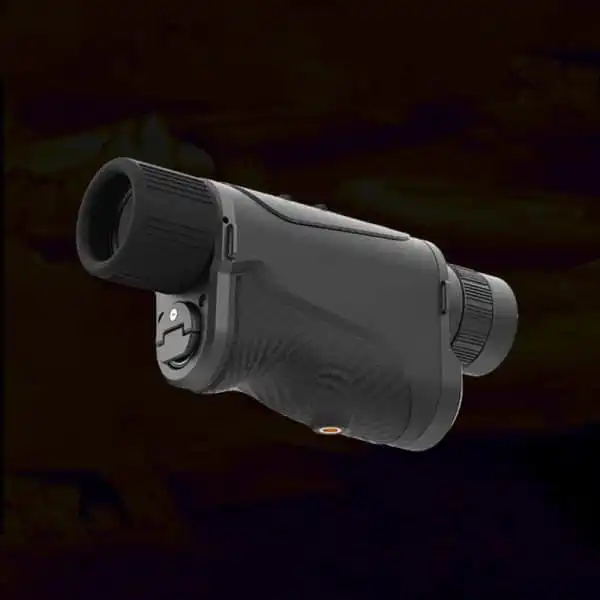
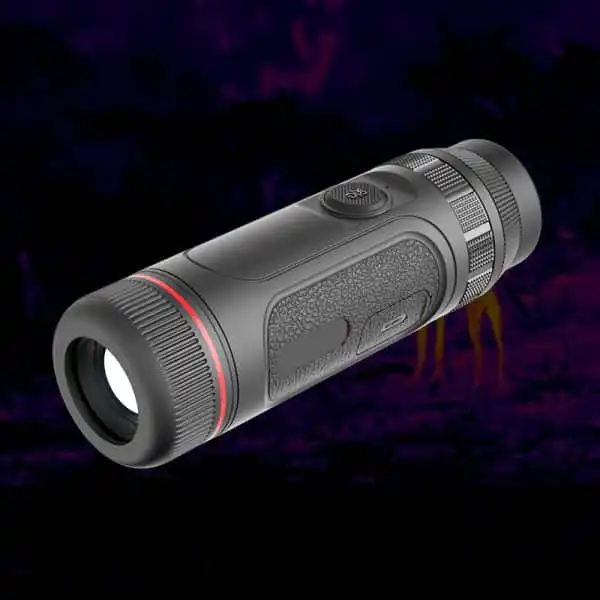
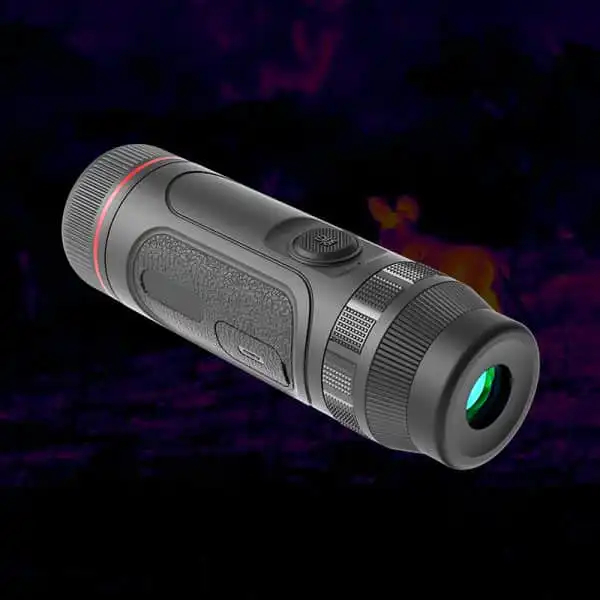
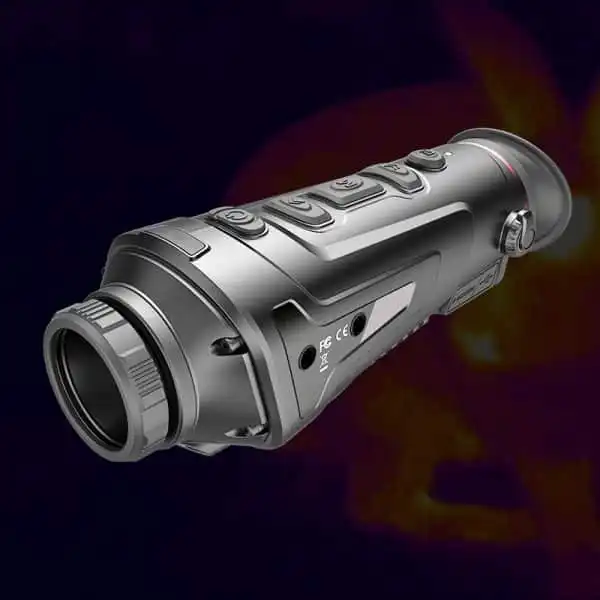
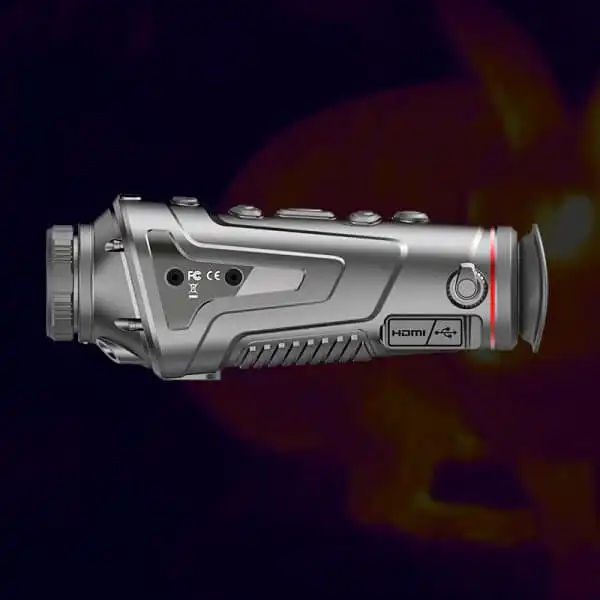
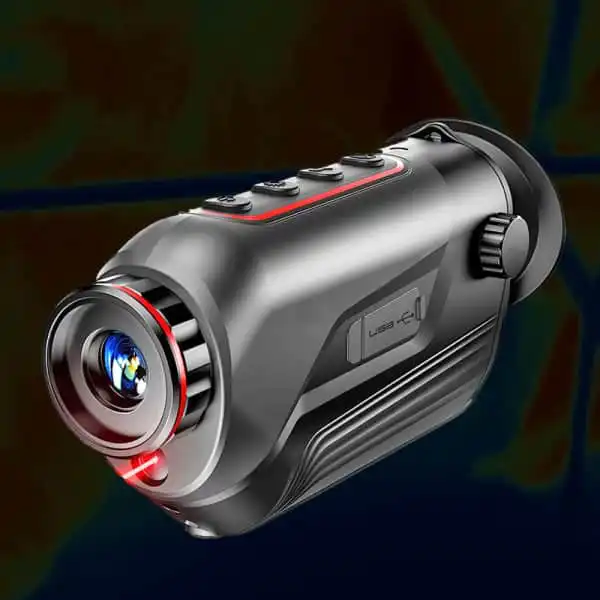
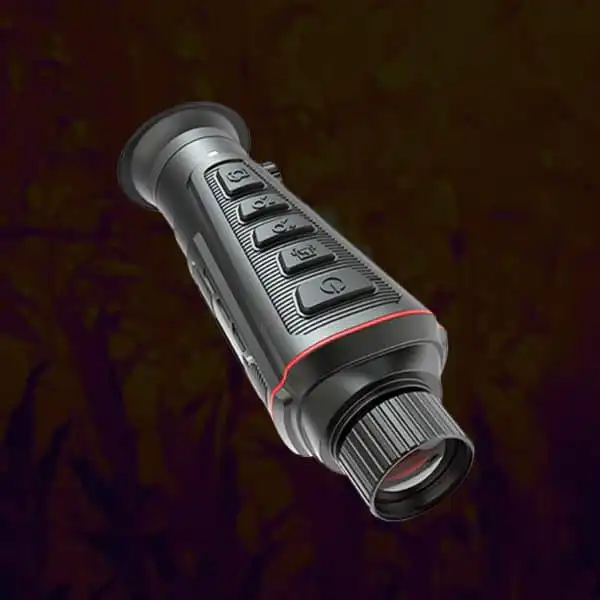
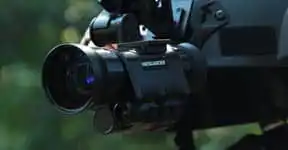
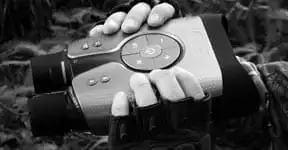
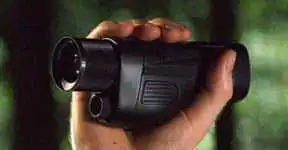
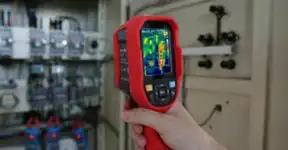
Infrared Night Vision Binoculars Need a Channel Label
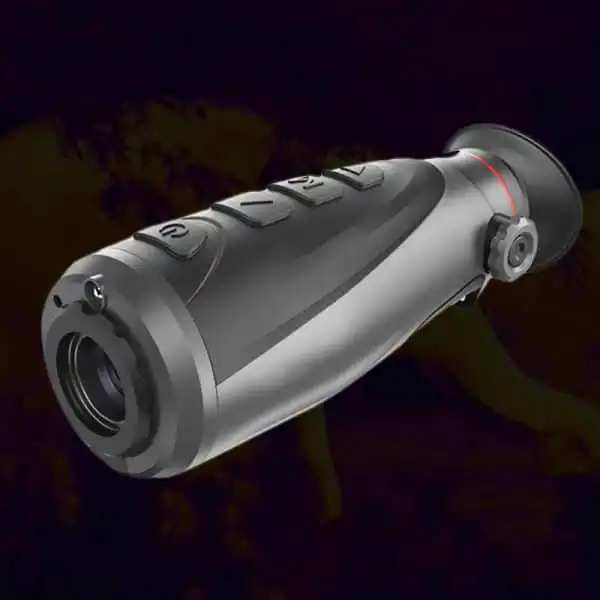
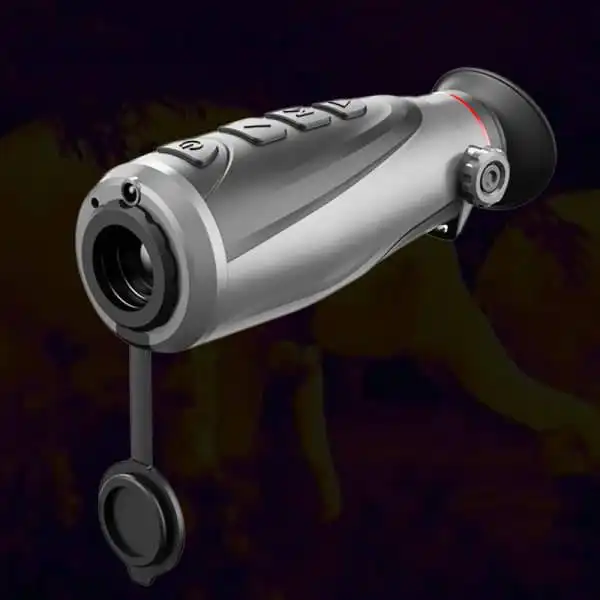
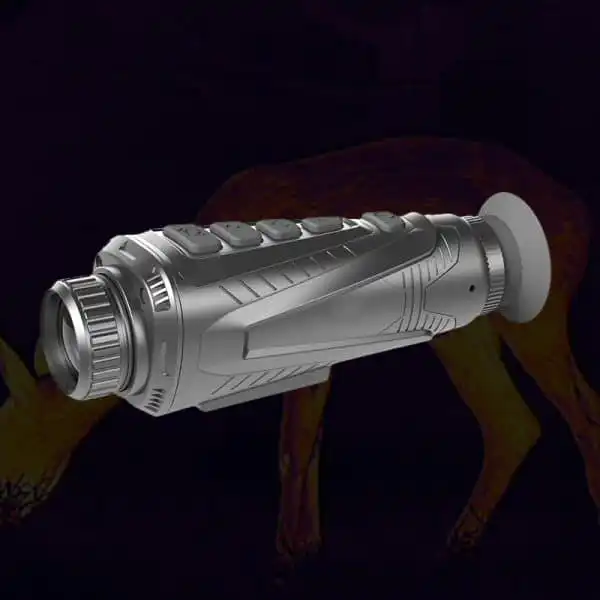
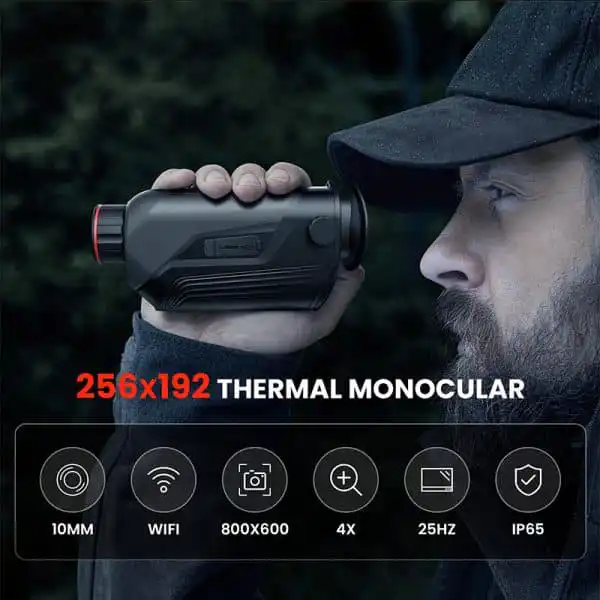
The word infrared can refer to different parts of an imaging system. A near-infrared illuminator helps a digital camera record reflected light, while a thermal channel forms an image from thermal infrared information. A listing that emphasizes bright nighttime video may contain only the first arrangement. Ask for the detector type and the native thermal array before treating it as thermal optics.
Start with poultry-house imaging terminology and thermal binocular purchasing checks. the infrared spectrum helps explain the distinction without assigning undocumented parts to a particular model. separate imaging specification fields should keep digital video resolution away from the thermal detector field. A binocular-shaped housing is not evidence of two thermal sensors or a particular internal channel architecture.
Infrared night vision binoculars may describe reflected-light imaging rather than thermal sensing. Around a poultry fence, identify the actual channel first, then test how nearby mesh interferes with the more distant subject. A clear digital scene does not establish thermal performance, and a smooth display does not guarantee that fast movement remains distinguishable through the mesh.
Nearby Mesh Can Dominate the View
Fence wires occupy the line of sight before the animal does. Depending on focus, distance and the imaging channel, they can appear as strong lines, blurred bands or intermittent obstructions. An illuminator can also return unwanted light from a nearby object. Do not promise that changing a palette or raising resolution makes a physical barrier disappear.
Use livestock enclosure observation and poultry-yard viewing questions to choose a normal permitted observation position. focus and field-of-view geometry explains why foreground and background coverage need separate attention. cattle-viewing specification definitions offers the same useful discipline: record what is actually exposed, not the complete body imagined behind the fence.
Motion Claims Need a Crossing Sequence
A still image can make a wire-obstructed subject look easier than it is to follow. Request an ordinary crossing sequence with mesh in the frame and the original recording retained. Note the channel, supported frame rate, playback rate and whether the display briefly pauses for normal correction. Those fields describe different stages of the viewing chain.
Read refresh rate and movement interpretation, recorded frame cadence and display update distinctions before comparing demonstrations. Slowing a clip can help inspect a particular moment, but interpolated or repeated frames do not supply missing captured information. Do not turn one successfully followed subject into a guarantee of counting all moving animals in a crowded enclosure.
Keep the Purchase Goal Narrow and Observable
For an observer outside the enclosure, the practical goal might be noting activity in a visible open section. It is not proving that every bird is present, diagnosing animal health or guaranteeing protection from predators. Identify which ordinary daylight or direct checks remain necessary and keep those checks separate from the thermal purchase.
Use farm observation buyer fit, questions for the binocular supplier and complete-kit comparison to request a channel-specific sample through a comparable foreground. If the listing lacks a confirmed thermal channel, do not label it a thermal alternative simply because its title says infrared. The most useful offer clearly describes the imaging method, its limitations near mesh and the original evidence available for the intended view.
One useful demonstration note can draw the fence in front of the subject area and label the imaging channel for every clip. Record whether focus favored the foreground or background and whether illumination was enabled on the digital side. Keep a few moments before and after the crossing so intermittent wire obstruction is visible. If the two channels use different framing, do not present their animal sizes as a direct resolution comparison. The intended buyer should review the exported originals, not only a side-by-side advertisement. A successful view through an open gap supports that gap under those conditions; it does not establish transparency through the mesh or a complete view of the enclosure.
| Observation | Evidence to keep | What it supports |
|---|
| Channel | Native thermal array or digital camera plus illumination | Correct technology classification |
| Foreground | Mesh distance, focus and exposed gaps | What remains physically visible |
| Movement | Original crossing clip and capture/playback settings | Task-specific motion evidence |
| Outcome | Visible activity and unobserved areas | No unsupported full-enclosure count |
Choose the imaging method and viewpoint together. A channel-specific sample with the fence left in the frame is more relevant than a high-resolution clip of an unobstructed scene.