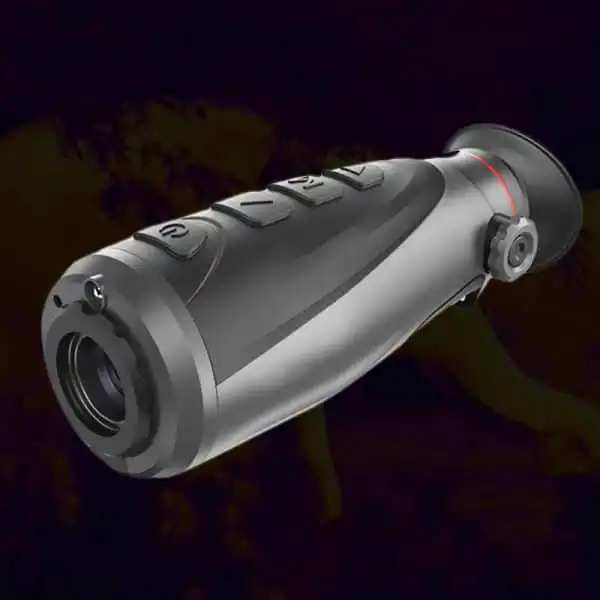
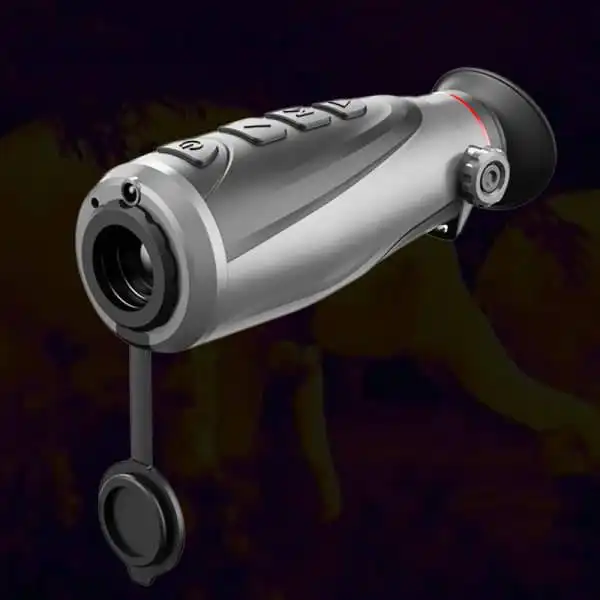
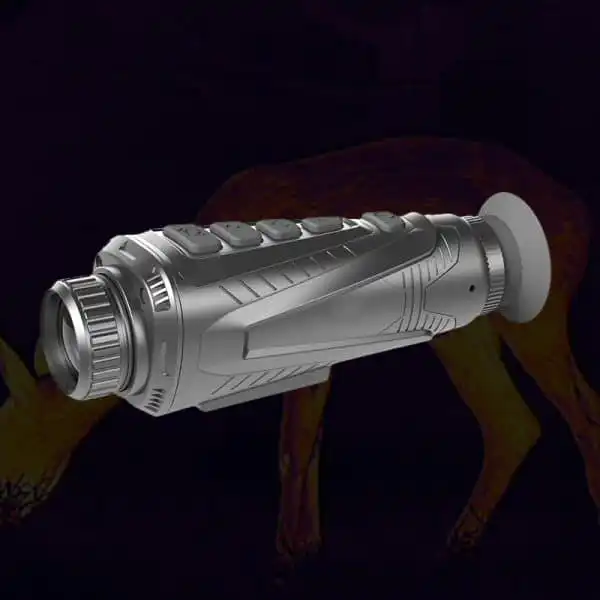
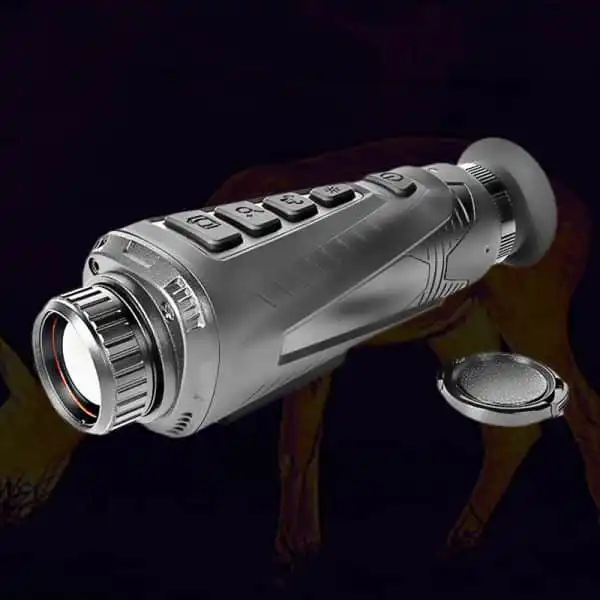
Put the Observation Outcome Beside Every Extra Feature
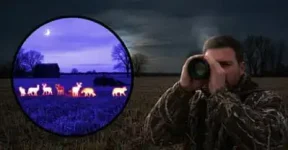
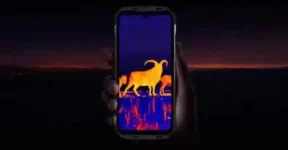
A nature observer watching an exposed fox-sized animal may need to locate movement, hold the outline and save a brief record. An additional palette or connection has value only if it helps one of those steps. Its presence in an advertisement does not establish a practical benefit.
Use task-based monocular selection to write the outcome first. monocular cost and feature tradeoffs then becomes a question of what the extra function changes. Consider the time needed to learn it, whether it adds accessories and whether it makes the basic routine harder to remember. Keep current kit prices and future service costs unconfirmed until the seller provides them.
The best thermal monocular feature set is the one that helps the observer complete the actual task without unnecessary complexity. For nocturnal animal watching, a few understandable image controls may be more useful than a long palette list or an unneeded connection. Compare the functions, learning effort and required kit separately; no current-price ranking or tested model winner is claimed here.
Best Thermal Monocular Lists Often Give Palette Count Too Much Weight
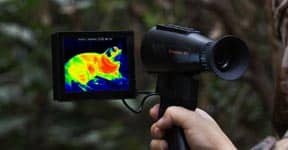
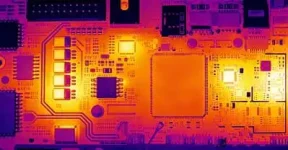
A long palette menu can offer useful choices, but the number of names is not an image-quality measurement. Two modes may present the same sampled scene differently while helping different observers follow an outline. The user still needs to understand the current mapping.
assigned-color interpretation provides the conceptual boundary. native thermal resolution is a different field, and screen and recording dimensions are different again. Do not translate extra palettes into more original detector detail or a longer identification distance. The useful comparison is whether a preferred mode makes ordinary observation clearer and can be restored without repeated experimentation.
Check Whether an Option Creates Another Dependency
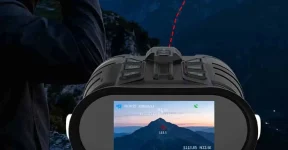
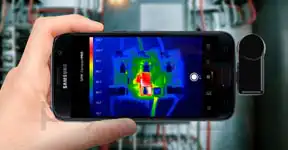
Wireless sharing may require a supported app, compatible operating system and additional power use. An external supply may require a model-approved cable and change how a connector cover fits. A feature can be genuinely useful while still having conditions the buyer needs to understand.
camera output and interface concepts help identify those dependencies. questions about supported functions should ask which parts are included and which remain optional. affordable equipment expectations can be met by a simpler system when the intended outcome does not require every connection. Do not assume a continuing subscription, universal software support or future upgrade unless the provider explicitly discloses it.
Try the Essential Controls Before Trying the Special Modes
From a stationary secure position, obtain a clear menu, focus the scene, return to native view and operate record if supported. Repeat that sequence after a normal pause. If a specialized mode makes it difficult to recover the basic image, that inconvenience belongs in the comparison.
beginner monocular handling is useful even for an experienced buyer changing systems. thermal image motion behavior should be understood before attributing every pause to a special setting. Compare a held scene and an original sequence where available. A feature should earn its place through a clear use, not merely through an attractive label or a single dramatic still.
| Decision item | Question to ask | Buying response |
|---|
| Essential outcome | Locate, observe or record a defined event | Keep functions that clearly support it |
| Optional palette | Understandable benefit in an ordinary scene | Do not count modes as detector detail |
| Connected feature | Supported app, supply or accessory | Identify dependencies before pricing |
| Complete quote | Current kit contents and service terms | Do not invent future costs |
Keep Image Interpretation Separate From Confidence
An emphasized warm outline can look persuasive without supplying the animal detail needed for identification. A calm-looking background can be the result of processing rather than new information. Keep the visible evidence and the interpretation as separate notes.
discovery and confirmation and outdoor thermal limitations remain relevant whatever the feature set. Do not turn a palette into a temperature measurement, a bright patch into a confirmed species or a quiet scan into proof that the whole area is empty. The task is an honest nature record. Additional controls do not remove cover, unknown conditions or the need for appropriate confirmation.
Compare the Complete Cost Only After the Functions Are Clear
Create three lists: functions required for the observation, optional conveniences and unknown or unsupported claims. Obtain current quotes for the complete supported kit and keep warranties, accessory availability and software terms explicit. Do not invent a lifetime cost to make one option appear cheaper.
budget monocular questions and whole-system value can help organize that quote. Prefer essential controls that the observer can use confidently, with optional features chosen for a stated reason. This produces a more useful shortlist than counting menu items or assuming the most expensive package must provide the most relevant information.
Price the complete supported kit only after each function has a clear purpose. Favor useful essentials and understandable image controls over a long list of options that add complexity without improving the intended observation.